




Antique Chemist Display
An antique chemist display brings the heavy glass, polished wood, and brass of the nineteenth-century apothecary straight into a modern room.
Antique Chemist Display
An antique chemist display encompasses the heavy glass jars, storage boxes, and shop furniture used in nineteenth-century and early twentieth-century pharmacies. These pieces span Victorian, Edwardian, and Art Deco periods, originating from English and French workshops.
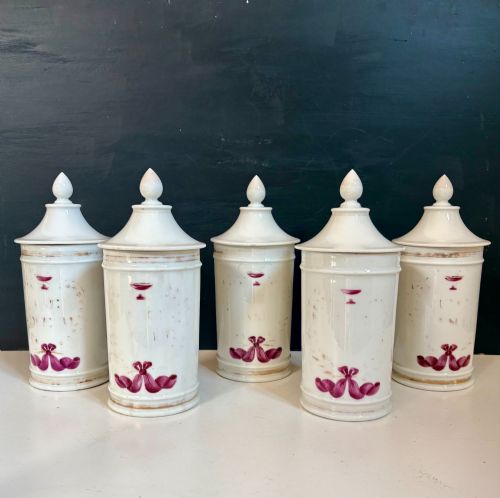
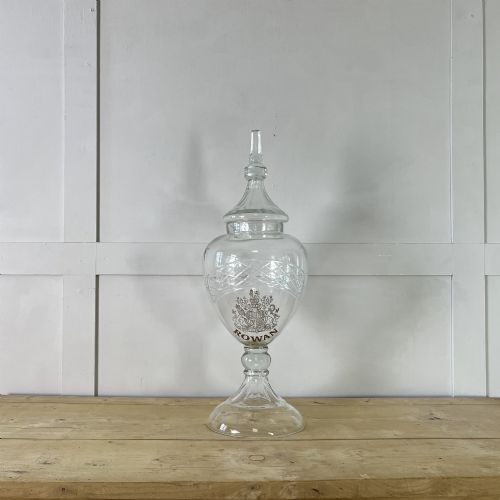
The most common forms on this page are glass apothecary jars and bottles with stoppers, alongside timber display cabinets and countertops. Items like carboys and scientific instruments also appear, representing the practical fittings of old dispensaries.
Dated examples stretch from the early nineteenth century through to the 1930s, showing the gradual shift from traditional apothecary vessels to retail display cabinets. Buyers encounter both utilitarian shop fittings and decorative counter items suited for interior placement.
Materials and construction methods
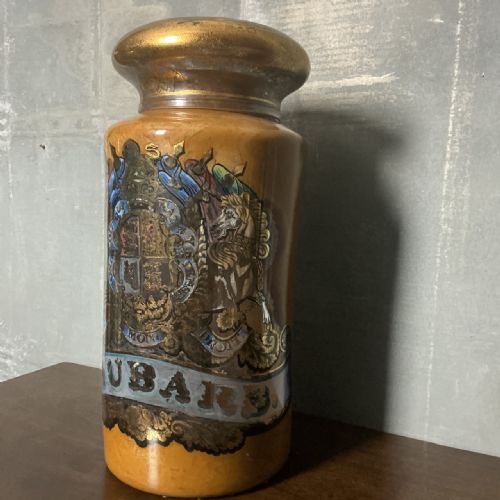
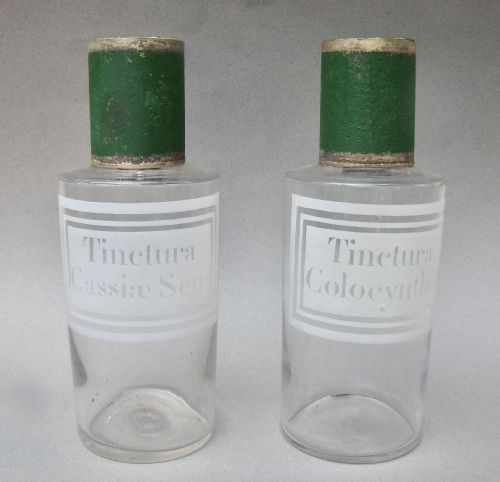
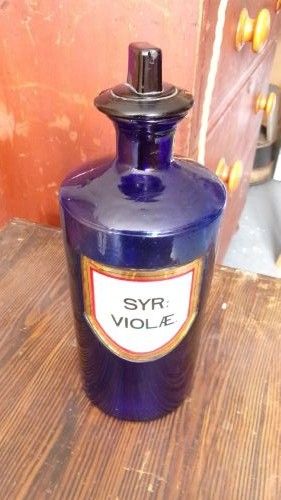
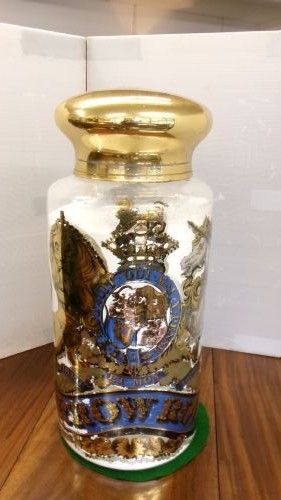
Glass forms the core of these items, appearing in deep blue hues, etched finishes, and heavy moulded vessel walls with matching stoppers. Makers shaped large carboys and jars by hand, often incorporating gold leaf lettering, paper labels, and painted details.
Cabinets and counters utilise solid mahogany and polished wood, paired with brass fittings, iron supports, and ceramic elements. Precision instruments integrate brass and iron components, built for durability in a working dispensary.
Antique Chemist Display Retail Price Guide 2026
Typical asking prices for chemist display among the pieces listed under this phrase on Sellingantiques today, from the lower quarter to the upper quarter. They describe what is for sale here now, not the wider market.
Listings feature materials including glass, gold leaf, brass, mahogany, ceramic, enamel, paint, and paper across the Victorian and Edwardian eras.
Assessing build and material quality
Quality rests in the clarity and weight of the glass, the depth of the hand-turned or etched labelling, and the retention of original stoppers. Superior vessels show thick, bubble-strewn walls and precise lettering.
For timber furniture, quality depends on the choice of solid mahogany, the condition of the polished wood surfaces, and the integrity of brass hardware. Pieces retaining original counter layouts or signed glass elements stand apart from altered items.
The Antique Chemist Display Glossary
- Carboy
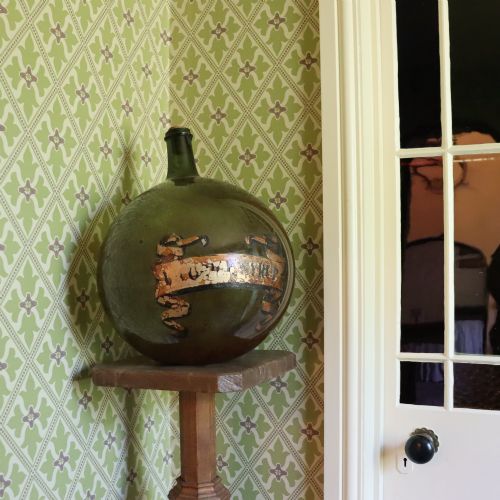
- A large spherical glass bottle used by chemists to hold liquids in shop windows or on counters. These heavy vessels often feature hand-blown irregularities.
- Apothecary jar
- A glass vessel designed to store medicinal ingredients, frequently fitted with a ground glass stopper and an identifying label. They range from small shelf bottles to massive display pieces.
- Display cabinet
- A glazed wooden structure used in retail spaces to showcase goods to customers. Mahogany shop counters fall into this category.
- Precision beam scales
- A weighing instrument utilising balance beams and pans for accurate measurement in scientific and medical work.
- Gold leaf
- A very thin sheet of gold applied to surfaces for lettering and ornamentation. It appears on glass jars and shop signage.
Antique Chemist Display: Frequently Asked Questions
What were apothecary carboys used for?
Apothecary carboys sat in chemist windows as glowing beacons filled with coloured water, signalling the presence of a dispenser to the street.
Inside the shop, these large glass vessels held bulk liquids and demonstrated the glassblower's skill.
How do I clean old glass jars?
Old glass requires careful washing with warm water and mild soap, avoiding harsh scrubbing that might damage etched designs or remaining gold leaf.
Paper labels and painted details demand particular caution to prevent moisture damage during cleaning.
Are chemist display cabinets suitable for modern kitchens?
Mahogany shop counters and display cabinets fit well in contemporary kitchens and living spaces for storing glassware and ceramics.
Their glazed doors and sturdy wooden shelves provide practical visibility while protecting the contents from dust.
How can I tell a Victorian jar from a later piece?
Victorian glass often displays pontil marks, bubbles, and slight distortions from hand-blowing techniques used in the nineteenth century.
Later pieces from the Edwardian era and the 1930s generally show more uniform machine moulding and different styles of labelling.