
Antique Charm Necklace
An antique charm necklace gathers small tokens, lockets and pendants across Victorian, Edwardian and Art Deco periods, worn close to the heart.
Antique Charm Necklace
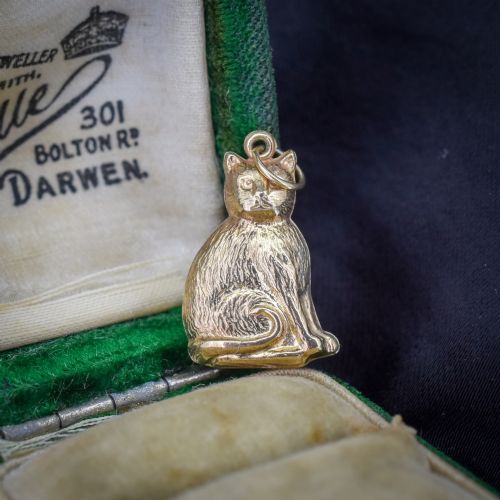
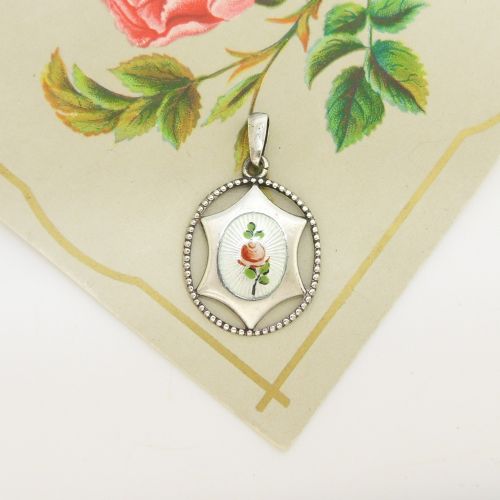
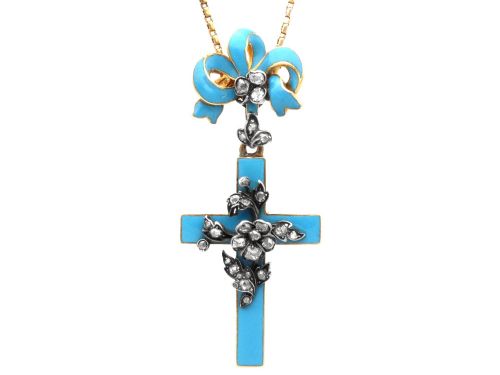
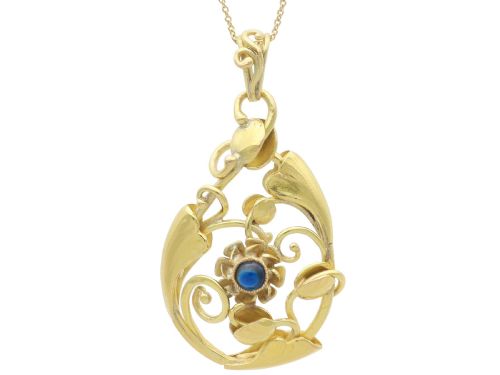
An antique charm necklace brings together individual items like lockets, fobs, crosses and figurative drops suspended from fine chains or collars. These pieces reflect the sentiments, beliefs and fashions of the Victorian, Edwardian and Art Deco eras, alongside French religious medals and Scandinavian enamel work.
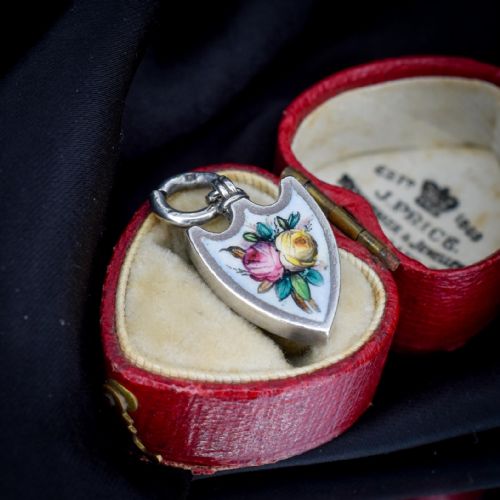
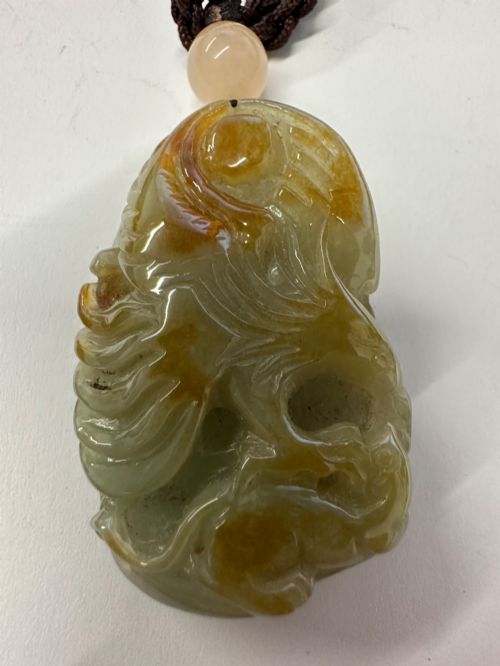
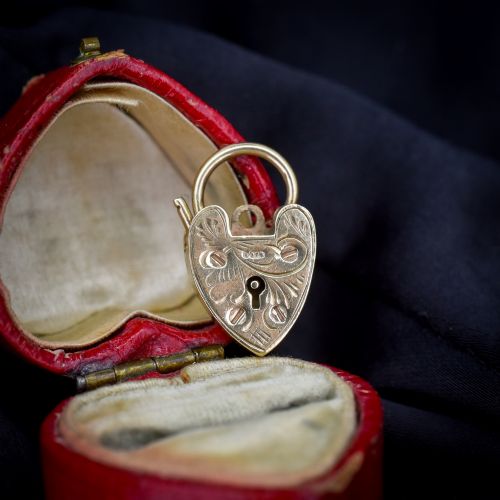
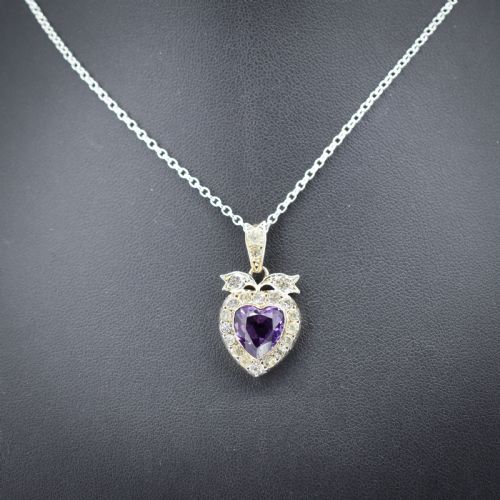
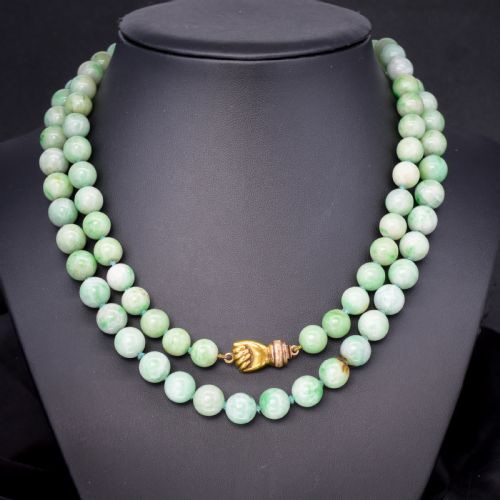
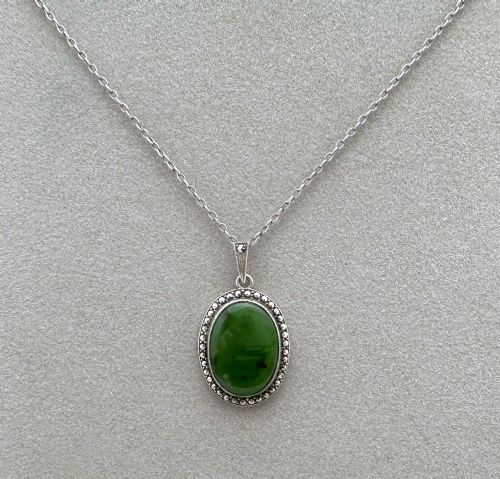
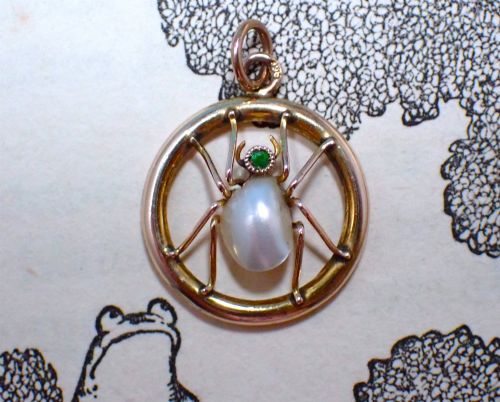
The most common form on this page pairs a gold or silver chain with a singular pendant, heart padlock, or spinning fob that acts as a focal point. You will also encounter groupings of charms, carved jade pieces and seed pearl clusters gathered over time.
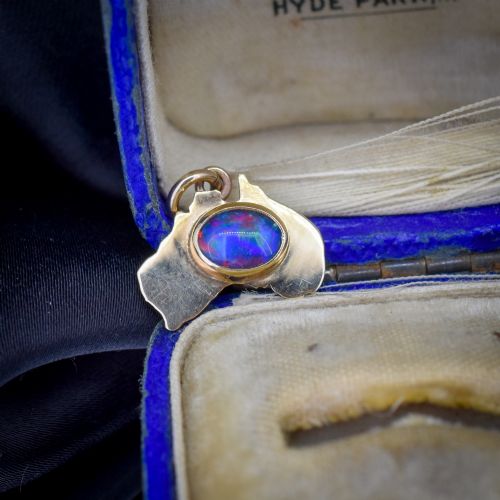
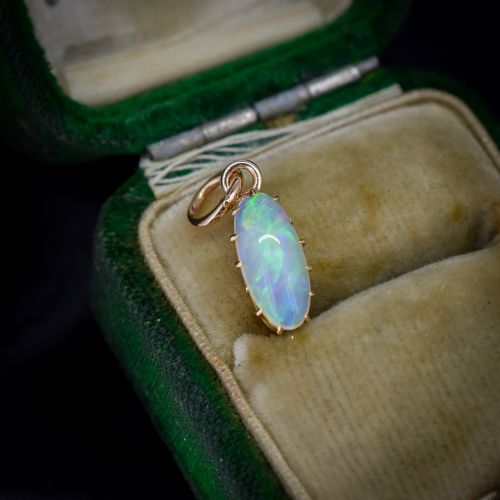
Materials range from nine-carat and fifteen-carat gold to sterling silver, platinum and eighteen-carat gold, often accented with diamonds, turquoise, opals and coloured enamel.
How they were made
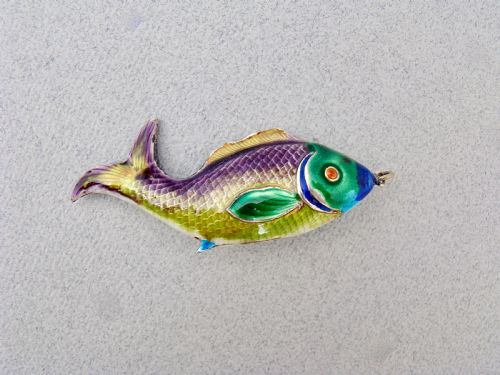
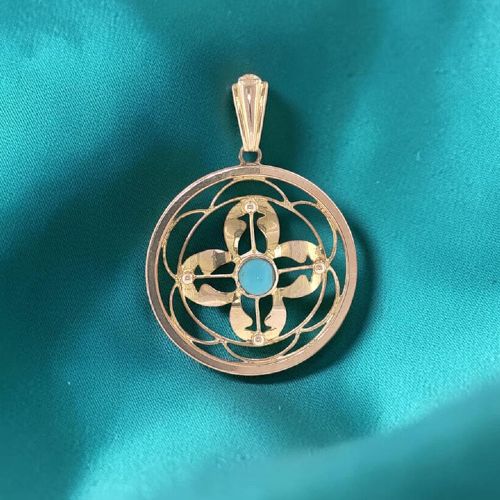
Goldsmiths and silversmiths shaped metals through casting, hand engraving, and filigree work, utilising higher karat golds alongside sterling silver and platinum settings. Enamelling techniques such as plique-à-jour added translucent colour to floral and religious motifs.
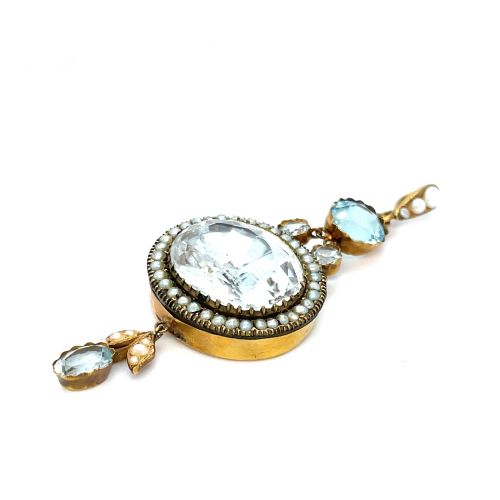
Gemstones including old-cut diamonds, sapphires, garnets, aquamarines and seed pearls were bezel set or mounted in open-backed clusters to catch the light. Carved hardstones like jade and tortoiseshell were hand-fitted to silver and gold mounts.
Components often carry British hallmarks from assay offices in cities like Birmingham, or continental marks denoting eighteen-carat and lower purity gold standards used abroad.
Materials span nine-carat, fifteen-carat and eighteen-carat gold, sterling silver, platinum, diamonds, opals, jade and seed pearls.
What varies in quality
Quality rests on the crispness of hand engraving, the symmetry of stone settings, and the integrity of enamel work across panels and shields. Fine examples retain every original seed pearl, foil backing and delicate mounting without heavy solder repairs.
Artisanal touches like plique-à-jour windowing or bespoke maker attribution elevate a piece beyond standard commercial output of the period.
Charles Horner·Deakin & Francis·Paul Brandt
The Antique Charm Necklace Glossary
- Fob
- A short chain or decorative pendant once attached to a pocket watch, frequently adapted to wear on necklaces.
- Plique-à-jour
- An enamelling technique where enamel is applied in open cells without a backing, creating a stained-glass effect that lets light pass through.
- Seed pearl
- A very small, natural or cultured saltwater pearl, often drilled and threaded onto fine silk or wire in Victorian cluster jewellery.
- Padlock charm
- A small, functional or decorative lock-shaped pendant popular in the Victorian and Edwardian periods to symbolise security and commitment.
- Old cut
- A diamond cutting style preceding the modern brilliant cut, characterised by a smaller table, higher crown and open culet.
- Collar chain
- A wide, decorative neck chain, often constructed from interlocking links, designed to sit high on the collarbone.
Antique Charm Necklace: Frequently Asked Questions
How do I date an antique charm necklace?
Dating relies on hallmarks, metal purity marks, stone cuts and stylistic cues such as Victorian mourning motifs or Art Deco geometric lines. Birmingham assay stamps and maker signatures also help pinpoint the exact decade.
Comparing the chain links to the suspended charms reveals whether the pieces were assembled together originally or gathered over time.
How were these necklaces worn in the past?
In the Victorian and Edwardian eras, necklaces often incorporated functional items like watch chains, swivels, keys and fob seals. People wore them daily as practical accessories or sentimental tokens of affection.
Religious medals and floral lockets held personal significance and were kept close to the wearer's heart.
How do I care for antique jewellery?
Antique pieces require gentle handling due to delicate stone settings, hollow gold components and fragile enamel work. Avoid ultrasonic cleaners and harsh chemicals, using a soft cloth to clean metal and stones.
Store charms individually to prevent scratching, especially when dealing with softer materials like jade, pearls and opals.