


Antique Ceramic Sign
When searching for an antique ceramic sign, you are looking for durable markers of commerce, identity, and decoration produced in clay and enamel.
Antique Ceramic Sign
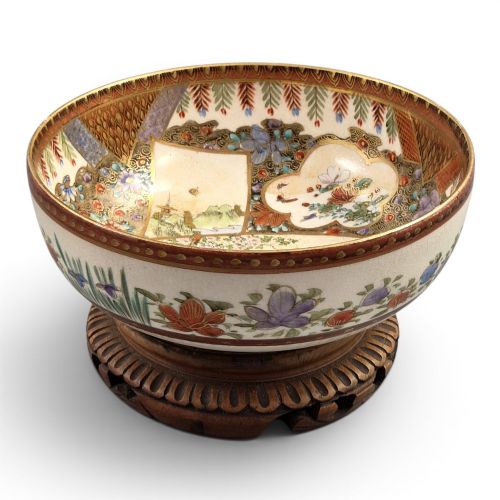
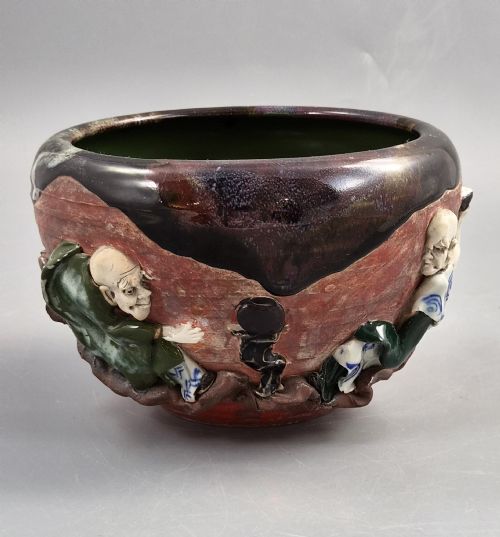
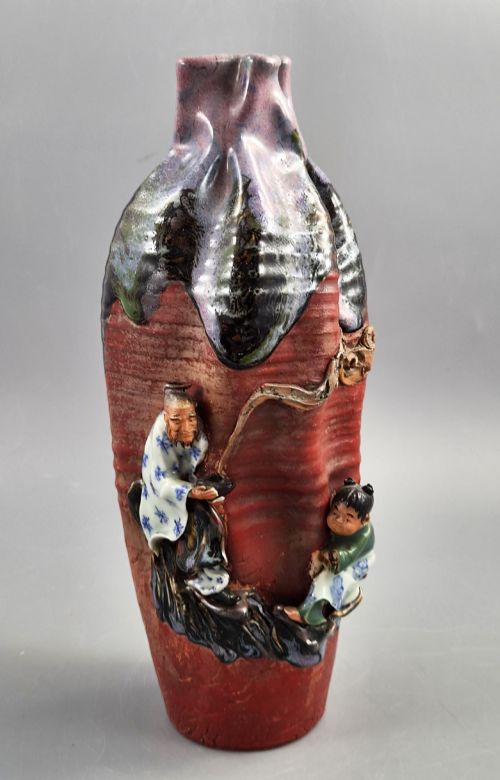
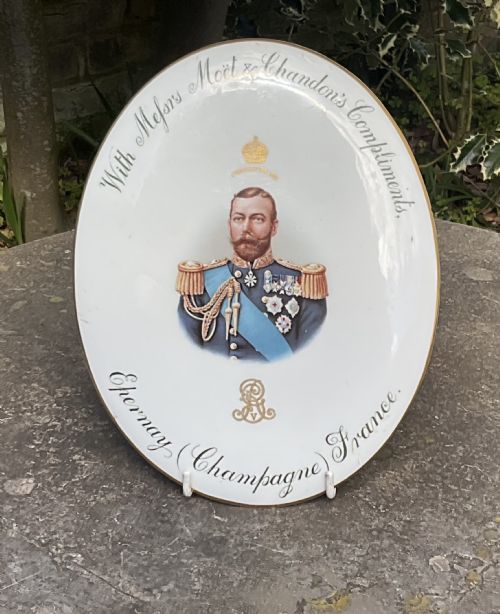
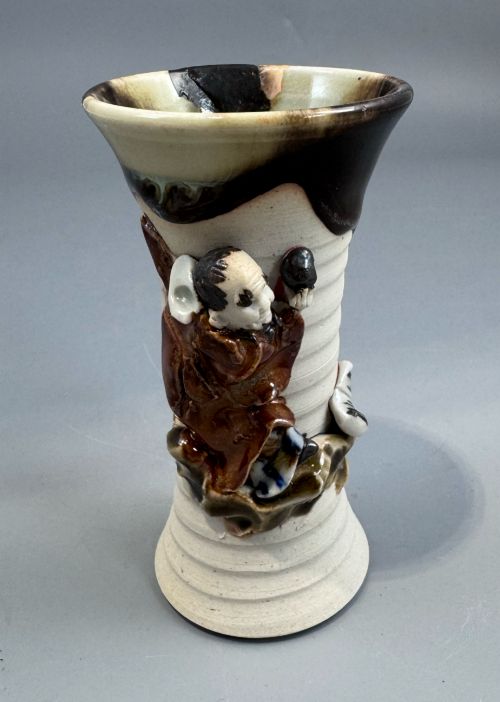
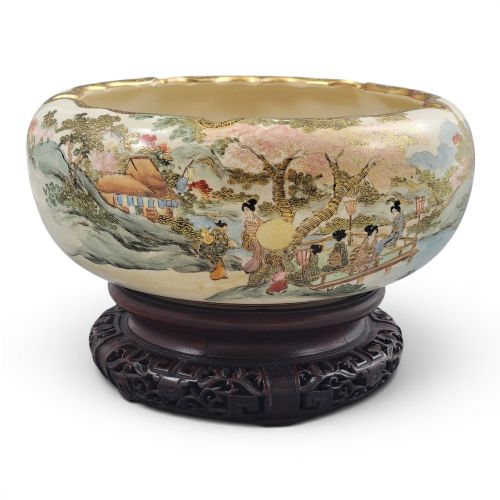
The term antique ceramic sign encompasses a variety of glazed earthenware, porcelain, and enamel objects designed for display, identification, or architectural use.
Most examples found in commerce originate from the late nineteenth and early twentieth centuries, reflecting the industrial and decorative output of that era.
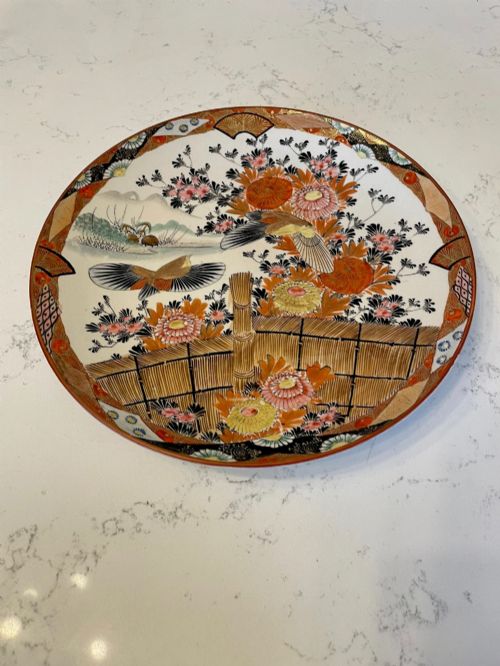
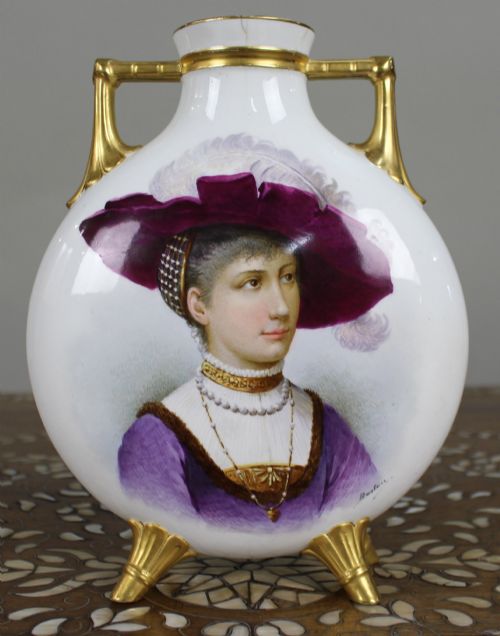
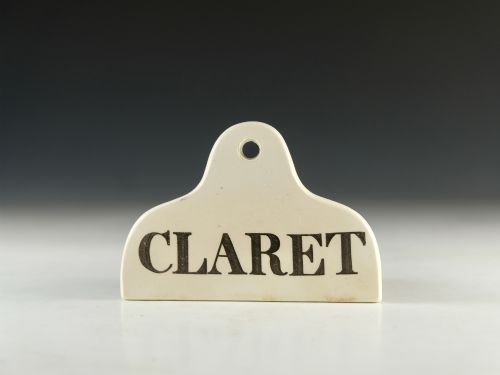
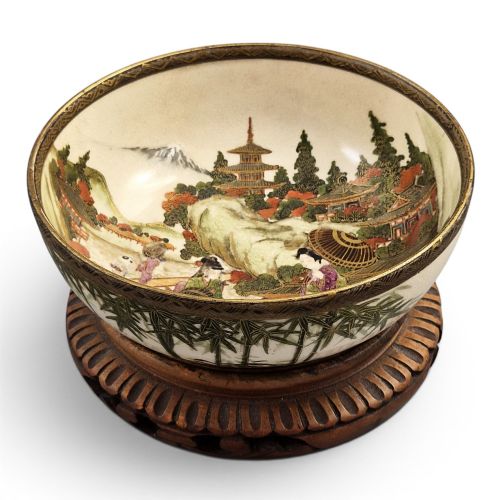
Forms range from flat decorative plaques to specialised commercial labels and commemorative items manufactured in European and Asian kilns.
Materials and production methods
Potters shaped these objects using dense earthenware, porcelain, or stoneware bodies, which were then fired at high temperatures to ensure structural stability.
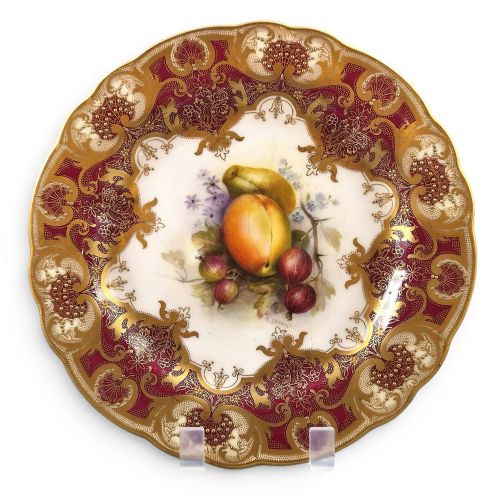
Glazes, enamel colours, and sometimes gold leaf or gilt were applied by hand or transfer printing before a final kiln firing fixed the surface design.
Metal elements or wooden frames occasionally supplemented the ceramic body to aid mounting and protection.
Antique Ceramic Sign Retail Price Guide 2026
Typical asking prices for ceramic sign among the pieces listed under this phrase on Sellingantiques today, from the lower quarter to the upper quarter. They describe what is for sale here now, not the wider market.
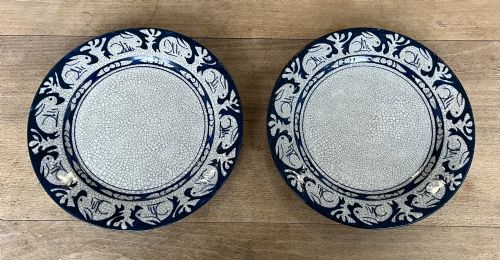
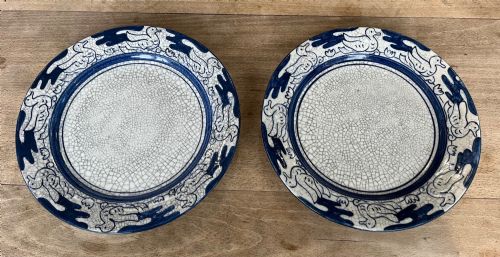
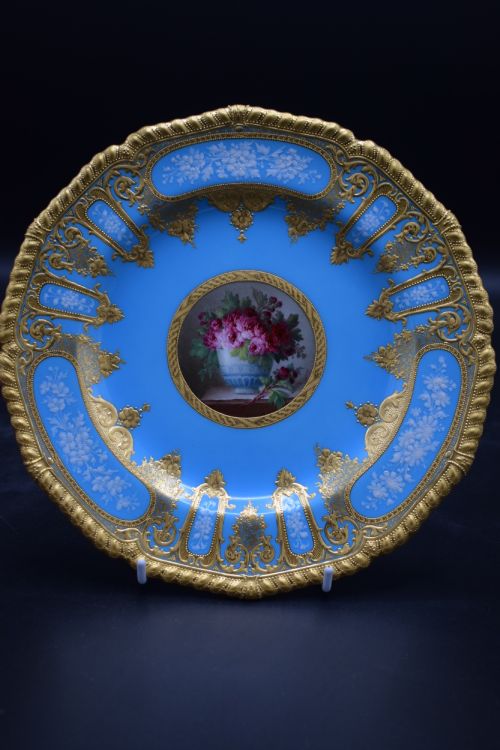
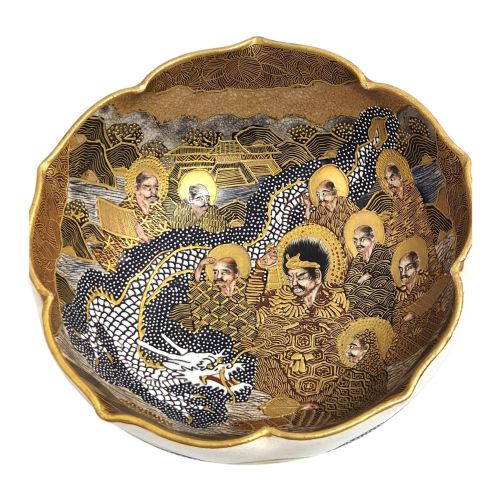
Current listings feature pieces spanning the nineteenth and twentieth centuries, incorporating porcelain, enamel, earthenware, and gold leaf.
Distinctions in manufacture and finish
Quality depends on the precision of the initial moulding, the purity of the clay body, and the stability of the glaze during the firing process.
Finely painted details, registration of multiple enamel layers, and crisp lettering separate standard production items from master-decorator works.
The preservation of the original surface gloss without extensive crazing or obscuring restoration dictates the desirability of surviving pieces.
Royal Worcester·Royal Doulton
The Antique Ceramic Sign Glossary
- Enamel
- A glassy substance fused to a ceramic or metal surface through heat to provide colour and protection. This technique creates a smooth, impervious finish.
- Glaze
- A vitreous layer or coating applied to ceramic ware to seal the porous clay body. It gives the object a glossy appearance and guards against moisture.
- Gilt
- A thin layer of gold applied to the surface of porcelain or earthenware for decorative accent. It catches the light and highlights raised details.
- Earthenware
- A type of pottery made from clay fired at relatively low temperatures, remaining slightly porous unless glazed. It forms the base for many traditional tiles and plaques.
- Porcelain
- A hard, white, vitrified ceramic material traditionally made from kaolin and petuntse. It rings when struck and absorbs no water.
Antique Ceramic Sign: Frequently Asked Questions
How do I clean an antique ceramic sign?
Dust the surface gently with a soft, dry cloth to remove accumulated particles without abrading the glaze.
Avoid using harsh chemical cleaners, abrasive pads, or submerging pieces with exposed iron or wooden mounts in water.
Are these items suitable for outdoor display?
Most antique ceramic pieces were intended for interior architectural or commercial use and lack resistance to modern frost expansion.
Exposing fragile glazes and historic enamel to exterior weather conditions risks permanent cracking and fading.
How can I tell the period of a ceramic sign?
Examine the composition of the clay body, the thickness of the glaze, and the style of the lettering or painted decoration.
Maker marks, registration numbers, and specific stylistic influences such as Art Nouveau or Victorian conventions also narrow the date of manufacture.
What causes crazing on glazed surfaces?
Crazing appears as a fine network of cracks in the glassy glaze layer, caused by the ceramic body and the glaze expanding at different rates.
Age, temperature fluctuations, and moisture penetration over decades commonly produce this network across older earthenware and porcelain.