

Antique Central Rug
When searching for an antique central rug, collectors encounter woven carpets and embroidered textiles hailing from tribal and village communities across Central Asia and Persia.
Antique Central Rug
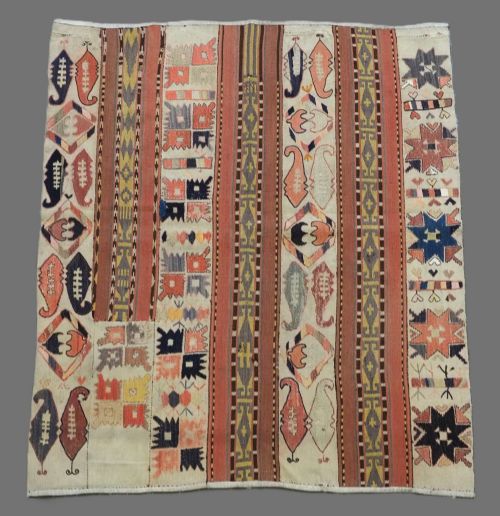
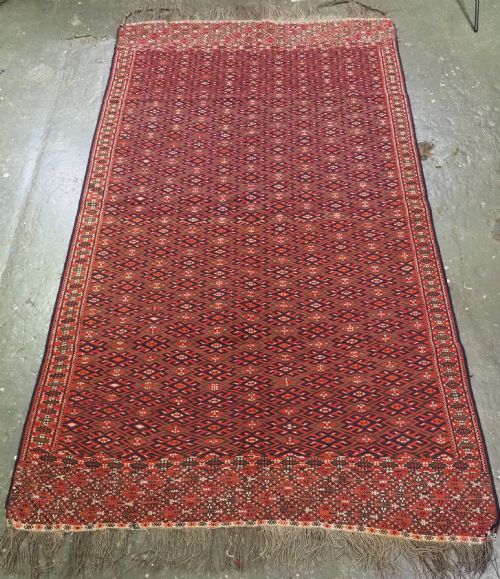
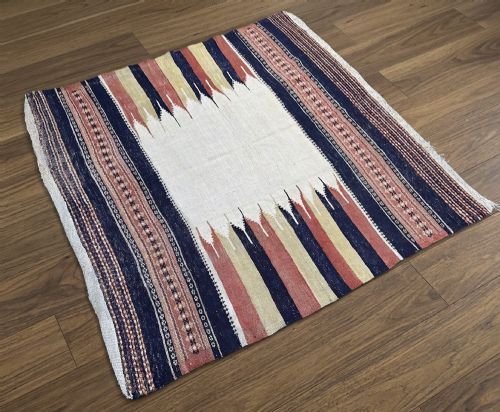
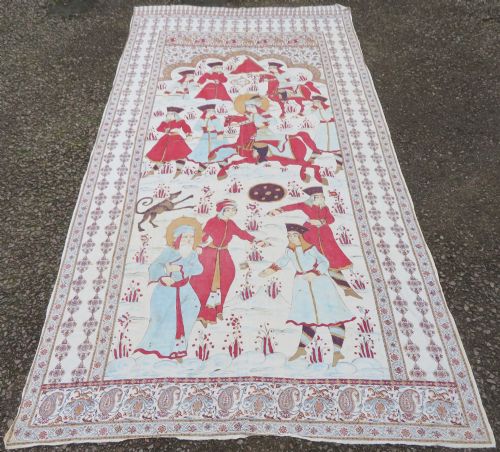
An antique central rug encompasses floor coverings, wall hangings, and ceremonial horse covers produced across regions such as Turkmenistan, Uzbekistan, Persia, and Tibet. These items span periods from the mid-nineteenth century through the early twentieth century, reflecting diverse regional traditions.
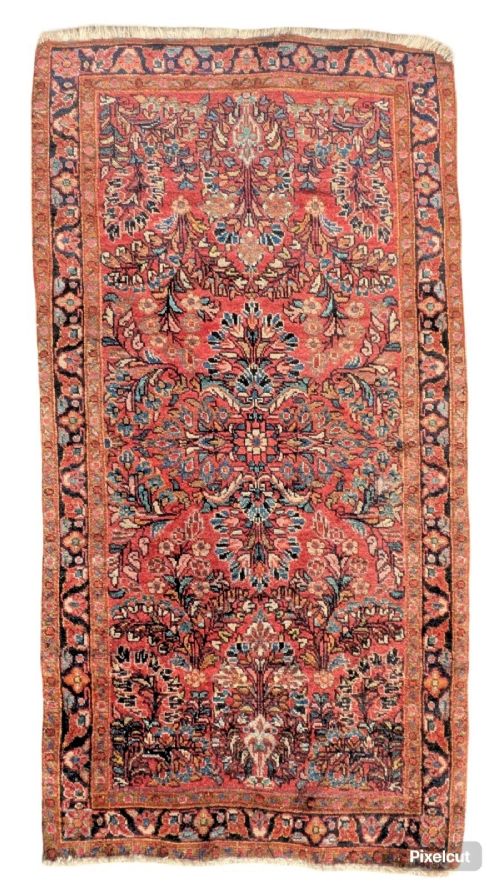
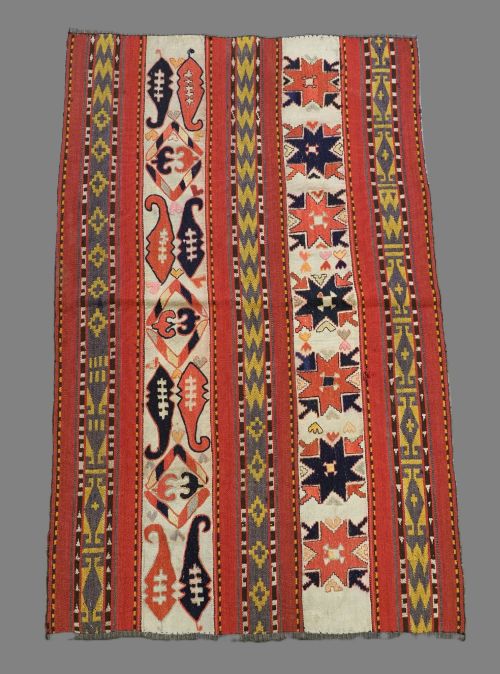
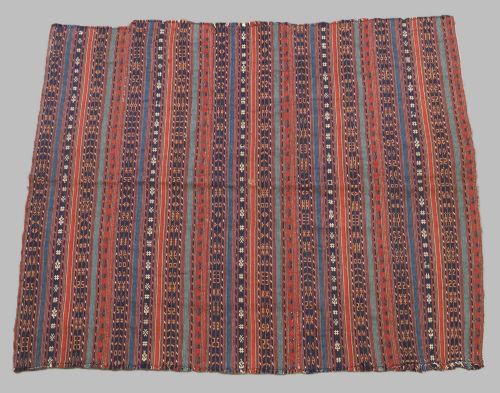
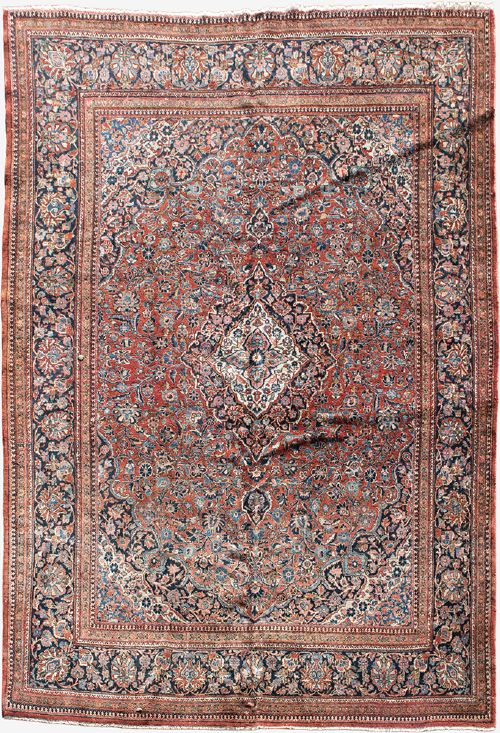
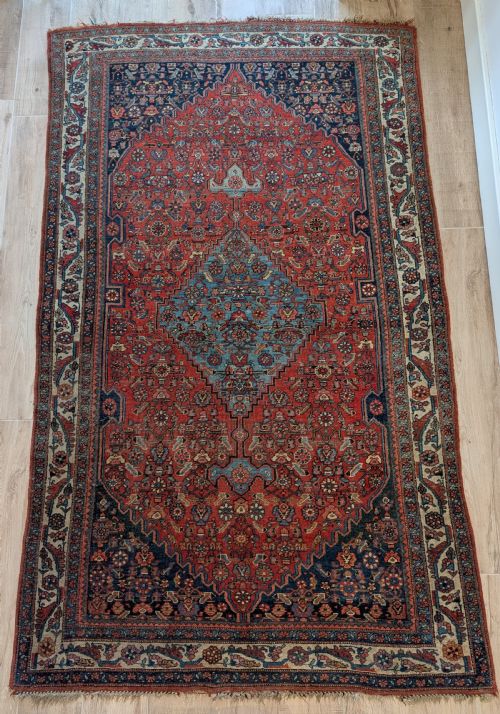
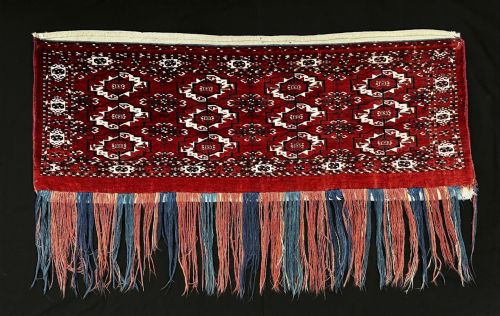
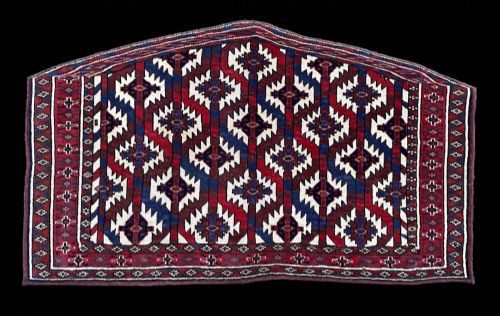
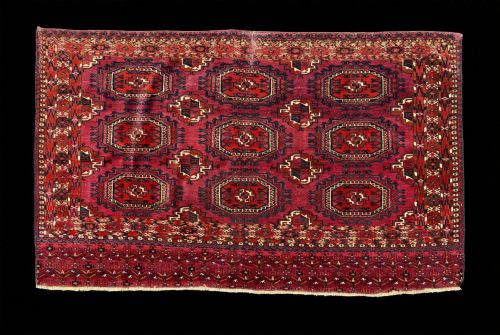
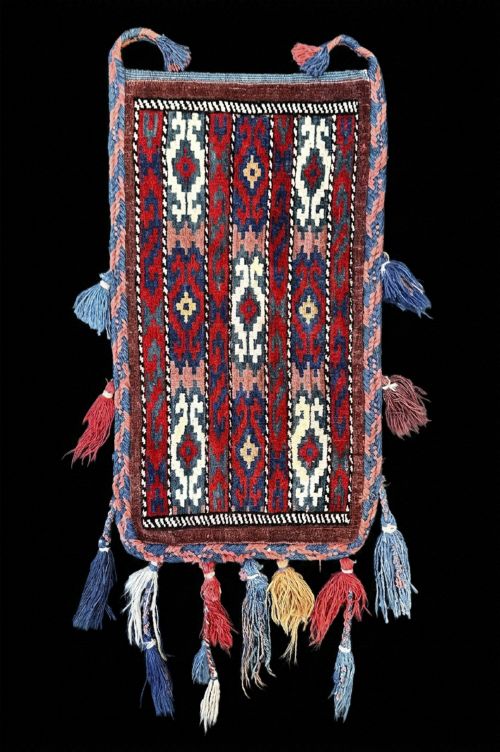
The selection on this page includes tribal works by groups such as the Yomut, Ersary, Tekke, and Lakai tribes, alongside city and village carpets from centres like Sarouk, Isfahan, and Malayer. Buyers most frequently encounter formats ranging from small saddle rugs and asmalyks to room-sized carpets.
How they were made
Weavers utilised natural materials including hand-spun wool, cotton, and silk, often combined with natural dyes to achieve deep colour palettes. Certain ceremonial pieces incorporate felted wool or distinct embroidery threads applied to cotton foundations.
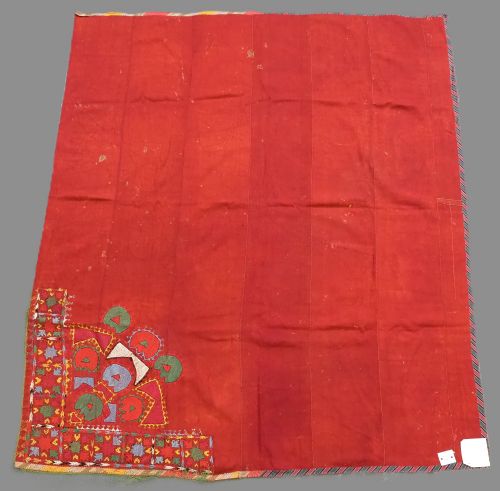
Construction techniques vary from pile knots in carpets to flat-woven structures and detailed needlework seen on dowry embroideries and wall hangings. Artisans executed geometric tribal guls, medallion layouts, and architectural motifs specific to their respective regions.
Antique Central Rug Retail Price Guide 2026
Typical asking prices for central rug among the pieces listed under this phrase on Sellingantiques today, from the lower quarter to the upper quarter. They describe what is for sale here now, not the wider market.
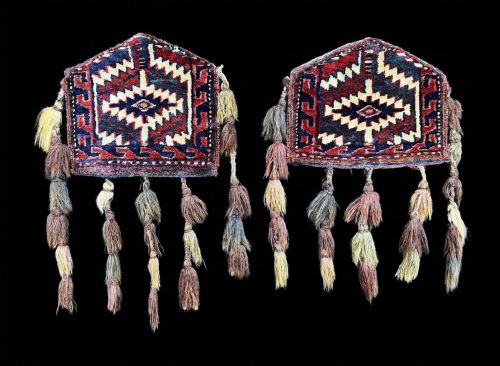
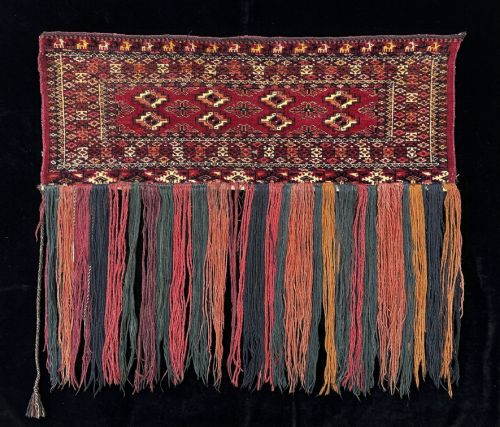
Several textiles in the collection were designed specifically to adorn horses during Central Asian ceremonial processions and weddings.
What varies in quality
Quality rests on the integrity of the materials, the clarity of natural dye colours, and the precision of the knotting or embroidery. Early examples often display greater depth in tone and tighter structural density.
The artistic strength of the design, whether a complex tribal gül or a balanced Persian medallion layout, dictates the standard of the piece. Preservation of the original edges, pile height, and textile structure also influences desirability.
The Antique Central Rug Glossary
- Gul
- A repeating octagonal or heraldic motif found predominantly in Turkmen carpet design. These emblems often identify the specific tribe or clan that wove the textile.
- Suzani
- A type of embroidered tribal textile originating from Uzbekistan, traditionally stitched in silk on a cotton ground. These large panels formed part of a bride's dowry.
- Asmalyk
- A pentagonal trapping produced by the Yomut and other Turkmen tribes, historically mounted on the flanks of ceremonial wedding camels. They feature intricate geometric field patterns.
- Beshir
- A subgroup of Ersari Turkmen carpets known for incorporating unusual botanical motifs and prayer designs influenced by neighbouring traditions along the Amu Darya region.
- Khaden
- A small Tibetan rug traditionally used as a sleeping mat or seating rug. These pieces display distinct yellow grounds and Buddhist symbolic iconography.
Antique Central Rug: Frequently Asked Questions
How were antique central rugs used originally?
Many of these textiles served practical and ceremonial functions in nomadic and village households as floor carpets, tent door hangings, and sleeping mats. Others formed essential components of wedding dowries or adorned horses during tribal ceremonies.
Nomadic communities relied on durable wool construction to insulate living spaces against harsh steppe climates. Specialised items like asmalyks and horse covers were reserved for festive processions and tribal celebrations.
How do I care for an antique central rug?
Protect wool and silk textiles by maintaining stable indoor humidity levels and keeping pieces away from direct, prolonged sunlight. Gentle vacuuming without a rotating brush roll helps remove embedded dust from the pile.
Professional specialist cleaning is recommended for antique carpets rather than standard domestic washing. Rotating the rug periodically ensures even exposure to foot traffic and light.
How can I tell tribal rugs apart?
Tribal attributions rely on identifying specific structural traits, secondary colours, and repeating motifs such as guls. Groups like the Yomut, Ersary, and Lakai each maintained distinct graphic vocabularies passed down through generations.
Examining the weave density, edge finishes, and foundation materials helps distinguish between nomadic workshop practices and sedentary village production.