
Antique Carved Wood Art
Antique carved wood art spans centuries of skill, offering figures, panels and objects that bring tactile warmth and character to a room.
Antique Carved Wood Art
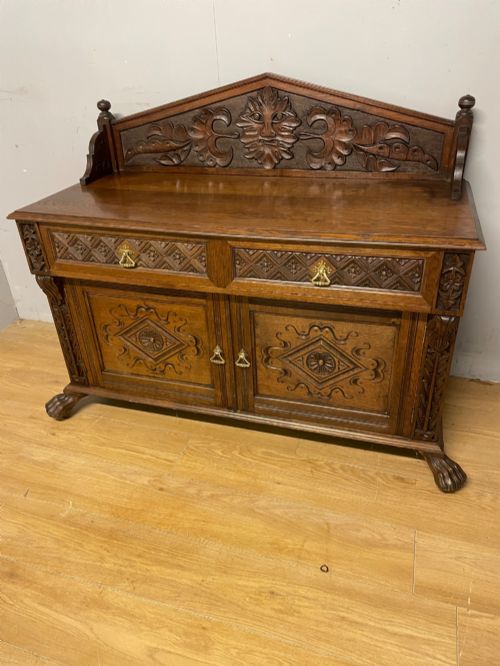
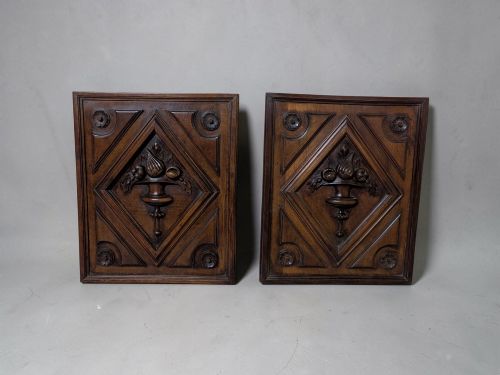
Antique carved wood art comprises sculptures, panels, furniture details and decorative objects created across the nineteenth and twentieth centuries, alongside earlier examples. You will frequently encounter nineteenth-century folk art, domestic treen and architectural fragments on this page.
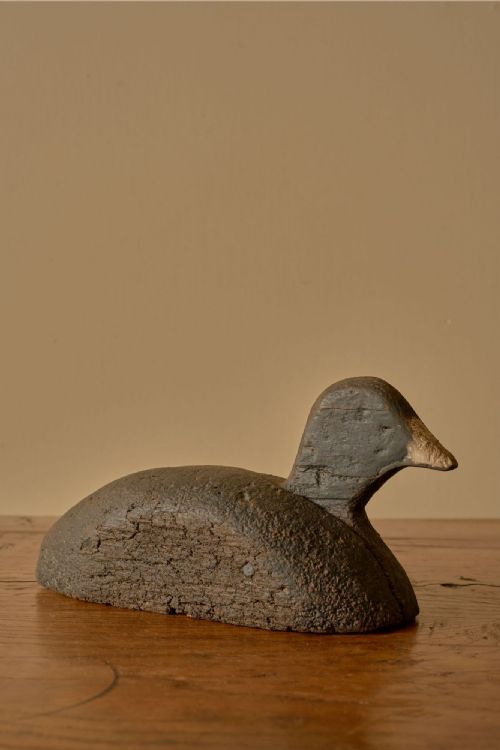
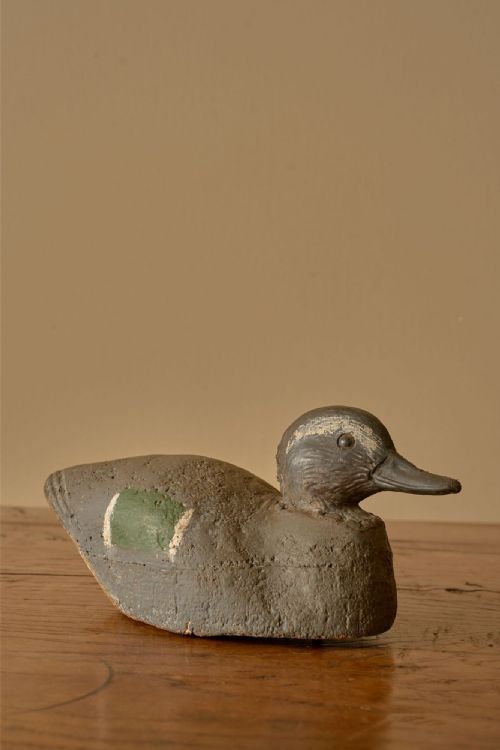
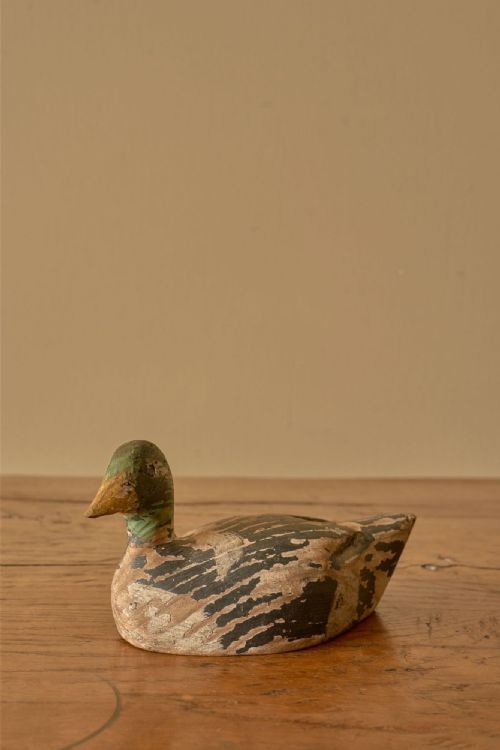
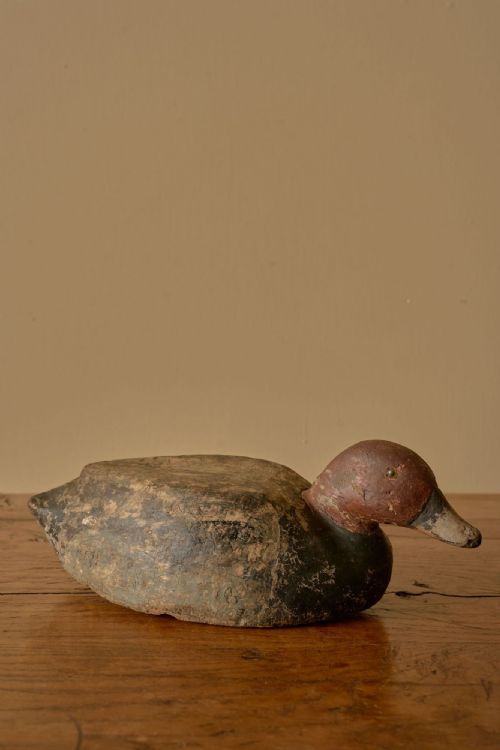
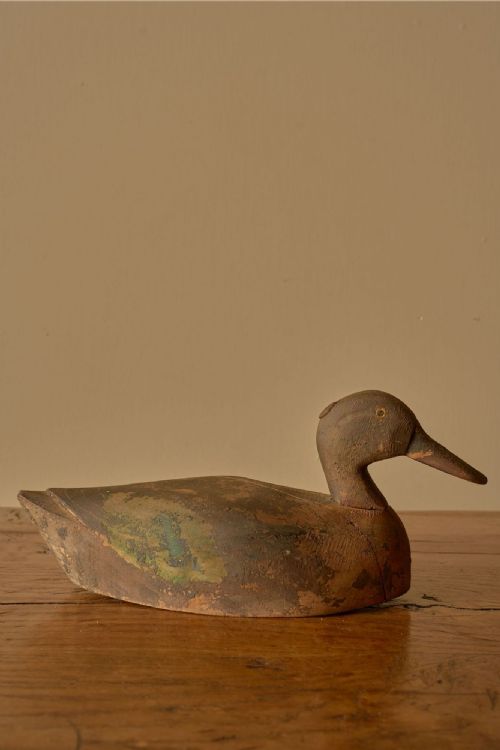
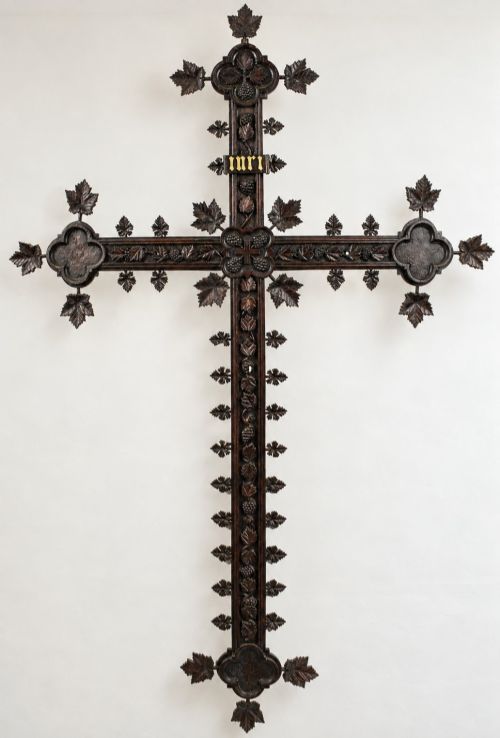
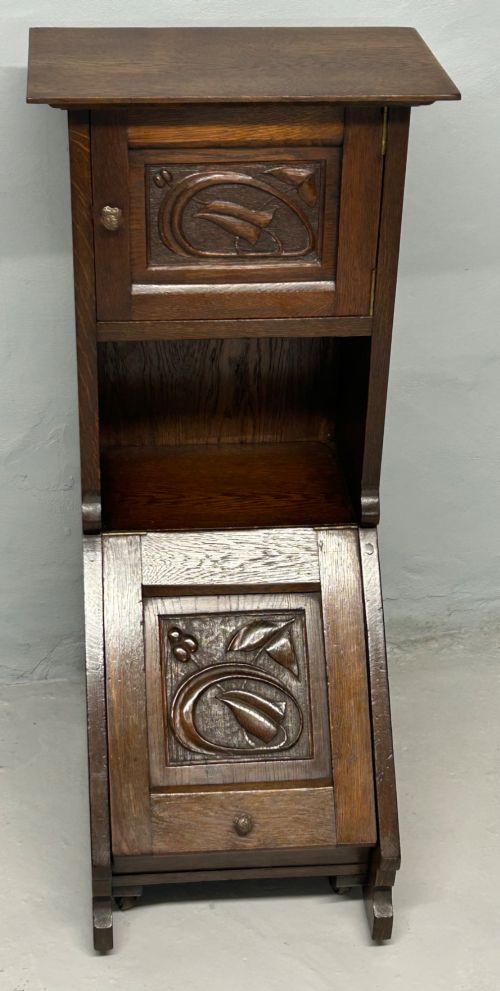
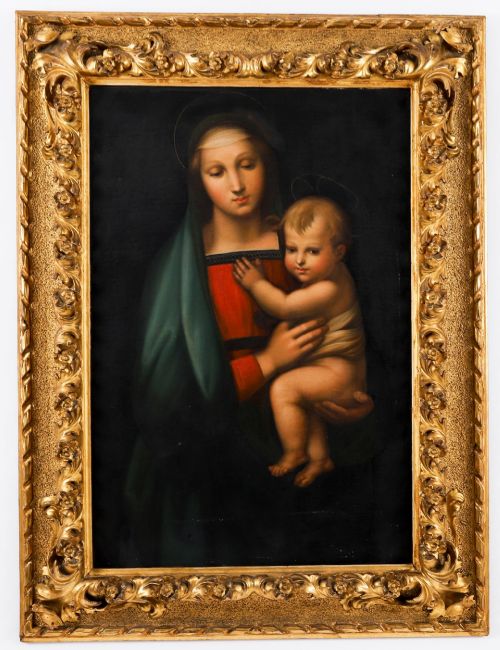
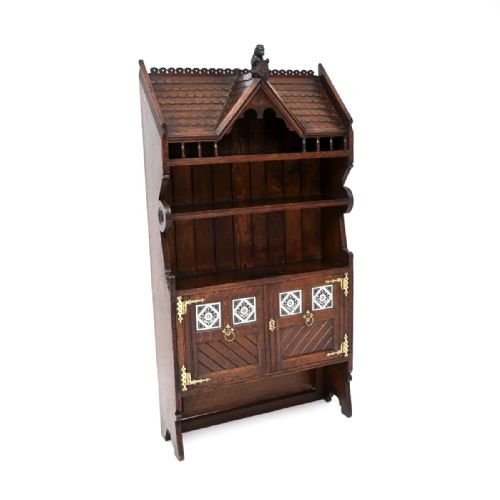
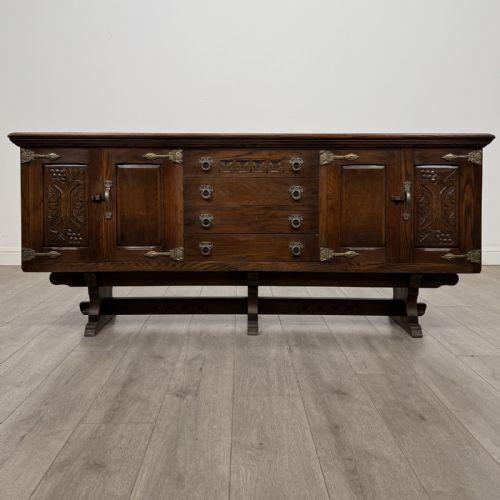
The selection extends from utilitarian items like snuff boxes and duck decoys to devotional sculptures, walking canes and elaborate picture frames. These pieces reflect both vernacular traditions and formal design movements like Art Nouveau and Arts & Crafts.
How they were made
Maker utilisation of native hardwoods such as oak, walnut, boxwood and fruitwood determined the scale and definition of the carving. Artisans employed hand chisels and gouges to shape the timber, sometimes applying gesso, gold leaf or paint to the finished surface.
Techniques ranged from the naive chip carving of domestic items to the precise, deep relief work seen on architectural panels and figural sculptures. Many objects incorporate secondary materials like bone, brass or glass to complement the wooden structure.
Listings feature items shaped from oak, walnut, boxwood, fruitwood, linden and limewood.
What varies in quality
Quality rests upon the confidence of the hand behind the chisel, distinguishing fluid, expressive figural work from stiff or hesitant cutting. Proportions, depth of relief and the preservation of crisp detail across the timber grain define the standing of each piece.
The integration of material and form also dictates value, where the natural figuring of walnut or oak enhances the sculptural design. Condition plays a part, particularly the survival of original surface treatments like gilding, paint or polished patination.
The Antique Carved Wood Art Glossary
- Treen
- Small handmade wooden objects for domestic or personal use. This category includes items such as snuff boxes, love spoons and knitting sheaths.
- Gesso
- A plaster-like mixture applied to wood surfaces as a smooth base for gilding or painting. It is frequently found on Victorian picture frames.
- Netsuke
- A small Japanese carved toggle used to secure small pouches worn on traditional garments. They are typically rendered in boxwood or hardwood with intricate detail.
- Folk art
- Utilitarian or decorative objects made by self-taught or provincial artisans. These pieces often display charmingly direct carving styles.
- Decoy
- A carved and painted wooden bird or animal used historically in hunting. Examples range from working working duck decoys to decorative pigeons.
Antique Carved Wood Art: Frequently Asked Questions
How do I care for antique carved wood?
Keep wooden pieces away from direct heat sources and sudden humidity changes to prevent splitting. Dust gently with a dry, soft cloth and avoid modern silicone polishes.
Apply a microcrystalline wax sparingly only when the timber appears dry, buffing it gently to maintain the natural sheen of the surface.
How do I identify folk art carvings?
Folk art pieces generally display a direct, unpretentious approach to form and detail rather than strict adherence to academic proportions. Makers often worked with locally available timbers like fruitwood or pine.
Signs of age include honest wear from handling, tool marks left by the maker and dry, patinated surfaces built up over generations.
Are these pieces signed by makers?
While the majority of antique wooden items remain anonymous, certain sculptural works, netsuke and specialised items bear signatures, initials or dates. These inscriptions are sometimes found carved discreetly into the base or back.
Signed pieces often point to specific folk artists, prisoners of war or skilled studio carvers working within distinct regional traditions.