

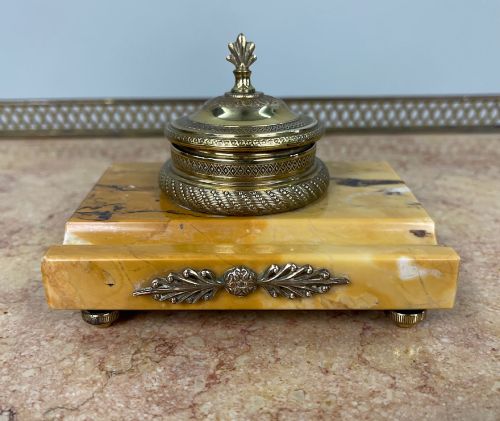
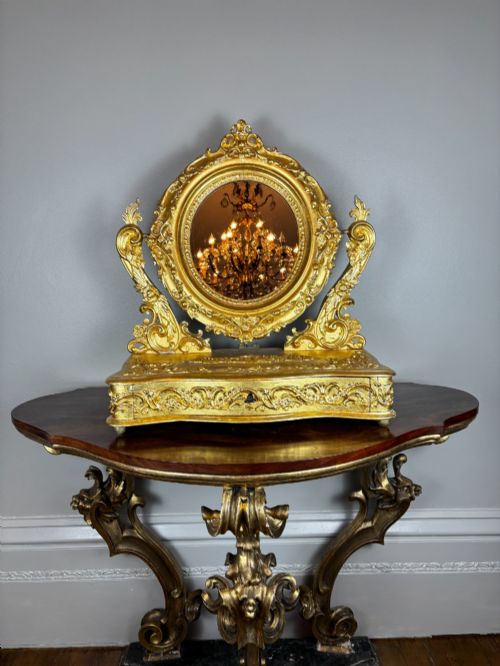
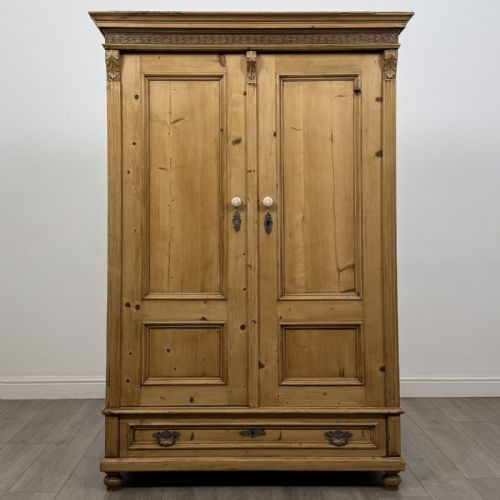
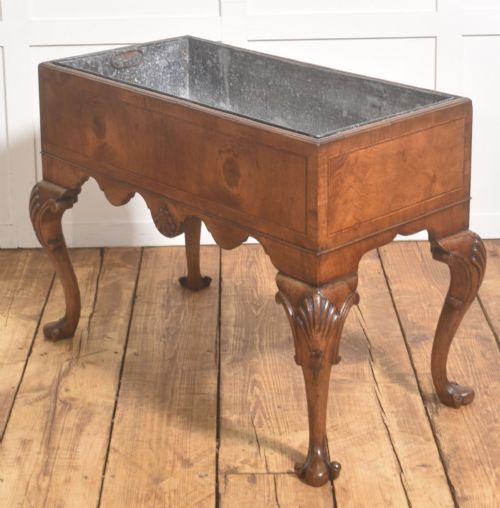
Antique Carved Stand
An antique carved stand brings functional sculpture into a room, offering a dedicated perch for plants, urns, or lamps.
Antique Carved Stand
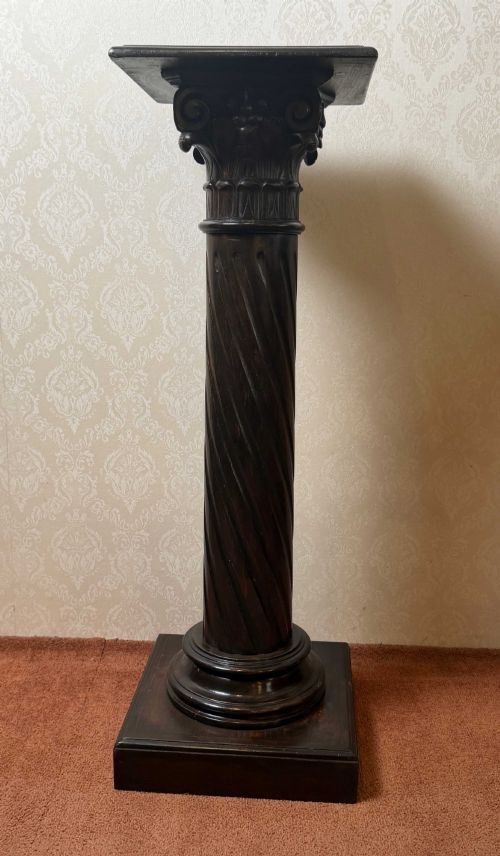
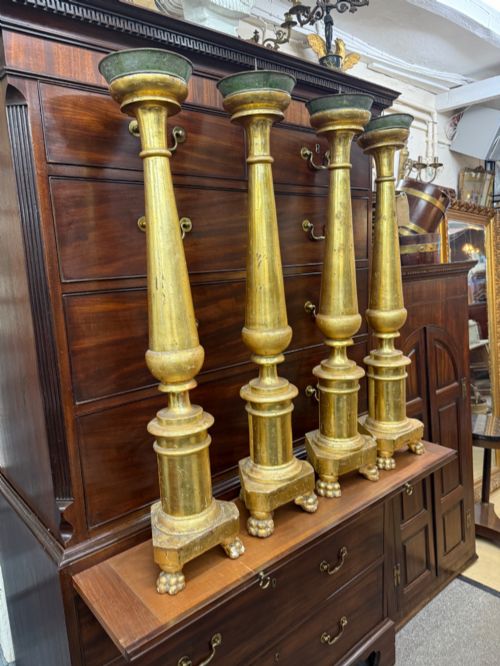
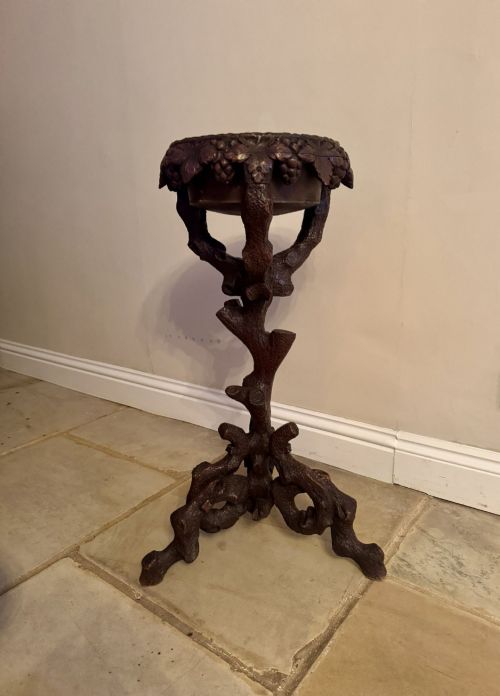
An antique carved stand encompasses pedestals, plant stands, torcheres, and urn supports designed to elevate decorative objects within a room. Buyers searching this phrase encounter diverse formats ranging from tall wooden columns to low occasional tables with carved detail.
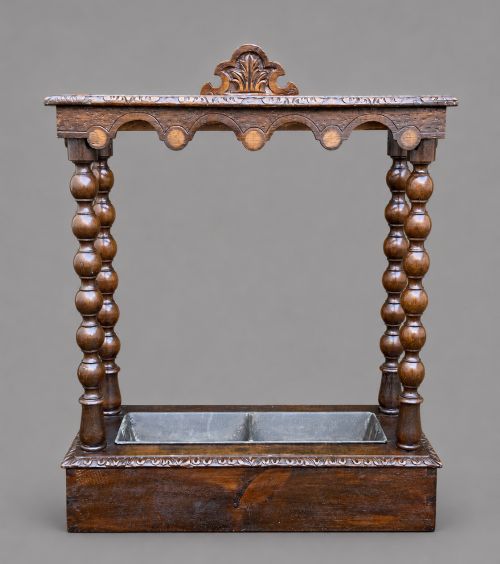
The selections span the nineteenth century, the Victorian era, and the Edwardian period, with stylistic expressions covering Arts and Crafts, Jacobean Revival, and Italian carving. Oak, mahogany, and walnut dominate the structural forms across these historical periods.
Tall pedestals and tripod candle stands serve specific display functions, while plant stands and torcheres utilise shaped tops to hold botanical specimens or lighting. Each piece reflects the interior display habits of its manufacturing era.
Materials and construction
Cabinet makers utilised dense hardwoods such as oak, mahogany, walnut, and rosewood to ensure stability in tall, narrow furniture forms. Grain patterns in burr walnut and kingwood added visual texture to table tops and pedestals.
Manual carving techniques defined the ornamentation, producing gadrooned edges, foliage, and structural supports executed entirely by hand. Turned shafts and tripod bases provided structural balance without obscuring the decorative woodwork.
Antique Carved Stand Retail Price Guide 2026
Typical asking prices for carved stand among the pieces listed under this phrase on Sellingantiques today, from the lower quarter to the upper quarter. They describe what is for sale here now, not the wider market.
Listings feature woods like oak, mahogany, walnut, rosewood, and burr walnut across Victorian and Edwardian periods.
Markers of distinction
The depth and crispness of the hand carving separate standard production pieces from exhibition quality examples. Superior craftsmanship shows in the clean relief of floral motifs and the precise turning of support columns.
Selection of timber grade dictates overall refinement, with figured mahogany and burr walnut indicating superior workshop standards. Construction integrity, seen in solid joints and stable tripod bases, governs the enduring utility of each piece.
Liberty & Co·James Shoolbred·Bulstrode Cambridge
The Antique Carved Stand Glossary
- Torchere
- A tall ornamental stand designed specifically to support a lamp or candle. These pieces typically feature slender shafts raised on tripod or pedestal bases.
- Gadroon
- A decorative carved moulding consisting of a continuous sequence of convex curves. This ornament frequently appears along the edges of table tops and stands.
- Tripod base
- A three-legged support structure commonly utilised on candle stands and small tables to ensure stability on uneven floors. This configuration allows the stand to rest firmly without rocking.
- Whatnot
- A multi-tiered piece of furniture used for displaying ornaments or books. Examples range from corner formats to freestanding multi-shelf units.
- Pedestal
- An upright architectural support column used to elevate sculptures, urns, or plants. They appear in circular and polygonal configurations across various woods.
Antique Carved Stand: Frequently Asked Questions
What is an antique carved stand used for?
These stands provide elevated surfaces for displaying decorative items, urns, lamps, or plants within domestic interiors.
Historically, tall torcheres and pedestals placed lighting or sculpture at eye level in reception rooms.
How do I identify a Victorian stand?
Victorian pieces often feature dense mahogany or oak construction combined with heavy relief carving and turned elements.
Stylistic cues include gadrooned edges, tripod candle bases, and rich dark wood tones typical of nineteenth-century workshops.
Where should I place a plant stand?
Position them in corners or near windows where natural light supports plant growth while displaying the carved timber.
Ensure the base sits level on flooring to maintain stability for heavier ceramic pots or urns.
Are Edwardian stands different from Victorian ones?
Edwardian examples tend to display lighter proportions, simpler lines, and restrained decorative carving compared to earlier Victorian work.
They frequently utilise mahogany and incorporate subtle edge details like gadroon moulding on occasional tables.