



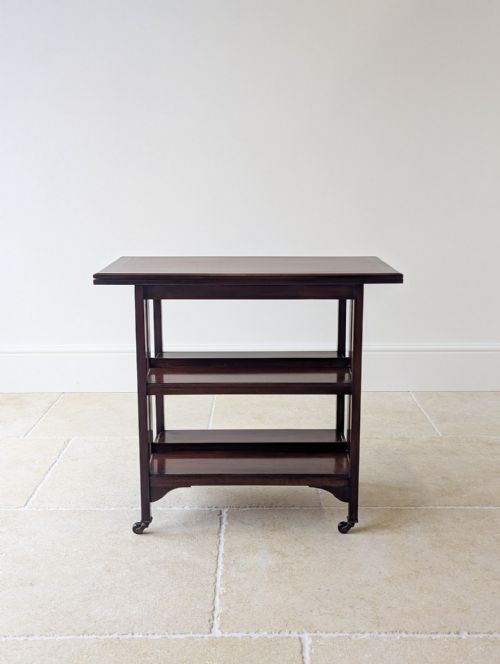
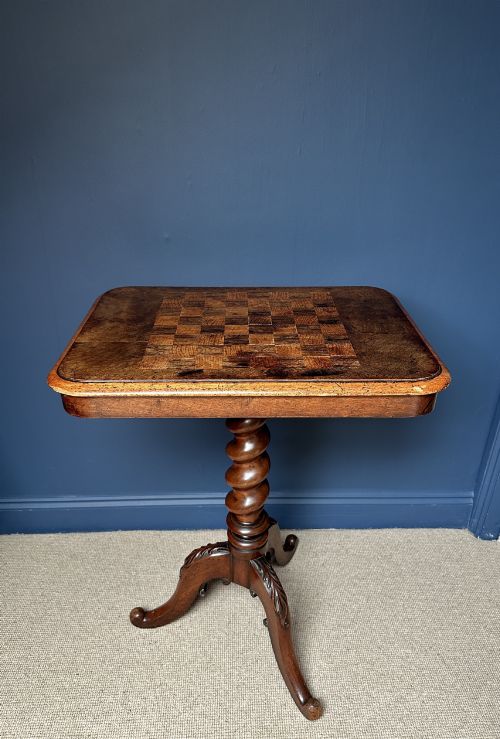
Antique Card Table Base
An antique card table base provides sturdy support and rich timber grain for fold-over games and console surfaces.
Antique Card Table Base
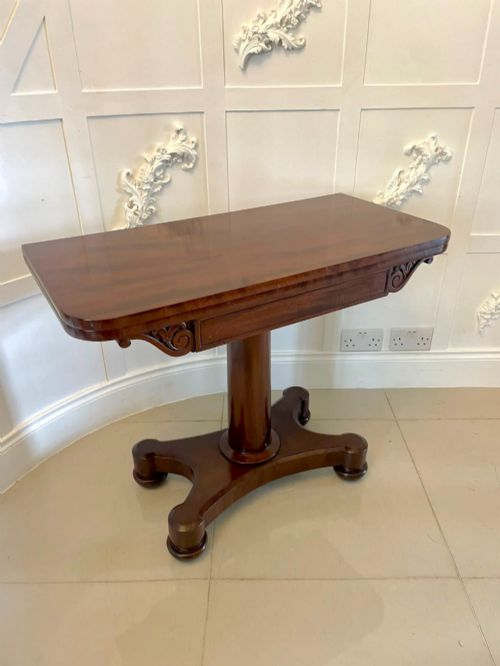
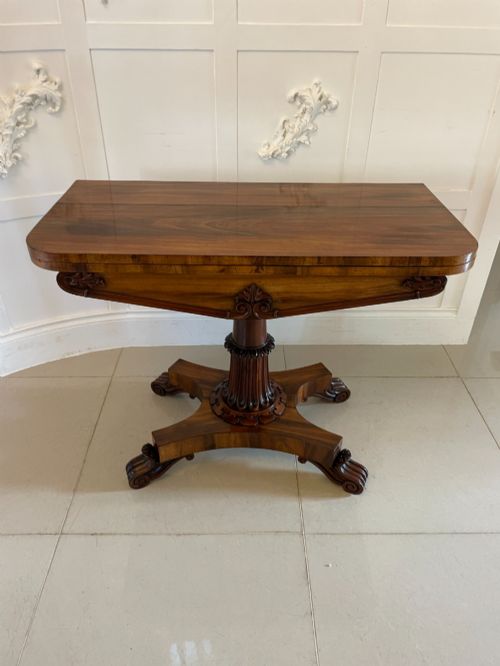
An antique card table base supports fold-over tops designed for gaming, tea, and parlour use across the Georgian, Regency, William IV, and Victorian periods.
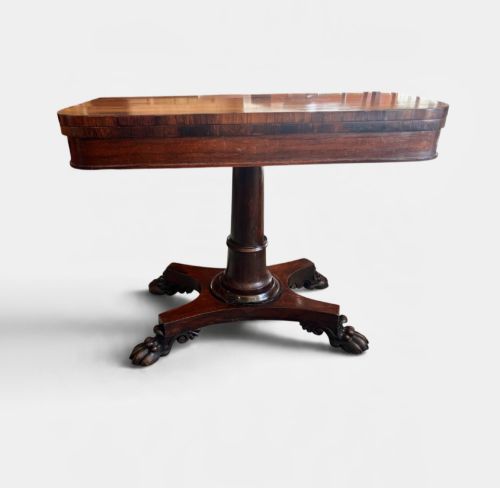
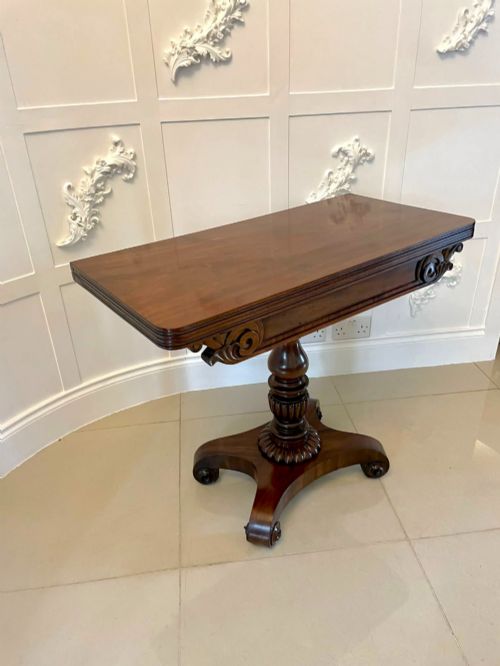
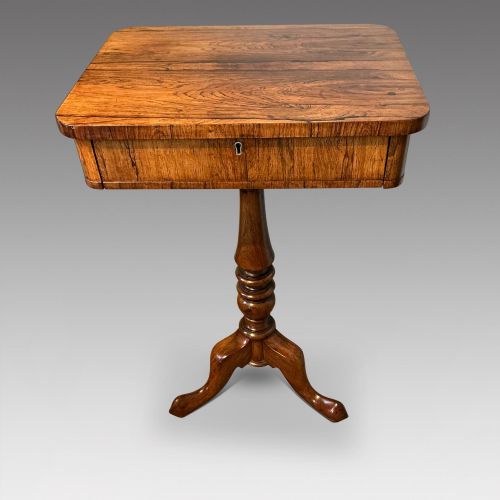
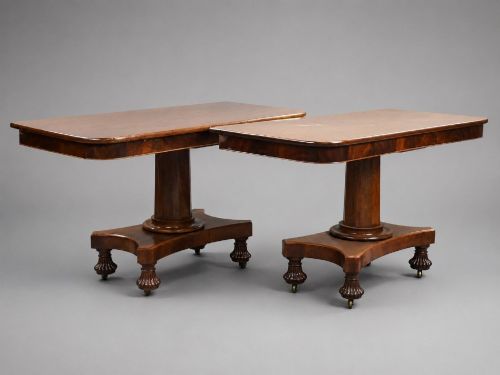
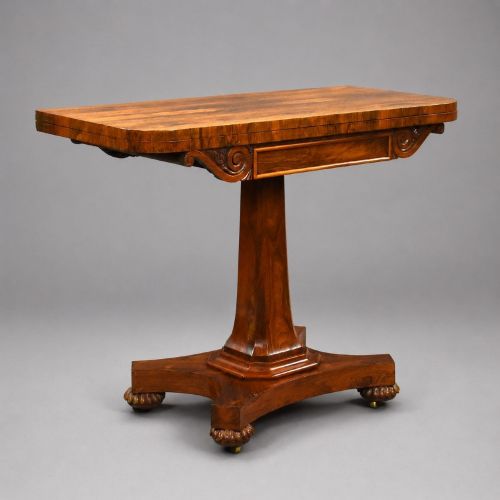
The most common formats on this page are pedestal columns and carved supports holding rosewood, mahogany, and walnut frameworks.
Pieces span from the early nineteenth century through the later Victorian era, frequently doubling as console or side tables when folded.
Materials and Technique
Cabinetmakers utilised dense timbers like mahogany and rosewood, often applying burr walnut or satinwood veneers for decorative impact.
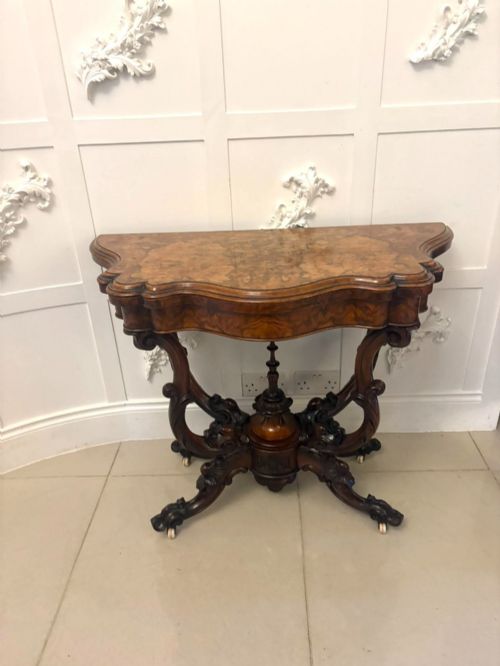
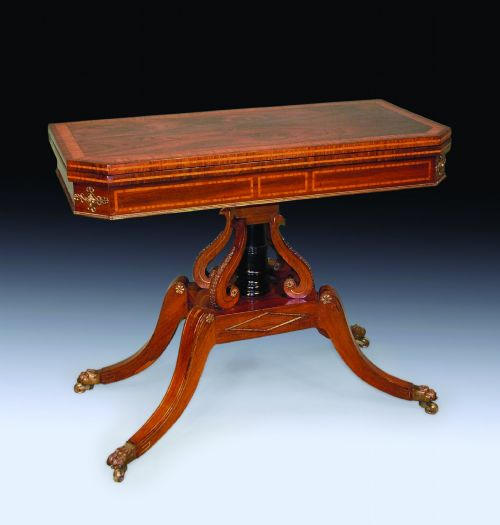
Structural strength relied on turned central pedestals, scroll feet, and carved wooden baskets or lyre supports.
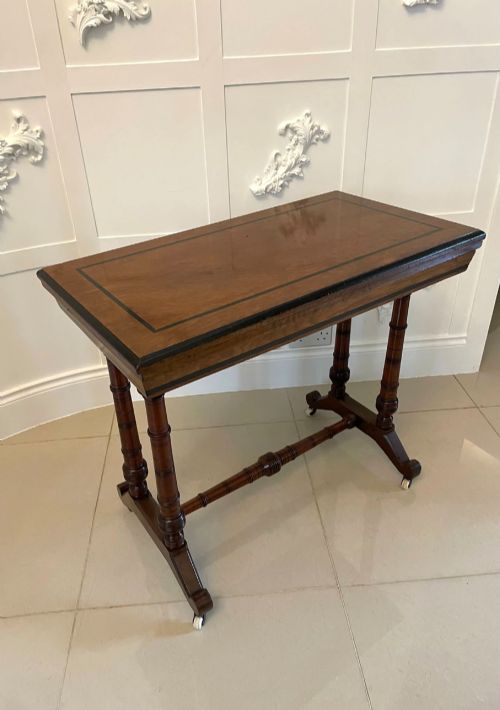
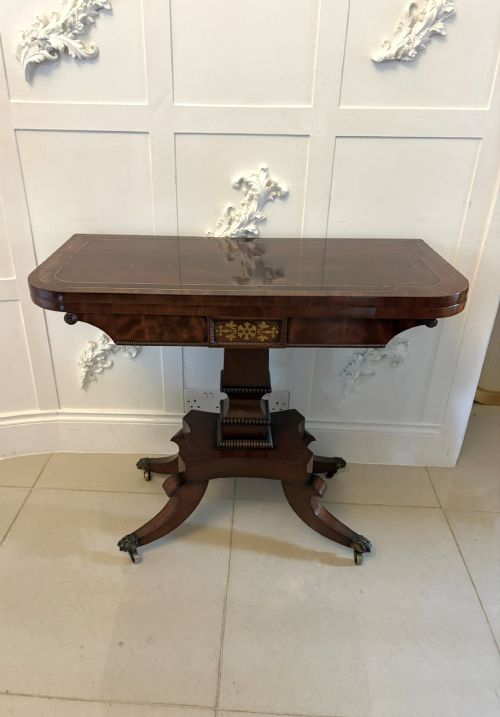
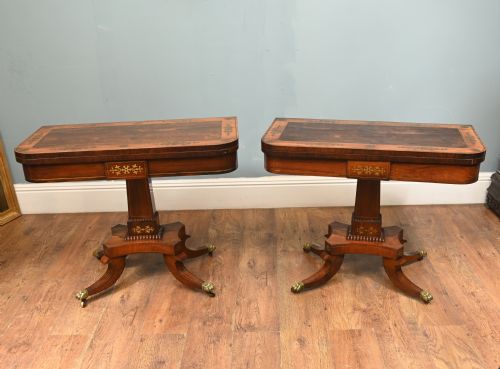
Brass inlay and ebonised detailing frequently accent the primary wood surfaces.
Antique Card Table Base Retail Price Guide 2026
Typical asking prices for card table base among the pieces listed under this phrase on Sellingantiques today, from the lower quarter to the upper quarter. They describe what is for sale here now, not the wider market.
Listings feature rosewood, mahogany, walnut, and burr walnut timbers across the 18th, 19th, and 20th centuries.
Craftsmanship and Design
The distinction between standard workshop items and exceptional examples lies in the depth of carving and figure of the wood grain.
Richer pieces incorporate intricate brass work, marquetry inlay, and sculptural forms such as dolphins or elaborately carved baskets.
Solid timber selection and refined pedestal turning elevate the visual weight and stability of the construction.
The Antique Card Table Base Glossary
- Pedestal base
- A single central column supporting the tabletop, often resting on a platform with carved feet.
- Fold-over top
- A hinged surface that opens to reveal a baize-lined playing area for cards and games.
- Scroll foot
- A curving terminal shape resembling a rolled scroll, typical of Regency and William IV furniture.
- Marquetry
- Decorative patterns formed by fitting together thin pieces of wood veneer on a solid ground.
- Console table
- A wall-mounted or freestanding table designed to sit flat against a room boundary.
Antique Card Table Base: Frequently Asked Questions
What is an antique card table base?
An antique card table base is the structural support framework beneath a fold-over games surface. These include pedestal columns, lyre supports, and four-legged pillar configurations.
They carry the weight of the hinged top and determine the decorative style of the furniture piece, ranging from plain mahogany to heavily carved rosewood.
How do I date a card table base?
Dating relies on timber choice, carving motifs, and structural geometry. Regency and William IV examples frequently use rosewood with brass inlay or carved scroll pedestals.
Victorian pieces often display darker walnut, burr veneers, and more exuberant floral or basket carvings beneath the fold-over top.
Were these bases designed only for cards?
While built primarily to hold fold-over gaming surfaces, many of these tables functioned as tea tables or side consoles. The tops remained closed when not in use.
Owners utilised the flat surface for decorative objects, books, or parlour lamps between gaming sessions.
What woods were used for these bases?
Cabinetmakers predominantly selected mahogany and rosewood during the Georgian and Regency eras. Walnut and burr walnut gained popularity during the Victorian period.
Secondary woods and occasional accents like satinwood, ebony, and brass inlay complete the construction.