

Antique Candelabrum
An antique candelabrum provides multi-branch illumination that brings height and polished metal to a dining table or mantelpiece.
Antique Candelabrum
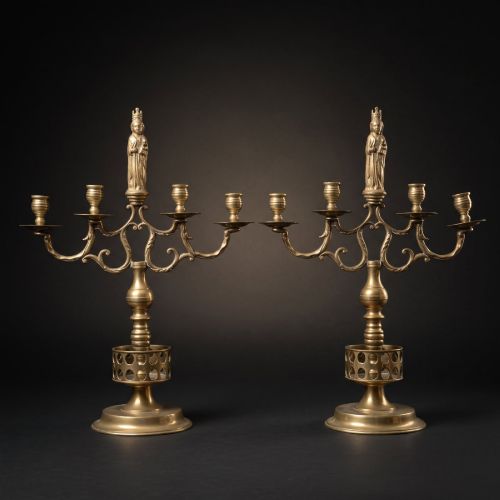
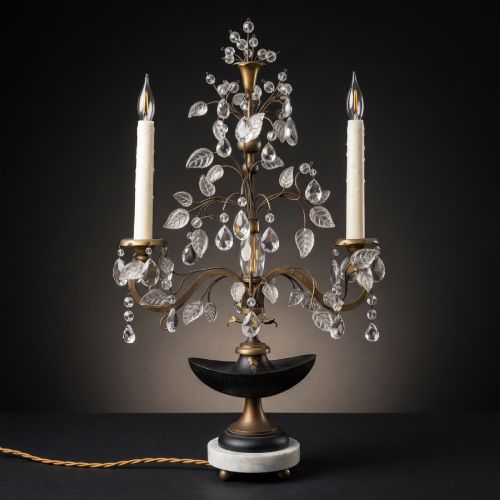
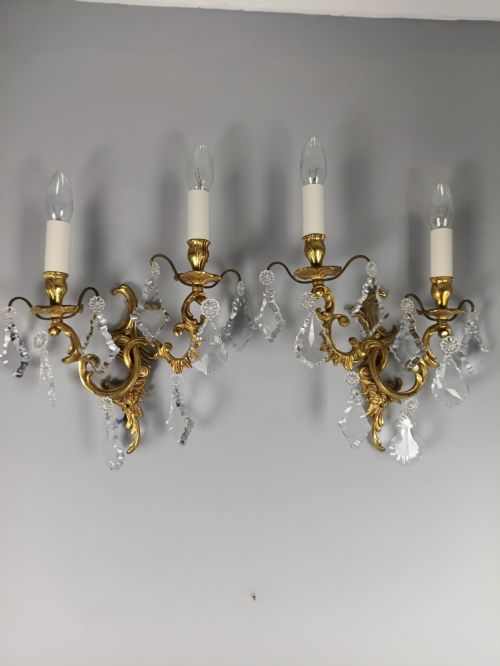
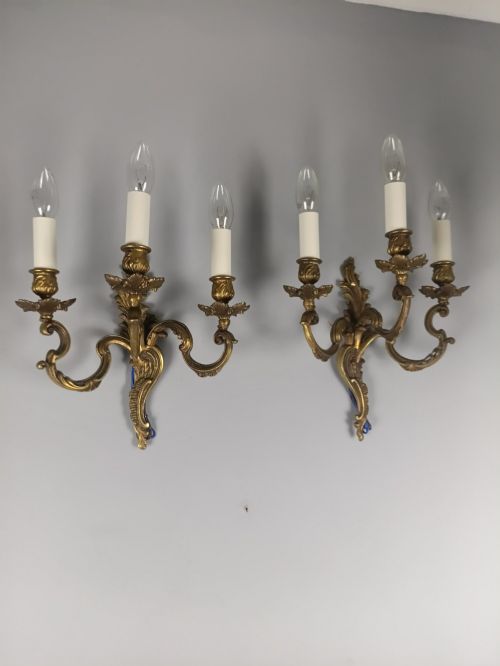
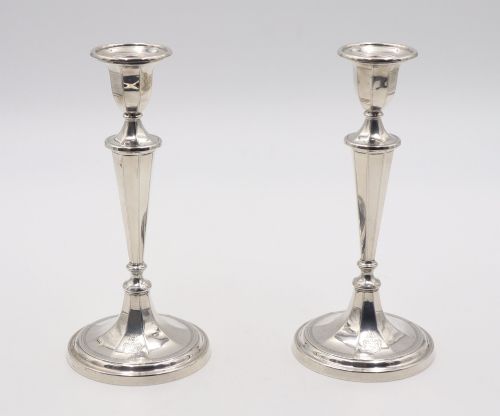
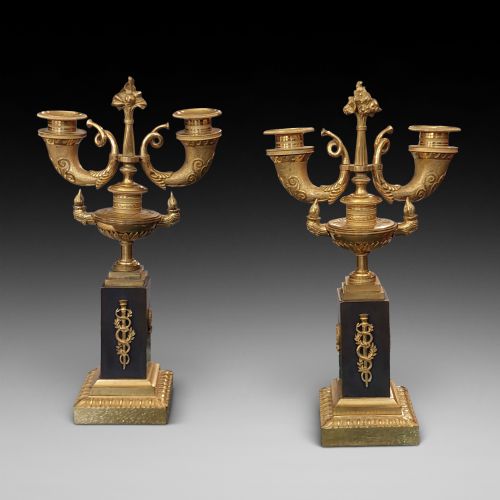
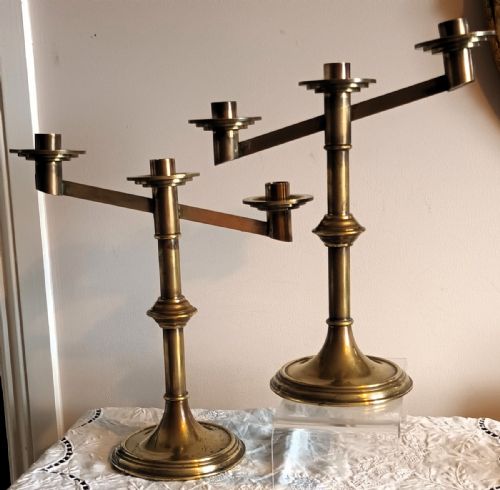
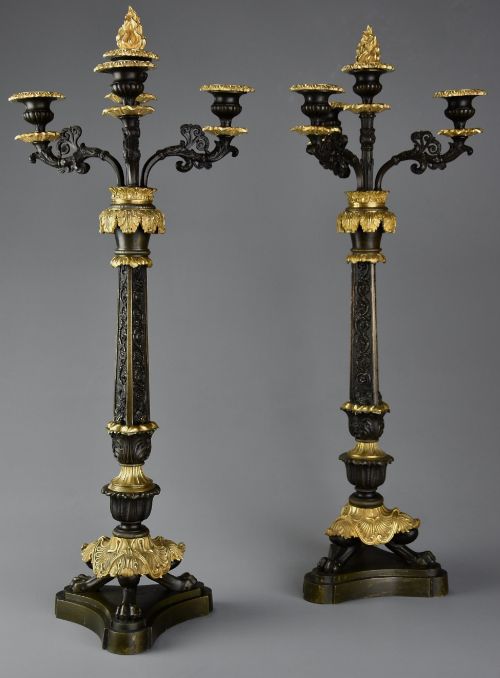
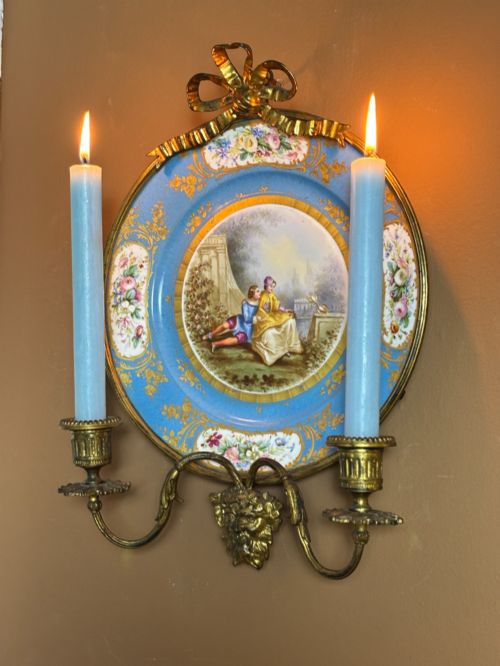
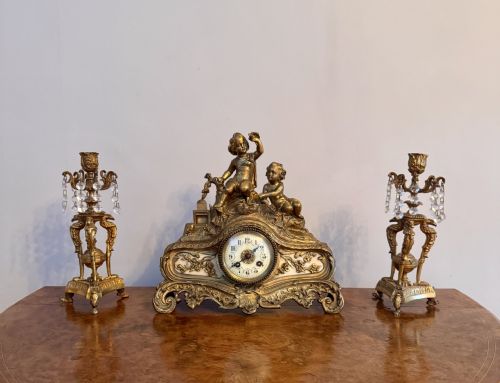
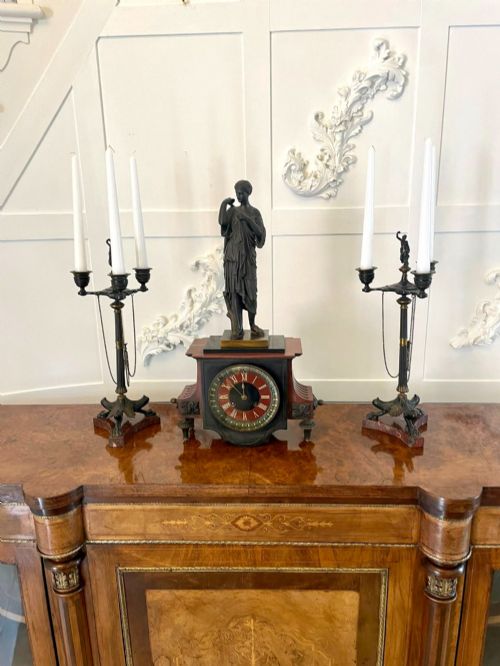
When you search for an antique candelabrum, you encounter branch-bearing light holders spanning the eighteenth, nineteenth, and early twentieth centuries. These pieces originate largely from British and French makers, taking the form of table-standing dining centerpieces, wall sconces, and floor-standing supports.
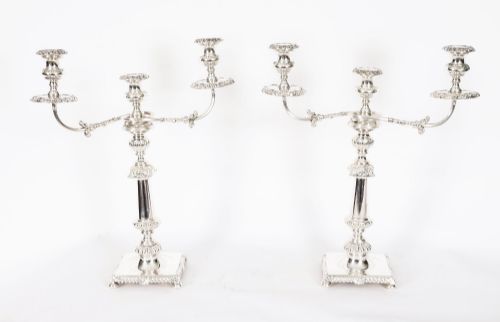
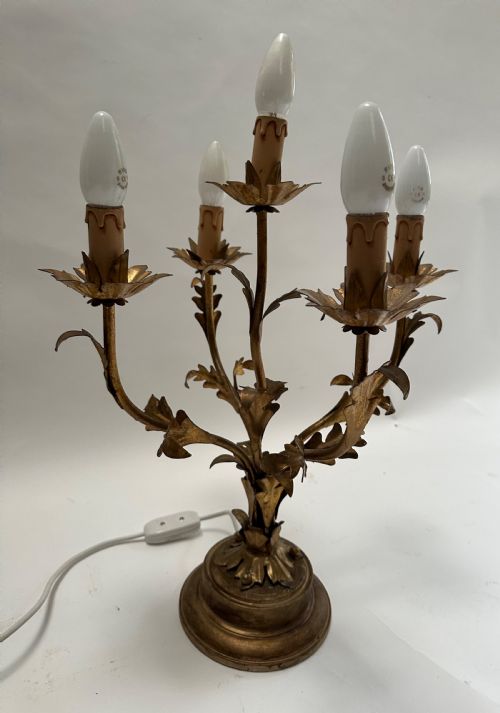
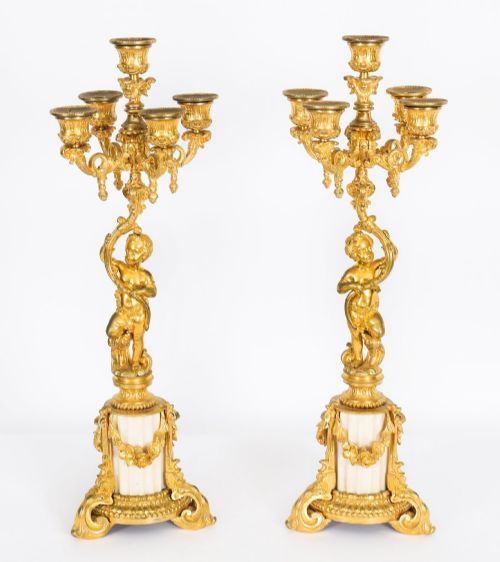
The most common examples on this page are nineteenth-century silver plated and gilt bronze pieces, often wired for electricity or configured with detachable branches. Styles range from heavy Gothic revival and Regency to ornate French Rococo and neoclassical designs.
Materials and Techniques
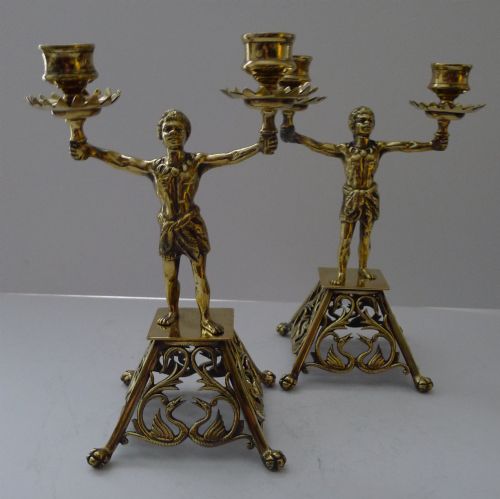
The construction relies heavily on cast metals such as bronze, brass, and ormolu, alongside silver plating techniques applied to base metals. Foundry work often involves patinated or gilt bronze combined with structural elements of white marble, cut glass, and occasionally carved wood.
Makers assembled these multi-light structures from modular components fixed with threaded screws and pins, allowing individual sconces and drip pans to be separated for cleaning and silver maintenance.
Antique Candelabrum Retail Price Guide 2026
Typical asking prices for candelabrum among the pieces listed under this phrase on Sellingantiques today, from the lower quarter to the upper quarter. They describe what is for sale here now, not the wider market.
Common forms include dining table centrepieces, wall sconces, and converted floor lamps across various revival styles.
Craftsmanship and Proportion
Quality rests in the crispness of the casting detail on the acanthus leaves, figures, and floral motifs, where finer examples retain sharp chiseled definition rather than soft, smoothed edges. Weight and stability also separate robust foundry pieces from lighter domestic productions.
The harmony of proportion between the central stem, the sweeping arms, and the drip pans dictates the visual success of the piece. Superior examples maintain balanced symmetry across all branches and retain original matching sconces.
Barbedienne·Francois Redmond·Pierre Philippe Thomire·Hawksworth Eyre·Garrard and Co·Matthew Boulton
The Antique Candelabrum Glossary
- Candelabrum
- A large branched candlestick designed to hold multiple candles on a single base.
- Ormolu
- Finely ground high-carat gold applied to a bronze base through a mercury amalgamation technique, yielding a warm, durable finish.
- Sconce
- A detachable nozzle or cup fitted into the drip pan to hold the base of the candle securely.
- Garniture
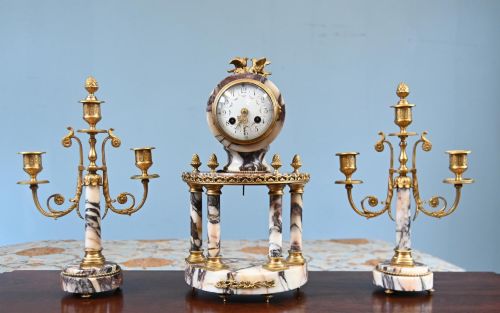
- A set of three matching ornamental objects, typically comprising a central clock flanked by matching candelabra or vases.
- Old Sheffield Plate
- A fused composite material made by melting a sheet of sterling silver onto a thicker copper core, used before modern electroplating.
Antique Candelabrum: Frequently Asked Questions
How do I clean a silver plated candelabrum?
Use a soft cloth and a specialised silver cream designed for plated items to remove tarnish gently without wearing through the thin silver layer.
Avoid harsh chemical dips that strip the underlying base metal and destroy the aged patina in the recessed chased details.
Can these candelabra be used with candles?
Most antique pieces accommodate standard taper candles, provided the sockets and drip pans are clear of old wax deposits.
Check that the structure remains stable on the surface and keep burning candles away from draughts to prevent uneven melting.
How do I distinguish French and British styles?
French examples often lean towards neoclassical or gilt bronze rococo forms with intricate figural mounts and white marble plinths.
British productions frequently utilise heavy silver plating, Sheffield plate techniques, and restrained geometric lines associated with the Regency period.
Are detachable branches original?
Detachable branches were standard in many eighteenth and nineteenth century dining pieces to allow conversion between single candlesticks and multi-light arrangements.
Inspect the seating sockets for matching assembly numbers and consistent wear patterns that confirm the components belong together.