

Antique Cabriole Table
An antique cabriole table brings flowing, double-curved leg lines into a room, offering both practical surface space and distinct period character.
Antique Cabriole Table
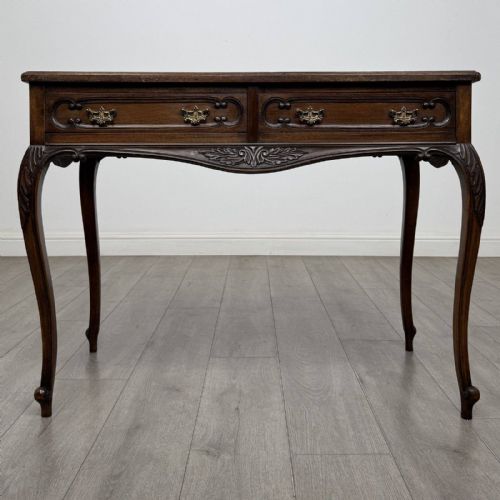
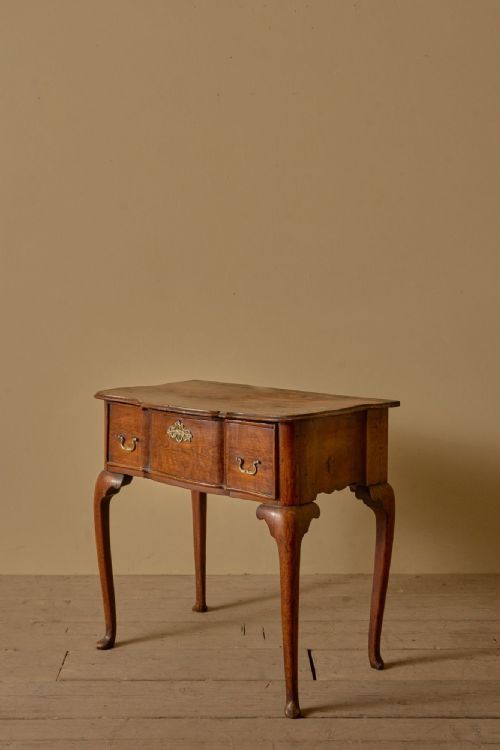
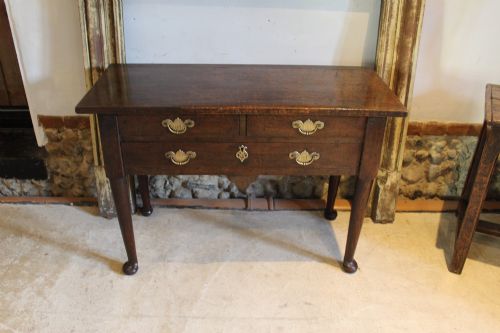
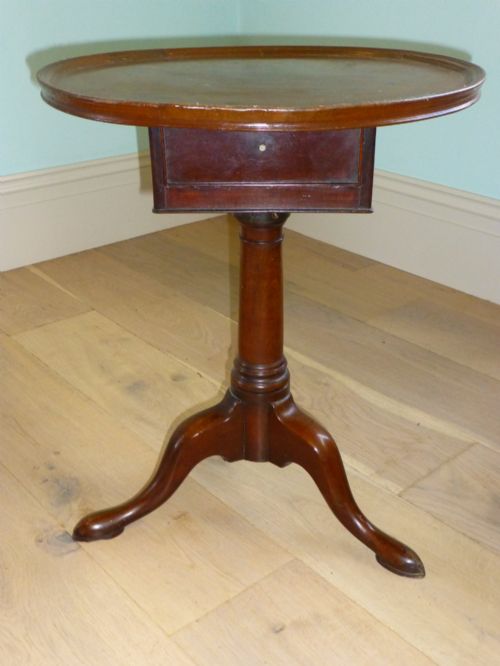
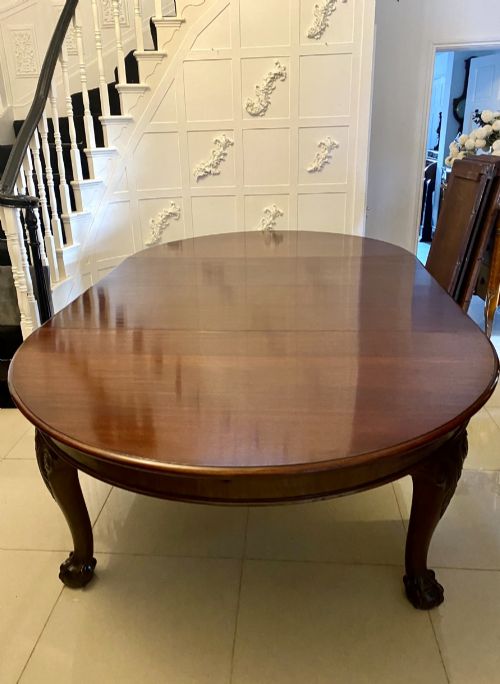
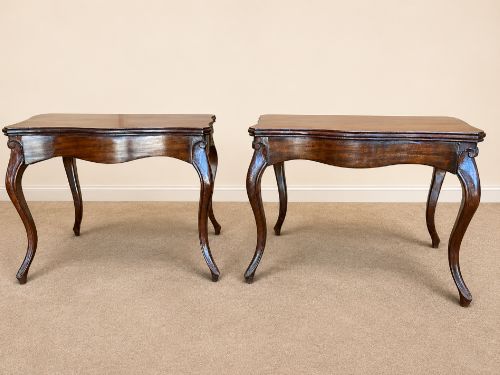
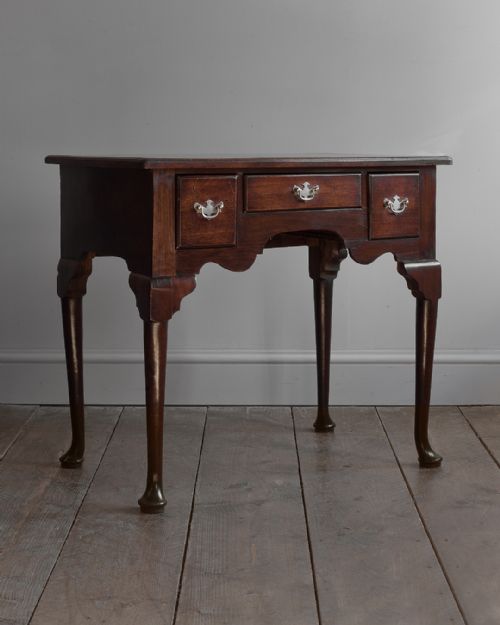
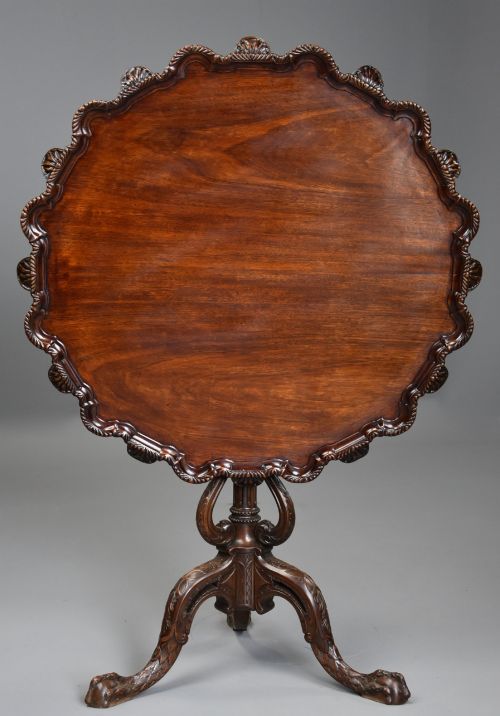
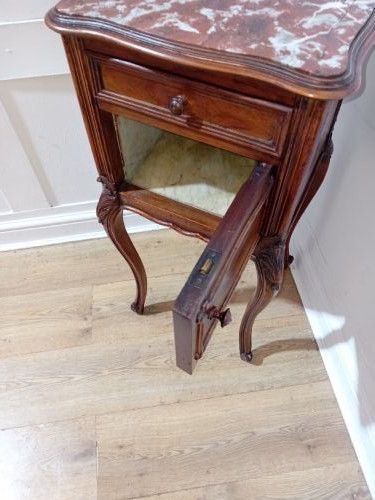
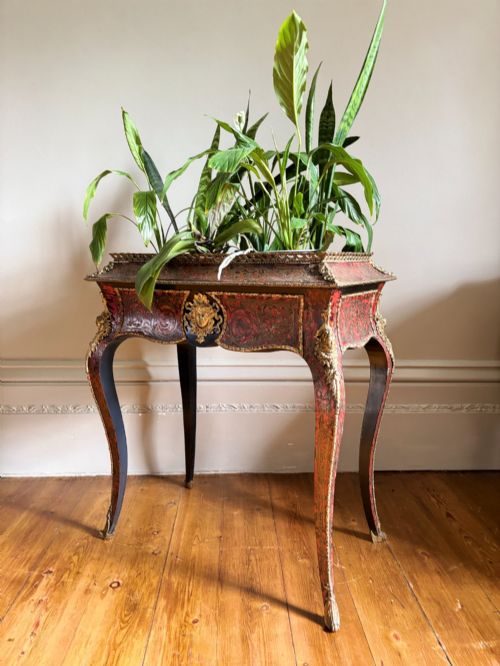
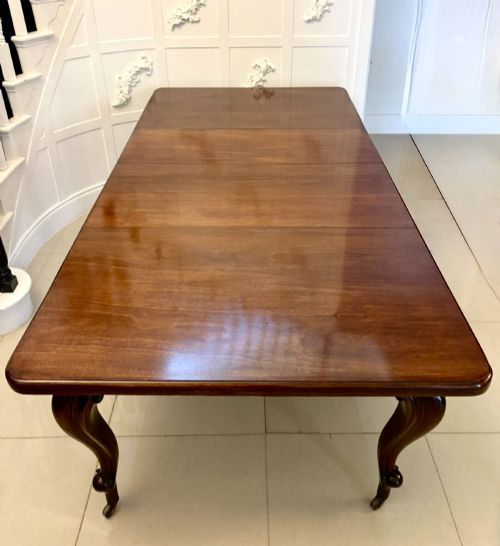
An antique cabriole table encompasses a wide variety of domestic forms, ranging from side tables and lowboys to dining tables, writing desks, and bedside cabinets. The most common examples met here span the eighteenth, nineteenth, and early twentieth centuries, drawing on Georgian, Victorian, Edwardian, and revival aesthetics.
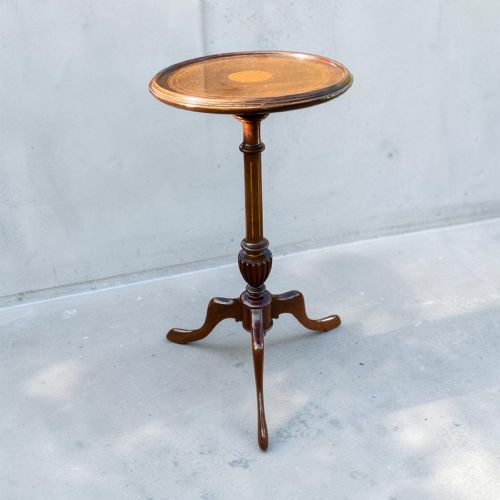
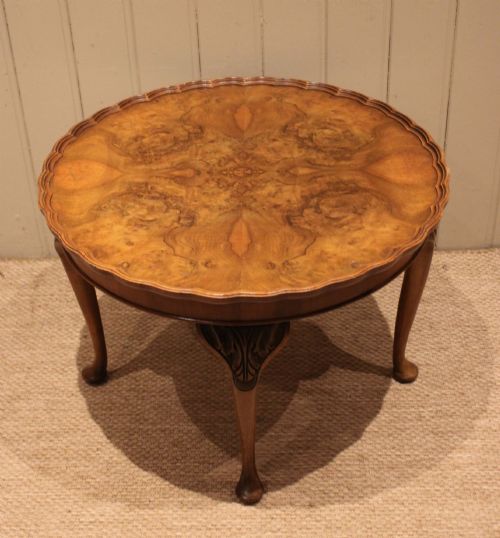
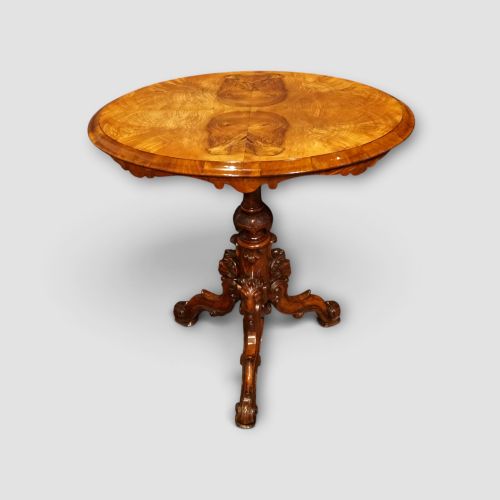
Makers utilised this distinctive leg design across numerous woods and room settings, producing freestanding centre tables, occasional tables, and console tables. Buyers searching this phrase encounter both British walnut and mahogany pieces alongside French oak, cherry, and marquetry-inlaid designs.
Materials and Construction
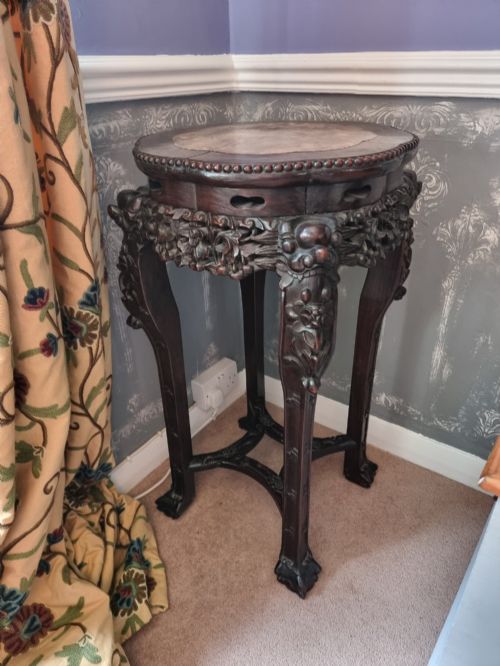
Cabinetmakers constructed these tables using dense timbers such as mahogany, oak, walnut, and burr walnut, frequently embellishing surfaces with marquetry, parquetry, or kingwood veneers. Ormolu mounts and gilt bronze accents often decorated French revival and nineteenth-century pieces.
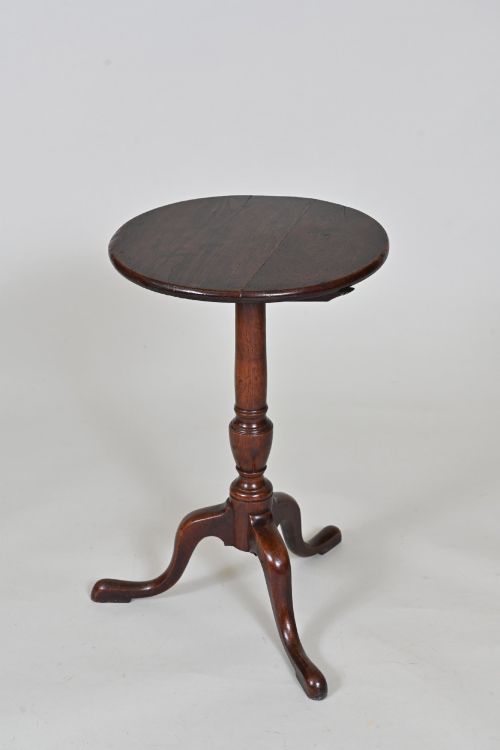
The characteristic cabriole leg was shaped from solid timber to create the outward knee and inward ankle, terminating in pad, claw and ball, or hoof feet. Carpenters joined tops to bases using traditional methods, including tilt-top mechanisms, fold-over hinges, and sturdy framing.
Antique Cabriole Table Retail Price Guide 2026
Typical asking prices for cabriole table among the pieces listed under this phrase on Sellingantiques today, from the lower quarter to the upper quarter. They describe what is for sale here now, not the wider market.
Listings feature oak, mahogany, walnut, and kingwood timbers, spanning the eighteenth century through the Edwardian period and nineteen-thirties.
Evaluating the Pieces
Quality reveals itself in the fluency of the leg carving and the selection of timber veneers, where burr walnut or figured mahogany displays deliberate grain matching. Finer pieces demonstrate crisp detail in surface marquetry and secure, seamless joinery at the knee.
Subtle proportions and balanced curves separate standard workshop output from exceptional examples produced during the Georgian and Victorian periods. The integration of original brass hardware, leather writing inserts, or fire-gilt ormolu mounts further distinguishes superior execution.
The Antique Cabriole Table Glossary
- Cabriole leg
- A furniture leg shaped with a double curve, bulging outward at the knee and tapering inward toward the foot. This design mimics the leap of an animal and originates from ancient Chinese furniture before gaining popularity in Europe.
- Lowboy
- A small eighteenth-century dressing table or side table featuring one or more drawers beneath a flat top. They typically stand on four tall cabriole legs.
- Marquetry
- Decorative veneer work arranged in intricate patterns or pictorial designs using various coloured woods. Craftsmen applied these thin wood sheets to the primary surfaces of tabletops and cabinets.
- Ormolu
- Gilt bronze ornamentation applied to the mounts, feet, or edges of furniture. The technique involves coating cast bronze with a mercury and gold amalgam.
- Parquetry
- Geometric wood inlay forming repetitive patterns such as cubes or chevrons on tabletops. It differs from marquetry by relying strictly on geometric shapes rather than pictorial motifs.
Antique Cabriole Table: Frequently Asked Questions
What periods do these tables come from?
The listings span the eighteenth, nineteenth, and early twentieth centuries, including Georgian, Victorian, and Edwardian eras. Later revival styles from the nineteenth and twentieth centuries also appear frequently.
Craftsmen recreated earlier silhouettes during these later periods, adapting classic forms for contemporary homes while retaining traditional timber construction.
Where were these tables used originally?
These tables served various domestic functions depending on their form, acting as bedside cabinets, writing desks, or serving surfaces in dining and drawing rooms. Lowboys functioned as dressing tables or small side tables in bedchambers.
Freestanding centre tables and console tables occupied prominent positions in entrance halls and reception rooms to display decorative objects.
Are these tables suitable for daily use?
Solid timber construction and durable veneers allow these tables to withstand regular daily activities such as writing, dining, or holding bedside lamps. Occasional tables and desks integrate easily into modern home offices and living spaces.
Careful placement away from direct heat sources and sunlight protects the polished wood surfaces and historical finishes over time.