
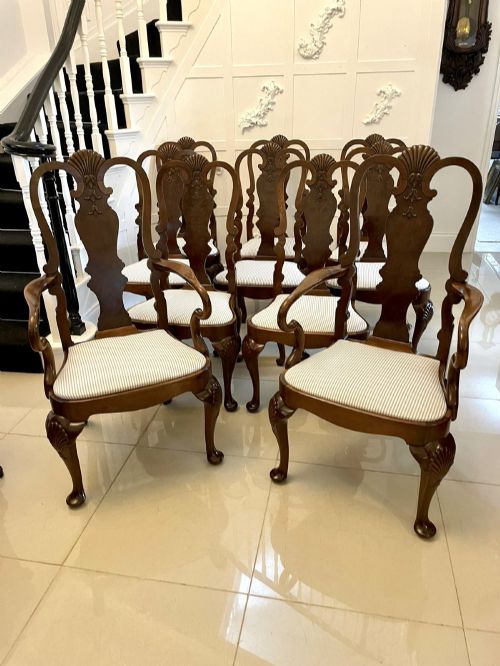
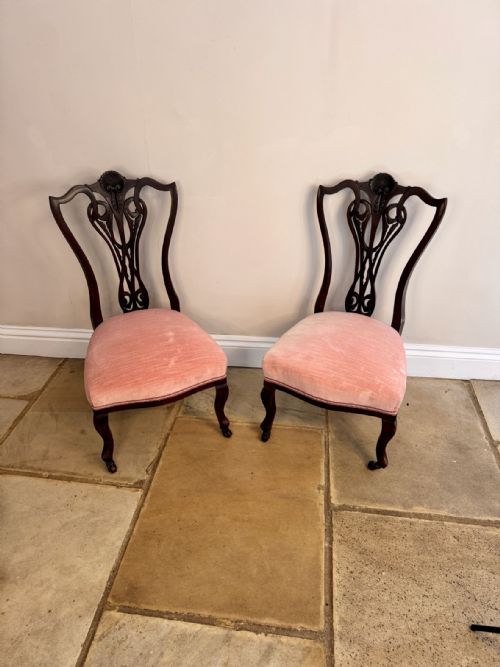
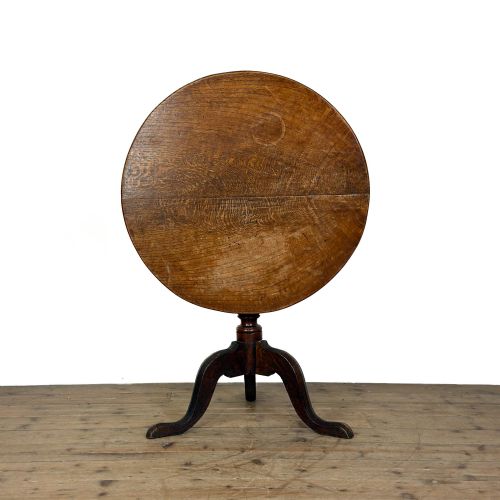
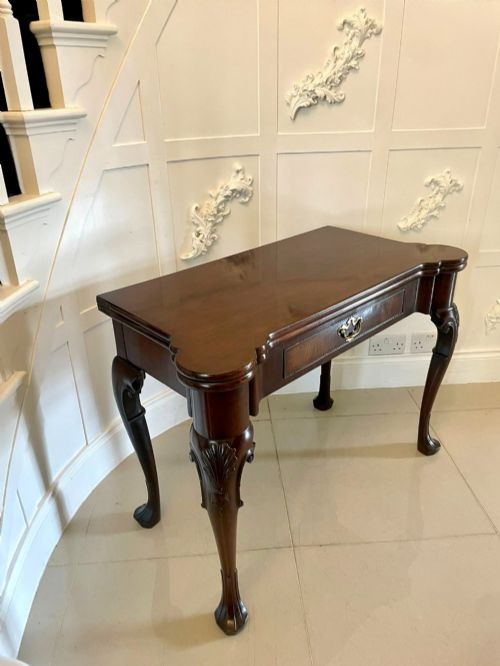
Antique Cabriole Legs
Antique cabriole legs define seating and tables with an S-curved sweep derived from animal forms.
Antique Cabriole Legs
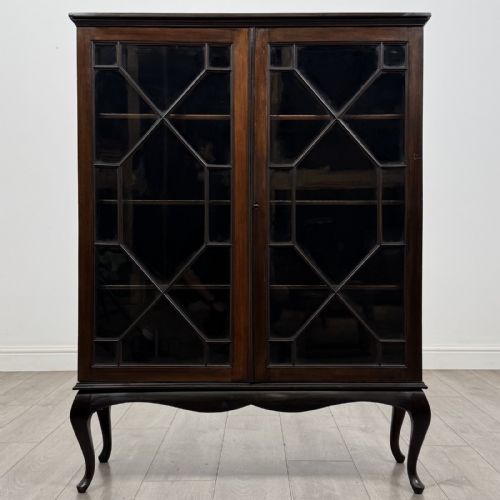
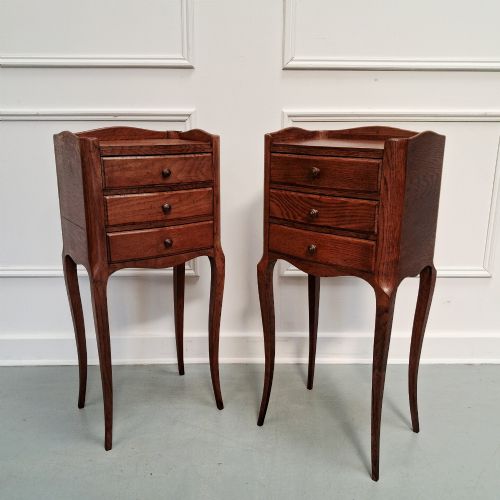
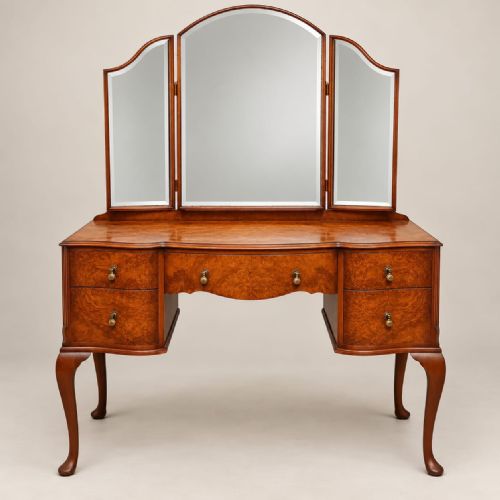
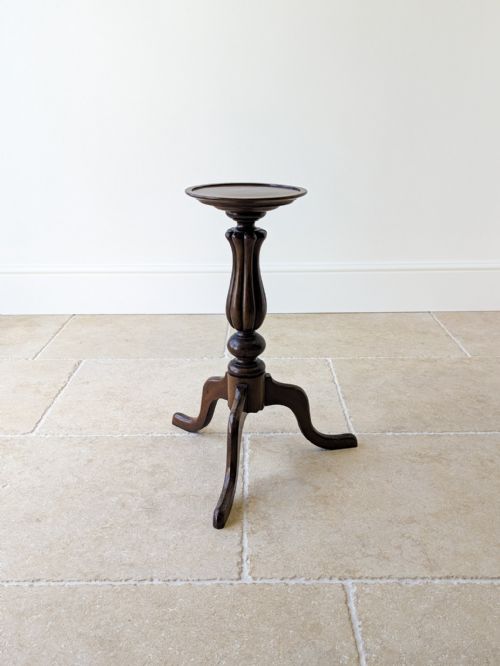
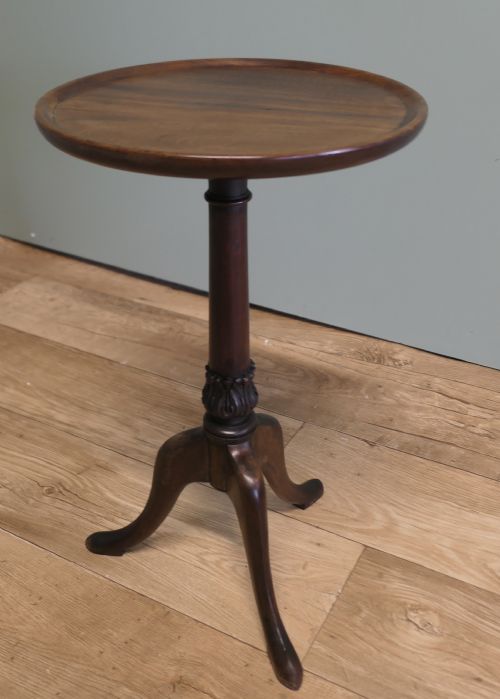
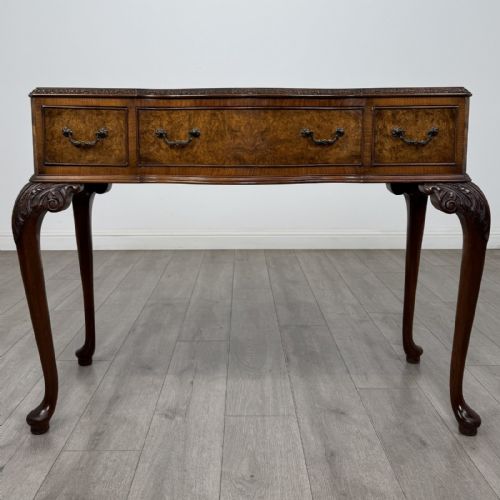
When you search for antique cabriole legs, you encounter tables, chairs, cabinets, and chests where the supports curve outward at the knee and taper inward toward the foot. This structural form appears across the eighteenth, nineteenth, and early twentieth centuries, spanning Georgian, Victorian, and Edwardian periods.
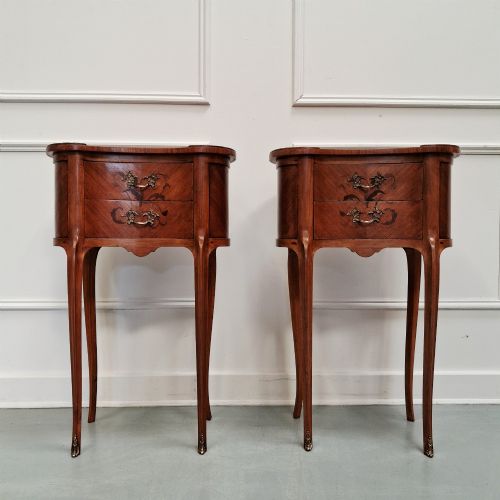
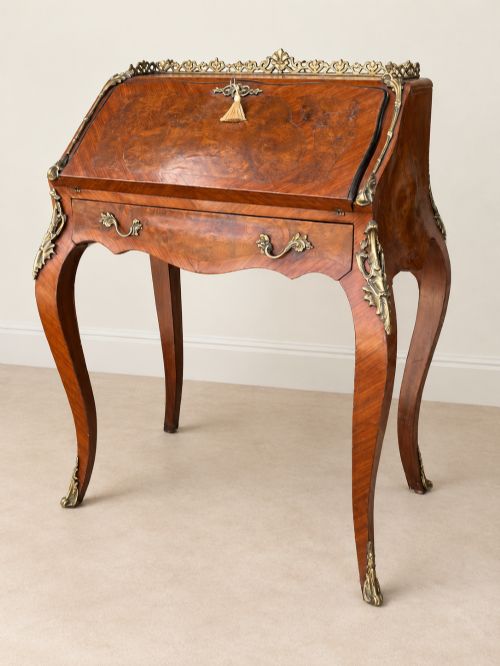
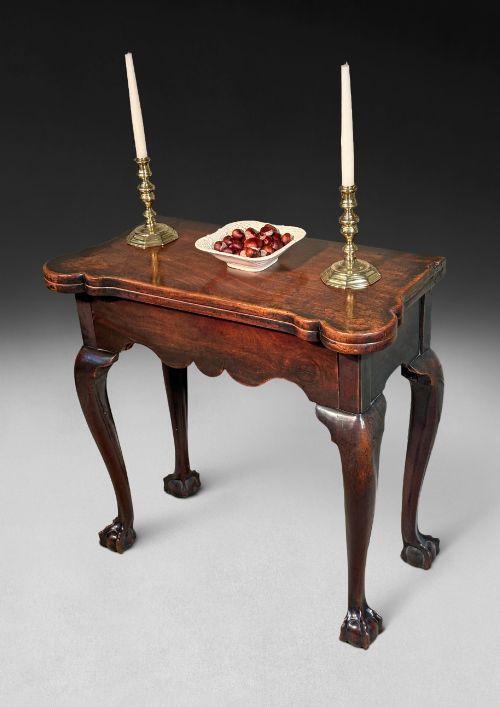
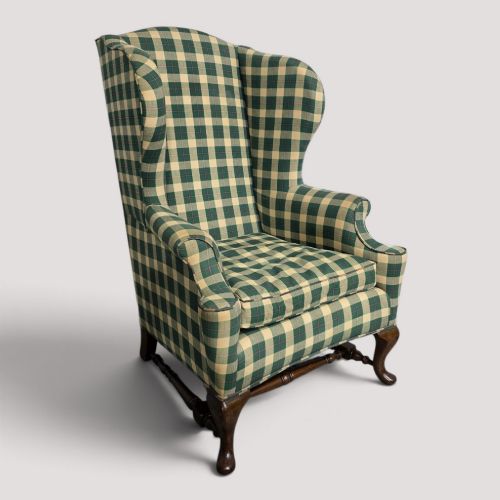
The versions most common on this page include mahogany and oak occasional tables, walnut writing desks, and dining chairs dressed in fabrics or set with claw and ball feet. Makers utilise styles such as Queen Anne Revival, Louis XV Revival, and George II to echo historical continental and British aesthetics.
Materials and Construction
Cabinetmakers shape solid timbers like mahogany, walnut, and oak to form the continuous curved line of the leg from knee to foot. Grain direction matters greatly during carving to ensure the wood holds the weight of tables and seating without splitting at the narrow ankle.
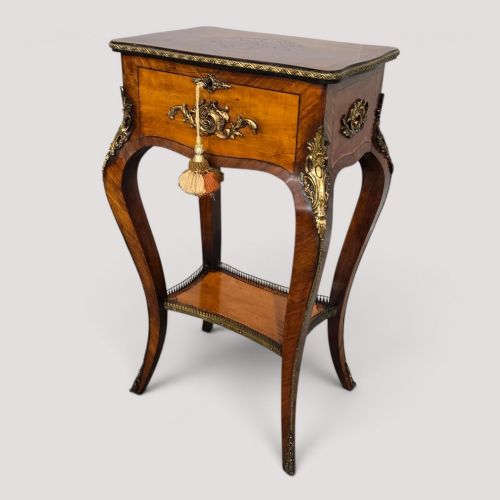
Fine pieces integrate decorative elements such as ormolu mounts, marquetry inlay, and gilt bronze directly into the wooden framework. Upholstered seating incorporates traditional horsehair stuffing and cane work secured to robust hardwood frames.
Listings feature items spanning the eighteenth century to the twentieth century, incorporating materials like mahogany, brass, walnut, and ormolu.
Assessing Quality
Quality rests in the fluidity of the carved line and the balance of the proportions between the knee, the ankle, and the foot. Superior examples display crisp definition in carved details such as shells or acanthus leaves rather than soft, rounded edges.
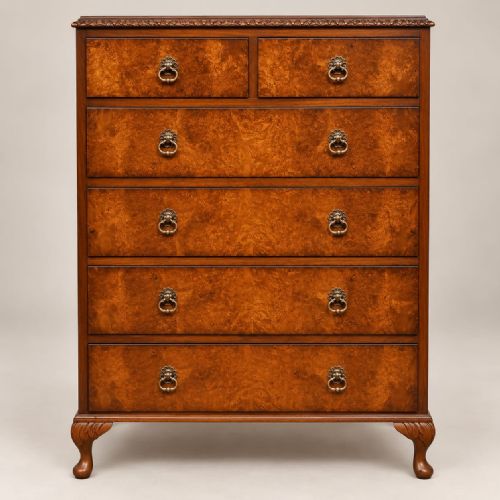
The choice of timber grain dictates the visual impact of surfaces like burr walnut or kingwood. Solid construction methods, including traditional joinery on tables and chairs, separate everyday utility items from finer decorative pieces.
The Antique Cabriole Legs Glossary
- Cabriole leg
- A furniture support shaped in a double curve resembling the hind leg of an animal, swelling outward at the knee and tapering down to the foot.
- Claw and ball foot
- A carved terminal representing a bird's talon clutching a spherical ball, commonly found on Georgian and Edwardian furniture.
- Lowboy
- A small oak or mahogany side table with drawers, typically supported on four slender cabriole legs.
- Ormolu
- Gilded bronze mounts applied to furniture surfaces during the eighteenth and nineteenth centuries to accent French revival pieces.
- Foldover top
- A hinged table surface that opens to double its area for card games or tea service.
Antique Cabriole Legs: Frequently Asked Questions
What periods feature antique cabriole legs?
These supports appear across eighteenth-century Georgian and George II pieces, nineteenth-century Victorian designs, and early twentieth-century Edwardian revivals.
Craftsmen revived the aesthetic frequently in later decades, producing walnut and mahogany furniture that mirrored earlier historical forms.
How do I identify different foot styles?
Feet take various forms depending on the period, including simple pad feet, scroll feet, and elaborate claw and ball designs.
Looking closely at the termination of the leg reveals whether the carver favored a plain pad or a detailed botanical motif.
Which woods were used for these pieces?
Cabinetmakers employed native and exotic timbers such as mahogany, walnut, burr walnut, oak, and kingwood.
Softer woods like oak served for early vernacular tables and dressers, while dense hardwoods suited the intricate carving required for chairs and display cabinets.
How should I care for polished wood surfaces?
Polished mahogany and walnut require protection from direct sunlight and excessive moisture to prevent fading and veneer cracking.
Applying microcrystalline wax periodically preserves the historical sheen without building up thick layers of modern polish.