

Antique Cabriole Bench
An antique cabriole bench brings curving legs and classic upholstery together, offering a practical seat for a bedroom or hallway.
Antique Cabriole Bench
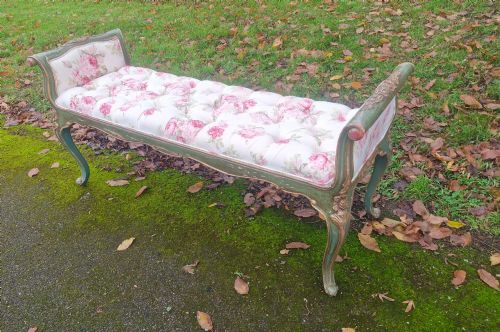
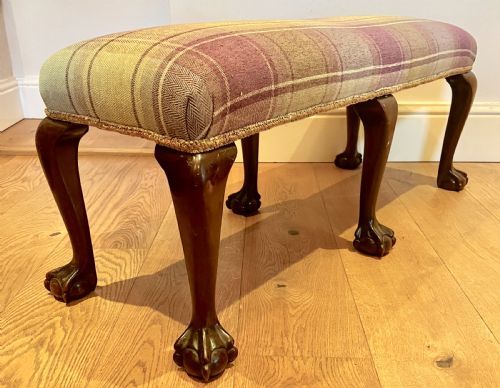
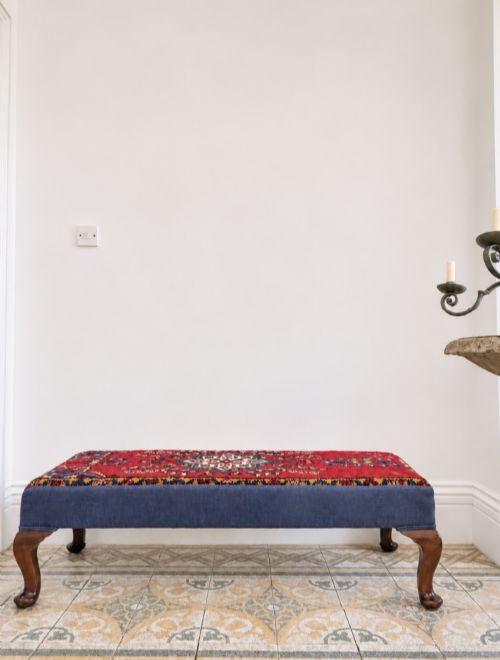
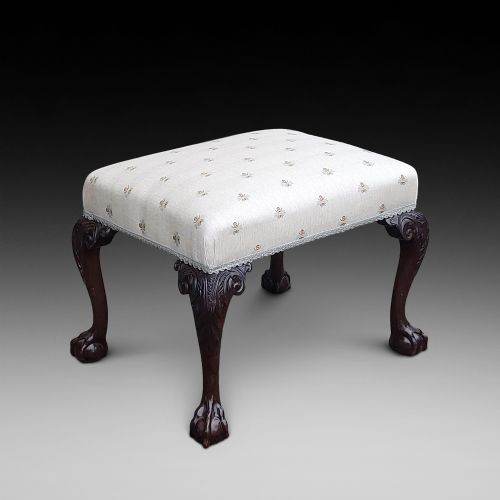
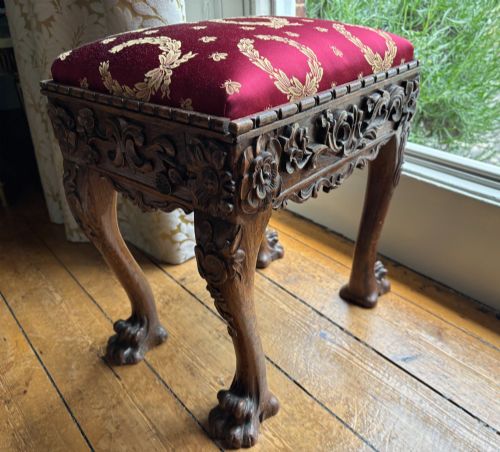
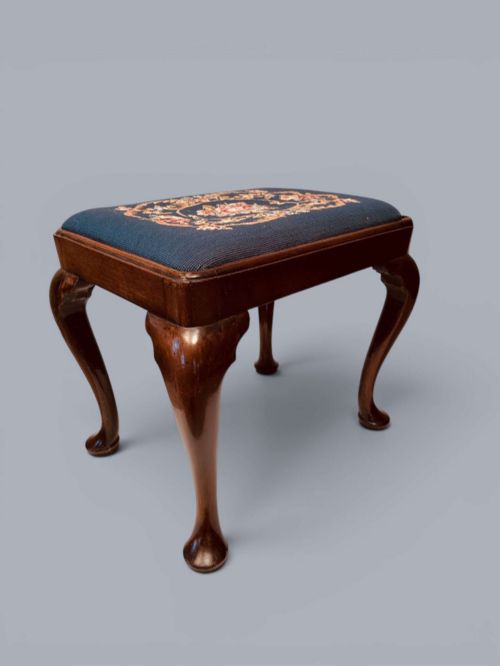
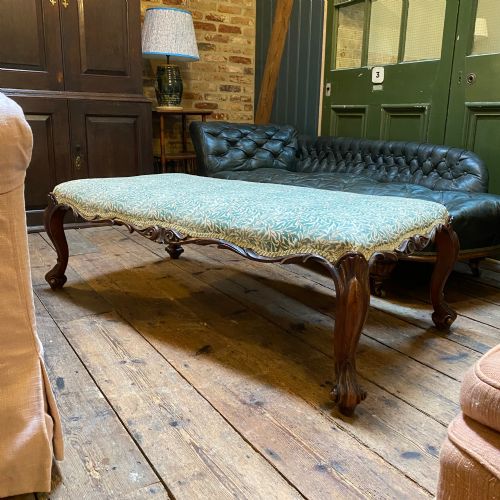
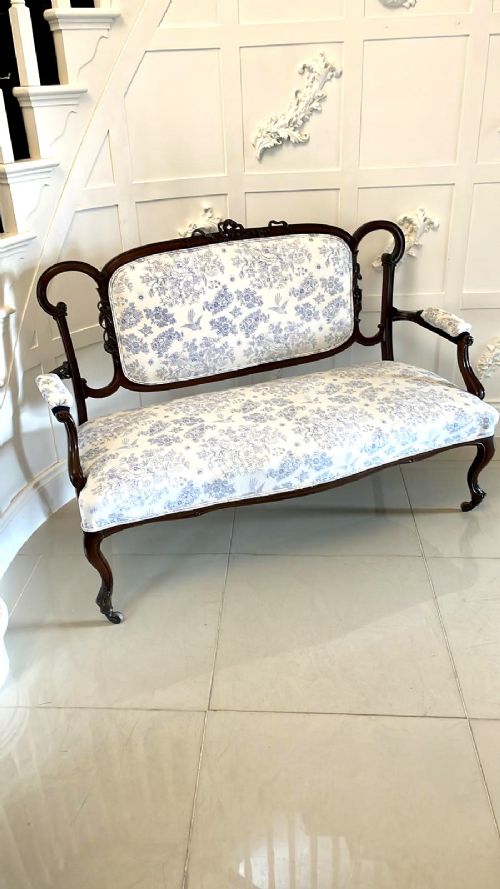
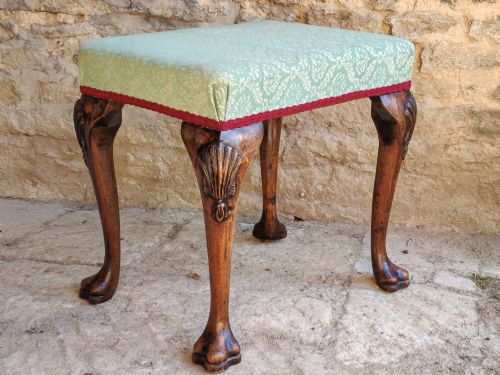
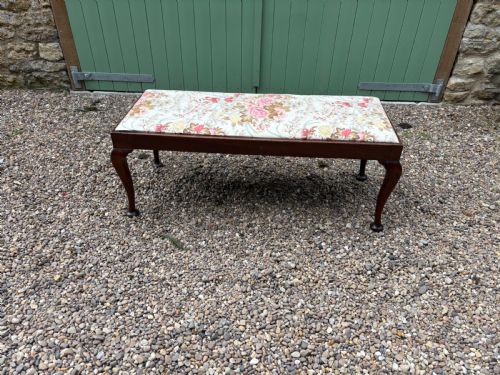
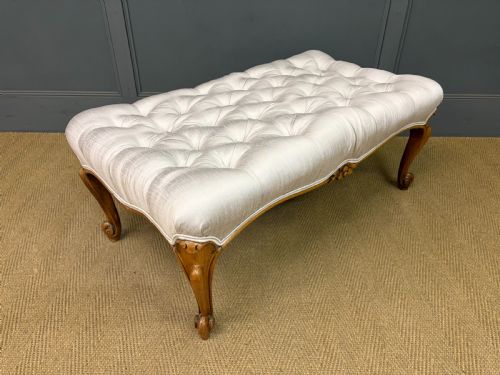
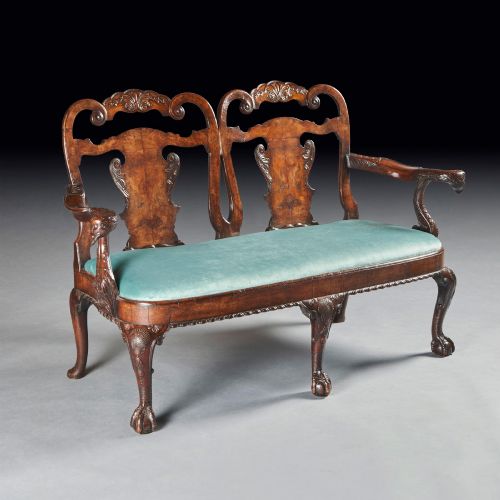
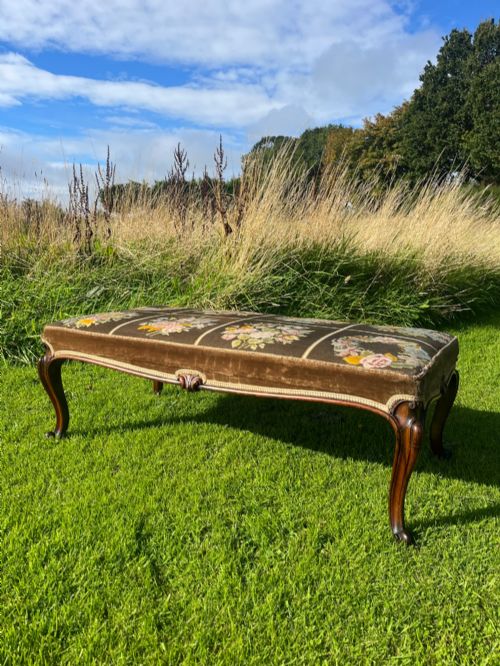
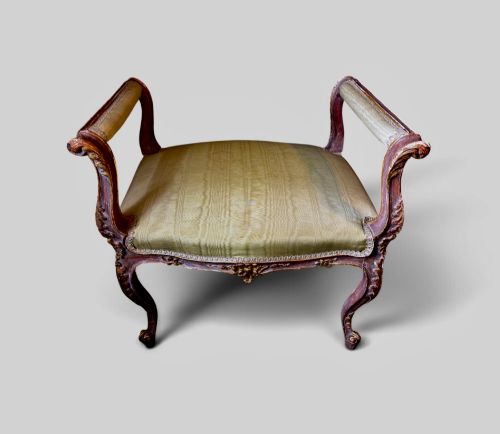
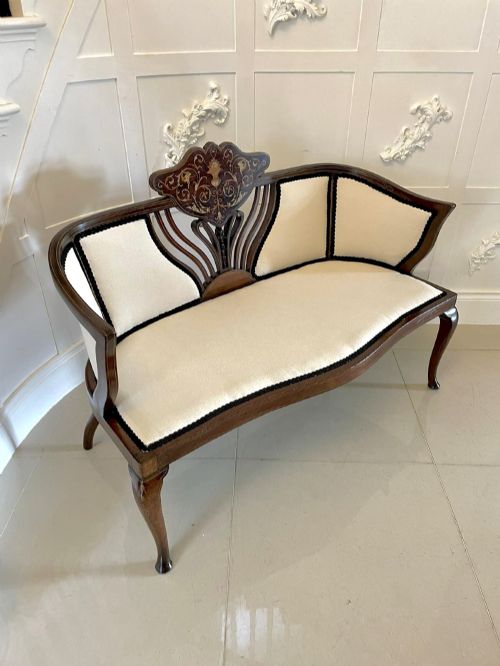
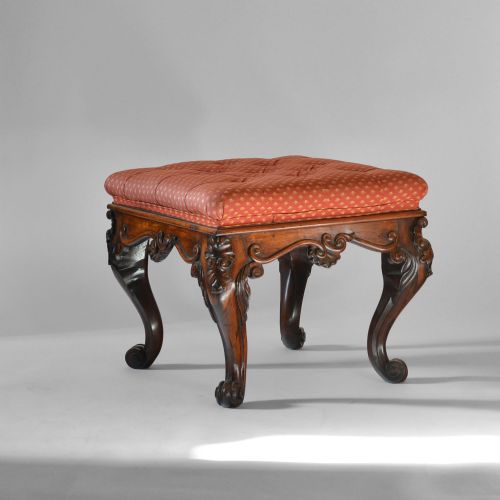
When you search for an antique cabriole bench, you find a variety of seating forms built with signature curving legs that sweep outward and taper down to pad or claw feet. These pieces range from compact footstools and dressing table seats to larger window seats and settees.
The materials and styles span several centuries, with walnut, mahogany, and rosewood frameworks appearing alongside Victorian, Edwardian, and Georgian revival designs. Upholstery takes many forms, including original fabric, needlepoint, and tapestry, making these items adaptable for various rooms.
How they were made
Cabinetmakers shaped dense hardwoods like mahogany, walnut, and rosewood to form the curving frames, often adding carved detailing or inlay along the rails. Giltwood and painted finishes also appear on Continental and later revival pieces.
Seats rely on traditional upholstery methods, combining webbed bases and stuffing beneath fabrics such as velvet, silk, and woven textiles.
Antique Cabriole Bench Retail Price Guide 2026
Typical asking prices for cabriole bench among the pieces listed under this phrase on Sellingantiques today, from the lower quarter to the upper quarter. They describe what is for sale here now, not the wider market.
Listings span from the 18th century through to the 1930s, featuring walnut, mahogany, rosewood, and ebonised frames.
What varies in quality
The refinement of the carving along the knee and foot of the leg separates standard production from finer work, as does the crispness of any applied inlay or gilding. Timber selection plays a major role, with choice cuts of figured walnut or richly grained rosewood commanding greater attention.
Structural integrity depends on the joinery within the frame, particularly where the cabriole legs join the seat rails, ensuring the piece remains stable under weight.
The Antique Cabriole Bench Glossary
- Cabriole leg
- A furniture leg that curves outward at the knee and tapers inward toward the foot, inspired by animal limbs.
- Window seat
- A long, narrow form of stool or bench designed to sit comfortably in the recess of a window.
- Duet stool
- An extended seat originally designed for two people to sit side by side at a piano.
- Giltwood
- Timber that has been coated with a thin layer of gold leaf or gilt paint for a decorative finish.
- Needlepoint
- A type of canvaswork embroidery frequently used for durable and decorative upholstery on historic seat covers.
Antique Cabriole Bench: Frequently Asked Questions
Where should I place a cabriole bench?
These benches fit well at the foot of a bed, beneath a window, or alongside a dressing table.
Their compact proportions also make them useful in hallways for putting on shoes.
Are these benches comfortable to sit on?
Most examples feature padded upholstered tops designed for sitting, though some older pieces may require new webbing or padding.
Smaller footstools are built primarily for resting feet rather than supporting body weight as a primary seat.
How do I identify the period of a bench?
Dating relies on timber choice, carving styles, and secondary woods visible beneath the frame.
Revival pieces often blend earlier silhouettes with manufacturing techniques typical of the nineteenth and twentieth centuries.
Can I reupholster an antique bench?
Many pieces retain historic fabric, but reupholstering is common to match modern interior palettes.
Retaining the original stuffing and foundation layers helps preserve the historic character of older seats.