
Antique Cabinet Storage
These pieces of antique cabinet storage bring functional organisation to a room through centuries of timber craftsmanship.
Antique Cabinet Storage
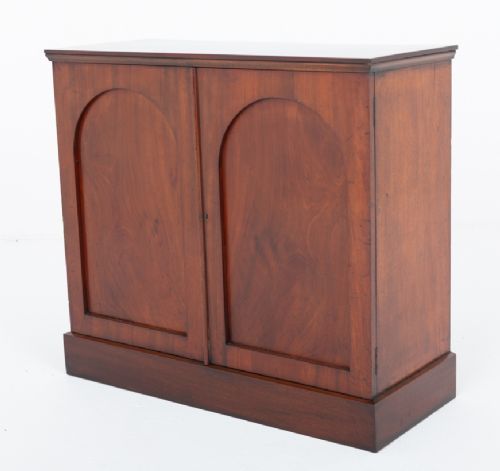
When you search for antique cabinet storage, you enter a diverse field encompassing everything from grand Georgian breakfront bookcases to compact Edwardian cupboards. The pieces span multiple centuries, touching the Georgian, Victorian, and Edwardian eras alongside early twentieth-century designs.
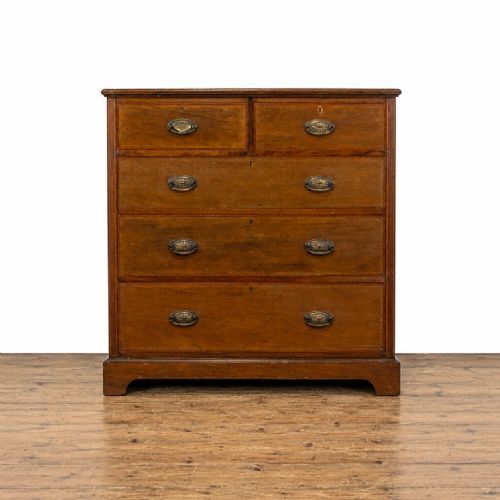
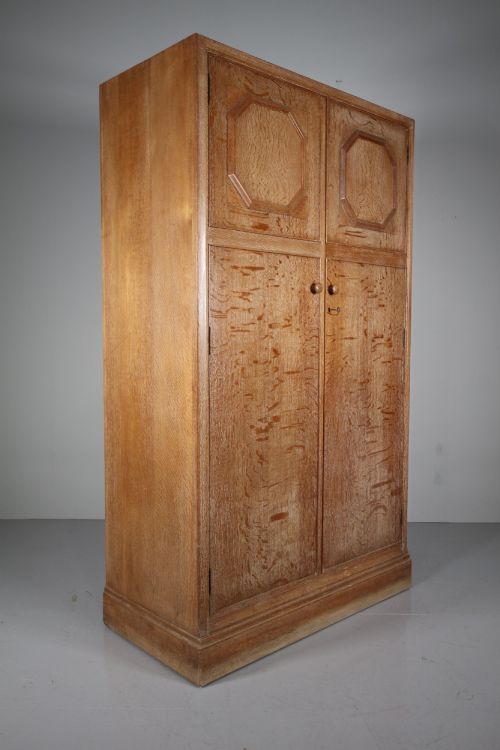
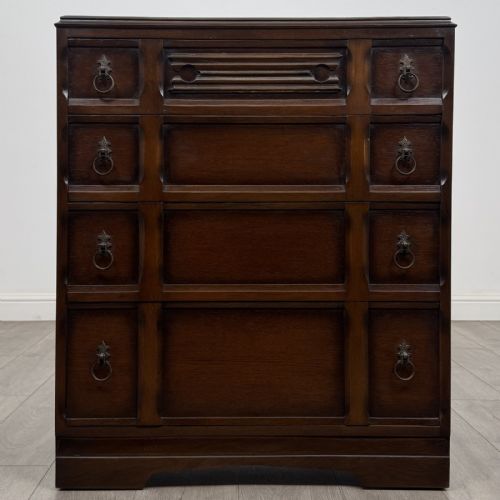
You are most likely to meet oak and mahogany storage furniture on this page, taking forms such as chests of drawers, wardrobes, sideboards, and specialised fitted cabinets. These items reflect the domestic and professional storage needs of past eras, adapted for modern interiors.
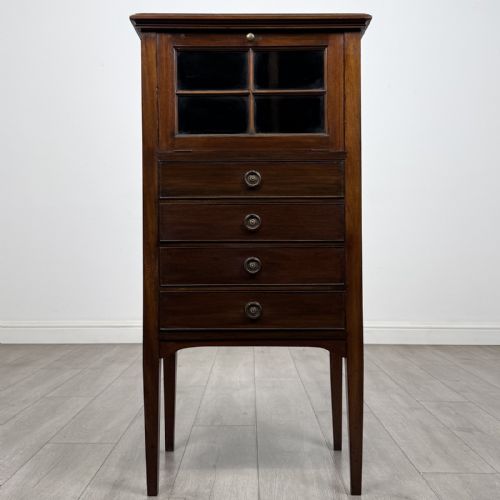
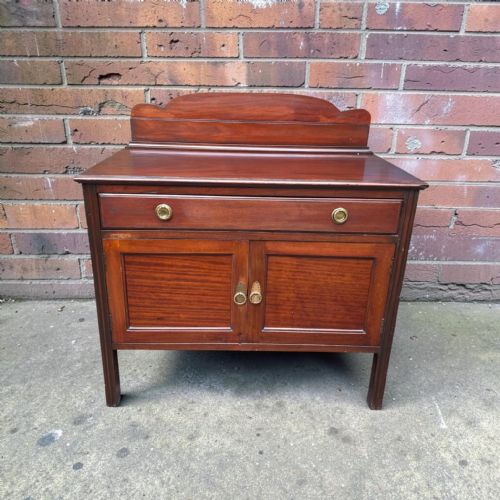
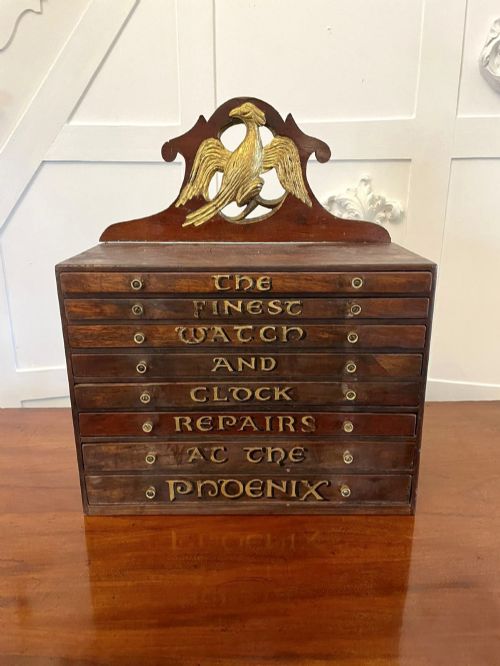
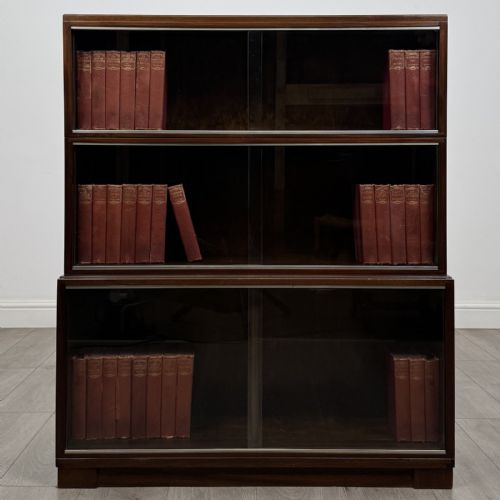
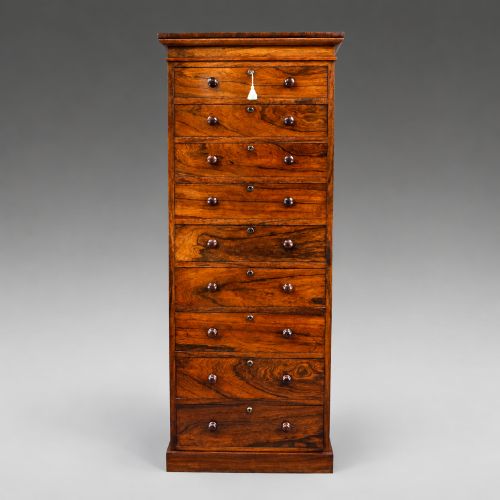
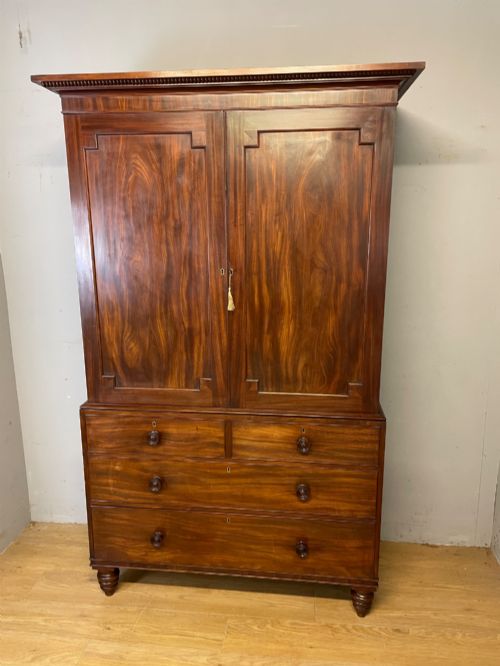
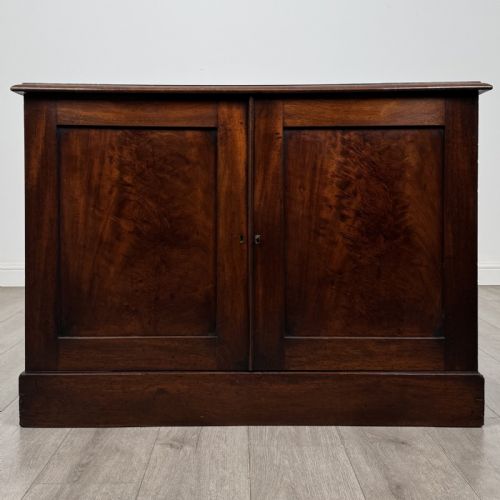
The selection ranges from tall wardrobes and linen presses to small side cabinets, watchmakers boxes, and music cabinets. Each form demonstrates how previous generations organised textiles, books, tableware, and documents.
Materials and construction
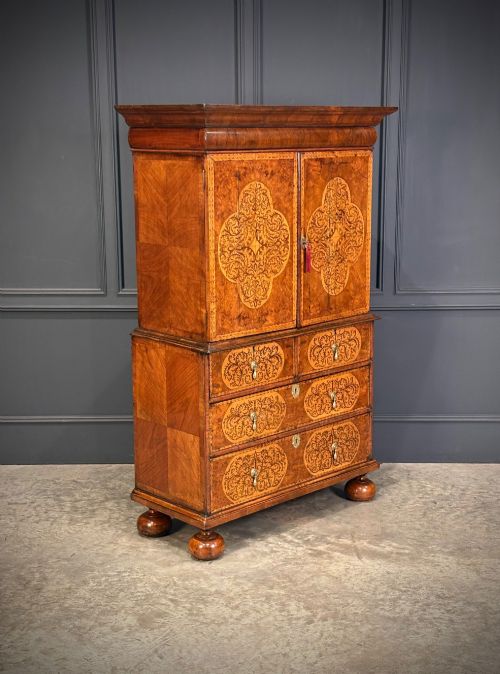
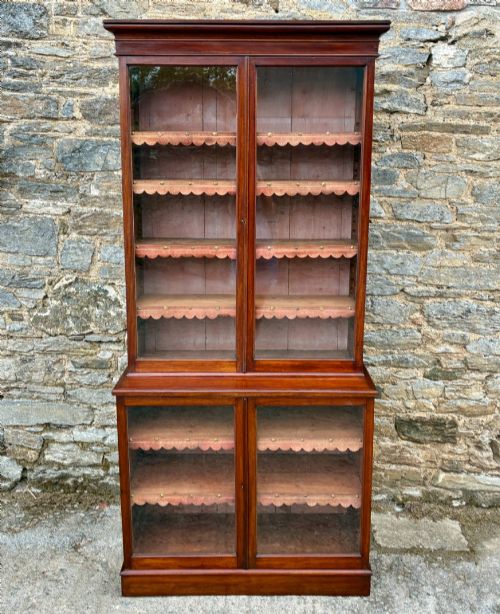
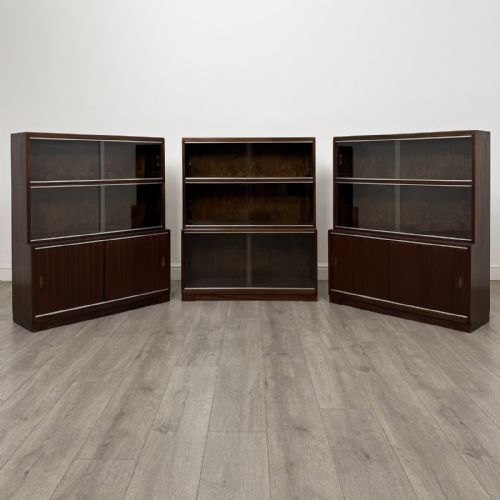
Cabinet makers relied heavily on timber selections like oak, mahogany, and burr walnut, often paired with secondary woods such as pine. Brass handles and glass panels appear frequently, adding functional hardware and visual lightness to dense wooden frames.
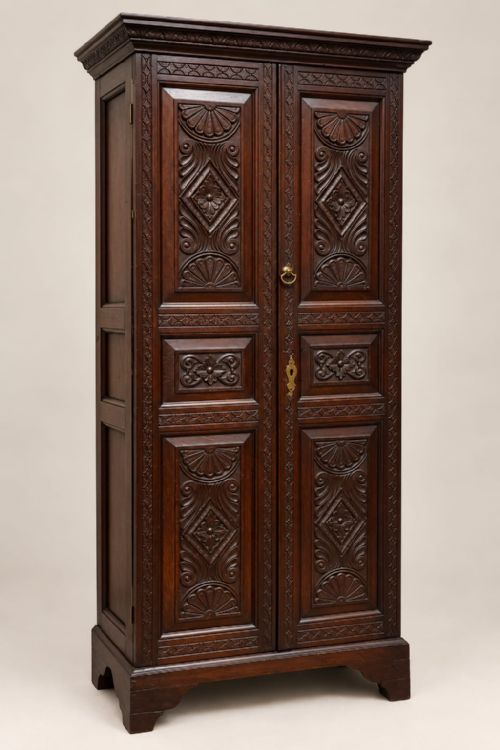
Construction techniques range from simple panelled doors on turned legs to sophisticated serpentine fronts with astragal glazing. Carved detailing, linenfold panels, and inlaid tops reveal the hand of makers working across different regional and stylistic traditions.
Watchmakers boxes and purdoniums prove our ancestors kept tiny cogs and dusty coal just as tidy as their linens.
Measures of quality
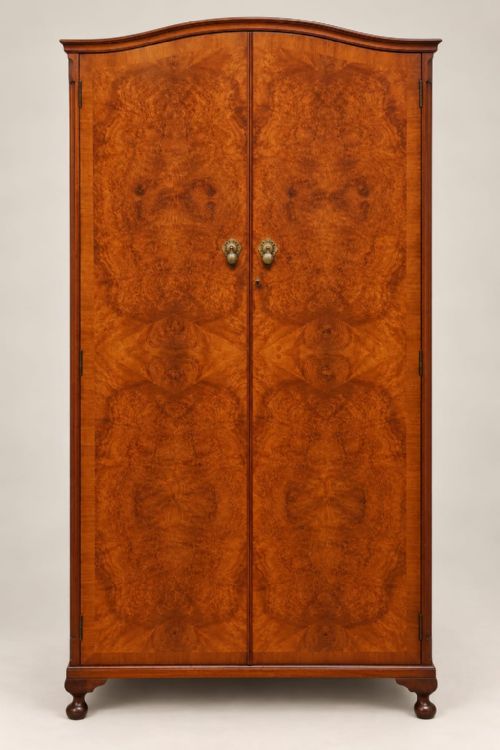
Quality in these storage pieces rests upon timber selection and the integrity of the internal fittings, such as adjustable shelves and multiple fitted drawers. Figured veneers like flame mahogany or burr walnut elevate the visual presence of a wardrobe or tall boy.
Proportion and architectural detail separate standard utility items from finer examples, visible in elements like carved pillar panels, raised galleries, and balanced proportions. The execution of structural joinery ensures that heavy oak and mahogany pieces retain their stability over centuries of use.
E Gomme
The Antique Cabinet Storage Glossary
- Astragal glazing
- A method of dividing glass panes within a door using slender wooden bars. This technique is typical of finer bookcases and display cabinets.
- Breakfront
- A piece of furniture featuring a central section that projects forward from the flanking wings. This architectural arrangement provides depth and visual rhythm.
- Linen press
- A tall cupboard originally designed for storing folded linen on sliding trays or shelves. They frequently combine deep drawers with upper cabinet space.
- Purdonium
- A specialised coal box or cabinet designed to sit beside a fireplace. They usually feature a sloping front and a metal liner.
- Serpentine
- A front contour that curves outward at the centre and inward toward the ends. This undulating shape requires advanced woodworking skill.
- Tall boy
- A tall chest of drawers, often constructed as a chest on chest. These pieces maximise vertical storage capacity in rooms with limited floor space.
Antique Cabinet Storage: Frequently Asked Questions
How do I choose the right storage cabinet for a modern room?
Consider the primary function you need, whether it involves hanging clothes, storing books, or organising smaller items in drawers. Measure your available floor space carefully, as period pieces often feature projecting cornices or turned legs that alter the footprint.
Match the timber tone to your existing interior, keeping in mind that woods like oak and mahogany carry distinct visual weights. Smaller side cabinets and low bookcases offer versatile placement options throughout a modern home.
What is the difference between a wardrobe and a linen press?
Wardrobes are built primarily for hanging garments vertically behind full-length doors, often including internal hanging rails or hooks. Linen presses traditionally combine drawers in the lower section with sliding trays or shelves enclosed by upper doors, intended for flat textiles.
Over time, many linen presses have been converted internally to accept modern clothes hangers. Examining the interior configuration helps reveal the original domestic purpose of the piece.
How can I tell a Georgian cabinet from a Victorian one?
Georgian storage pieces, dating from the eighteenth and early nineteenth centuries, generally favour restrained classical proportions and fine mahogany or oak surfaces. They often display subtle string inlay and bracket feet rather than heavy carving.
Victorian and later nineteenth-century cabinets frequently introduce darker finishes, more robust carving, and architectural revivals like Gothic or Jacobean styles. Display glass and adjustable shelving became more prevalent as manufacturing techniques advanced during the Victorian era.
How do I care for antique timber furniture?
Keep wooden cabinets away from direct heat sources and strong sunlight, which can dry out the timber and fade polished finishes. Maintain a stable room temperature to prevent the wood from expanding or contracting excessively.
Dust the surfaces regularly with a soft, dry cloth rather than applying heavy silicone sprays or modern polishes. Occasional applications of traditional beeswax help nourish the grain and preserve the natural patina.