
Antique Cabinet Box
An antique cabinet box brings together practical storage and fine joinery, spanning cellarettes, miniature chests, and tabletop cupboards.
Antique Cabinet Box
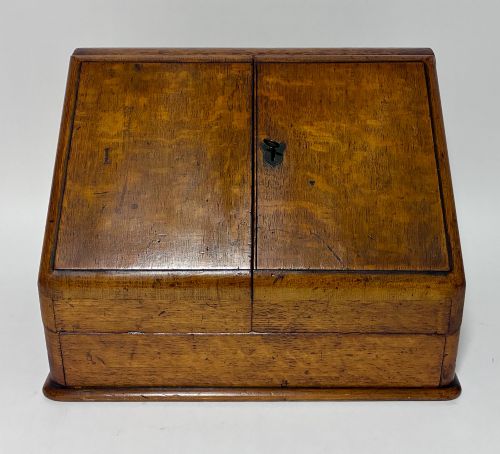
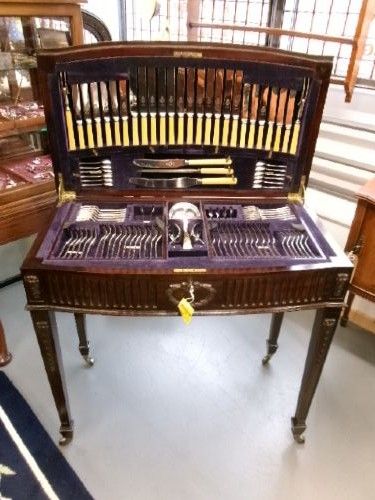
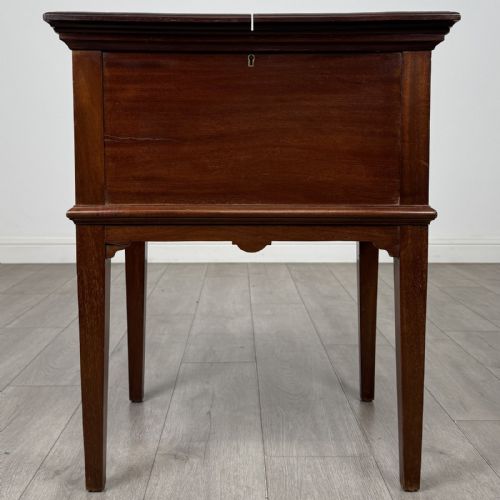
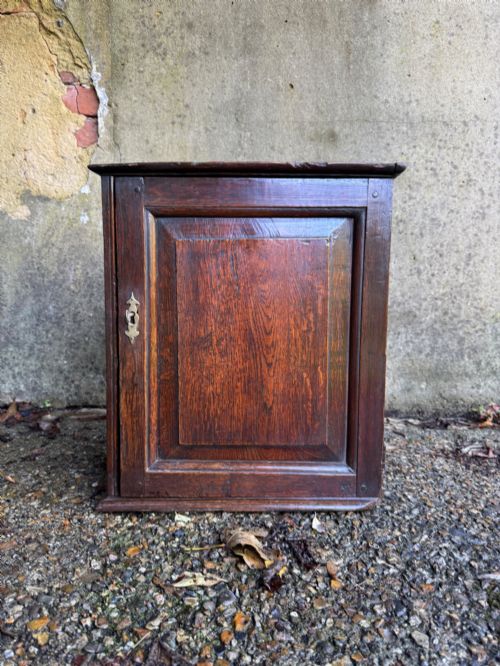
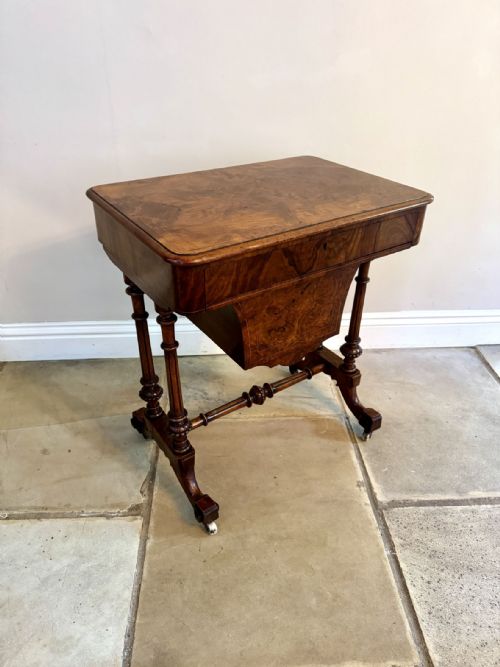
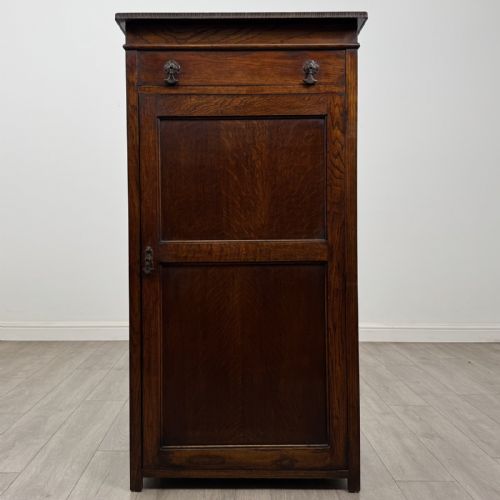
An antique cabinet box encompasses a wide array of functional lidded and shelved enclosures, ranging from Georgian wine cellarettes and Edwardian oak cupboards to Victorian work tables and miniature apprentice chests. Buyers searching this phrase encounter diverse forms designed for specific domestic uses, such as jewellery storage, stationery organisation, or spirit decanting.
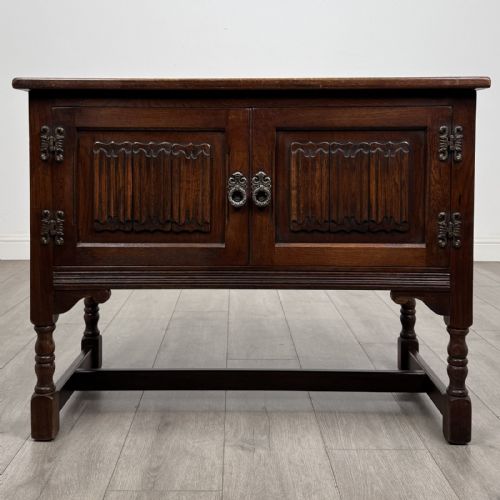
The pieces originating from these periods reflect the tastes of the 18th, 19th, and early 20th centuries, drawing upon Georgian, Victorian, Edwardian, and Arts and Crafts styles. Oak and mahogany dominate the offerings, appearing alongside walnut, satinwood, and bamboo in various tabletop and freestanding formats.
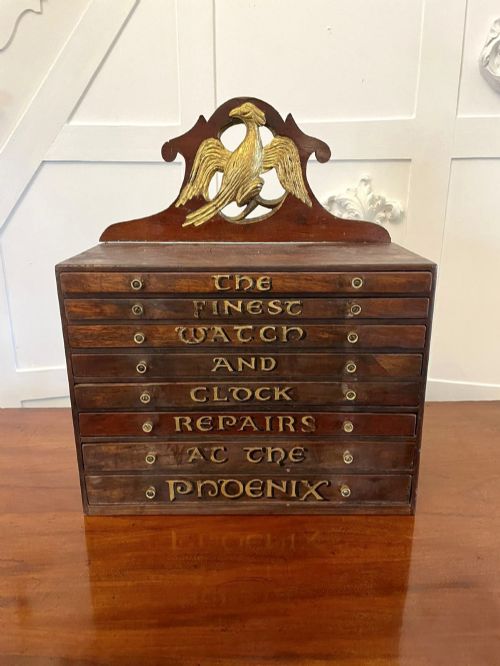
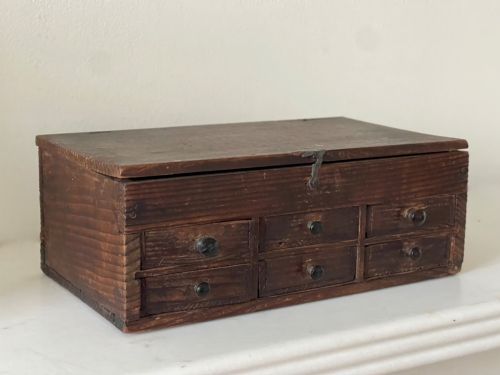
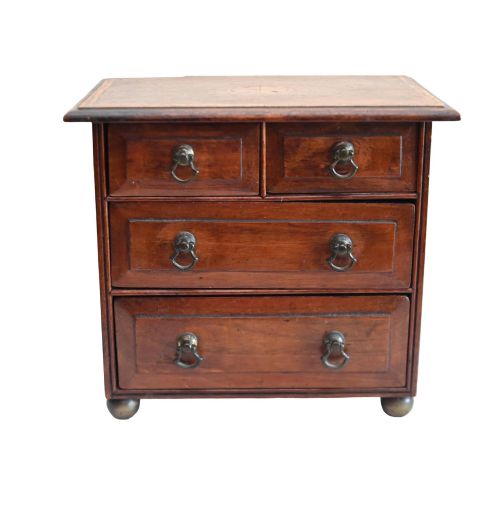
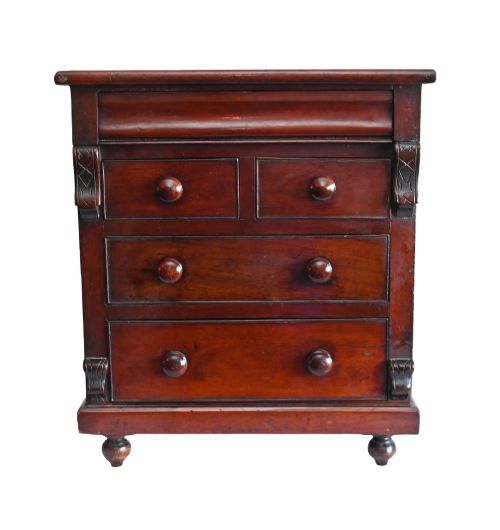
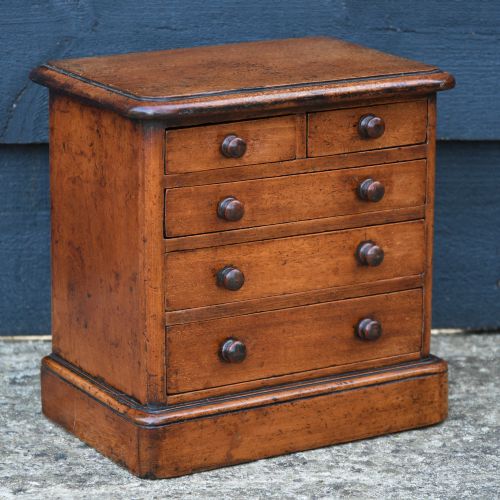
Miniature furniture and small collectors cabinets represent a prominent branch of this category, serving historically as apprentice pieces, travel companions, or specialised storage for watches and spices. Each iteration demonstrates how master cabinetmakers applied full-scale architectural and furniture-making techniques to portable enclosures.
Materials and Techniques
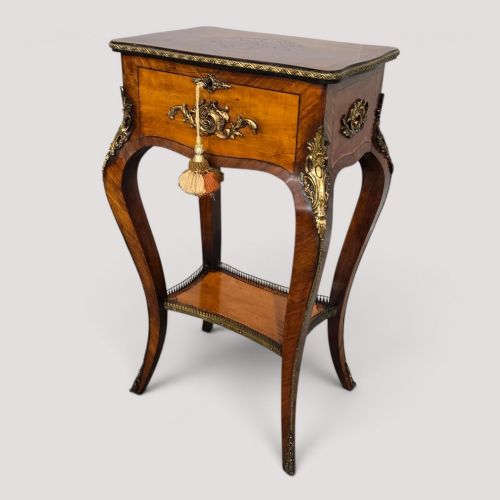
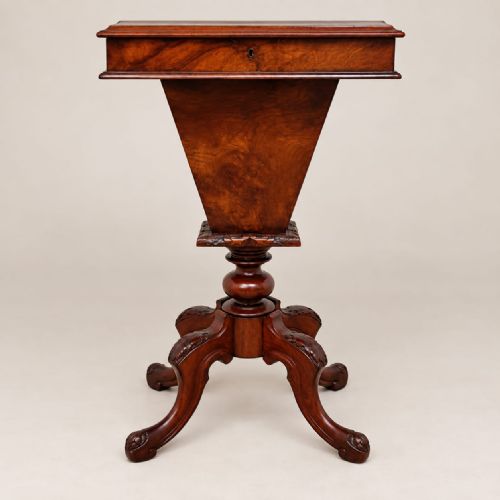
Construction relies heavily on durable hardwoods like mahogany and oak, often selected for their strength and stability in smaller furniture formats. Finer decorative pieces utilise figured walnut, burr walnut, and satinwood veneers to create striking surface patterns on lids and doors.
Joinery techniques include dovetail joints for drawer construction and mortise and tenon joints for structural frames, ensuring longevity in items subject to frequent opening and movement. Brass hardware, ranging from flush carrying handles to elaborate escutcheons and lock plates, secures and accents the timber bodies.
Secret drawers and hidden spring-loaded compartments frequently reward curious owners who inspect the inner architecture of these compact storage boxes.
Assessing Quality
The hierarchy of quality rests primarily on the integrity of the timber selection and the precision of the cabinetmaker's joinery. Superior examples display tightly fitted drawers, seamless veneer matching, and original brass fittings that integrate harmoniously with the primary wood.
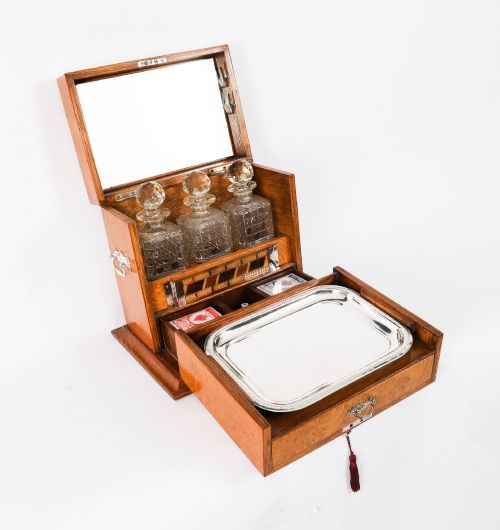
Design ambition also separates standard items from exceptional pieces, with carved details, concealed compartments, and sophisticated internal fittings like fitted cellarette interiors or tiered jewellery trays commanding greater appreciation. The preservation of original finishes and patination further elevates a piece's standing within the category.
James Bruce Glasgow
The Antique Cabinet Box Glossary
- Cellarette
- A lockable container designed to store bottles of wine or spirits, often lined with lead or fitted with internal dividers. They frequently appear on stands or as low freestanding pieces near dining tables.
- Apprentice chest
- A scaled-down chest of drawers traditionally created by a woodworker to demonstrate mastery of the craft before admission to a guild. They replicate full-size furniture details in miniature.
- Tantalus
- A locking drink cabinet featuring a frame that holds decanters in place while exposing their contents to view. The mechanism prevents the removal of bottles without the correct key.
- Bijouterie table
- A glass-topped display table designed for showcasing small decorative items, medals, or jewellery. These pieces often feature hinged lids and velvet-lined interiors.
- Purdonium
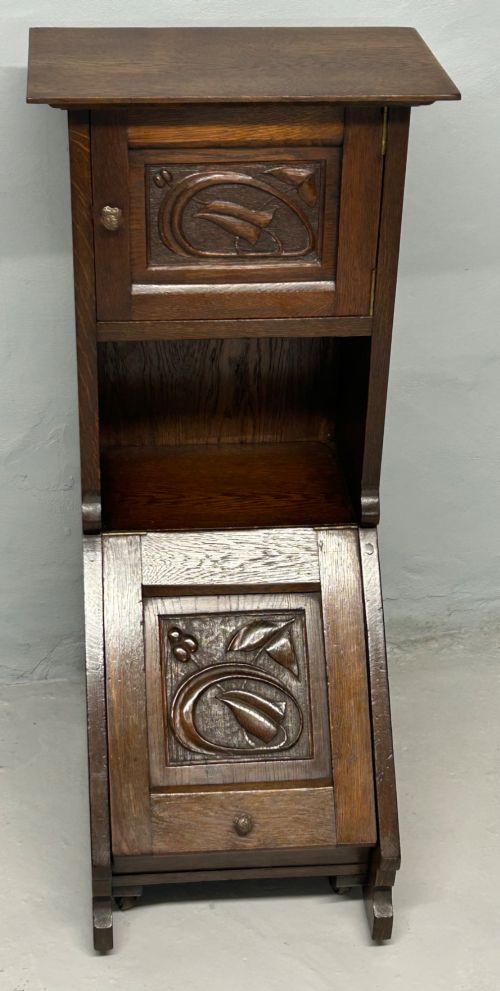
- A specialised domestic cabinet designed specifically to hold coal beside a fireplace, typically featuring a sloping lid and a drop-down front. They are frequently constructed from carved oak during the late 19th and early 20th centuries.
Antique Cabinet Box: Frequently Asked Questions
What is an antique cabinet box used for?
These enclosures served various domestic functions, from storing precious jewellery and correspondence to holding wine bottles and apothecary items. Their compact nature allowed owners to keep valuable or private possessions secure within main living spaces.
Today, they adapt easily to modern interiors as functional storage on desks, sideboards, or dressing tables, keeping small items organised while adding period character to a room.
How do I identify a Victorian piece?
Victorian examples often feature heavier timber selections like figured oak, mahogany, or walnut, sometimes enhanced with elaborate carvings or deep mouldings. Stylistic cues include Gothic revival influences, brass campaign hardware, or the rich patination typical of mid to late 19th-century manufacturing.
Examining the interior construction, secondary woods used in drawer linings, and the style of the lock mechanism helps confirm the manufacturing era.
Are apprentice chests actually made by trainees?
Apprentice chests represent miniature masterworks created to prove a woodworker's competence in complex joinery techniques like dovetailing and panel construction. They mirror the exact proportions and detailing of full-size chests of drawers.
While tradition links them to journeymen seeking formal guild admission, many smaller chests also served as high-end samples for travelling salesmen or specialised children's furniture.
How should I care for polished wood surfaces?
Maintain timber boxes by keeping them away from direct sunlight and sudden temperature shifts, which can cause wood to warp or veneers to lift. Dust regularly with a soft, dry cloth and apply a quality beeswax sparingly to nourish the grain.
Avoid liquid cleaners or silicone-based polishes, as these can degrade the historic finish and attract dust to carved crevices and hardware.