
Antique Buttoned Chair
An antique buttoned chair combines deep tufted upholstery with nineteenth-century timber frames, offering comfort and classic proportions for daily sitting.
Antique Buttoned Chair
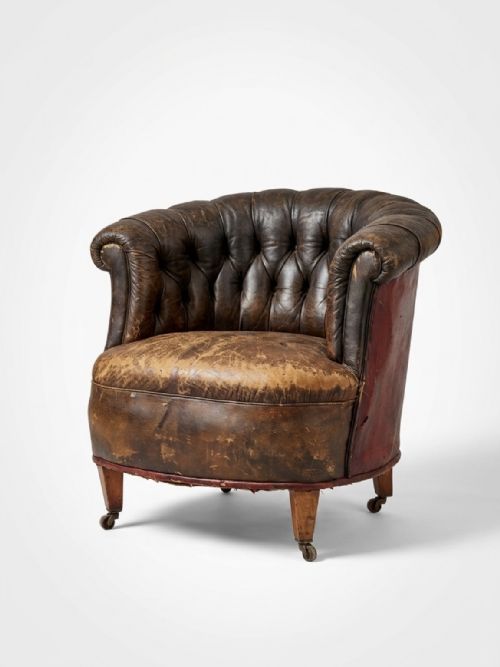
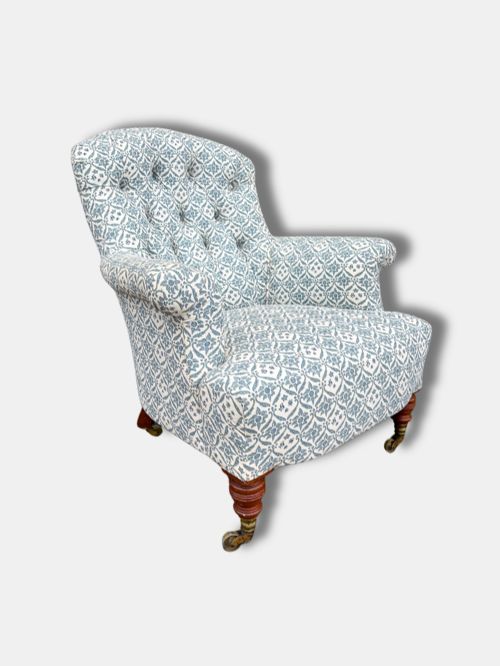
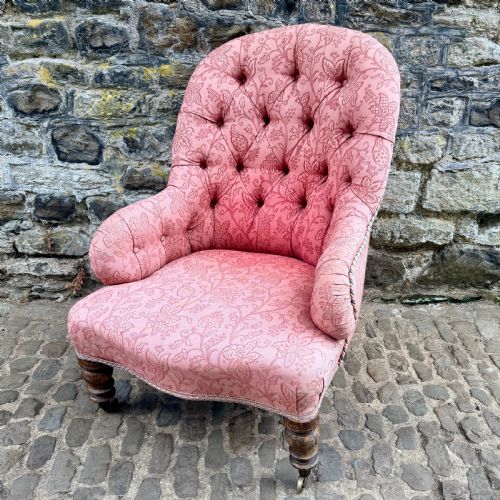
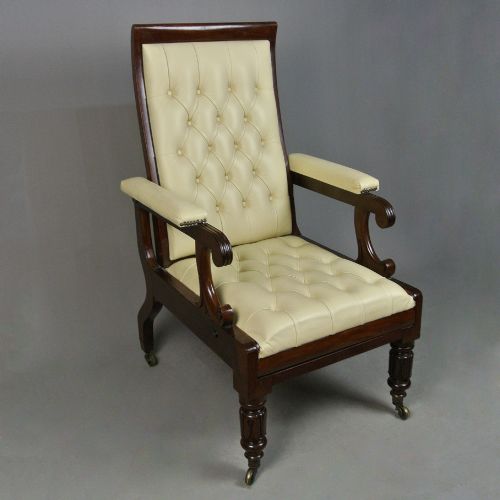
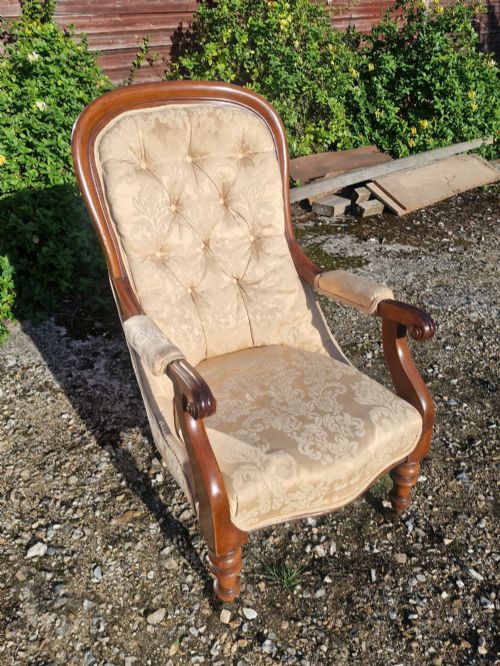
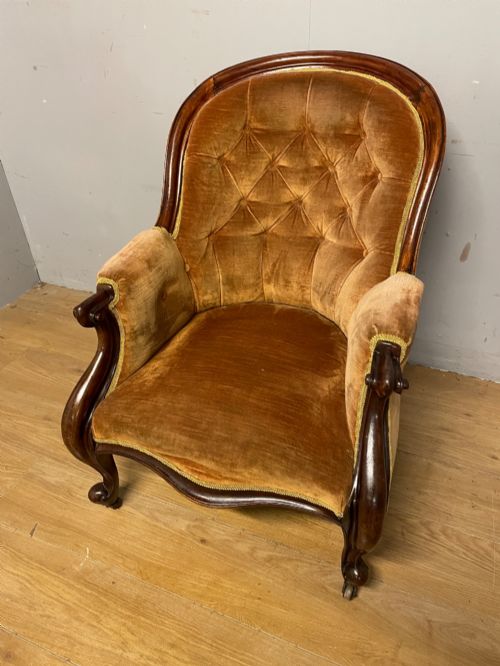
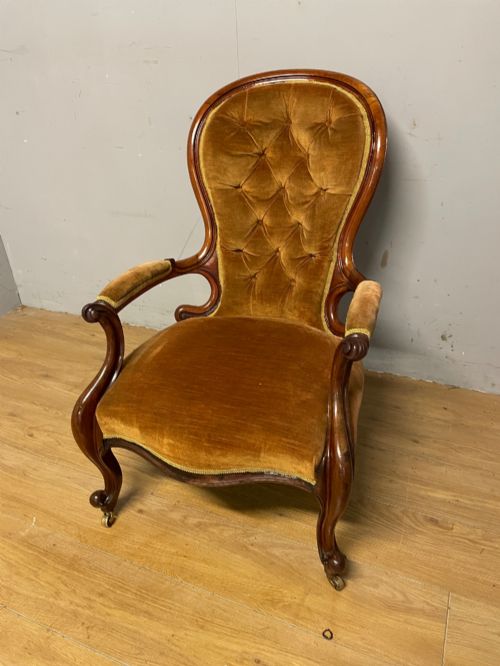
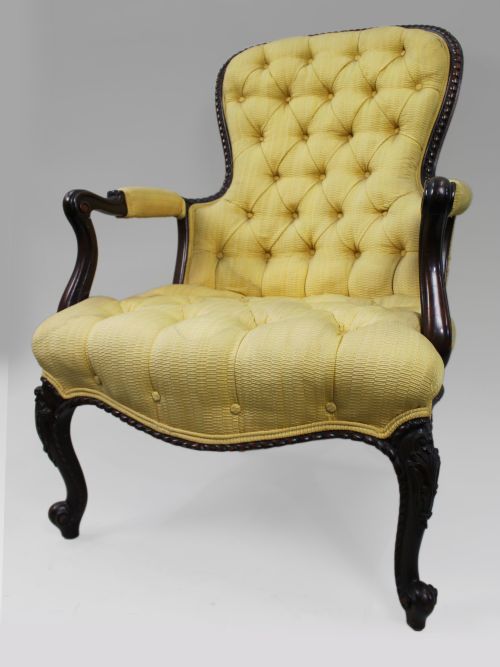
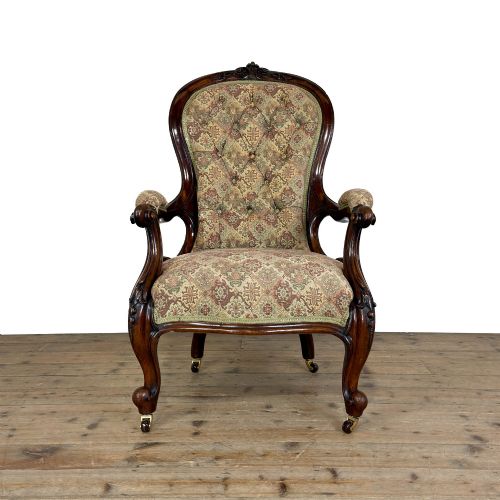
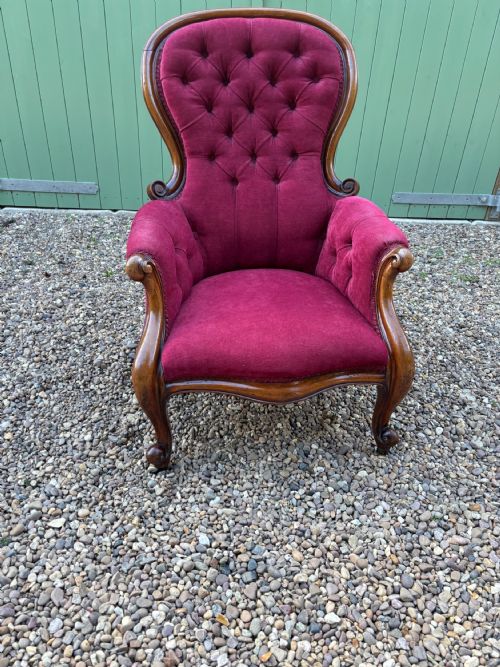
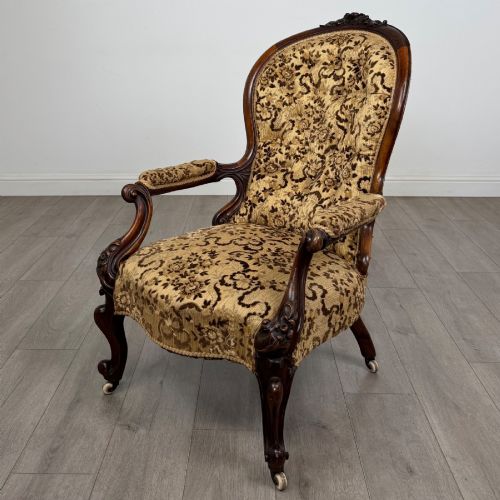
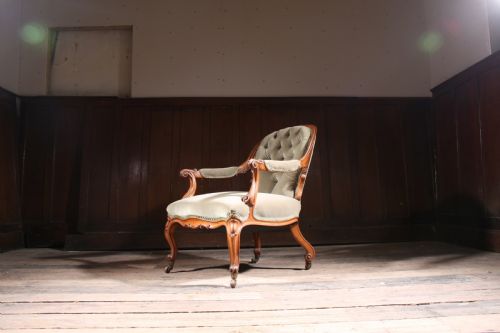
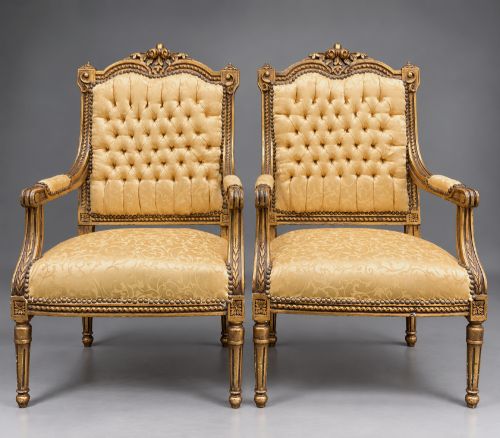
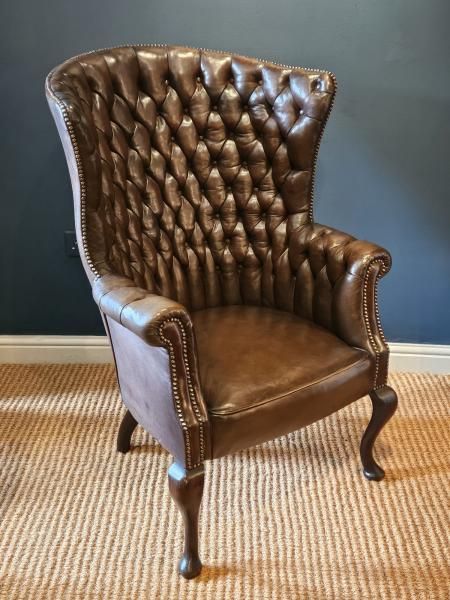
An antique buttoned chair appears in forms such as library armchairs, gentleman's armchairs, nursing chairs, and desk chairs designed for specific rooms in the home. These seats span the Victorian era, the Regency period, and the early twentieth century, reflecting shifting domestic habits and seating comforts. The Victorian examples dominate the selection, often featuring deep tufting across the backrest to secure the padding.
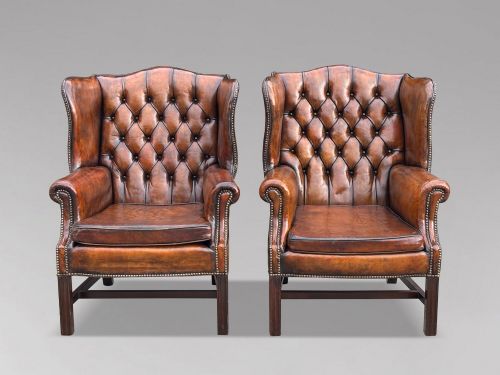
Makers utilised woods like mahogany, walnut, and oak for the structural frames, supporting upholstery in leather, velvet, and patterned fabric. Forms range from compact bedroom chairs to substantial wing back armchairs and revolving desk chairs fitted with castors. Buyers encounter both single pieces and matched pairs intended for libraries, studies, and drawing rooms.
Framing and upholstery techniques
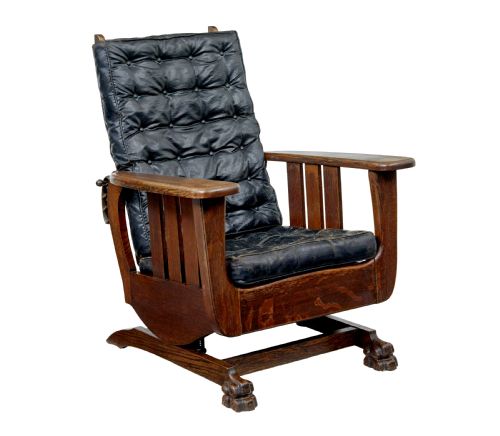
Cabinetmakers constructed the foundational timber frames from dense hardwoods like mahogany and walnut, employing traditional joinery and carved details to shape arms, legs, and crest rails. Iron components occasionally reinforced internal structures, particularly in specialised reclining or swivel models.
Upholsterers built the cushioning using horsehair and coil springs before applying leather, velvet, or fabric secured with deep buttoning. This technique pulls the covering into regular geometric recesses, anchoring the internal stuffing and creating the characteristic quilted surface.
A nineteenth-century iron back armchair provides an unexpected industrial twist to traditional tufted upholstery.
Distinctions in construction and material grade
The integrity of the timber frame and the precision of the carved woodwork separate standard examples from finer commissions. Heavy mahogany or figured walnut frames with crisp carving indicate superior workshop production.
The grade of the upholstery leather and the regularity of the button tufting determine the finish of the seating. High-grade hides and deep, even pleating maintain their structure and visual rhythm over generations of use.
Howard and Sons·Daws Patent
The Antique Buttoned Chair Glossary
- Button back
- An upholstery method where tufting buttons are pulled tight through the padding to form a diamond pattern. This technique secures internal stuffing and adds texture to the backrest.
- Library armchair
- A sturdy seating form designed for reading rooms, typically upholstered in leather and constructed from mahogany or oak. These chairs offer wide arms and supportive backrests.
- Nursing chair
- A low-seated Victorian chair originally used in nurseries or bedrooms, often featuring an upholstered back without arms to accommodate voluminous dresses.
- Wing back armchair
- A high-backed seat featuring protective side panels designed to shield the occupant from drafts. These chairs frequently utilise leather or heavy fabric upholstery.
Antique Buttoned Chair: Frequently Asked Questions
Where did people use buttoned chairs?
These chairs served in studies, libraries, and drawing rooms as primary seating for reading and writing.
Smaller bedroom and nursing variants furnished private chambers and domestic quarters.
How do I identify a Victorian buttoned chair?
Victorian examples display dense hardwood frames, typically in mahogany or walnut, paired with deep tufted upholstery.
Carved wooden details on the arms and crest rail further distinguish pieces from this period.
What is the difference between leather and fabric upholstery?
Leather upholstery offers a durable, wipeable surface commonly found on desk and library armchairs.
Fabric and velvet coverings provide softer textures suited for drawing room and bedroom seating.
Can I use an antique desk chair daily?
Many desk chairs feature revolving mechanisms and brass castors designed for functional office use.
Their solid wood frames and sprung bases accommodate regular sitting when paired with a suitable desk.