
Antique Burr Table
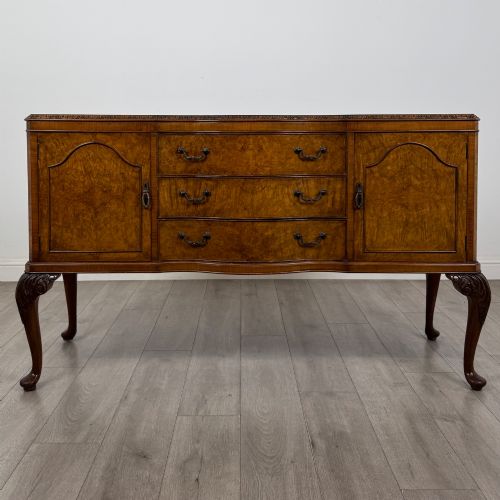
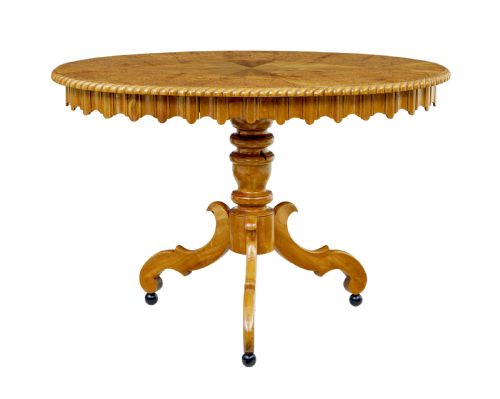
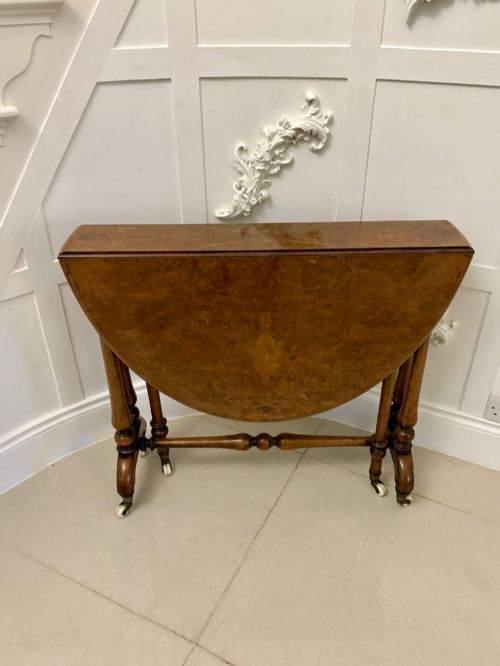
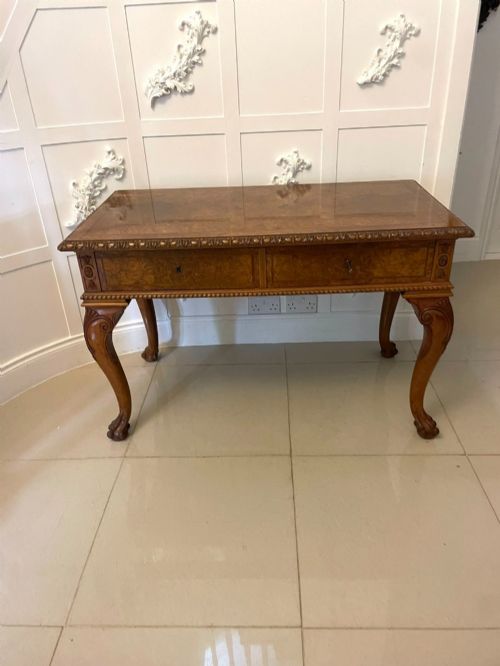
An antique burr table brings swirling, knotty timber grain into a room through Victorian centre tables, Edwardian nests, and Art Deco desks.
Antique Burr Table
When searching for an antique burr table, a buyer encounters pieces primarily from the Victorian and Edwardian eras, alongside 18th-century and 1930s examples.
Origins span English workshops to Swedish design, covering diverse styles from George III revivals to clean Art Deco lines.
Materials and Technique
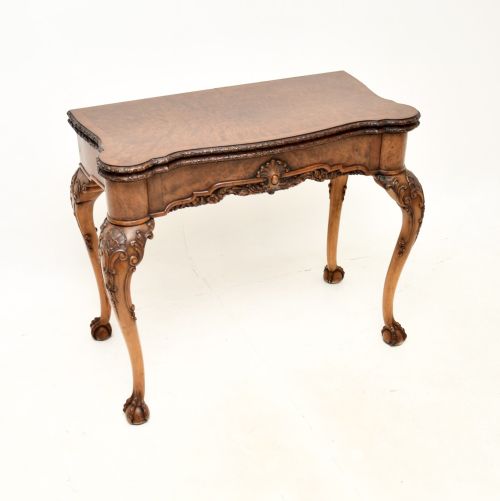
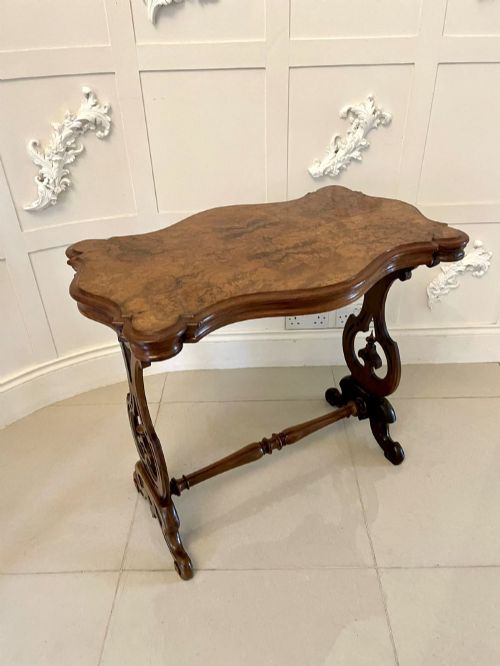
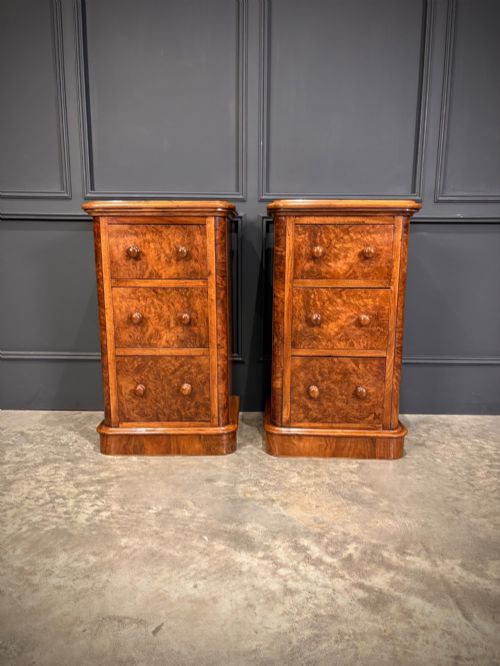
Cabinet makers utilised thin veneers of burr walnut, burr oak, and burr birch applied to solid secondary timbers to display the complex, swirling growth patterns of the wood.
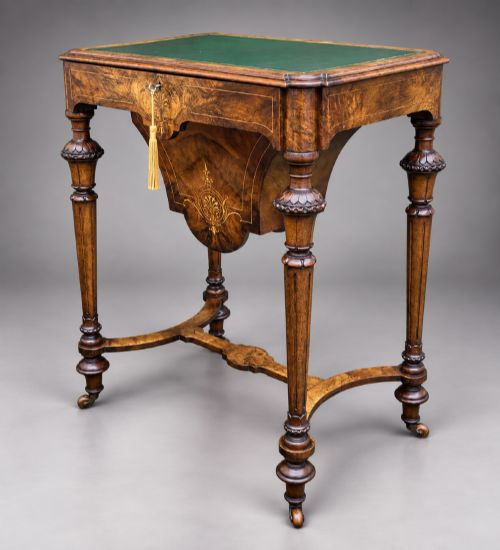
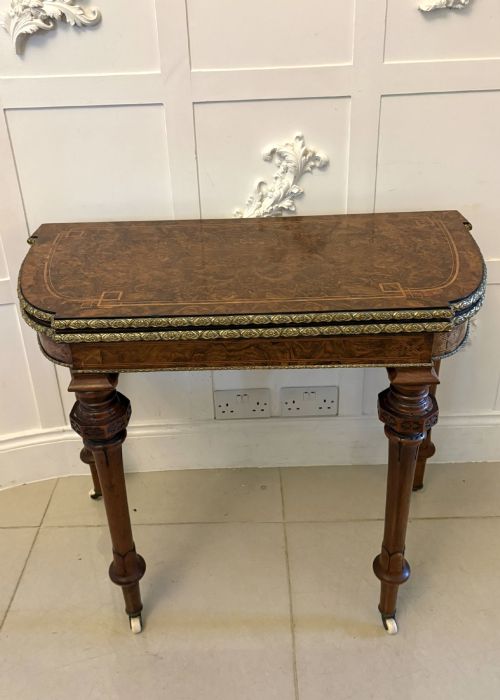
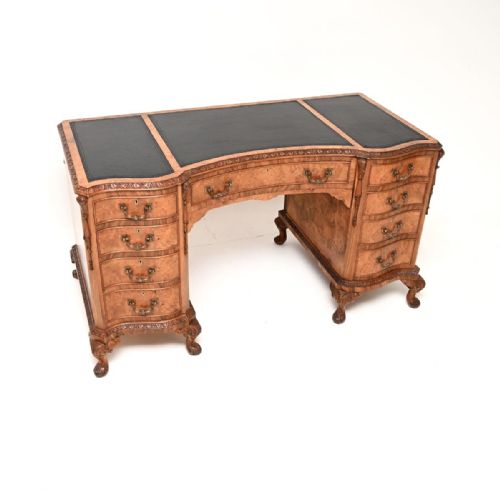
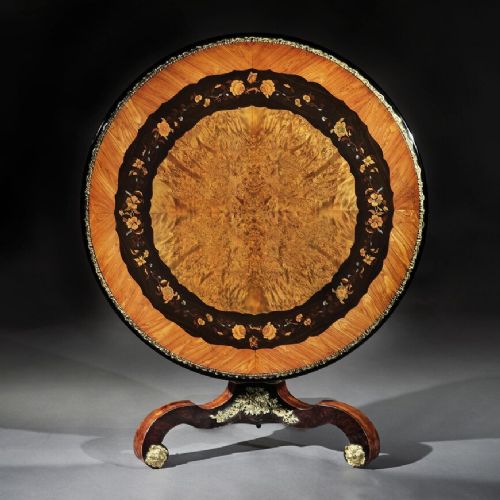
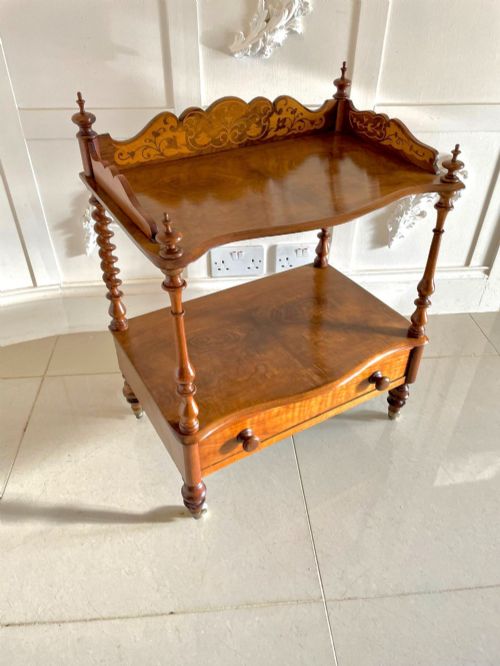
Inlay work in boxwood and marquetry floral details frequently border the main surfaces, complemented by brass fittings and inset leather writing panels on desks.
Listings feature burr walnut, burr oak, and burr birch across periods from the 18th century to 1930.
Craftsmanship and Grain
The finest examples display exceptionally dense and symmetrical burr grain formations across wide surfaces without disruptive patches or clumsy repairs.
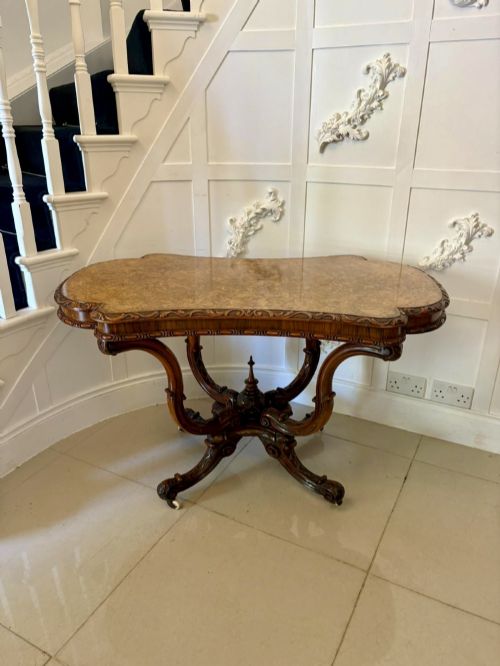
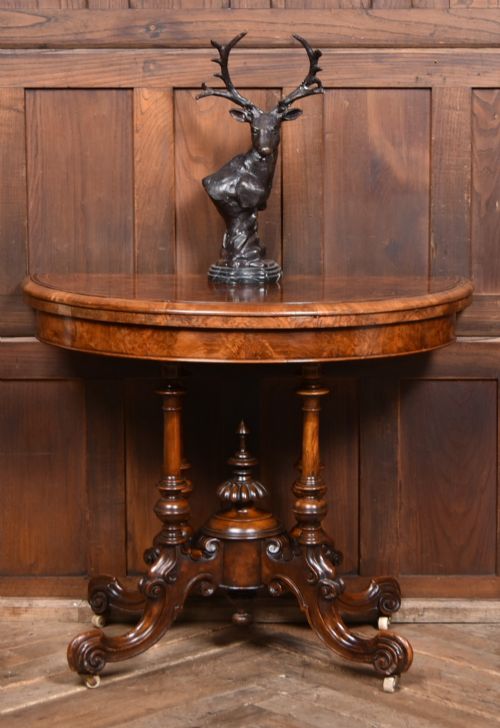
Carved wooden details, such as pedestal bases or basket supports on card tables, show the depth of hand-chutting and structural integrity distinguishing master workshops from standard production.
Edward Holmes Baldock·Maurice Adams·Maple and Co
The Antique Burr Table Glossary
- Burr
- A growth deformity on a tree trunk that produces knotty timber with chaotic, highly decorative grain patterns when sliced into veneer.
- Marquetry
- The art of applying small pieces of wood veneer to a structure to form decorative patterns and pictures.
- Tilt Top
- A table mechanism allowing the top to pivot vertically for storage when not in use.
- Sutherland Table
- A narrow drop-leaf table with exceptionally slender folding leaves supported by swinging gate legs.
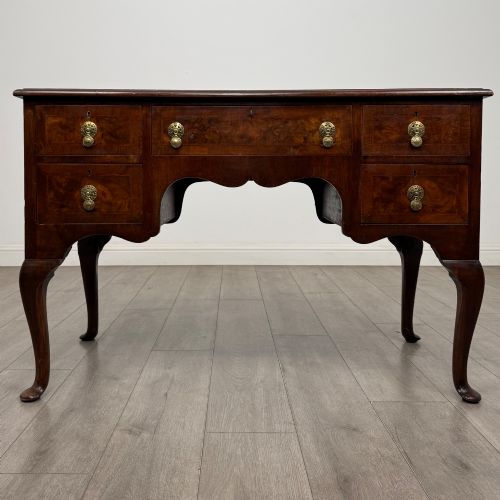
- Kneehole Desk
- A compact writing desk featuring a central recess for the user's legs flanked by pedestals of drawers.
Antique Burr Table: Frequently Asked Questions
What is an antique burr table?
These pieces are tables veneered in knotty wood growths, creating rich, swirled patterns across the surface.
They appear mostly in Victorian and Edwardian forms such as centre tables, games tables, and desks.
How were they used historically?
Many served as centre tables in drawing rooms to display decorative items or lamps.
Others functioned as games tables, writing desks, or dining surfaces depending on their size and folding mechanisms.
How do I care for burr walnut?
Keep the wood away from direct sunlight and excessive heat sources to prevent the veneer from drying out or lifting.
Apply a traditional wax polish occasionally to nourish the grain and maintain the surface sheen.
How can I tell the period?
Victorian examples often feature heavy carved pedestals, marquetry inlays, and tilt-top mechanisms.
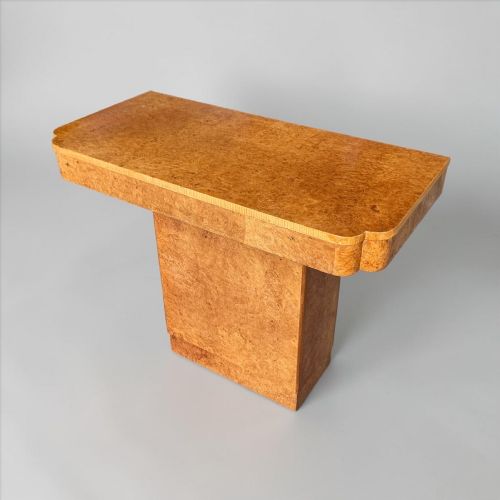
Art Deco pieces display clean geometric shapes, while 18th-century pieces rely on simple proportions and figured timber.