
Antique Burr Furniture
Antique burr furniture turns nature's gnarled imperfections into polished surfaces on chests, tables, and cabinets.
Antique Burr Furniture
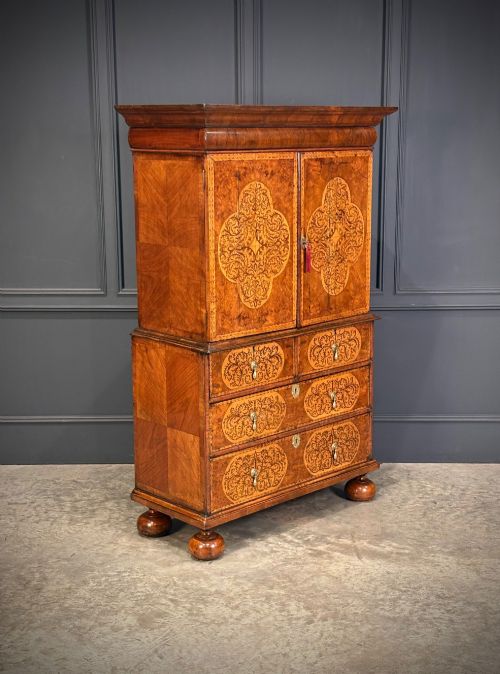
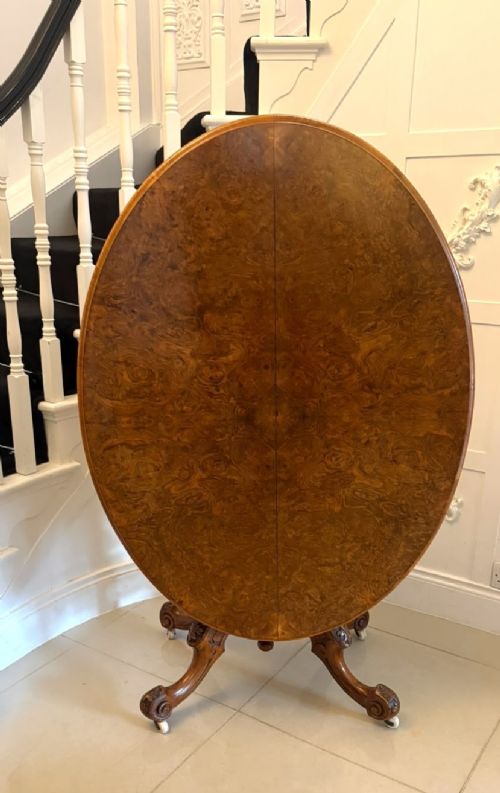
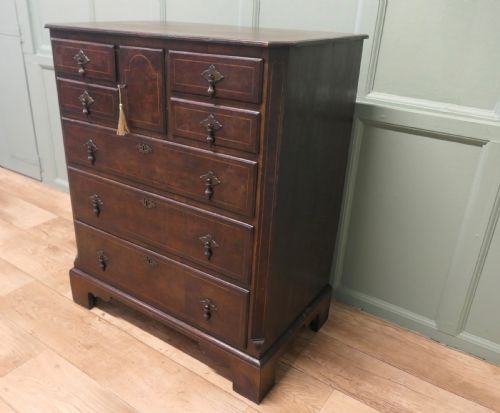
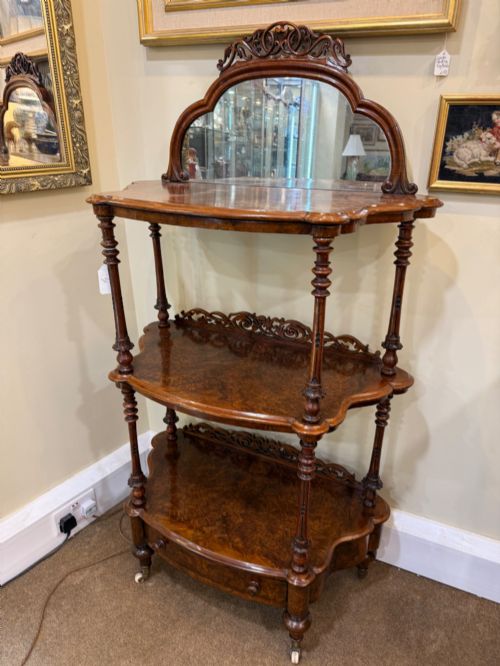
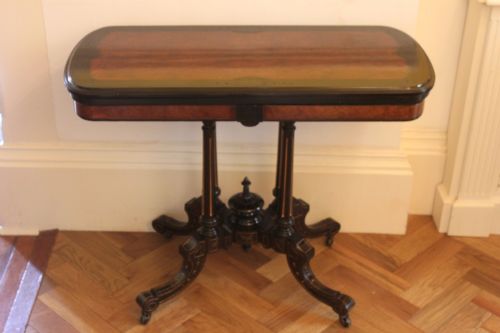
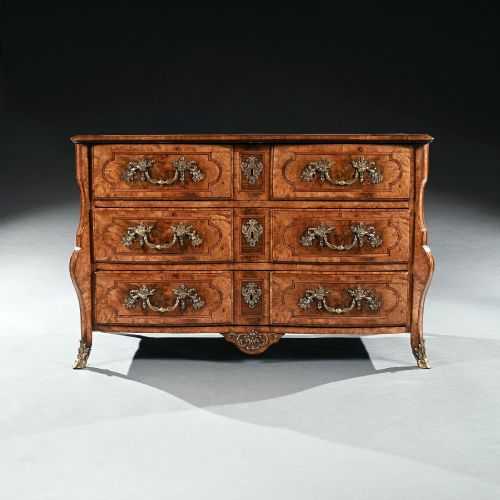
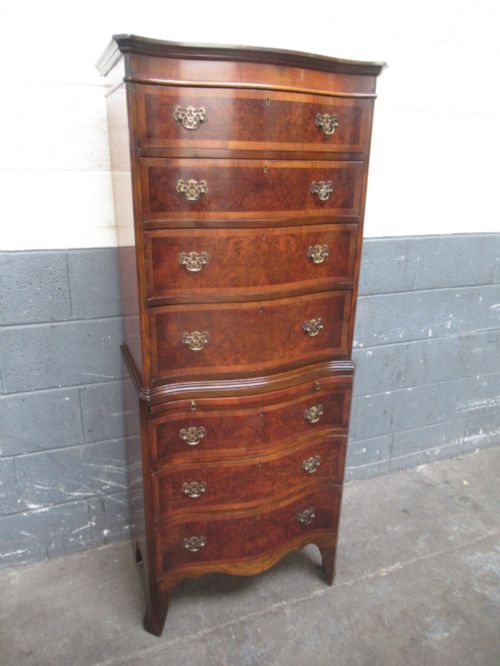
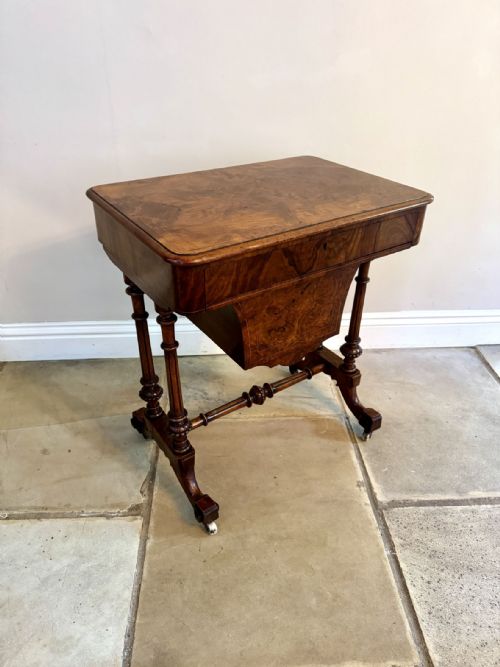
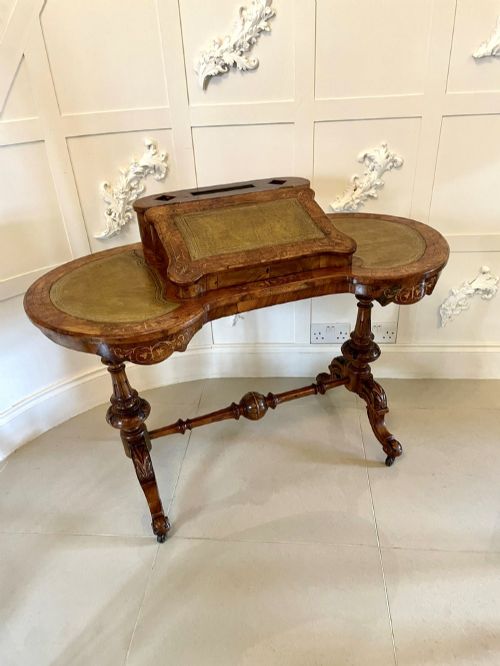
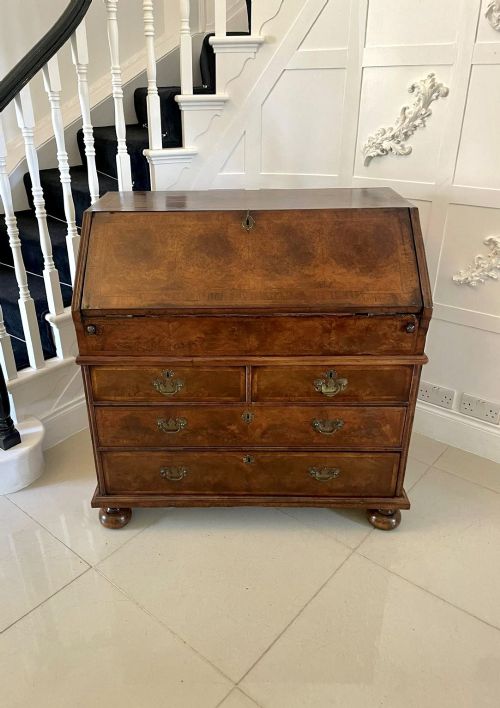
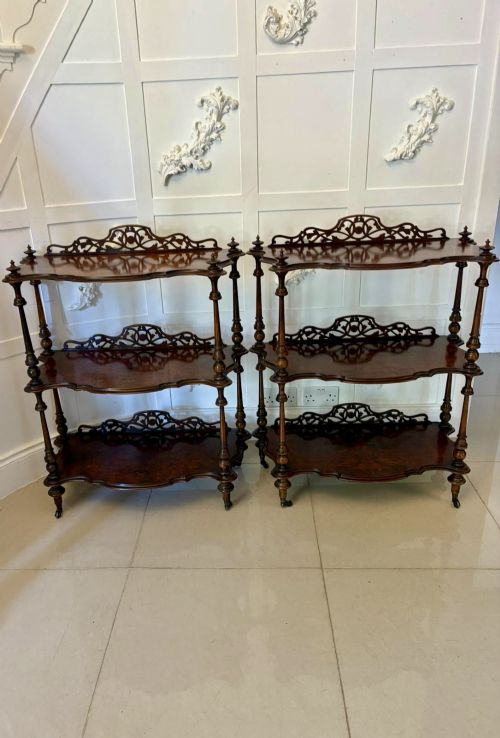
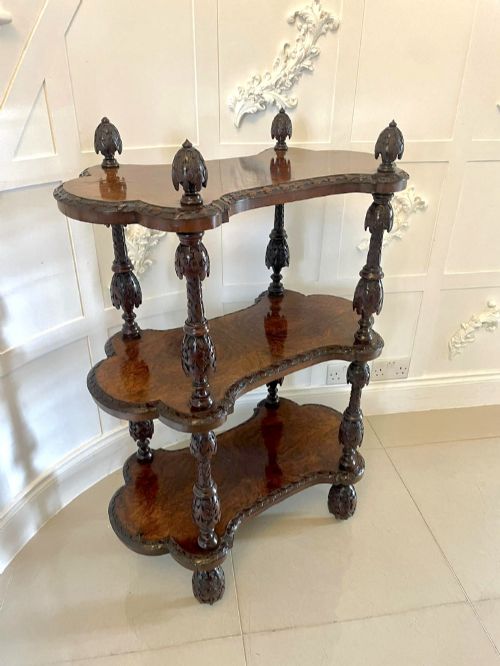
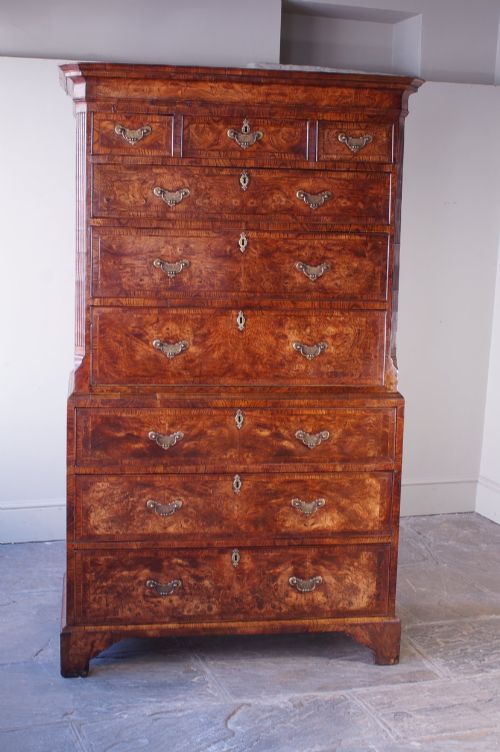
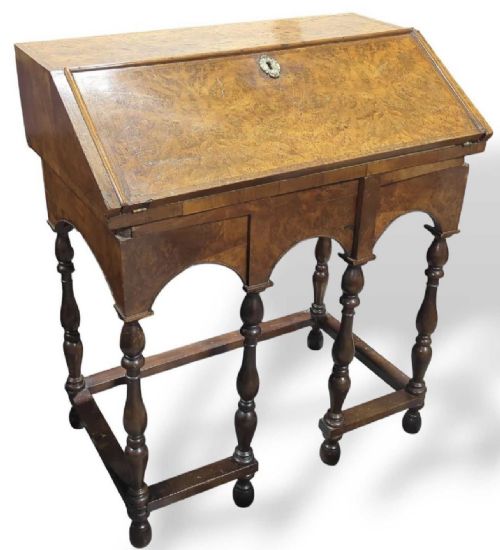
When you search for antique burr furniture, you encounter pieces defined by swirling, knotty wood grain that creates complex natural patterns across the surface. These items span from the 18th century through the Victorian era and into Art Deco periods, encompassing forms such as chests of drawers, writing desks, and whatnots.
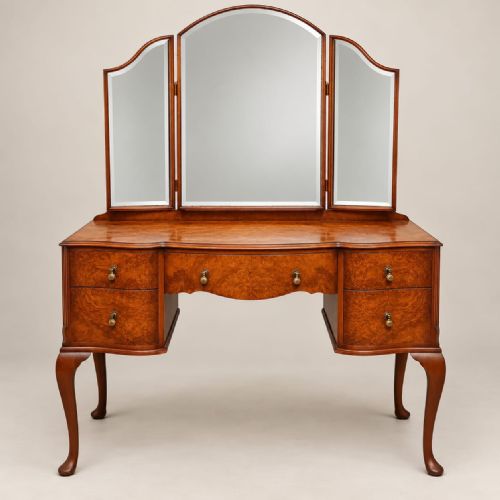
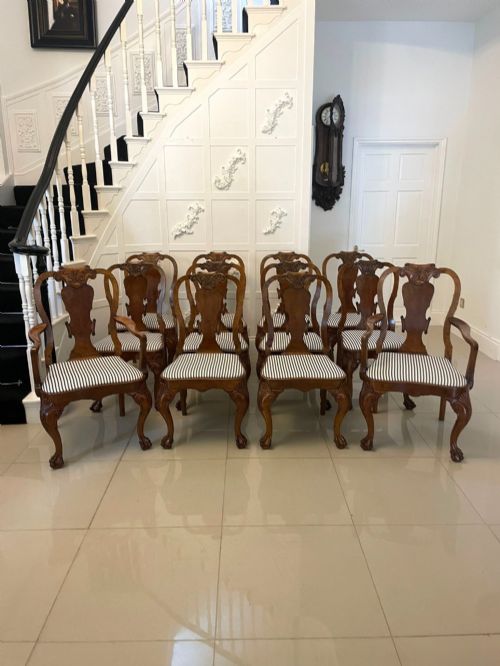
The most common examples on this page are Victorian and 1920s pieces rendered in burr walnut, alongside occasional walnut, oak, and burr birch examples. Cabinet makers utilised these striking veneers on formal case furniture, creating functional domestic items that also served to display rich timber figures.
Originating in workshops across England, Sweden, France, and the Netherlands, these items range from William and Mary bureaus to Swedish serpentine chests. The variety reflects changing domestic needs for storage and display across different European centres of cabinet making.
How they were made
Craftsmen created these pieces by slicing thin sheets of burr veneer from the growth excrescences on trees, where branching causes intricate, swirling grain patterns to form. These delicate veneers were then painstakingly applied to solid secondary timbers using traditional animal glues.
Makers enhanced the timber's natural movement and depth through techniques like crossbanding, herringbone inlay, and ebonisation. Ormolu mounts, brass handles, and leather writing inserts frequently complemented the polished wood surfaces.
Materials recorded across the inventory include Burr Walnut, Burr Birch, Ormolu, and Leather.
What varies in quality
Quality rests primarily in the selection and matching of the timber veneer across the primary surfaces, where symmetrical grain alignment requires considerable skill. The crispness of the surrounding crossbanding and the retention of original brass hardware or marquetry details further separate standard production from exhibition pieces.
Structural integrity of the underlying carcase dictates longevity, as warping or shrinkage in inferior secondary timbers places stress on the brittle burr veneer. Refinement in proportions, such as serpentine curves and carved supports, distinguishes ambitious workshop output from simpler domestic items.
Thomas Hache of Grenoble·Gillows
The Antique Burr Furniture Glossary
- Burr
- A growth on a tree where grain grew in a deformed manner, producing intricate swirling patterns when sliced into veneer.
- Crossbanding
- A strip of veneer applied around the border of a panel with the grain running perpendicular to the central section.
- Herringbone inlay
- A decorative pattern formed by laying small strips of veneer in a V-shaped arrangement resembling a fish skeleton.
- Canterbury
- A low freestanding stand originally designed for holding sheet music or loose papers, often fitted with sloped partitions.
- Whatnot
- A piece of open shelving supported by slender columns, used for displaying ornaments and small decorative objects.
- Mazarin commode
- A low cabinet or desk featuring a central recessed cupboard flanked by banks of drawers, often associated with provincial French workshops.
Antique Burr Furniture: Frequently Asked Questions
What is burr walnut?
Burr walnut is a timber veneer sliced from the deformed growths on walnut trees, prized for its swirling, highly figured grain patterns.
Cabinet makers applied these thin sheets to the exterior surfaces of furniture to create visually striking finishes on formal pieces.
How do I clean antique burr surfaces?
Clean these surfaces using a soft, dry cloth to remove dust without disturbing the polished finish or the underlying veneer.
Avoid modern liquid polishes containing silicone, relying instead on traditional beeswax applied sparingly when the wood appears dry.
Where were these pieces used?
These items populated the principal rooms of grand houses and town residences, serving as writing desks, display cabinets, and dressing tables.
They functioned as practical storage while demonstrating the owner's taste for costly and decorative foreign timbers.
How do I distinguish 18th century from Victorian pieces?
Eighteenth-century examples often feature solid construction methods like oak carcases with hand-cut dovetails and simpler, architectural proportions.
Victorian and later items frequently employ softer secondary woods beneath heavier burr walnut veneers, accompanied by machine-made elements and machine-cut dovetailing.