
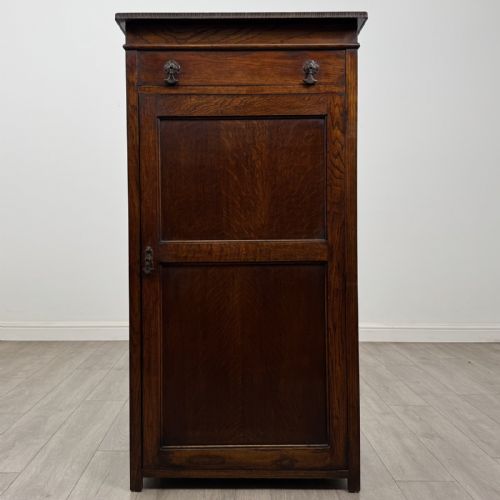
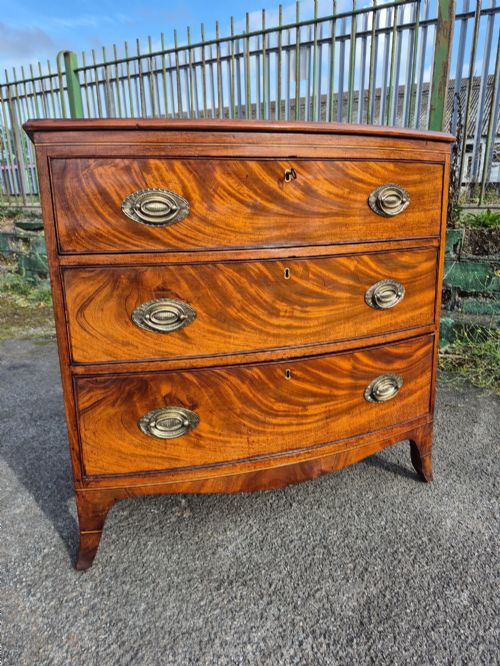
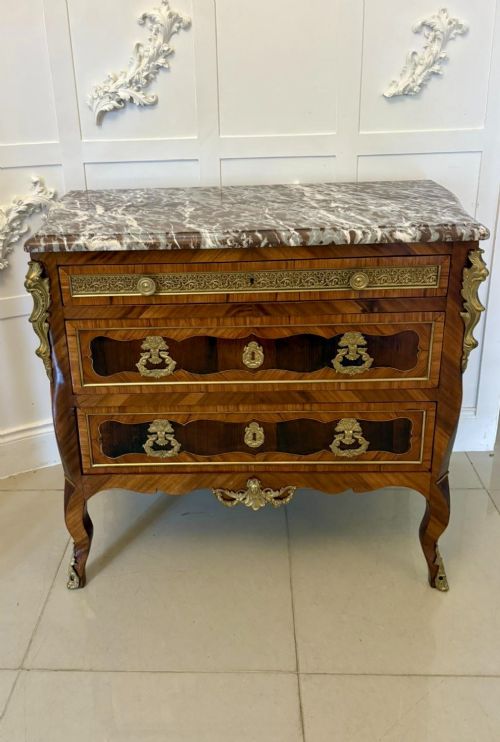
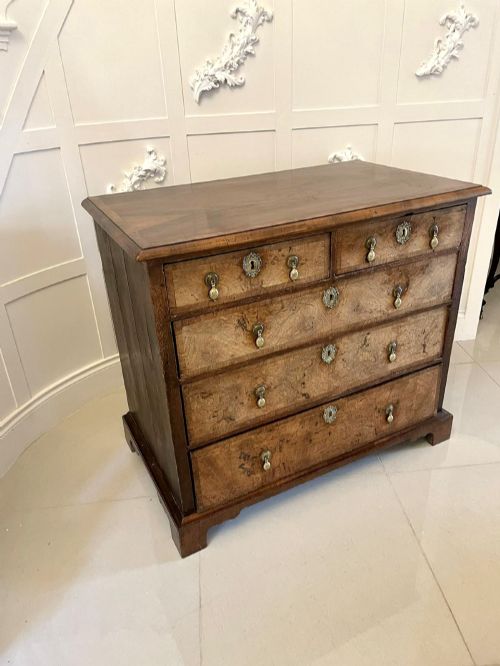
Antique Brown Storage Chest
An antique brown storage chest provides robust utility and deep timber grain, ranging from sturdy oak coffers to figured walnut cabinets.
Antique Brown Storage Chest
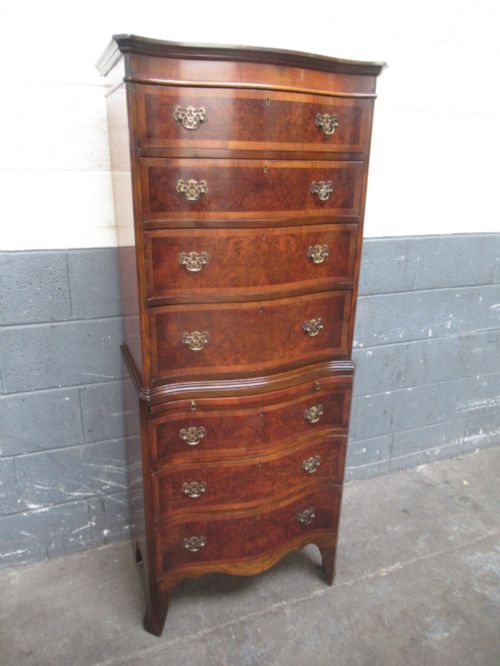
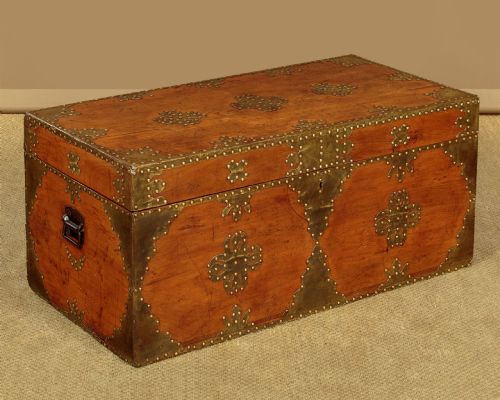
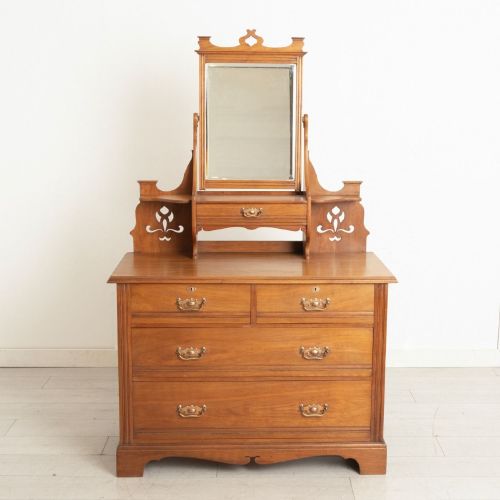
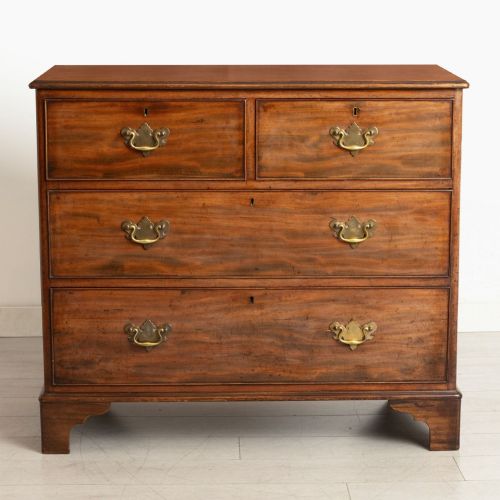
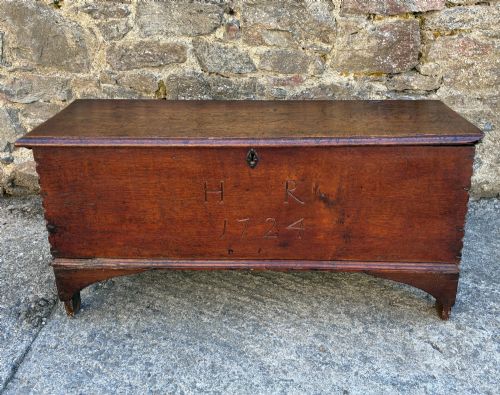
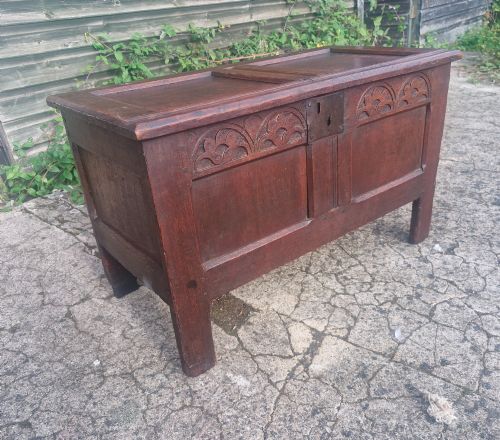
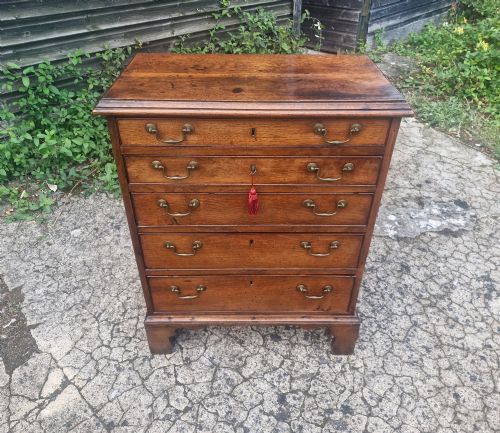
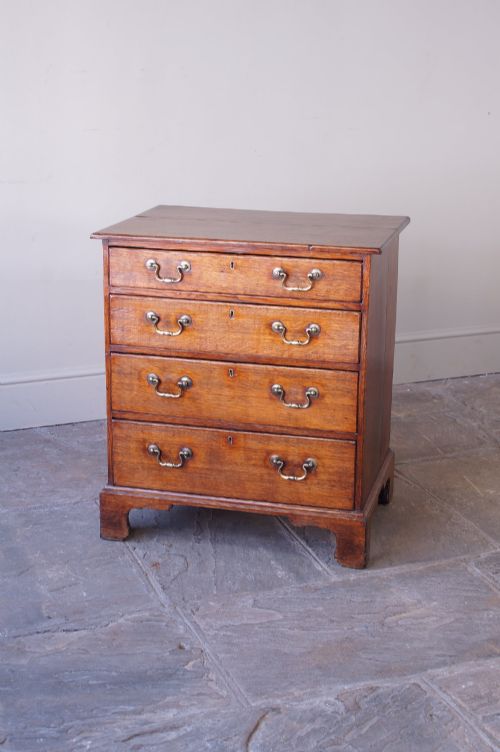
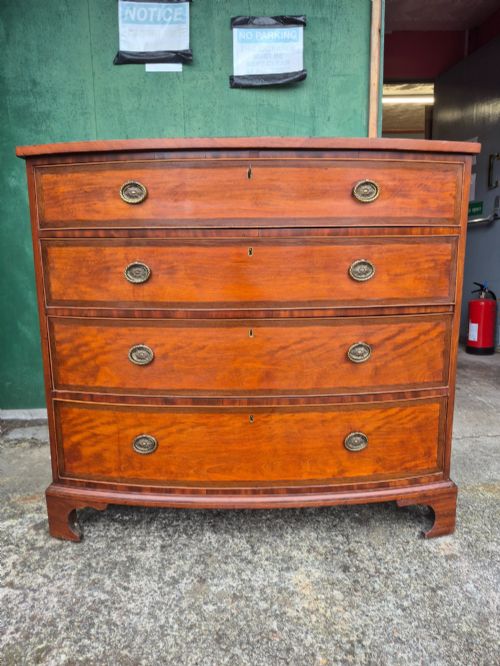
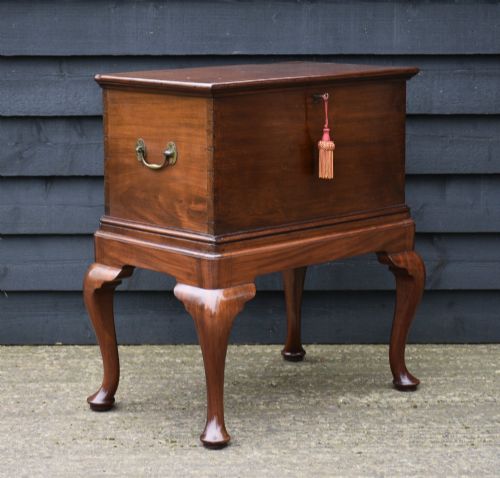
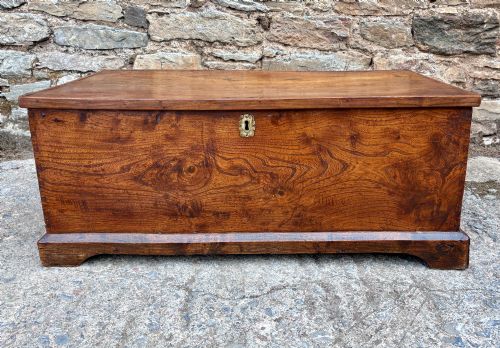
An antique brown storage chest encompasses heavy oak coffers, camphorwood trunks, and tall mahogany chests of drawers spanning the eighteenth and nineteenth centuries. Buyers frequently encounter Georgian and Regency mahogany pieces alongside solid oak examples and later burr walnut iterations.
The functional forms extend from simple six-plank coffers and document boxes to elaborate chest on chest designs, linen presses, and campaign trunks. These containers served domestic storage needs in various rooms, adapting from utilitarian trunks to refined bedroom furniture.
Materials and Construction
Cabinetmakers utilised dense hardwoods including mahogany, oak, and walnut, frequently applying burr walnut or flame mahogany veneers to visible surfaces. Crossbanding in satinwood and intricate floral marquetry added decorative contrast to drawer fronts and top panels.
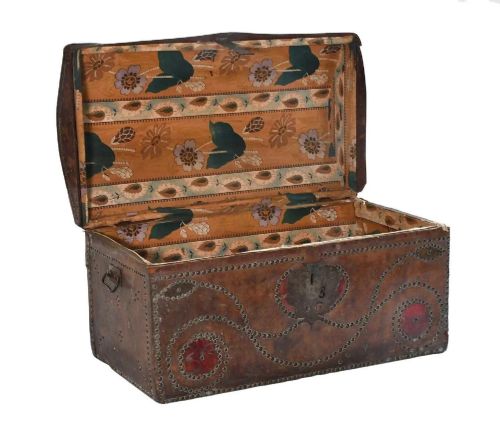
Structural integrity relied on dovetailed joints, brass bindings, and original hardware such as pierced brasses and metal studs. Campaign trunks incorporated inset brass handles and reinforced corners for transit, while domestic chests utilised solid timber framing.
Materials documented across the listings include mahogany, oak, walnut, burr walnut, camphorwood, iron, and brass.
Assessing Quality
The standard of an antique brown storage chest depends upon the depth of the timber figuring and the crispness of any carved or inlaid decoration. Finely figured burr walnut and symmetrical flame mahogany command attention for their rich tonal variation.
Originality of brass fittings, locks, and surface patination dictates the overall character. Examples retaining unpolished timber surfaces and period handles demonstrate superior preservation compared to heavily restored pieces.
The Antique Brown Storage Chest Glossary
- Coffer
- A large wooden chest traditionally utilised for storing valuables or household goods. Early examples often feature plain board construction or carved panels.
- Campaign Trunk
- A portable storage chest constructed for military officers, typically featuring brass corners, recessed handles, and robust camphorwood or mahogany panels.
- Chest on Chest
- A tall storage unit comprising a smaller chest stacked atop a larger base section, often constructed in walnut or mahogany during the eighteenth century.
- Crossbanding
- A decorative border technique where narrow strips of veneer are applied to the edges of furniture, with the grain running perpendicular to the main panel.
- Linen Press
- A tall cupboard or cabinet designed originally for storing folded linens, frequently fitted with sliding trays behind panelled doors.
Antique Brown Storage Chest: Frequently Asked Questions
Where should I place a heavy wooden chest?
These sturdy pieces suit hallways, living rooms, or bedrooms where their substantial timber presence acts as a focal point.
Ensure adequate floor support for large oak coffers or double-tiered chests, and keep them away from direct heat sources to protect the wood.
How do I care for antique timber surfaces?
Maintain the finish by dusting with a dry, soft cloth and applying a traditional beeswax polish sparingly to nourish the grain.
Avoid synthetic sprays and direct sunlight, which can dry out mahogany and walnut veneers over time.
What distinguishes campaign chests from standard trunks?
Campaign pieces were built for travel, featuring sectional designs, flush brass handles, and protective metal corners to withstand transit.
Standard domestic chests remained stationary and often incorporated decorative bracket feet or shaped aprons instead of transport hardware.
How can I identify eighteenth-century walnut furniture?
Look for rich, warm figuring with swirling grain patterns on the drawer fronts, alongside secondary timbers like oak visible in the drawer linings.
Early pieces often display hand-cut dovetailing and period brasses that differ from later nineteenth-century manufacturing methods.