
Antique Brown Sideboard
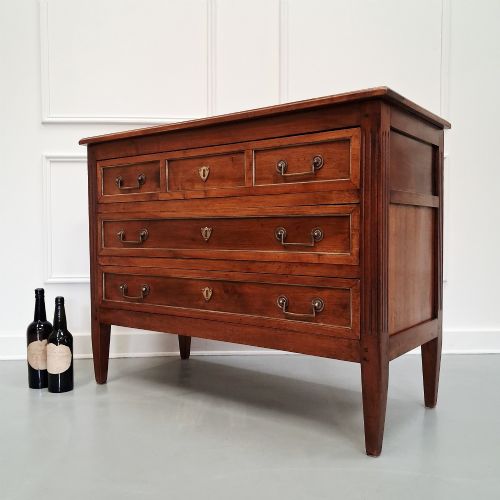
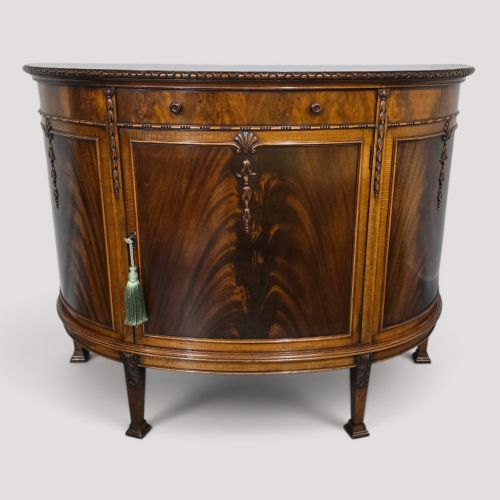
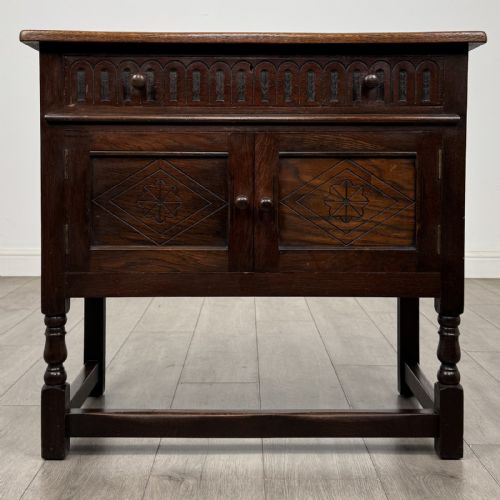
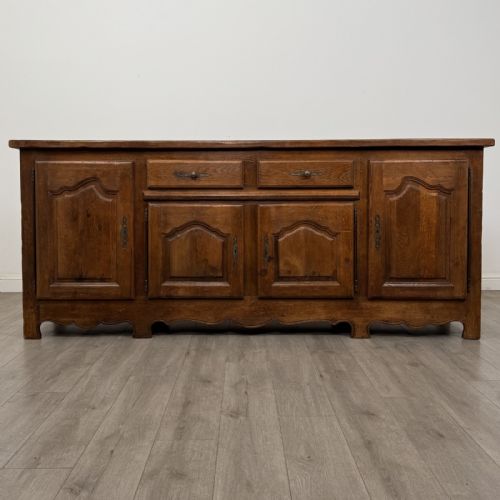
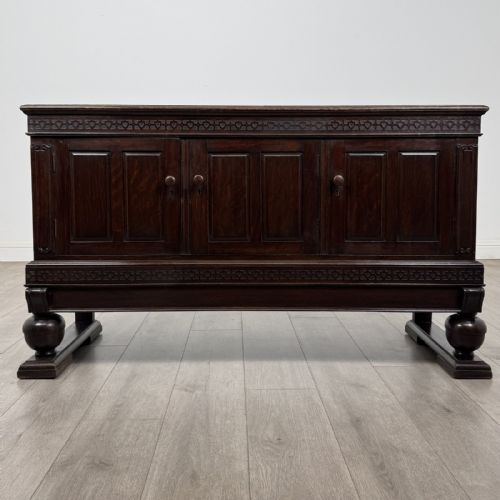
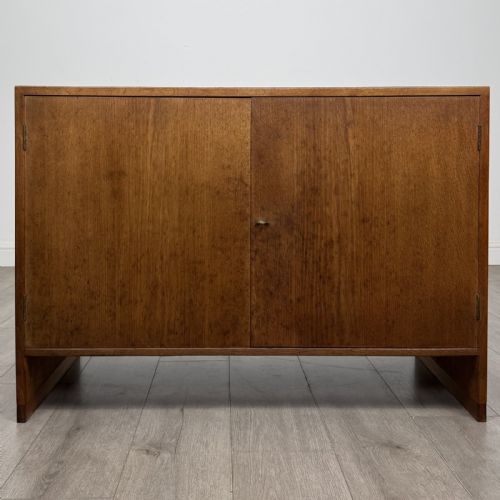
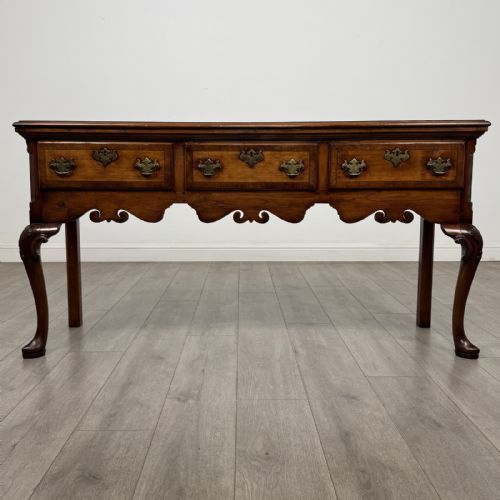
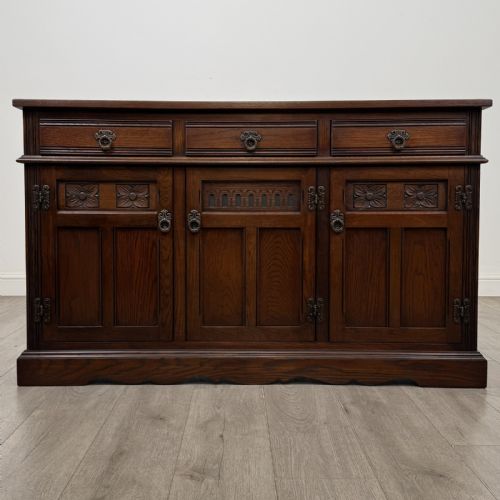
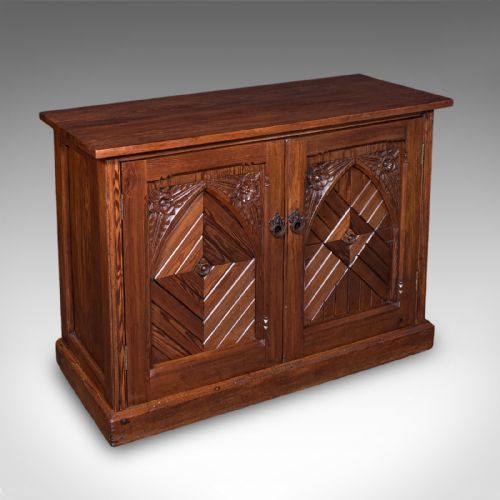
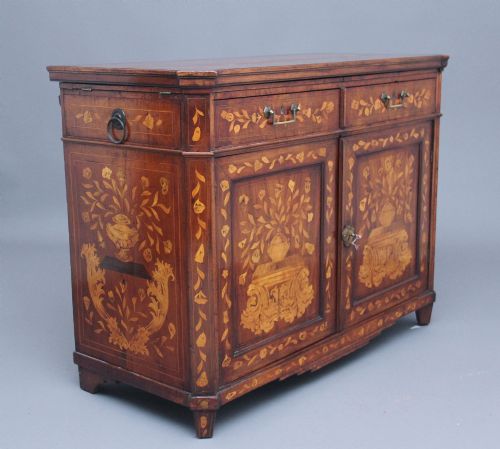
An antique brown sideboard grounds a room with deep timber tones and solid utility, spanning eras from George III to Edwardian oak.
Antique Brown Sideboard
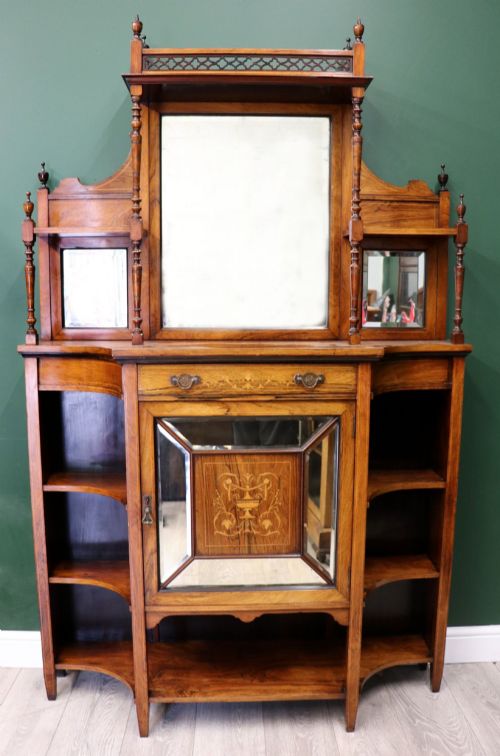
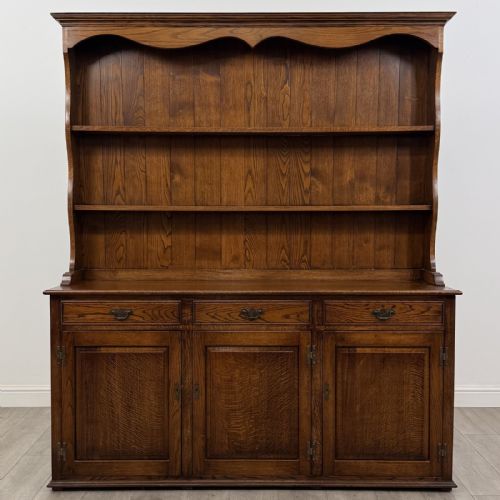
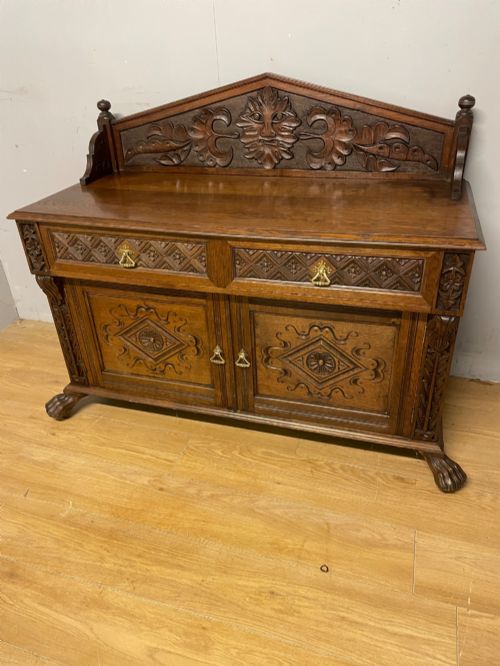
An antique brown sideboard serves as a principal dining room or hallway storage piece, encompassing heavy oak dresser bases, mahogany serving tables, and walnut credenzas. When buyers search for an antique brown sideboard, they encounter everything from formal Georgian bow-front designs to robust Victorian carved oak pieces with mirror backs.
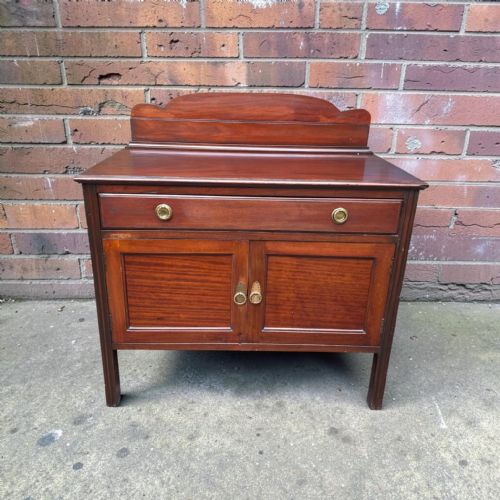
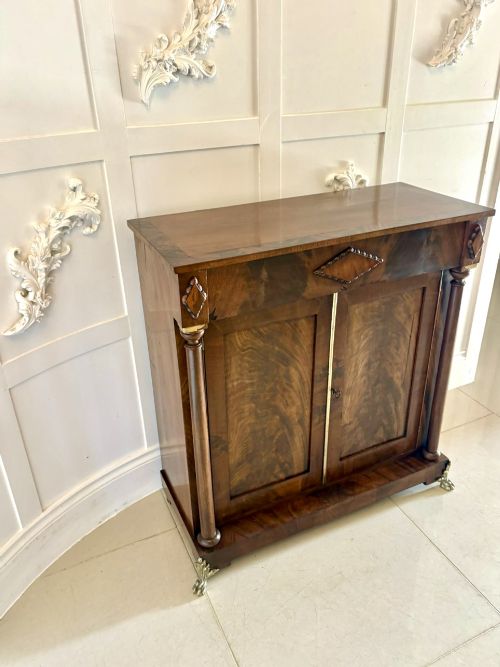
The materials dictate the deeper brown spectrum, shifting from rich red-toned mahogany to dark figured walnut and heavy amber oak. Many pieces utilise flame mahogany veneer or amboyna to add movement to the grain, while pine and fruitwood appear in simpler country or provincial iterations.
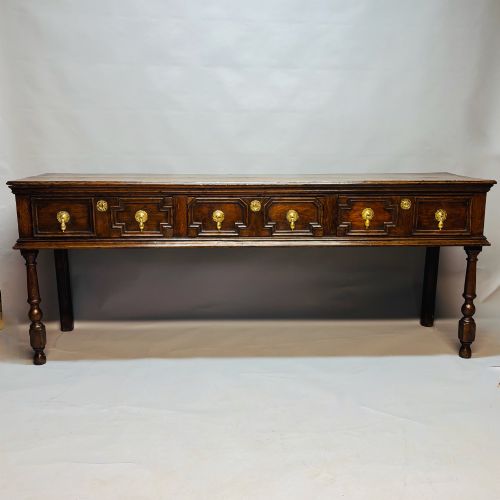
Dating ranges widely across the nineteenth and early twentieth centuries, alongside older seventeenth-century survivals and Georgian examples. Forms vary from simple cupboards and chiffoniers to large pedestal sideboards and marble-topped enfilades.
How they were made
Cabinet makers built these brown sideboards primarily using solid timber carcases overlaid with figured veneers like mahogany or burr walnut on primary display surfaces. Secondary timbers such as pine and oak formed internal drawer linings and backboards, joined with traditional dovetails and mortise and tenon construction.
Surface decoration relied heavily on timber selection itself, enhanced by hand-carving, satinwood crossbanding, and brass handles rather than applied colour. French polishing or wax finishes brought out the natural depth of the brown wood grain, protecting the surface while deepening the tone over centuries.
Listings feature brown sideboards spanning the 17th, 18th, 19th, and early 20th centuries, executed in oak, mahogany, walnut, and pine.
What varies in quality
Quality rests principally in the selection of the timber grain and the precision of the cabinetmaker's joinery, such as tightly cut dovetails on the drawers. Superior examples display continuous, matched veneer panels and crisp, deep hand-carving rather than shallow machine work.
Proportion and structural integrity define the higher tier, where heavy sideboards retain flat tops, smooth drawer runners, and original brass hardware without sagging carcases. Lesser pieces may show heavy timber shrinkage, clumsy timber replacements, or crude later alterations to the interior shelving.
G. Bartholomew & Co
The Antique Brown Sideboard Glossary
- Chiffonier
- A low sideboard or cabinet with a raised shelf or gallery on top, common in Victorian interiors. It evolved from earlier serving tables to provide enclosed storage for dining silver and linens.
- Credenza
- A sideboard or buffet typically lacking legs, sitting low to the floor with enclosed cupboards. Victorian versions often incorporated glass doors and inlaid amboyna or walnut.
- Dresser base
- A low wooden unit featuring drawers above lower cupboards or open pot boards, originating in country houses for kitchen or dining use. Early examples frequently utilise solid oak or fruitwood.
- Crossbanding
- A decorative border technique where thin strips of veneer are laid perpendicular to the grain of the main panel. This frames the top surface of formal mahogany and walnut sideboards.
- Bow front
- A convex, outwardly curved front edge typical of formal Georgian and Regency serving tables. It softens the room's geometry while increasing internal storage capacity.
- Enfilade
- A long sideboard or buffet style associated with French furniture design, often featuring a marble top above carved oak or walnut doors.
Antique Brown Sideboard: Frequently Asked Questions
How do I date an oak sideboard?
Examine the timber grain, drawer construction, and structural hardware to determine the period. Hand-cut dovetails and pegged joints usually point to earlier Georgian or seventeenth-century origins.
Later Victorian and Edwardian pieces often incorporate machine-sawn timber, applied mouldings, and heavier machine-carved decorations such as green man motifs or raised galleries.
Where should I place a sideboard?
A sideboard traditionally anchors the dining room wall, offering surface space for serving food and deep drawers for storing cutlery and linens. They also function well in large hallways or living rooms as media units or display surfaces.
Ensure you measure the depth and length carefully, as nineteenth-century pedestals and mirror-backed sideboards require substantial wall clearance.
How do I care for antique mahogany?
Protect antique mahogany by keeping it away from direct sunlight and sudden changes in central heating, which can dry out the timber and crack veneers. Dust regularly with a dry cloth and apply a quality beeswax sparingly to nourish the wood.
Avoid silicone-based sprays, as they build up a residue and dull the natural warmth of the brown polish over time.