
Antique Brown Dressers
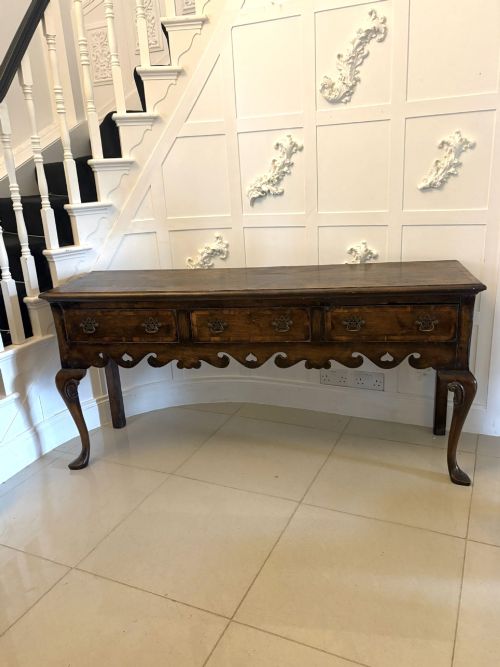
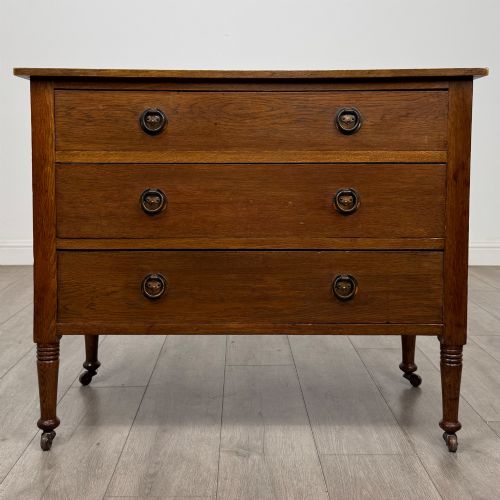
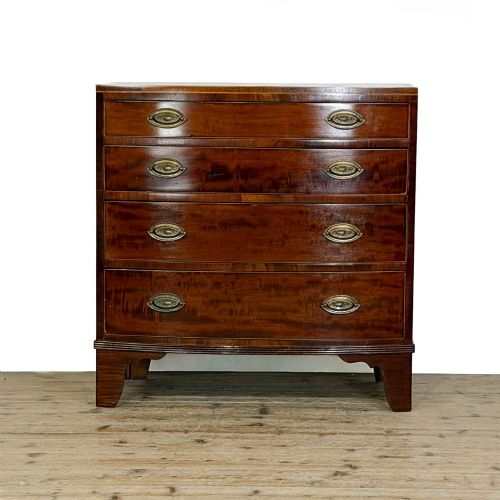
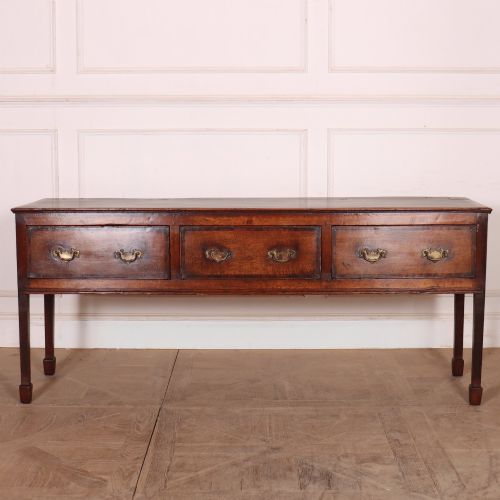
These antique brown dressers bring rich timber tones and practical storage to a room, ranging from kitchen potboard bases to elegant bedroom chests.
Antique Brown Dressers
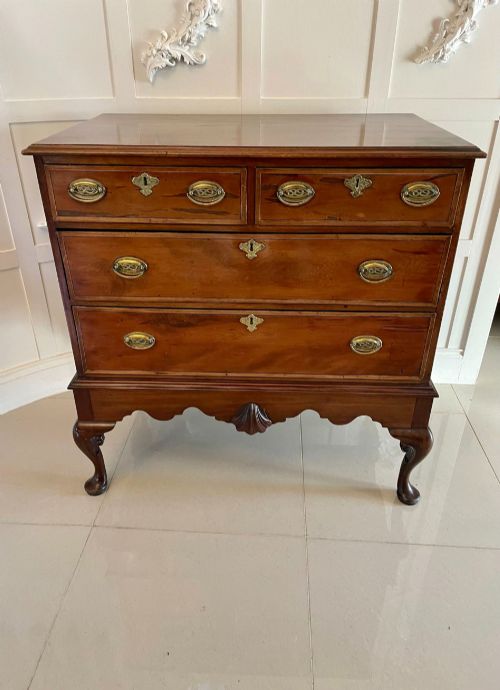
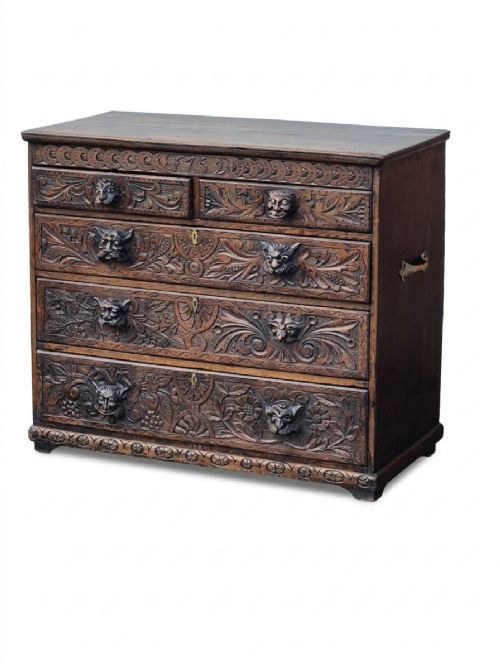
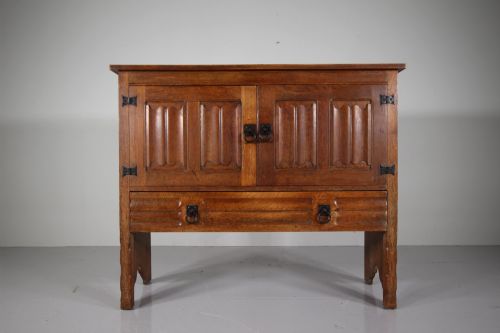
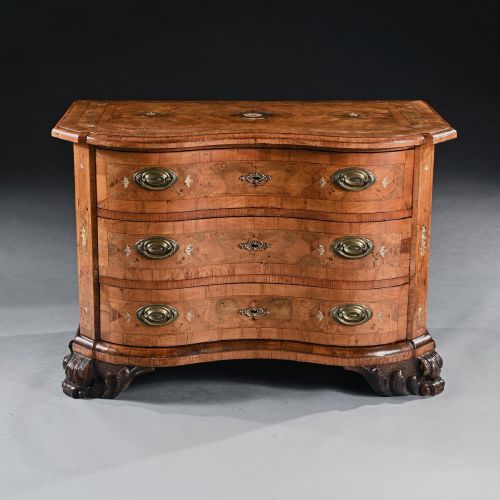
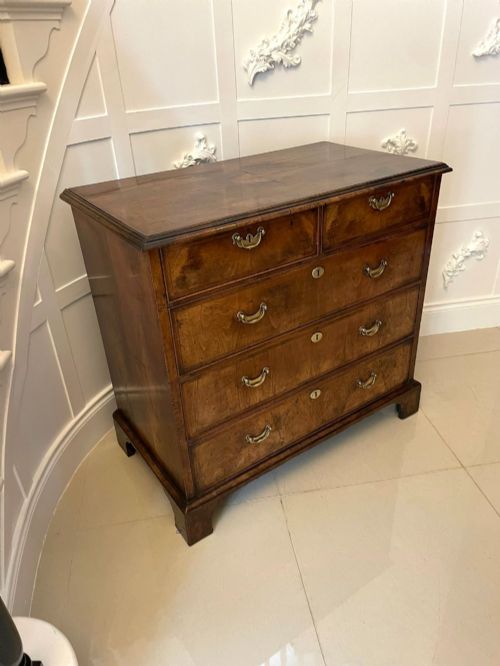
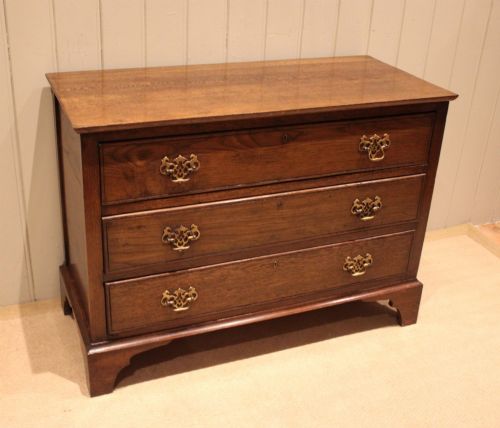
The selection on this page relies heavily on regional oak country pieces alongside formal mahogany and walnut bedroom chests of drawers. English, Irish, French, Dutch, and German origins appear across the periods, showing distinct local preferences for timber selection and hardware.
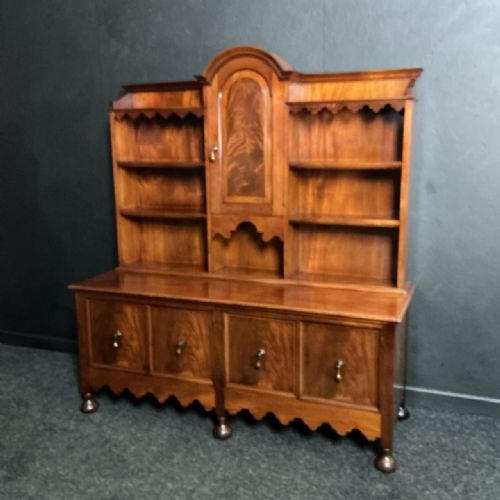
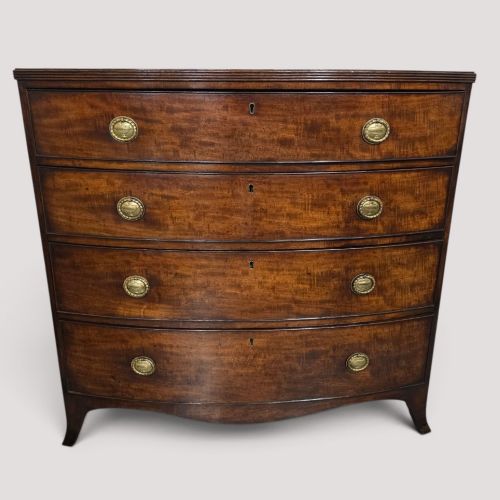
Form follows function closely in these brown wooden furnishings, moving from open rack dresser bases designed for daily scullery work to refined bow front and serpentine commodes built for formal reception rooms.
What varies in quality
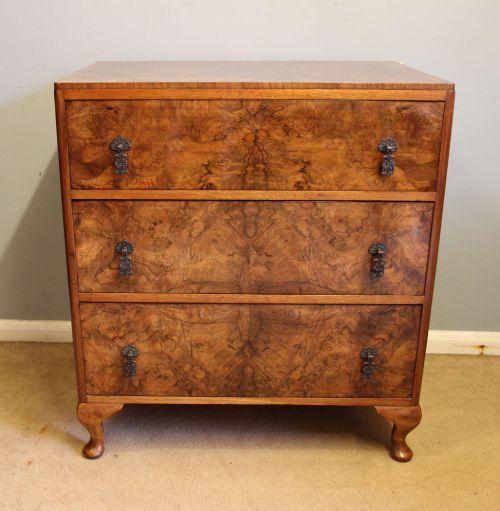
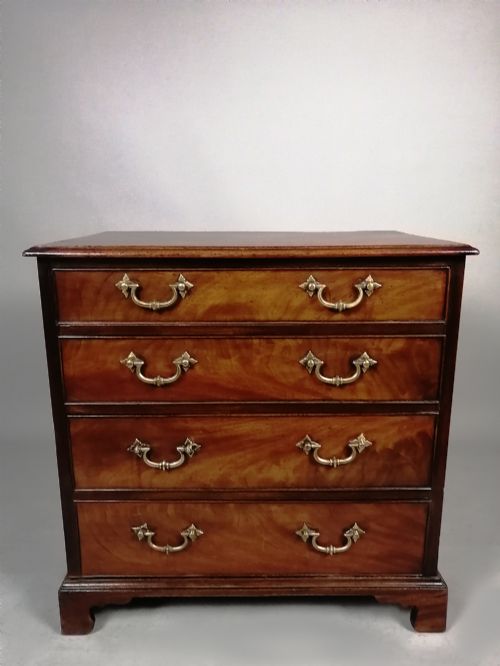
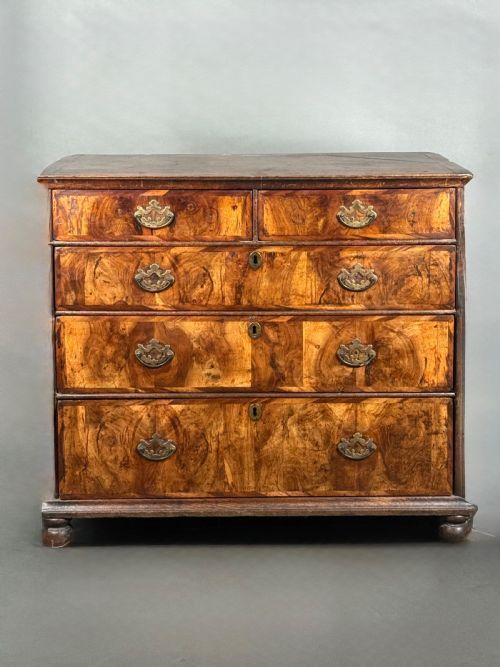
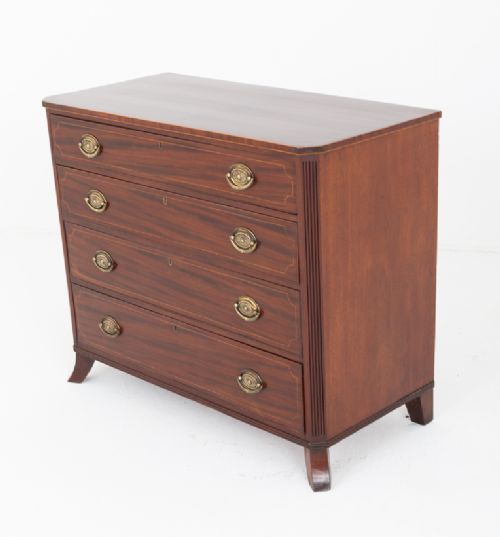
The distinction between standard utility items and exceptional pieces rests in the choice of timber figure, such as highly figured burr walnut or rich flame mahogany veneer. Superior examples display thoughtful grain matching across multiple drawers and intact original hardware.
Structural integrity and the survival of original patination dictate overall excellence. Pieces retaining their early surface finish, crisp hand carved mouldings, and smoothly operating drawers sit firmly at the top of the range.
Listings feature oak, mahogany, walnut, burr walnut, and flame mahogany veneer across eighteenth, nineteenth, and early twentieth century periods.
The Antique Brown Dressers Glossary
- Potboard
- An open slatted lower shelf on an early dresser base, originally designed for storing damp earthenware pots. It forms a defining characteristic of English country oak furniture.
- Bow front
- A convex curved front on a chest of drawers or commode. This shape gained immense popularity during the Georgian and Regency periods.
- Serpentine
- A horizontally undulating front edge shaped with a central convex curve flanked by concave sweeps, frequently seen on eighteenth century commodes.
- Brushing slide
- A pull out wooden shelf integrated into the upper section of a chest of drawers, used historically for folding garments or serving drinks.
- Marquetry
- Decorative veneer work forming pictorial or geometric patterns using diverse woods, metals, or ivory set into a contrasting background ground.
Antique Brown Dressers: Frequently Asked Questions
How do I date an oak dresser?
Dating relies on examining construction methods, timber choice, and hardware. Early pieces feature pegged joinery and hand sawn boards.
Later Victorian and Edwardian examples show machine cut elements and different drawer lining timbers.
Where were brown dressers used?
Kitchen dressers with potboards served in working farmhouse sculleries for storing crockery and food supplies. Mahogany chests and commodes belonged in formal bedrooms and sitting rooms.
Housekeeper's cupboards provided large scale linen storage in grand country houses.
What is the difference between a dresser and a chest?
A dresser typically combines storage cupboards or drawers with display shelving or functions as a kitchen base. A chest of drawers consists solely of stacked horizontal drawers for clothing.
Both categories utilise rich brown hardwoods.
How do I care for antique timber?
Keep wooden furniture away from direct heat sources and dramatic humidity changes to prevent timber splitting. Apply traditional beeswax periodically to maintain the surface sheen.
Avoid modern silicone polishes that build up residue over time.