
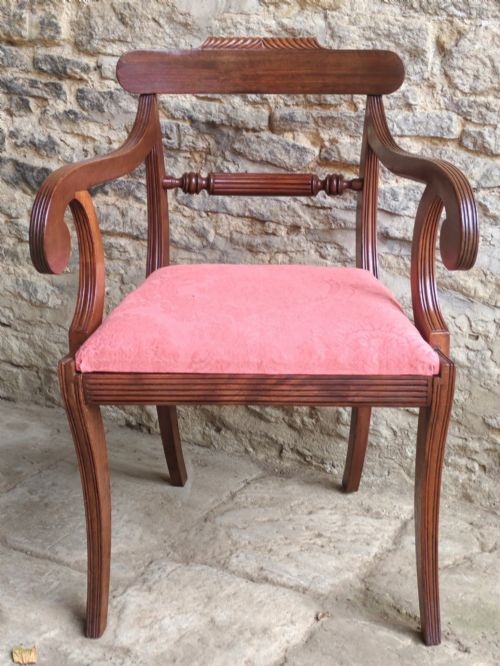
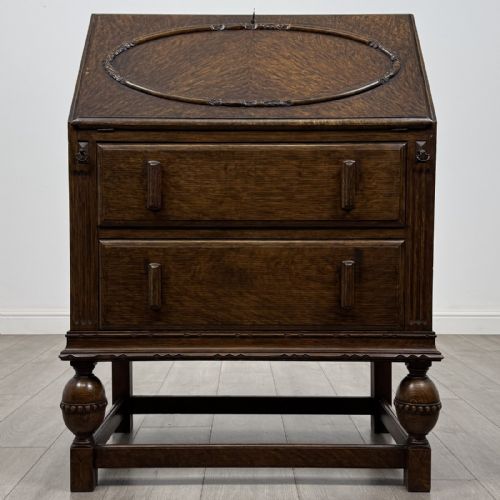
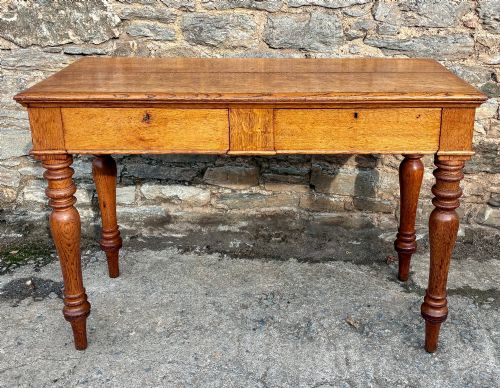
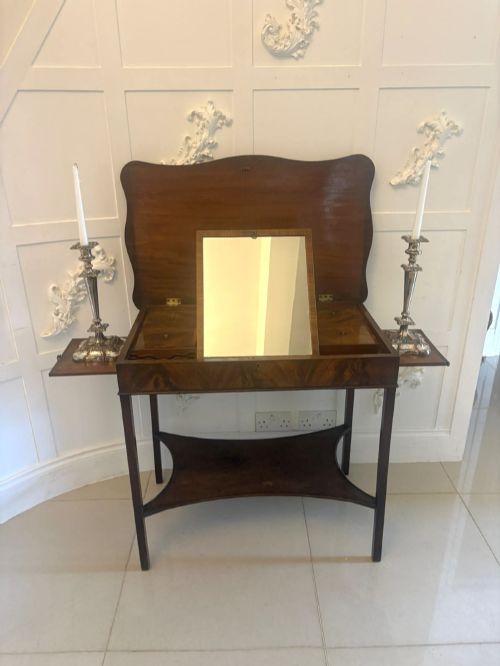
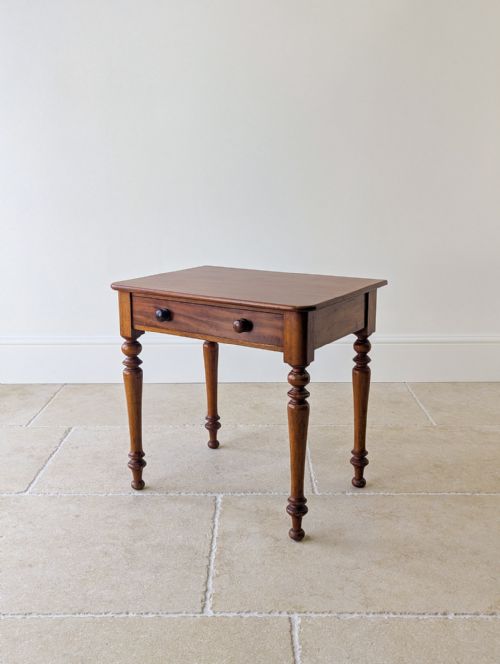
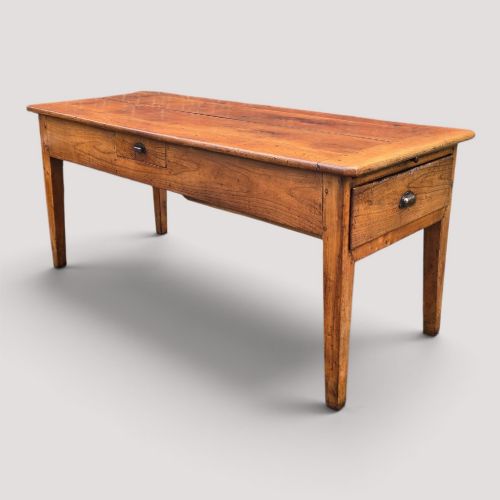
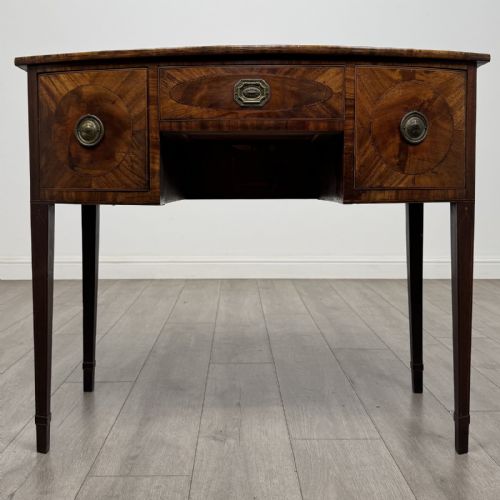
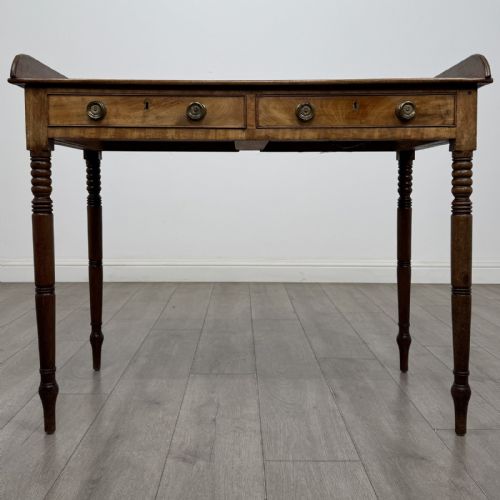
Antique Brown Desk
An antique brown desk offers robust timber construction and traditional workspace utility, bringing period character and practical surface area into a study.
Antique Brown Desk
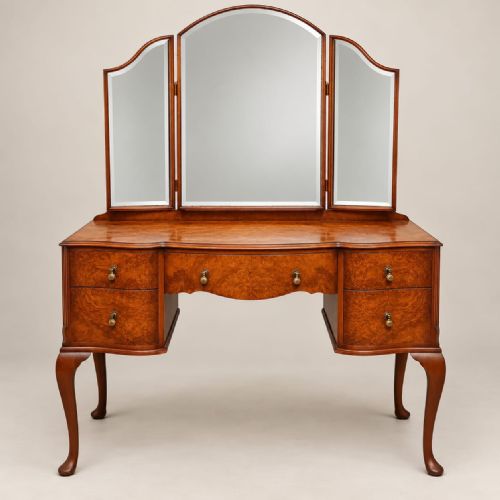
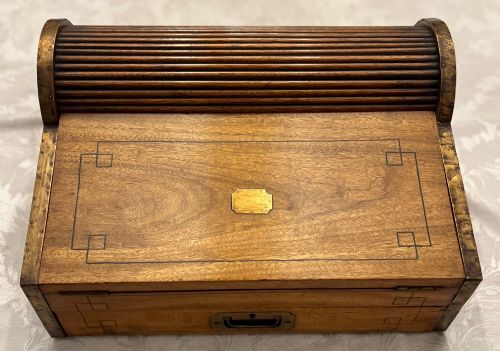
An antique brown desk encompasses various timber writing surfaces, partners desks, and bureaus originating from periods such as the Georgian, Victorian, and Edwardian eras. These pieces serve functional workspace needs while displaying the distinct proportions and joinery of their respective centuries.
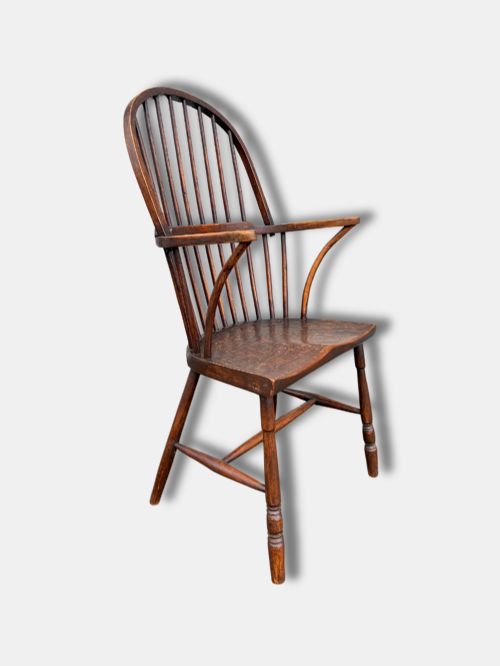
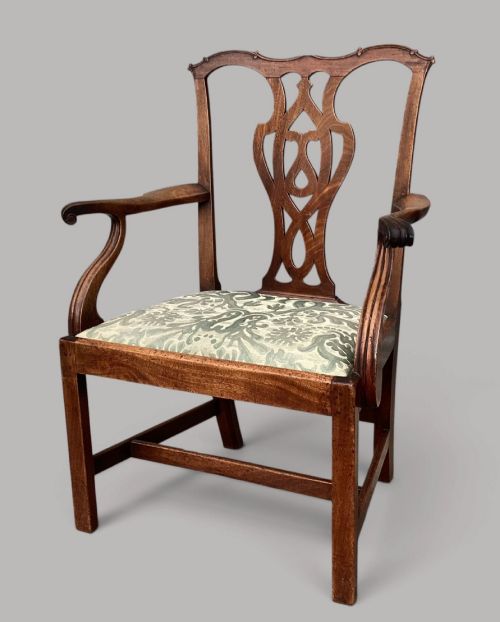
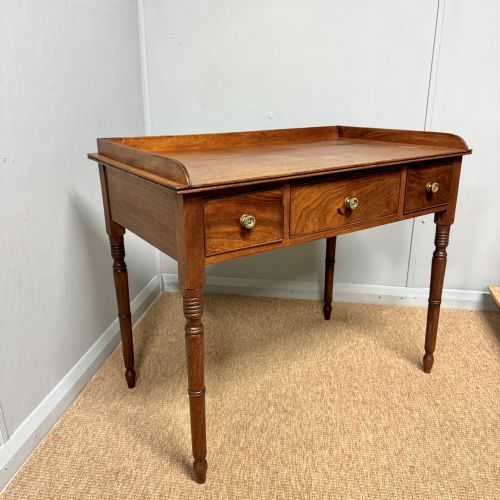
The versions most commonly met on this page include mahogany writing tables and oak desks, often fitted with drawers and traditional leather writing surfaces. Alongside these are related seating forms like revolving desk chairs and armchairs constructed from oak, mahogany, and elm.
Originating from British and continental workshops, these items reflect the prevailing design vocabulary of their time, ranging from early lowboys and simple oak forms to refined satinwood and ebony inlaid pieces.
Materials and Technique
Cabinet makers utilised dense hardwoods including mahogany, oak, walnut, burr walnut, and elm to construct the primary carcases and frames of these desks and tables. These timbers were selected for durability and finished to highlight natural grain patterns, sometimes incorporating secondary woods or decorative veneers.
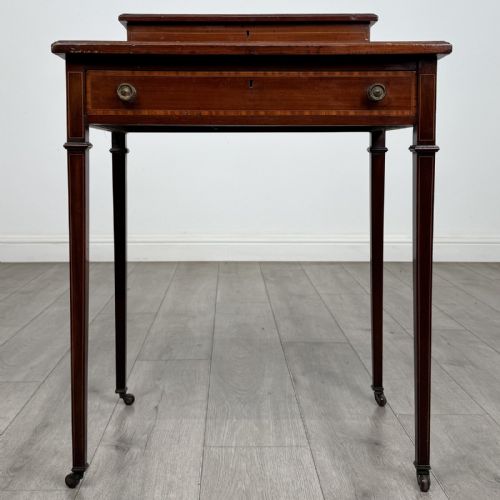
Surface details often include brass hardware, leather writing inserts, and inlaid decorative elements such as satinwood and ebony stringing. Construction relied on traditional joinery methods appropriate to the period, supporting heavy daily use over centuries.
Metal mounts, ormolu, and carved ornamentation appear on select bureau and writing table examples, demonstrating the range of decorative techniques applied by period artisans.
Listings feature items from the 17th century through to the 1920s, constructed predominantly in mahogany, oak, walnut, and elm.
Evaluating Quality
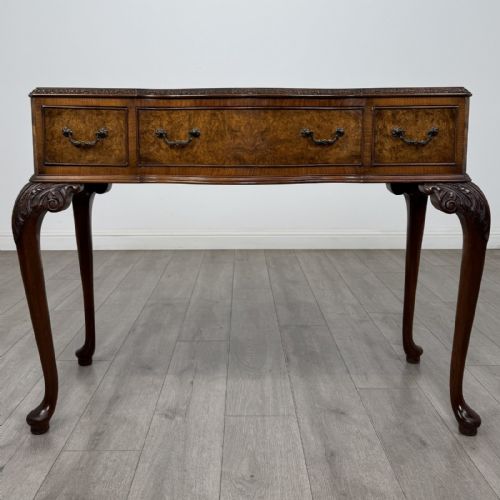
The distinction between tiers rests upon the selection of timber, the precision of cabinet work, and the integrity of original surface finishes. Superior examples display carefully matched veneers, such as burr walnut, and refined execution in carved knees, cabriole legs, or inlaid detailing.
Structural honesty and the preservation of original hardware, leather surfaces, and timber patination elevate certain desks above standard utility pieces. Finer workshops invested greater labour in internal drawer construction and proportion, ensuring the balance between decorative appeal and functional stability.
W. Walker and Sons·Rowland Ward Ltd·Edwards and Jones·Gillows
The Antique Brown Desk Glossary
- Partners desk
- A large freestanding desk designed with drawers and cupboards on both sides so two people could work opposite each other.
- Lowboy
- A small side table with one or more rows of drawers, commonly produced in oak or walnut during the eighteenth century.
- Bureau
- A desk featuring a sloping hinged writing flap that opens to reveal internal pigeonholes and small drawers.
- Ormolu
- Gilded bronze ornamentation applied to furniture mounts, popular in continental and high-style British pieces.
- Stringing
- Thin inlay work using contrasting woods like satinwood or ebony to outline drawers and tabletops.
Antique Brown Desk: Frequently Asked Questions
What is an antique brown desk?
An antique brown desk is a traditional wooden workspace dating from periods like the Georgian, Victorian, or Edwardian eras. These pieces are constructed from timbers such as mahogany, oak, walnut, and elm.
They range from simple writing tables and lowboys to large partners desks and bureaus fitted with drawers and leather writing surfaces.
How do I care for a leather top?
Leather writing surfaces require gentle cleaning with a slightly damp cloth followed by a dry cloth to prevent moisture damage. Avoid harsh chemical cleaners that strip the original dye and finish.
Applying a specialist leather balsam periodically helps maintain suppleness and prevents cracking across the writing area.
How do I date an oak desk?
Dating an oak desk involves examining the construction methods, drawer dovetails, handles, and overall proportions of the piece. Earlier pieces from the seventeenth and eighteenth centuries often display hand-cut joinery and pegged frames.
Later Victorian and Edwardian examples utilise machine-sawn timber components and different hardware styles that reflect industrial manufacturing shifts.
Where were partners desks used?
Partners desks were traditionally utilised in large offices, libraries, and estate studies where two individuals needed workspace facing one another. The double-sided design provided equal drawer and cupboard access for both users.
Today, these substantial pieces function effectively as central freestanding desks in spacious home offices or studies.