





Antique Bronze Woman
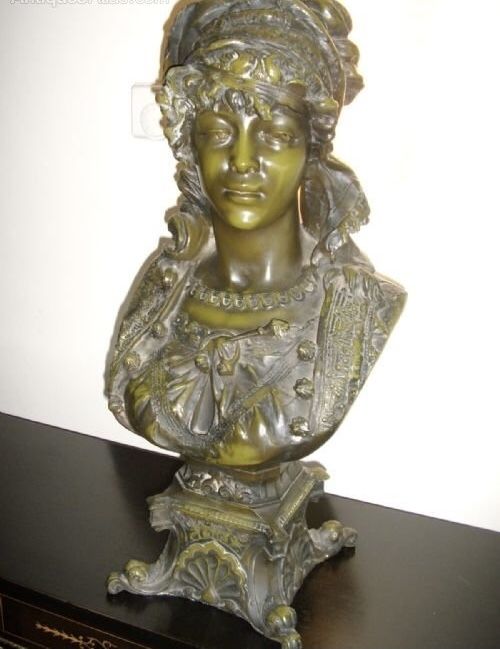
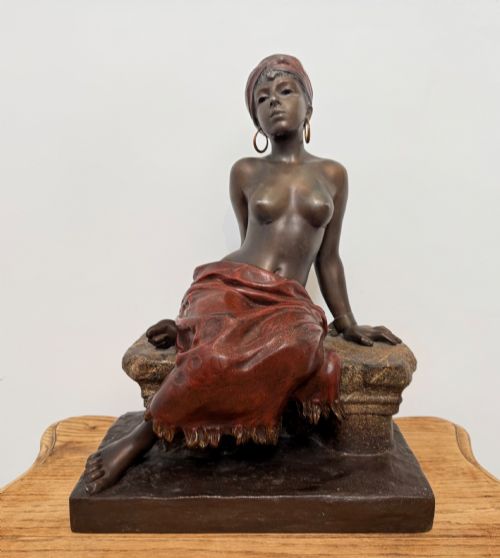
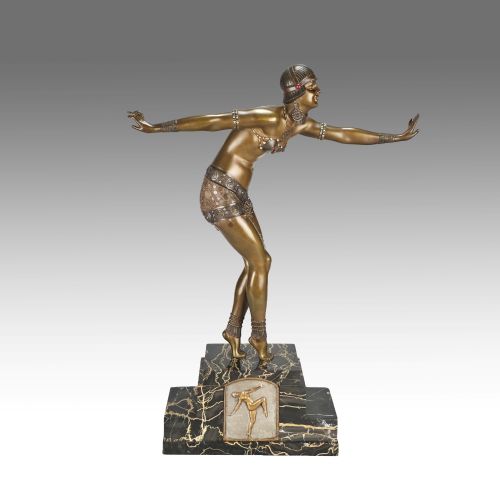
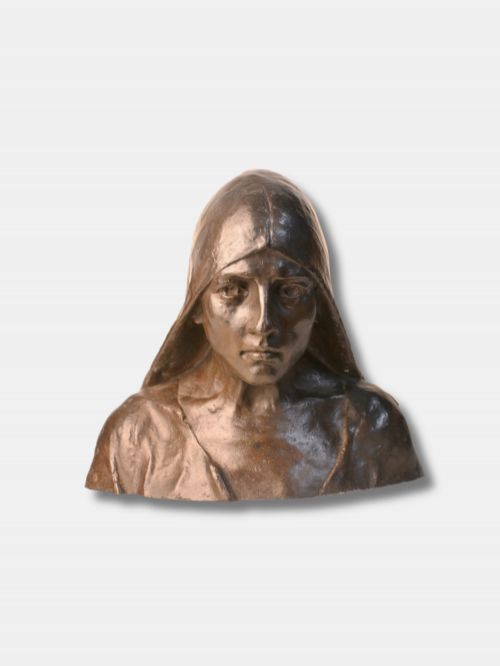
These antique bronze woman figures and busts offer striking form and texture, ranging from classical elegance to sleek Art Deco design.
Antique Bronze Woman
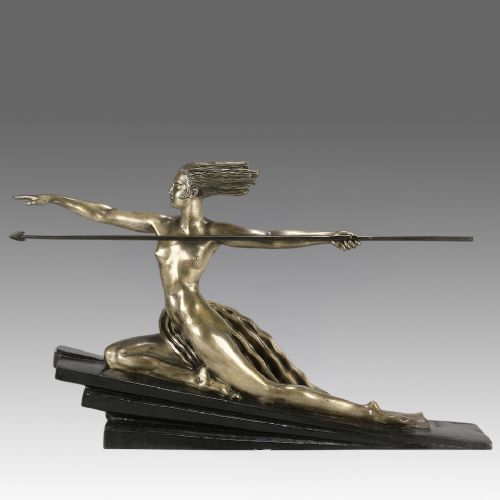
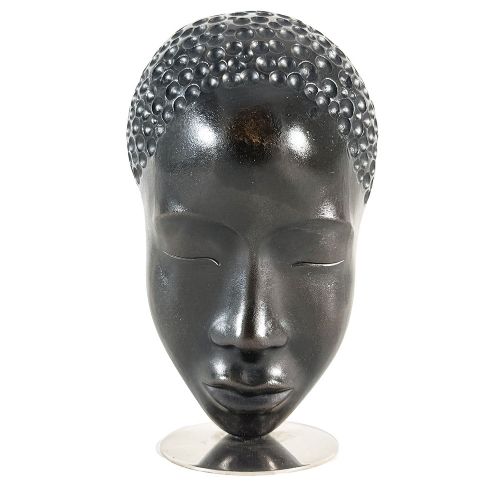
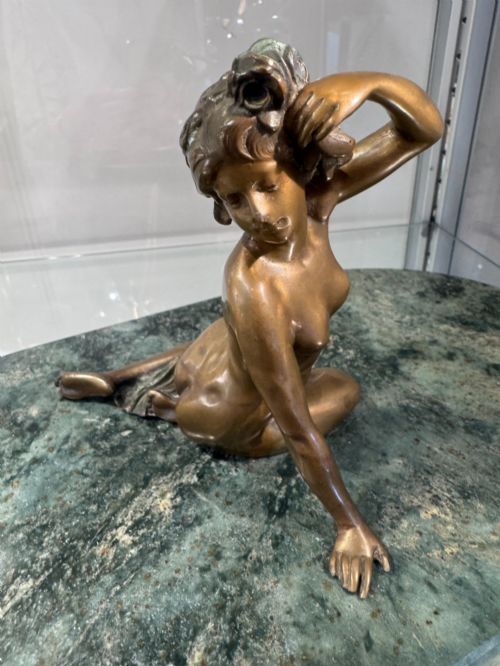
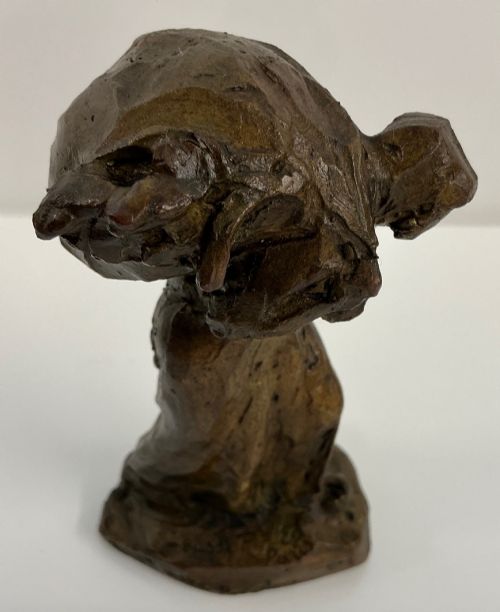
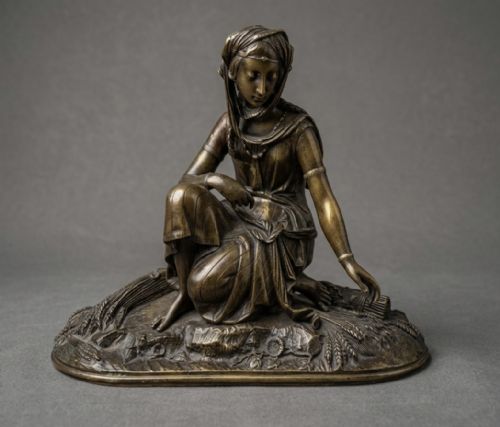
When you search for an antique bronze woman, you find an array of sculptural works depicting female subjects, predominantly cast in bronze or patinated bronze. These pieces range from full-length figures and dancers to detailed portrait busts and car mascots.
The selections span the eighteenth, nineteenth, and early twentieth centuries, capturing shifts in aesthetic tastes from classical realism to the flowing lines of Art Nouveau and the geometric precision of Art Deco. French foundries and continental makers dominate the forms encountered here.
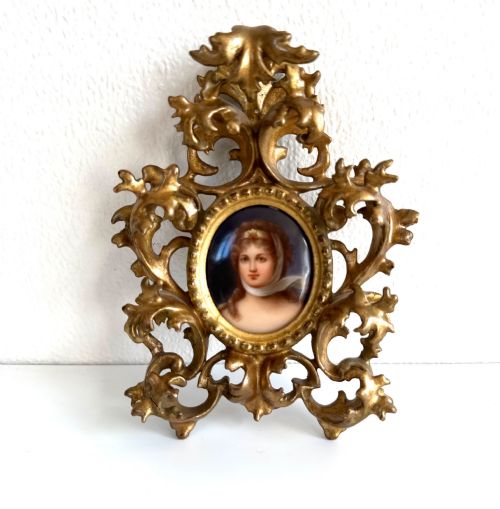
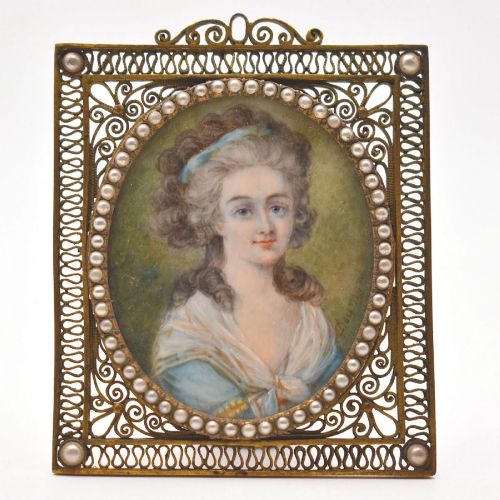
Alongside solid bronze castings, you also meet works utilising bronzed plaster, painted terracotta, and gilt metal, accompanied by portrait miniatures set in gilt frames. Subjects vary widely from mythological figures and classical goddesses to medieval maidens and orientalist studies.
Materials and casting methods
Foundries shaped these sculptures primarily through traditional metal casting methods, often utilising copper alloys that took varied patinations from dark brown to golden tones. Artisans sometimes applied cold painting directly to the metal surface to add colour to garments or hair.
Many figures integrate other media, mounting bronze castings upon heavy marble plinths or incorporating seed pearls and wooden elements within miniature frames. Alternative materials such as terracotta and plaster received bronze-effect finishes to mimic solid metal castings.
Antique Bronze Woman Retail Price Guide 2026
Typical asking prices for bronze woman among the pieces listed under this phrase on Sellingantiques today, from the lower quarter to the upper quarter. They describe what is for sale here now, not the wider market.
Listings feature works spanning the eighteenth century through to the Art Deco era, predominantly cast in bronze and patinated bronze.
Factors determining sculptural excellence
The fidelity of the casting and the crispness of the chisel work after the metal leaves the mould separate superior sculptures from ordinary production pieces. Master founders retained subtle anatomical details, delicate facial expressions, and fine texturing in hair and drapery.
The quality of the patination and the integrity of the materials, such as heavy veined marble bases and original cold-painted surfaces, heavily influence the visual impact of a piece. Signed works by recognised sculptors and established foundries demonstrate a higher tier of artistic execution.
Hagenauer·E Villanis·Demetre Chiparus·Jules Dalou·Jennings Brothers·Maurice Bouval·Georges Van Der Straeten·Pierre Hebert·Albert Carrier-Belleuse·Henri Ple
The Antique Bronze Woman Glossary
- Patinated bronze
- Bronze treated with chemical solutions to produce a specific surface colour, ranging from deep brown to green. This treatment protects the metal and defines the shadows of the sculpture.
- Cold painted
- A method where paint is applied to a metal object without heat firing. This technique appears frequently on decorative figures and animal bronzes from the early twentieth century.
- Car mascot
- A small ornamental sculpture mounted on the radiator cap of a motor vehicle. These aerodynamic figures often took the form of stylised female nudes during the Art Deco period.
- Portrait miniature
- A small, highly detailed painting on ivory, vellum, or card depicting a person. These delicate works frequently sit inside hinged gilt frames protected by glass.
- Terracotta
- Fired clay used for sculptural modelling before or instead of metal casting. Sculptors often painted or bronzed the porous surface to resemble heavier metal.
Antique Bronze Woman: Frequently Asked Questions
How do I clean an antique bronze figure?
Dust the sculpture gently with a soft, dry brush to remove settled particles without disturbing the surface patination.
Avoid using water, chemical cleaners, or metal polishes, as these substances strip away the historic finish.
Why are marble bases used on sculptures?
Sculptors mounted figures on heavy stone plinths to provide stability and visual weight to tall or slender compositions.
Marble also offered a contrasting colour and smooth texture that complemented the dark patination of the bronze above.
How do I distinguish Art Nouveau from Art Deco pieces?
Art Nouveau works feature flowing, organic lines inspired by natural forms like plants, waves, and long flowing hair.
Art Deco designs favour geometric shapes, symmetry, and sleek, stylised silhouettes that reflect modern industrial progress.