



Antique Bronze Frame
An antique bronze frame brings weight and bright metalwork to a portrait, mirror or miniature, holding the eye as securely as the glass.
Antique Bronze Frame
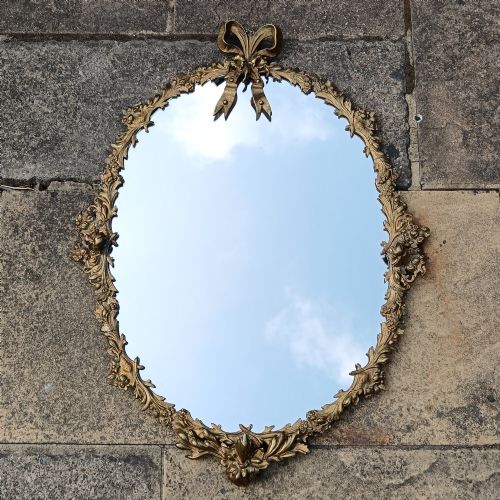
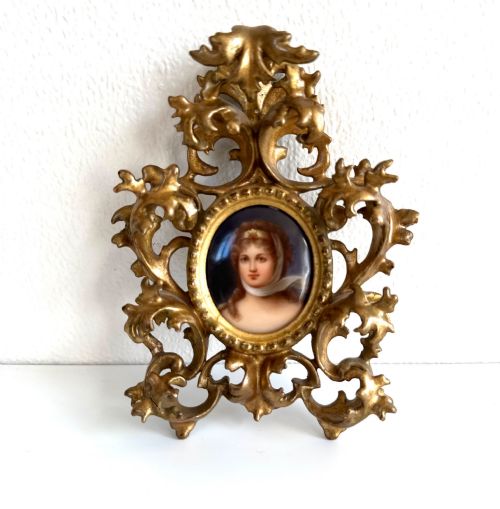
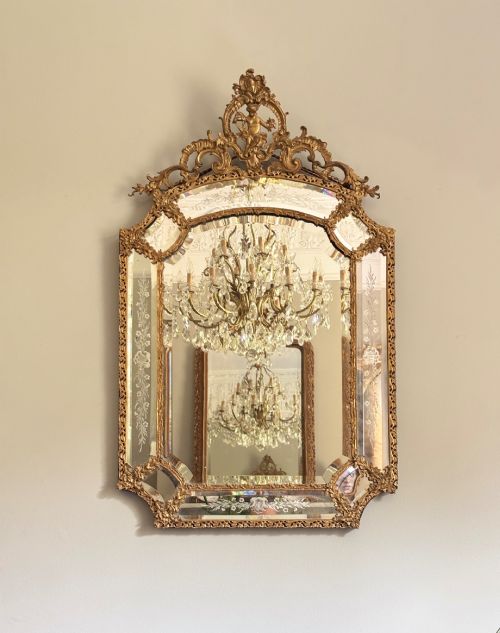
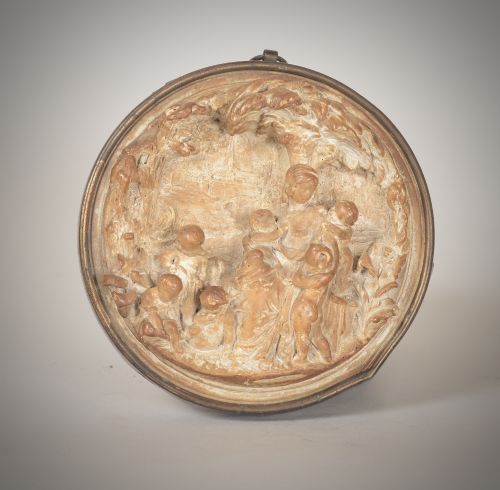
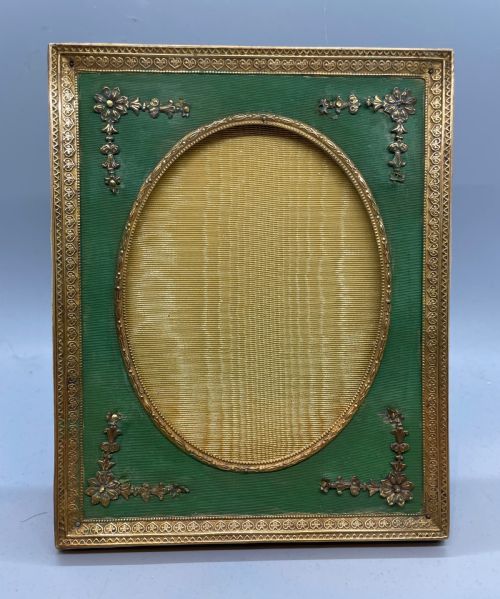
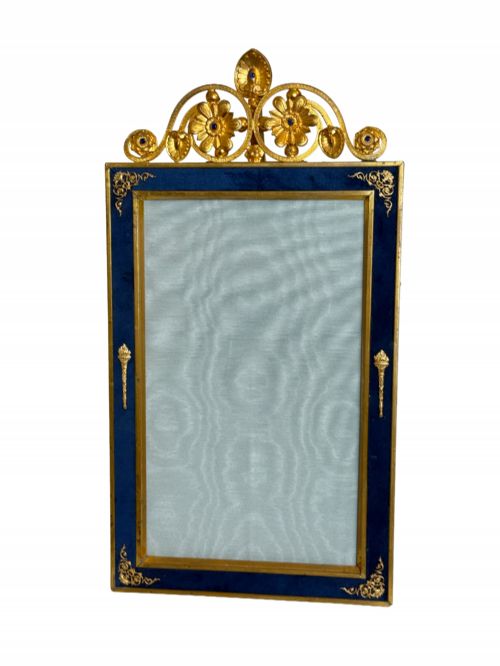
When you search for an antique bronze frame, you encounter metal surrounds designed for pictures, mirrors, and portrait miniatures. The pieces recorded here lean towards French manufacture, often taking the form of desktop photo frames, wall mirrors, and small hinged cases.
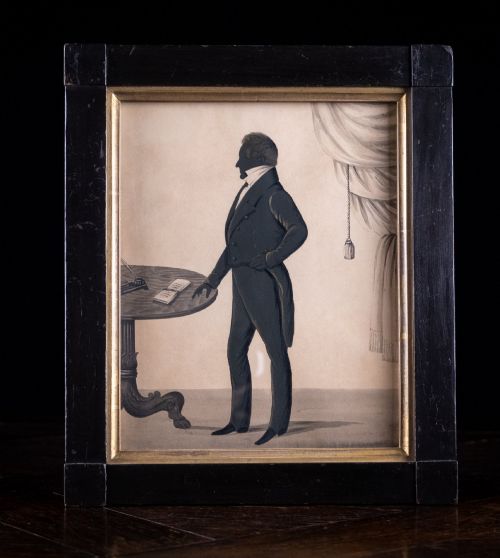
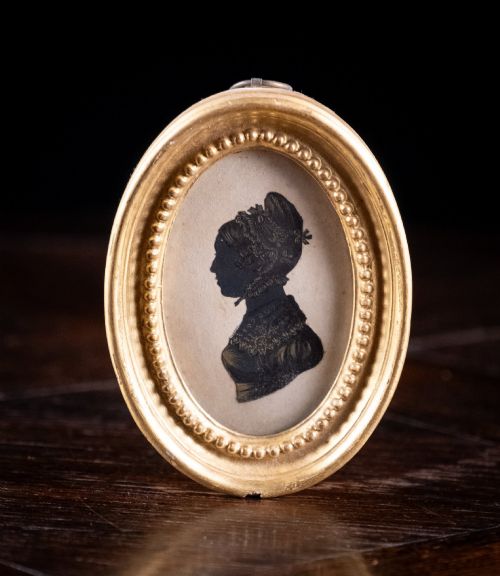
Many examples emerge from the nineteenth century, stretching from the Regency period through Victorian production into Edwardian variants. Alongside pure bronze, you find ormolu and gilt metal mounts enclosing glass, paper silhouettes, or painted portraits.
Materials and Casting Techniques
Foundry work and metal shaping define these objects, utilising cast bronze, brass, ormolu, and gilded metal. Artisans poured molten metal into intricate moulds to create raised scrolls, floral motifs, and architectural borders.
Gilding and champlevé enamelling frequently finish the metal surface, adding colour and sheen alongside inset glass panels and wood backings.
Distinctions in Execution
The crispness of the cast decoration separates ordinary metalwork from superior examples. Sharp relief, clean chased lines, and deep mercury gilding indicate skilled foundry work.
Secondary materials such as bevelled glass, heavy brass struts, and carefully fitted wood backs complete the build of a finer object.
The Antique Bronze Frame Glossary
- Ormolu
- Gilded bronze, where finely ground gold is applied to a bronze base using a mercury amalgamation technique. This finish yields a warm, lasting yellow lustre.
- Champlevé
- An enamelling technique where troughs are dug into the metal surface and filled with coloured glass paste before firing. It creates vibrant patterns across the bronze frame.
- Louis XVI Revival
- A decorative style popular in the nineteenth century mimicking eighteenth-century French symmetry, ribbon bows, and classical motifs. Pieces of this design display restrained ornamentation.
- Portrait Miniature
- A small, highly detailed painting on ivory, vellum, or paper, usually housed in a protective metal frame or hinged case. These tiny artworks often date to the Georgian or Victorian eras.
Antique Bronze Frame: Frequently Asked Questions
How do I date a bronze frame?
Dating relies on the style of the cast ornamentation, the backing materials, and the type of easel stand or hanging loop attached to the reverse. Examining the manufacturing technique provides further clues to the decade of creation.
French pieces from the nineteenth century often bear specific casting marks or retain original glass and paper backings that help pinpoint their age.
What is the difference between bronze and ormolu?
Bronze is an alloy of copper and tin, while ormolu is specifically bronze that has been treated with a layer of gold gilding. Ormolu mounts appear bright and golden rather than the darker brown of patinated bronze.
Many nineteenth-century picture frames use ormolu to highlight decorative scrollwork against a darker metal background.
Can these frames hold modern photographs?
Most antique frames accept standard modern photographic prints, though older apertures can feature non-standard or oval dimensions. You may need to trim a modern print gently to fit the interior rebate.
Care should be taken when opening old hinged backs or bending fragile metal tabs that secure the glass and backing board.
How should I clean a bronze frame?
Dusting gently with a soft, dry brush removes surface dirt without harming the original patina or gilding. Avoid using abrasive metal polishes, which can strip away thin gold layers.
Professional conservation is recommended if the metal requires deeper cleaning or if the glass and backing are fragile.