
Antique Bronze Fixture
An antique bronze fixture provides structural illumination, bringing historic metalwork and period illumination directly into domestic spaces.
Antique Bronze Fixture
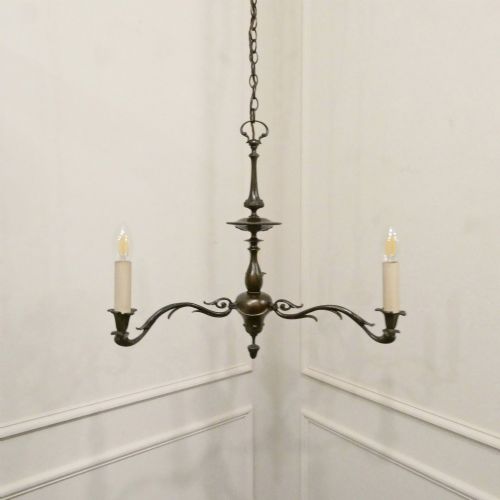
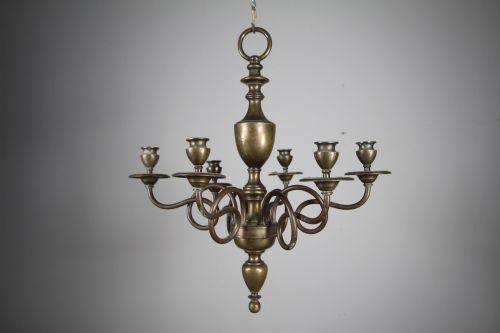
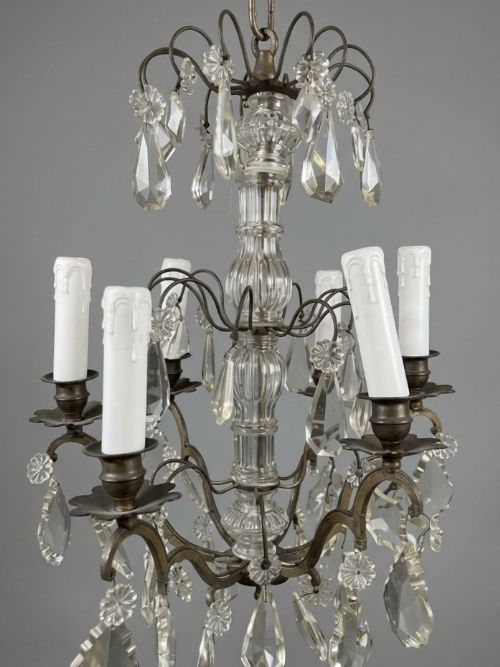
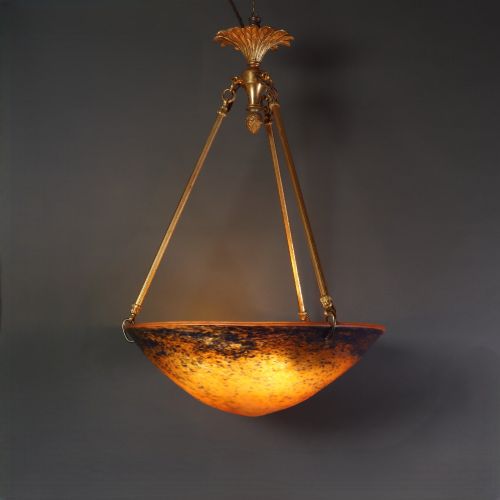
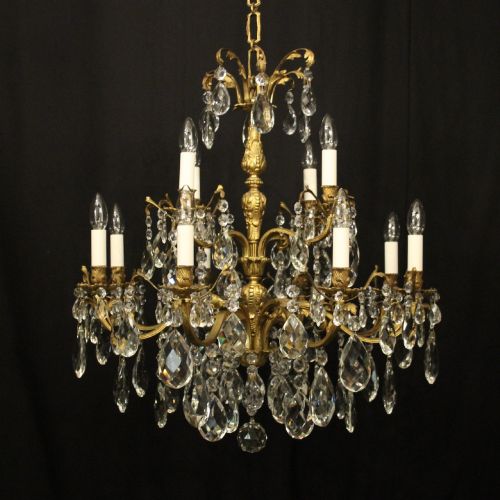
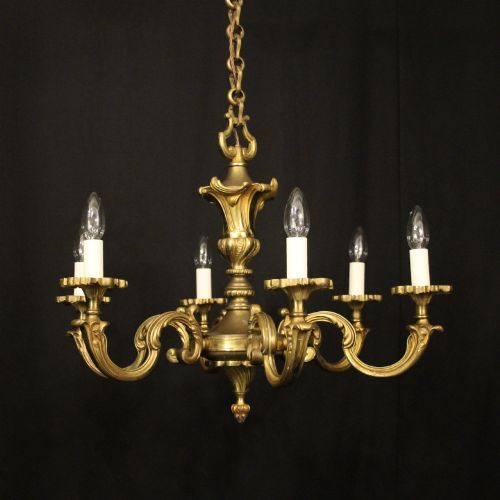
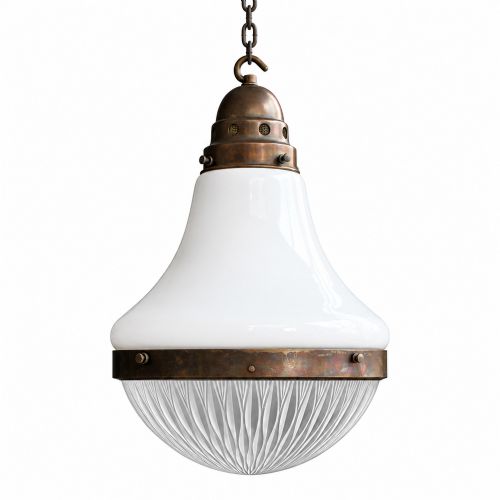
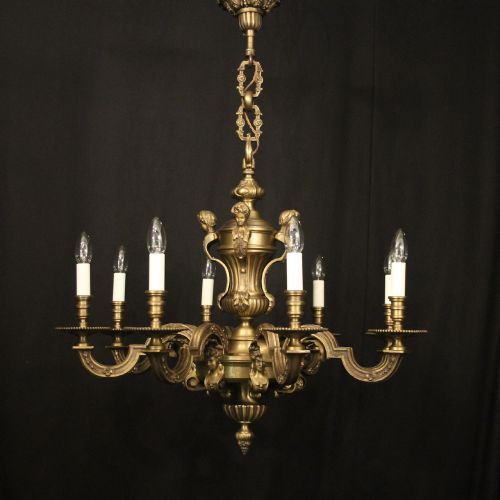
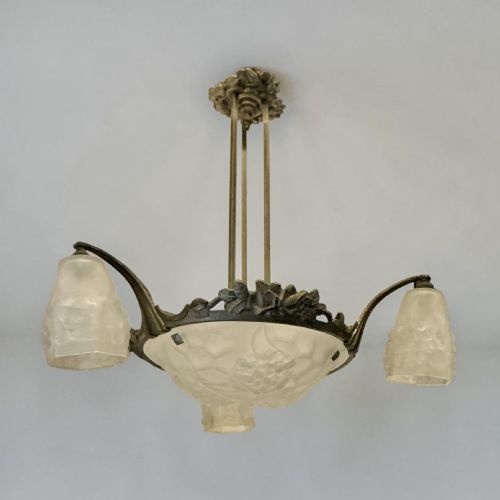
An antique bronze fixture encompasses a variety of ceiling and wall-mounted lighting options designed to illuminate interiors through historical forms. These pieces include chandeliers, ceiling lights, hall lanterns, wall sconces, and pendant lights originating from periods such as the 19th Century, Edwardian era, and the 1920s and 1930s. French designs heavily populate the selection, spanning styles like French Empire, French Rococo, and Art Deco.
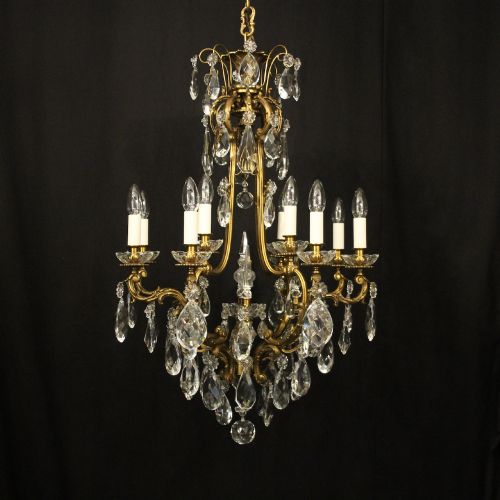
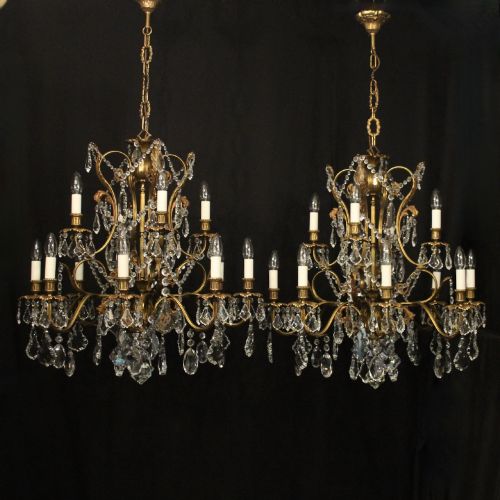
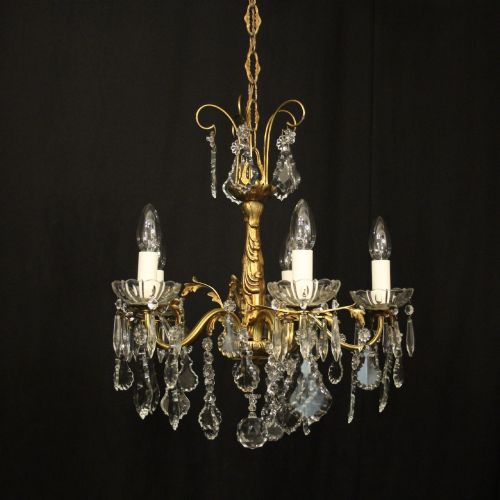
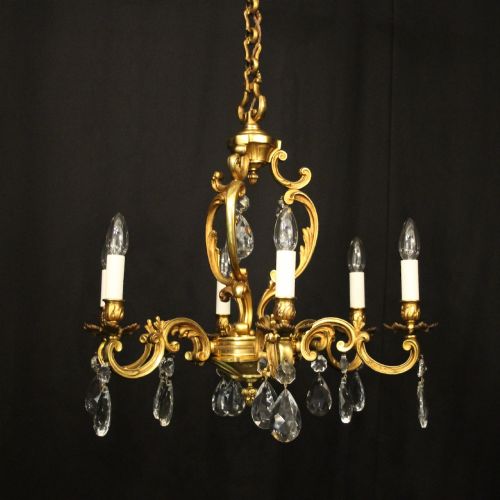
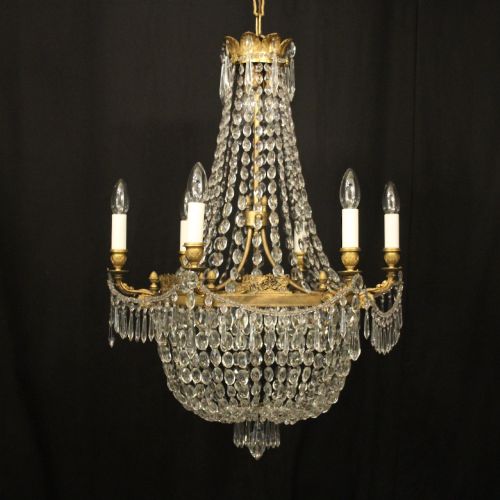
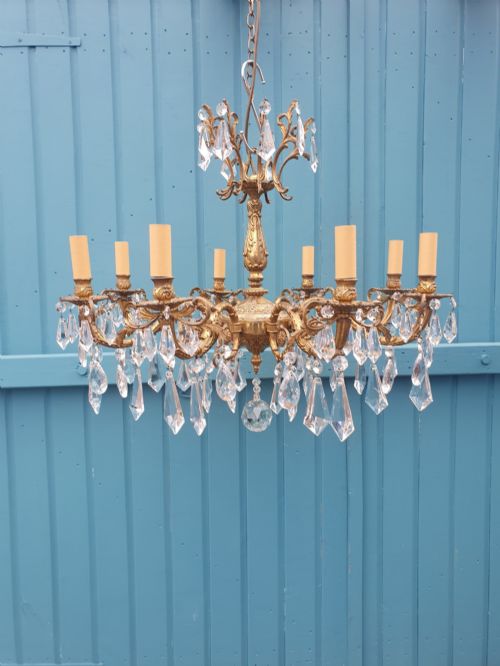
The most common formats met on this page are multi-light chandeliers and wall lights constructed from bronze, brass, and gilt metals. Buyers regularly encounter works featuring crystal drops, cut glass, and slip shades, particularly within French chateau and revival aesthetics. Pieces range from small wall sconces to large ballroom chandeliers with numerous arms.
How they were made
Makers utilised cast bronze, brass, and ormolu to form the structural skeletons and decorative mounts of each fixture. Gilding and silver gilding were frequently applied to metallic surfaces to enhance visual depth under artificial illumination.
Cut glass and crystal components, such as drops, spikes, and tent-and-waterfall configurations, were integrated alongside moulded art glass panels and slip shades. Metalwork frames were assembled to support multiple light branches, incorporating decorative elements like leaf motifs, cherubs, and lyre shapes.
Flying cherubs occasionally share chandelier duties with cut glass crystal spikes.
What varies in quality
The sophistication of the metal casting and the precision of the chasing determine the visual standard of the bronze work. Finer examples display crisp detail in sculptural elements and decorative motifs, whereas lesser pieces show softer, less defined edges in the metal.
The integration of the crystal and glass components influences the overall calibre of the assembly. Superior items incorporate heavy, well-cut crystal drops and substantial glass shades that retain clarity and precise refraction, mounted securely to the primary frame.
Charles Schneider·Degué
The Antique Bronze Fixture Glossary
- Ormolu
- A technique of applying finely ground high-carat gold to a bronze object using mercury amalgam. This process produces a rich golden finish characteristic of French decorative metalwork.
- Plafonnier
- A ceiling-mounted light fixture featuring a glass bowl or shade positioned flat against the ceiling. These pieces are frequently associated with Art Deco design.
- Tent and waterfall
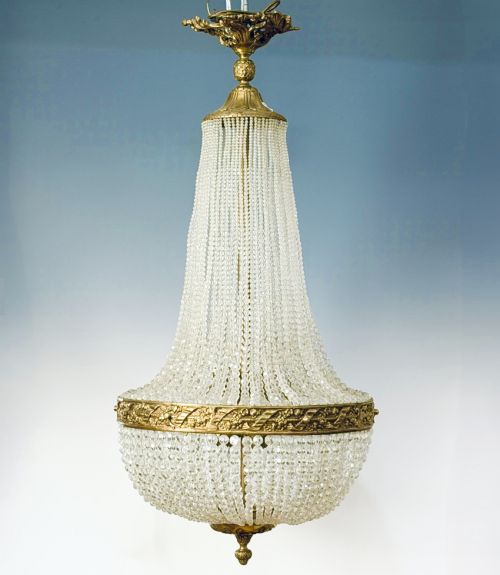
- A chandelier configuration where strings of crystal beads form a conical tent shape above a tier of radiating arms, complemented by cascading crystal strands. This style creates dense refraction across multiple light sources.
- Slip shade
- A moulded frosted or coloured glass shade that slides into a metal frame on a ceiling light or sconce. This form gained prominence during the Art Deco period.
- Spelter
- An alloy of zinc and other metals used as a cheaper substitute for bronze in decorative castings. It is often painted or gilded to imitate heavier bronze work.
Antique Bronze Fixture: Frequently Asked Questions
How do I clean an antique bronze fixture?
Dust the metal and glass components gently with a soft, dry brush or microfibre cloth to prevent the accumulation of surface dirt. Avoid using chemical cleaners or abrasive polishes, as these substances strip the original gilt or patinated surface from the bronze.
Crystal drops and glass shades can be washed individually in warm water with mild soap if removed from the frame. Ensure every component dries completely before reattachment to the main structure.
Can these fixtures be rewired for modern wiring?
Most antique lighting can be adapted by a qualified electrician to meet current electrical standards. Rewiring typically involves replacing older interior sockets and internal wiring while retaining the original exterior frame and visible metal components.
It is advisable to consult a professional who specialises in historic lighting to ensure the structural weight of the metal and crystal is supported safely during installation.
How do I tell an Edwardian piece from a 1920s design?
Edwardian lighting often draws heavily on earlier French revival styles, featuring elaborate gilt bronze, crystal drops, and ornate casting details like leaf motifs or cherubs. These pieces lean towards traditional symmetry and classical ornamentation.
Fixtures from the 1920s frequently incorporate Art Deco aesthetics, showcasing geometric lines, slip shades, and makers such as Charles Schneider or Degué. The silhouettes transition from classical curves toward stylised, modern forms.
What is the difference between bronze and gilt brass?
Bronze is an alloy composed primarily of copper combined with tin, yielding a heavy, durable material that accepts detailed casting and holds deep patination. Brass is an alloy of copper and zinc, which tends to have a brighter, yellower metallic tone when unplated.
Gilt brass refers to brass treated with a gold-coloured wash or leaf, while gilt bronze involves the same application over a bronze substrate. Both materials were utilised across different periods to achieve a uniform golden appearance.