

Antique Brass Tier
An antique brass tier brings vertical elegance and gleaming metalwork to a room, offering multiple levels for display or utility.
Antique Brass Tier
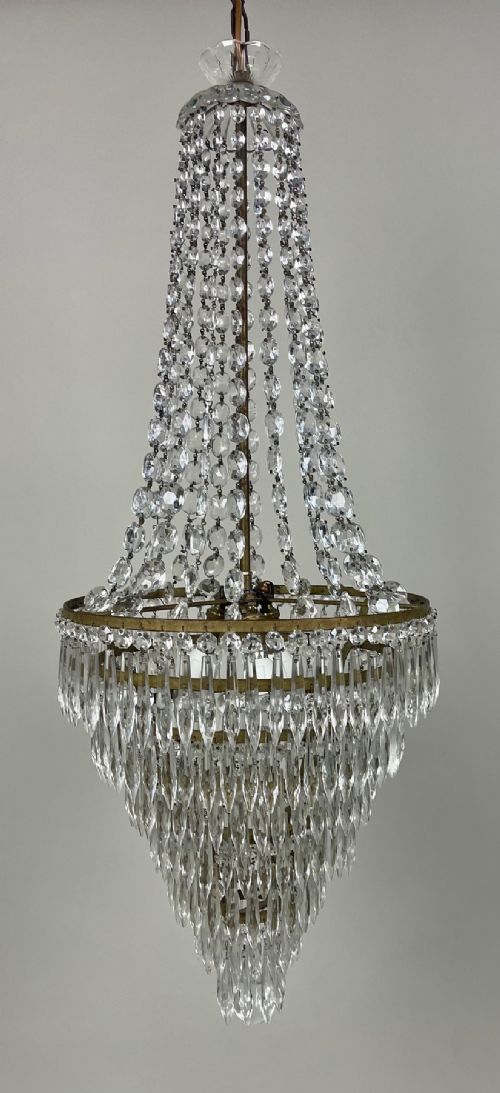
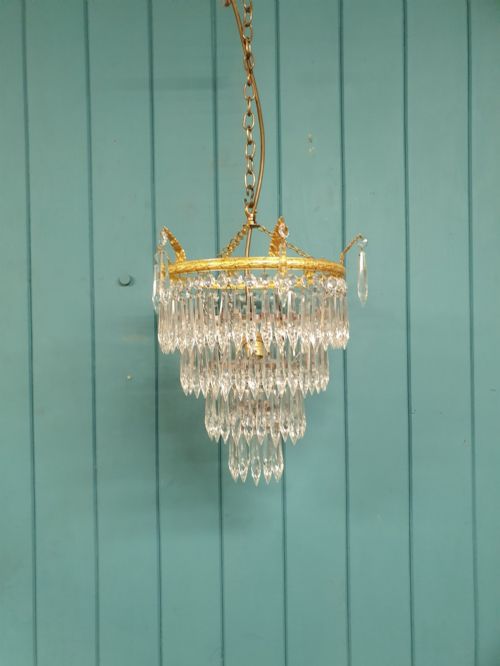
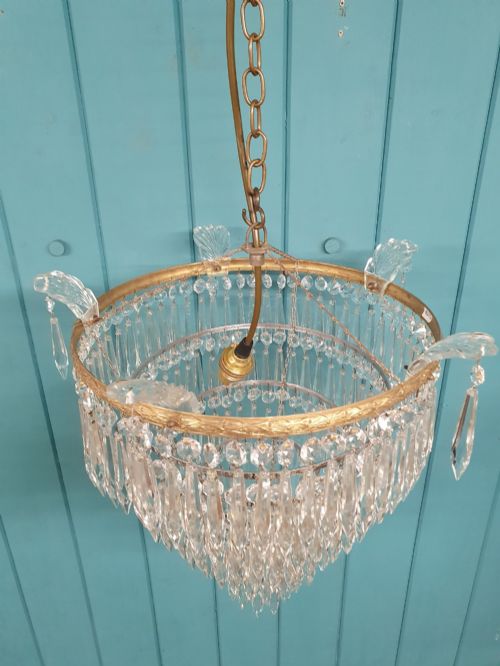
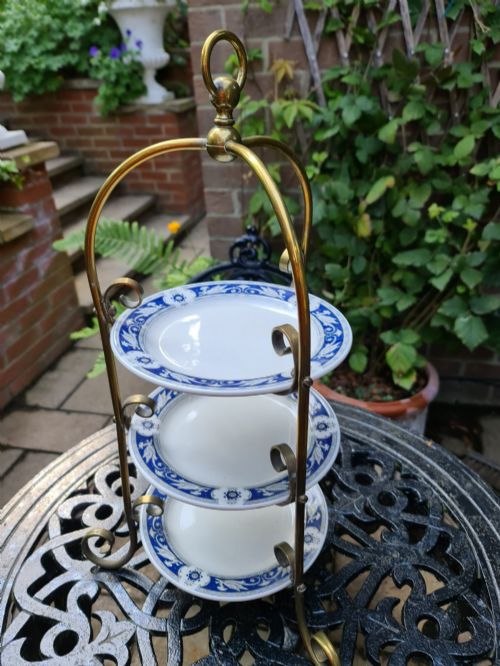
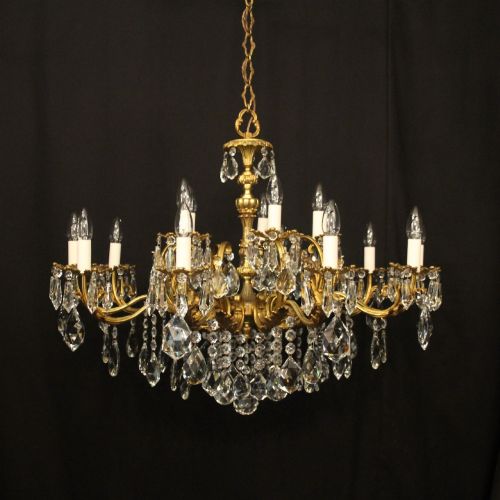
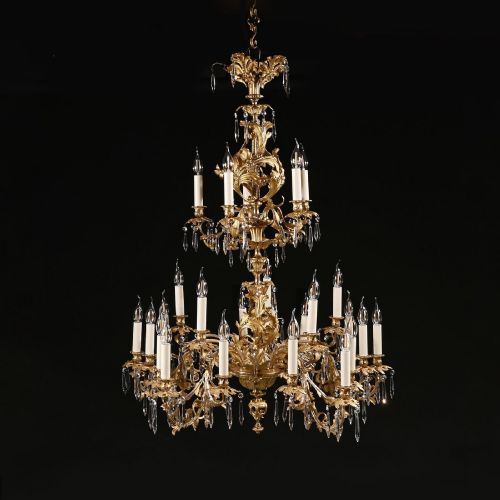
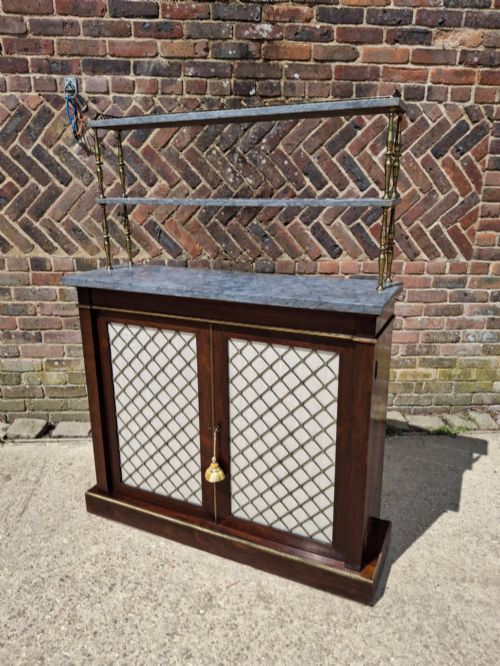
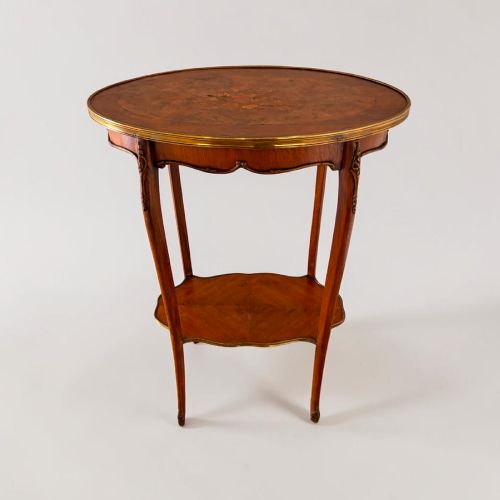
When you search for an antique brass tier, you encounter multi-level furnishings where brass structural elements, galleries, or supports define the piece. These items span from the nineteenth century into the early twentieth century, taking forms such as etageres, side tables, plant stands, and wall shelves.
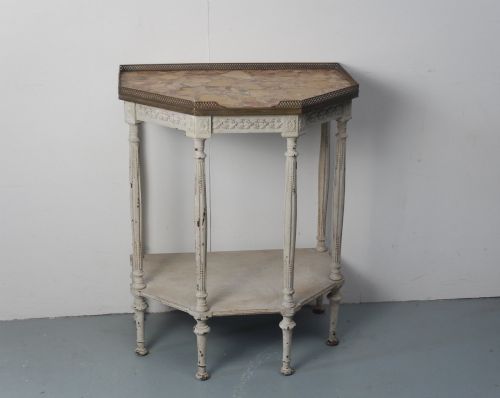
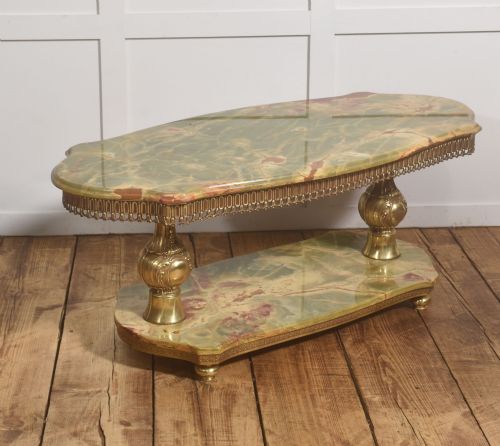
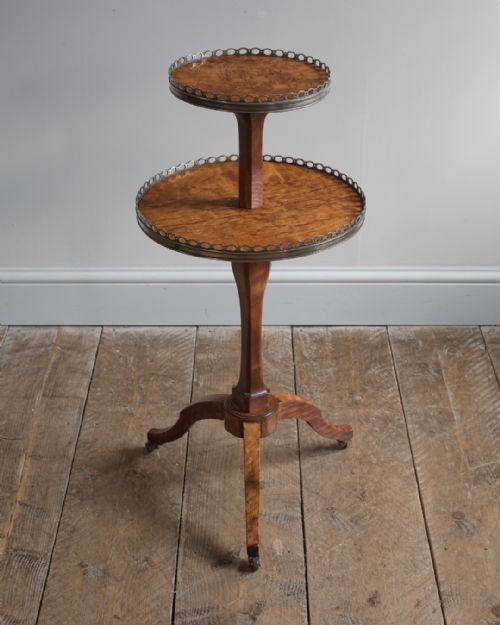
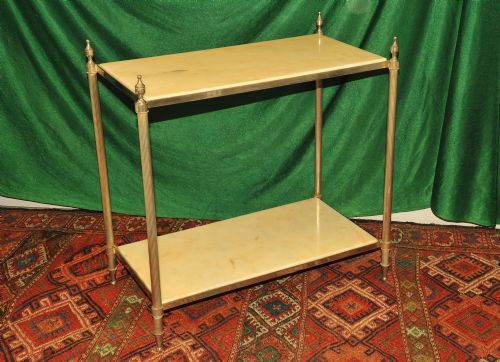
The pieces appearing on this page range from compact two-tier occasional tables to substantial etageres and multi-tiered stands. Makers utilised brass alongside woods like mahogany, rosewood, and satinwood, frequently incorporating galleries to secure objects placed upon each level.
Originating across English and French workshops, these tiered items reflect stylistic influences from the Victorian, Regency, Edwardian, and French Empire periods. Buyers select them to organise smaller decorative objects while introducing metallic warmth into traditional interiors.
Materials and construction methods
Construction relies upon combining cast or lacquered brass with dense hardwoods, notably mahogany and rosewood. Metal components often take the form of turned brass columns, delicate galleries, or structural frames that support wooden, glass, or mirrored tiers.
Cabinetmakers and metalworkers joined these mixed-material pieces using period techniques such as dovetailing for drawers and secure screw-fixings for brass mounts and uprights. Ormolu and gilt bronze surface treatments appear on French examples, adding decorative contrast to the underlying metal and timber.
Antique Brass Tier Retail Price Guide 2026
Typical asking prices for brass tier among the pieces listed under this phrase on Sellingantiques today, from the lower quarter to the upper quarter. They describe what is for sale here now, not the wider market.
Listings feature 19th-century and early 20th-century pieces, combining brass with mahogany, rosewood, and glass across side tables, etageres, and wall shelves.
Assessing quality in tiered brass furniture
Quality reveals itself in the weight and crispness of the brass castings used for the tiers and uprights. Superior examples display finely chased or polished metalwork that remains firmly integrated with dense, well-figured timber shelves.
The refinement of secondary details, such as the pierced design of a brass gallery or the precision of parquetry inlay, separates standard production from exceptional pieces. Proportions also dictate value, with balanced tiers that maintain structural integrity without excessive wobble.
Gillows·Mallett of London·Maison Jansen·Tehan
The Antique Brass Tier Glossary
- Étagère
- A set of open shelves for displaying small objects, typically featuring multiple tiers supported by slender columns.
- Gallery
- A raised ornamental border, often pierced brass, running along the edge of a shelf or tabletop to prevent items from sliding off.
- Ormolu
- Gilded bronze applied to furniture mounts and decorative hardware, prominent in French Empire and Louis styles.
- Whatnot
- A piece of furniture consisting of a set of open shelves for small ornaments, popular during the Victorian and Regency eras.
- Trivet
- A low metal stand, often in brass, used historically to support kettles or dishes near a hearth.
Antique Brass Tier: Frequently Asked Questions
What is an antique brass tier used for?
These tiered pieces served historically for holding books, displaying ornaments, or supporting tea equipment in formal reception rooms. Today, buyers utilise them in living spaces and hallways to exhibit collections or provide accessible surface space without occupying a large footprint.
The open structure allows light to pass through while keeping objects neatly organised across distinct vertical levels.
How do I distinguish Victorian from Edwardian pieces?
Victorian examples generally feature heavier timbers like mahogany, deeper colouration, and more ornate brass castings or turned supports. Edwardian pieces often incorporate lighter woods such as satinwood or rosewood, favouring slender frames and restrained ornamentation.
Looking at the joinery and the style of the brass gallery helps confirm the manufacturing era.
Are brass tiers suitable for everyday use?
The sturdy construction of wood and brass allows these items to withstand normal daily placement of lamps, books, and decorative objects. Regular dusting of the tiers and occasional gentle cleaning of the brass keep the surfaces in sound condition.
Placing them away from direct heat sources protects the timber joints and lacquered metal finishes.
How do French styles differ from English ones?
French tiers often showcase gilt bronze, ormolu mounts, and elaborate Empire or Rococo styling with curved lines and decorative cast motifs. English examples tend toward rectilinear proportions, emphasising the quality of the mahogany or rosewood alongside functional brass galleries.
Both traditions integrate brass prominently, but the decorative vocabulary reflects the distinct aesthetic preferences of each country.