


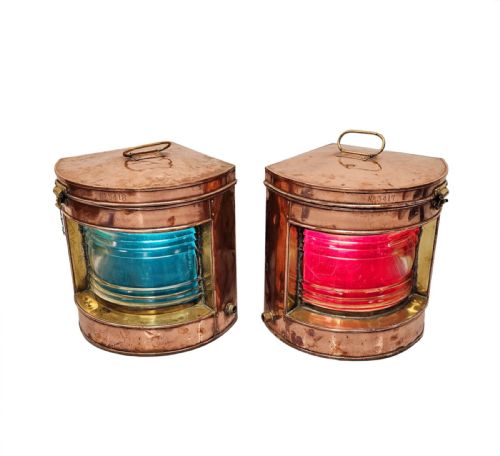


Antique Brass Marine Lighting
These antique brass marine lighting pieces bring genuine maritime history into a room, offering robust construction and functional nautical design.
Antique Brass Marine Lighting
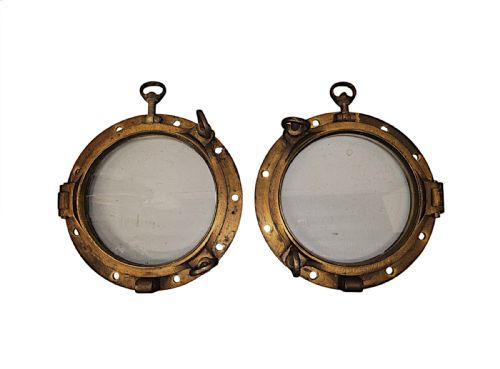
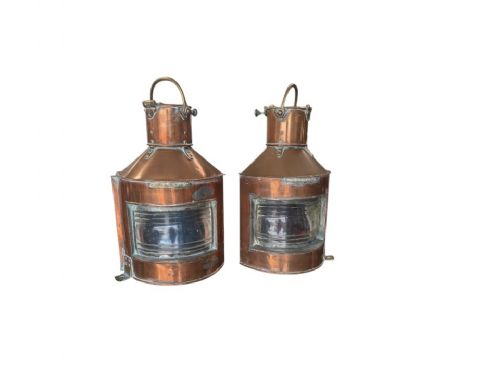
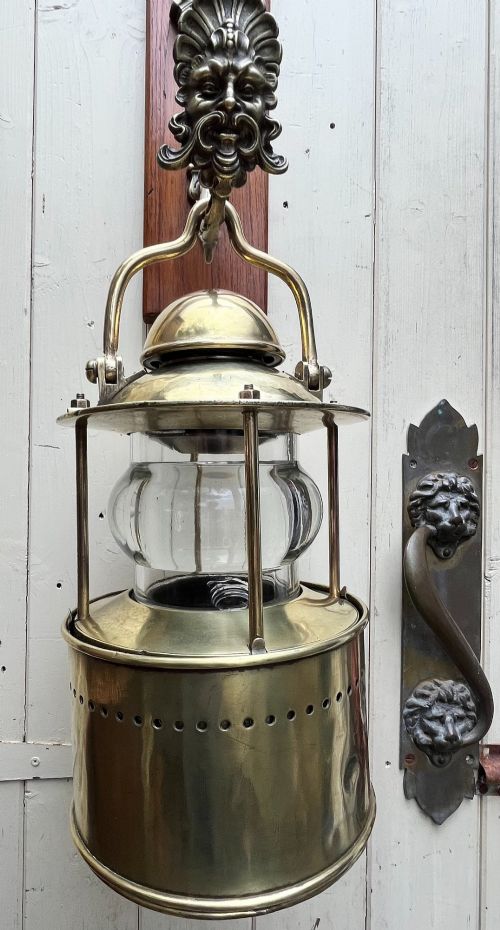
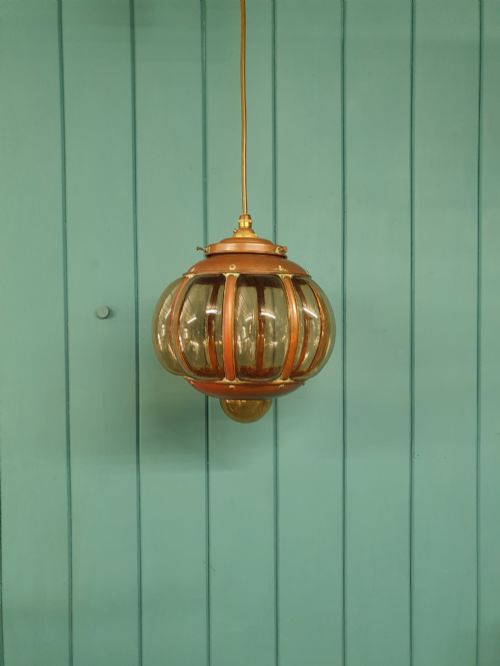
Antique brass marine lighting encompasses nautical items shaped by maritime use across the nineteenth and twentieth centuries, including the Edwardian era. Buyers examining this category encounter ship lanterns, gimbal lamps, pendant lights, wall lanterns, and port holes.
The selections available here range from Victorian fixtures and Edwardian pieces up to items from the nineteen-forties. Forms span table lamps, architectural salvage, and ceiling pendants designed for rigorous conditions at sea.
How they were made
Maker workshops utilised durable metals like brass, copper, and nickel-plated brass to construct these lighting fixtures. Glass and smoked glass were fitted to protect flames and bulbs from harsh weather.
Makers incorporated brass and copper components alongside iron bases and wooden elements where necessary for stability. Gimbal mechanisms allowed lamps to swing and remain upright on rolling vessels.
Some copper lanterns retain their original starboard and port designations, ready to keep wandering guests from walking into the dining room wall.
What varies in quality
Quality rests on the integrity of the original construction and the survival of maker details. Pieces carrying clear workshop attributions or specific pattern numbers demonstrate higher manufacturing distinction.
The refinement of the metalwork and the preservation of original finishes separate standard utilitarian objects from exceptional examples. The survival of specialised components like gimbals and heavy glass elements dictates the standing of a piece.
Alderson & Gyde Ltd·William McGeoch & Co
The Antique Brass Marine Lighting Glossary
- Gimbal
- A pivoted ring that allows a lamp to remain horizontal regardless of the motion of a ship. This mechanical setup is typical in marine lighting.
- Port hole
- A circular window frame fitted to a ship's hull, occasionally adapted as a decorative or architectural lighting element. These items reflect heavy-duty maritime construction.
- Architectural salvage
- Building elements and fittings rescued from structures slated for demolition or refitting. Marine examples often include bulkhead lights and deck fixtures.
- Starboard
- The right side of a ship when facing forward, traditionally marked with a green light. Surviving lanterns often retain directional plates or coloured glass indicating this status.
Antique Brass Marine Lighting: Frequently Asked Questions
What is marine lighting?
Marine lighting comprises fixtures originally built for ships, boats, and naval vessels to withstand damp and turbulent conditions.
These utilitarian objects utilise heavy-duty metals and secure glass covers to function safely at sea.
How do gimbal lamps work?
Gimbal lamps use a set of concentric rings and pivots that let the lamp body hang level despite the roll and pitch of a vessel.
This engineering prevents fuel or oil from spilling and keeps the light steady.
How do I date these lights?
Dating relies on material combinations, manufacturing techniques, and stylistic clues from periods like the Victorian and Edwardian eras.
Certain items carry specific year markers or manufacturer stamps that clarify their age.
Where were port holes used?
Port holes were installed in the hull or cabin bulkheads of ships to provide natural light and ventilation below deck.
Their heavy brass frames were built to maintain watertight integrity under pressure.