


Antique Brass Kettle Stand
An antique brass kettle stand is a hearthside piece designed to keep water warm near the fire.
Antique Brass Kettle Stand
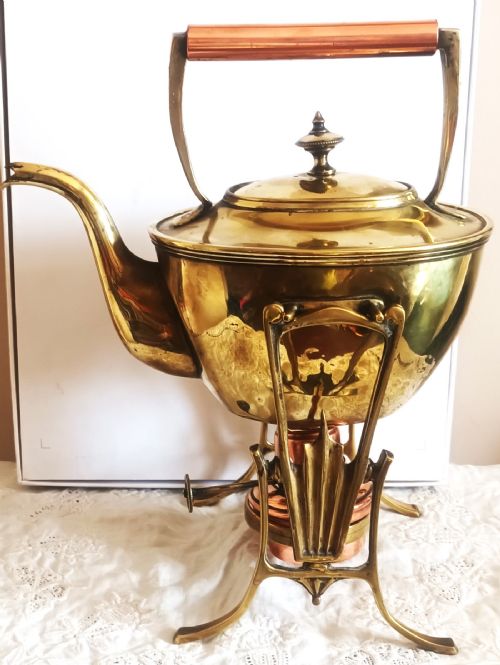
An antique brass kettle stand brings practical fireside metalwork into the room, serving as a raised platform for heating water or holding vessels near the hearth. When you search for an antique brass kettle stand, you encounter sturdy pieces designed for daily use in period interiors.
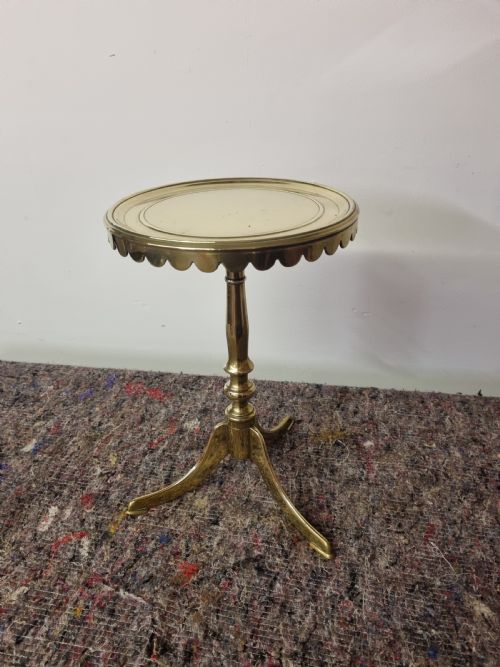
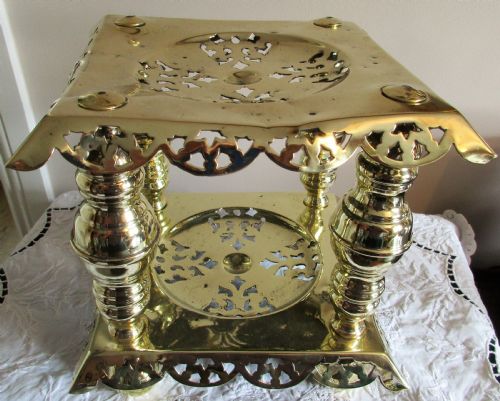
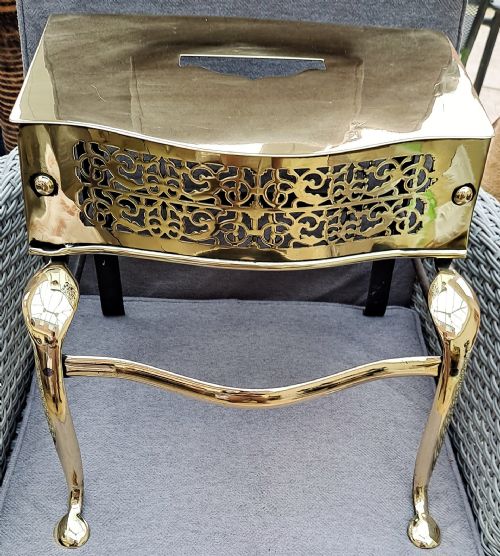
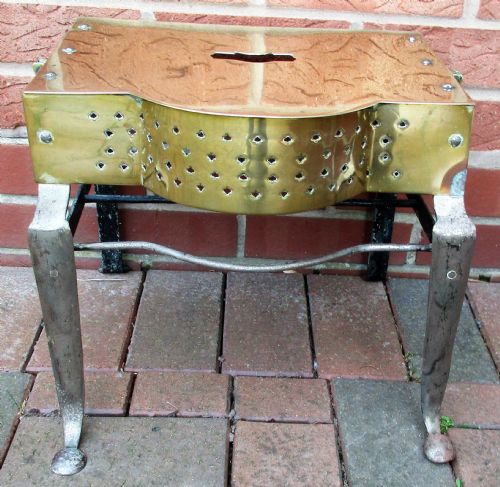
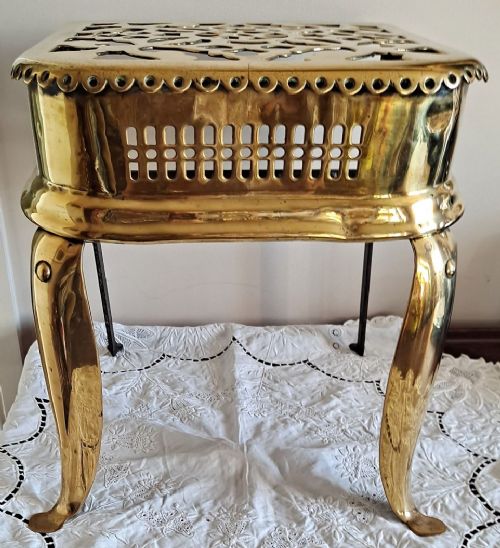
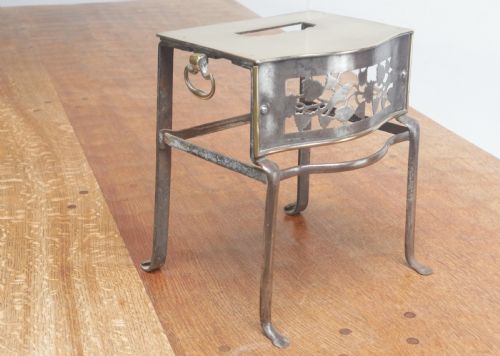
The pieces on this page appear in forms such as trivets and footmen, spanning Georgian, Victorian, and Edwardian periods. Most examples combine brass tops with iron or steel components, reflecting the heavy demands of nineteenth-century fireplace accessories.
How they were made
These items rely on cast brass, sheet brass, wrought iron, and steel. Metalworkers cast the brass tops into perforated or pierced patterns while forging the iron or steel legs and frames to bear heavy weights.
Construction methods combine durability with decorative detail. The combination of brass and iron requires careful joining techniques to unite the polished yellow metal with the dark structural supports.
Antique Brass Kettle Stand Retail Price Guide 2026
Typical asking prices for brass kettle stand among the pieces listed under this phrase on Sellingantiques today, from the lower quarter to the upper quarter. They describe what is for sale here now, not the wider market.
The listings here span the Georgian, Victorian, and Edwardian periods, utilising brass, iron, cast brass, and steel.
What varies in quality
Quality rests in the weight of the metal and the precision of the casting. Heavier cast brass components and finer piercing separate substantial pieces from lighter utilitarian versions.
The integration of materials also defines the tier of a piece. Well-balanced frames with secure joints between the brass and the steel or iron elements distinguish superior workmanship.
The Antique Brass Kettle Stand Glossary
- Trivet
- A small, three-legged metal stand placed near a hearth to hold a kettle or dish. These supports sit directly before the fire to keep liquids warm.
- Cast Brass
- Metal melted and poured into a mould to create decorative plates with patterned cutouts. This method allows for intricate designs on the surface of the stand.
- Georgian
- The design period spanning the reigns of the four Georges, characterised by classical proportions and solid construction. Pieces from this era show early forms of domestic brassware.
Antique Brass Kettle Stand: Frequently Asked Questions
What is an antique brass kettle stand?
An antique brass kettle stand is a small metal platform used beside the fireplace to support a water vessel.
These accessories elevate the kettle closer to the heat source for efficient warming during colder months.
How were these stands used?
They sat on the hearth or floor near the fire to hold heavy metal kettles and teapots.
Servants moved them as needed to regulate the temperature of the water without crowding the main fire grate.
What materials make up these pieces?
They combine brass with iron or steel to balance decorative appearance with structural strength.
The top plates utilise cast or sheet brass while the legs and frames rely on ferrous metals.
How do I identify a Georgian stand?
Georgian pieces display the heavier casting methods and simpler, classical piercing patterns typical of the eighteenth century.
They often take the form of footmen or early trivets with robust iron underframes.