





Antique Brass Feet Bin
An antique brass feet bin brings useful warmth to a hearth through heavy metalwork and timber framing.
Antique Brass Feet Bin
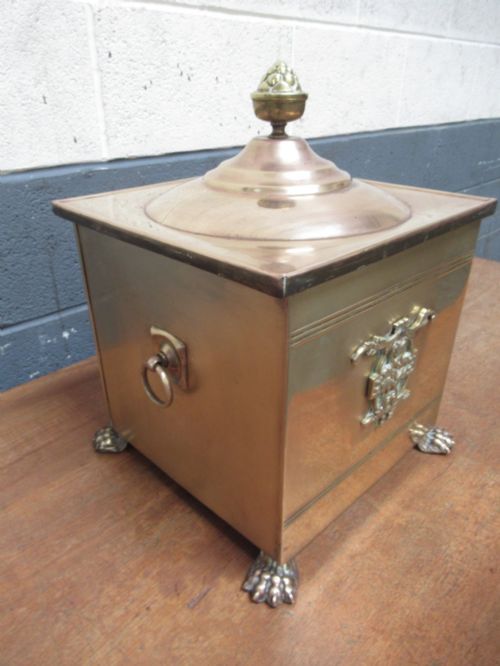
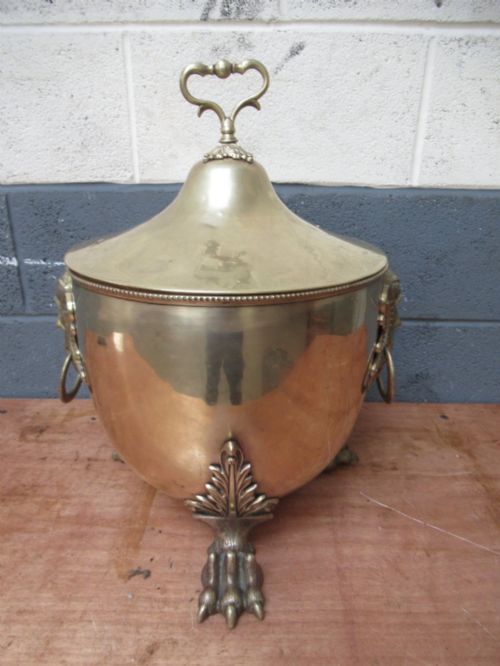
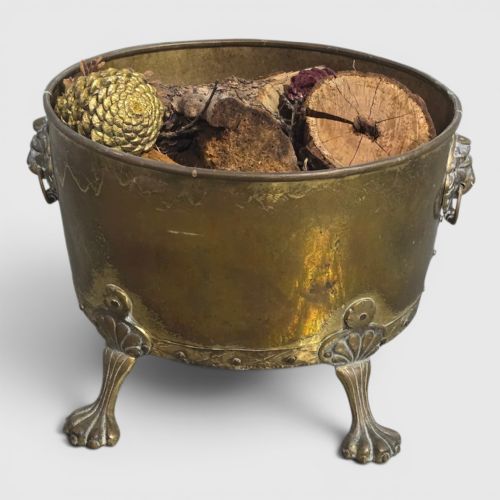
An antique brass feet bin sits beside the hearth to hold fuel, combining metal construction with supportive feet. These vessels serve primarily as log buckets, coal bins, and fireside stores for domestic heating.
The versions met most frequently on this page span the Victorian and Edwardian periods, alongside earlier Regency and Georgian examples. Forms range from simple oval lidded bins to large copper cauldrons and wooden chests adapted for fireside use.
Materials extend beyond pure brass to include copper, bronze, oak, pine, and ebony details. Makers mounted these storage pieces on distinct feet to elevate them from the floor near the grate.
Materials and construction methods
Artisans hammered copper and brass sheets by hand to create durable bodies capable of holding heavy loads of coal and wood. Handbeaten finishes impart texture to the metal surfaces of these utilitarian items.
Woodwrights employed sturdy timbers such as oak and pine for chest and box forms, often incorporating ebony accents. Metal fittings and feet secure the wooden panels for daily domestic service.
Antique Brass Feet Bin Retail Price Guide 2026
Typical asking prices for brass feet bin among the pieces listed under this phrase on Sellingantiques today, from the lower quarter to the upper quarter. They describe what is for sale here now, not the wider market.
The listings show metal and timber fireside bins spanning the Georgian, Regency, Victorian, and Edwardian eras.
Distinctions in manufacture and form
Quality rests upon the weight of the metal and the integrity of the joinery rather than ornamental excess. Heavy gauge brass and copper maintain structural strength through decades of loading fuel.
Refined pieces demonstrate careful handbeating and secure integration of supporting feet, whereas simpler items rely on basic rolled seams and standard commercial fastenings.
William Soutter And Sons
The Antique Brass Feet Bin Glossary
- Coal scuttle
- A vessel designed specifically for carrying and storing coal near a fireplace. These containers often feature swinging handles and a raked opening.
- Cauldron
- A large round metal pot with a wide rim and standing base. In a fireside context, these heavy vessels hold logs or turf.
- Aesthetic Movement
- A late nineteenth century design style emphasising visual beauty over narrative function. Pieces from this period often display refined surface decoration.
- Regency
- An early nineteenth century British design period characterised by classical restraint and clean proportions. Objects from this era show strong architectural influences.
Antique Brass Feet Bin: Frequently Asked Questions
What were antique brass feet bins used for?
These vessels held coal, logs, and kindling beside the fireplace in domestic rooms.
Their sturdy metal and wood construction kept fuel contained and dry near the hearth.
How do I date a brass fireside bin?
Dating relies on observing material choices, construction techniques, and stylistic markers recorded across Victorian, Regency, and Georgian periods.
Earlier pieces often feature heavier handbeating and specific timber framing like oak or pine.
Where should I place a log bin at home?
These bins sit naturally beside an active fireplace or woodburning stove to keep fuel close at hand.
They also function as decorative storage chests or planters in living spaces.
What is the difference between brass and copper bins?
Brass contains an alloy of copper and zinc, yielding a bright golden tone, while copper displays a distinct reddish hue.
Both metals appeared frequently in fireside accessories across the nineteenth century.