



Antique Brass Curio
An antique brass curio offers a polished frame for treasured objects, bringing nineteenth-century French and English display pieces into modern rooms.
Antique Brass Curio
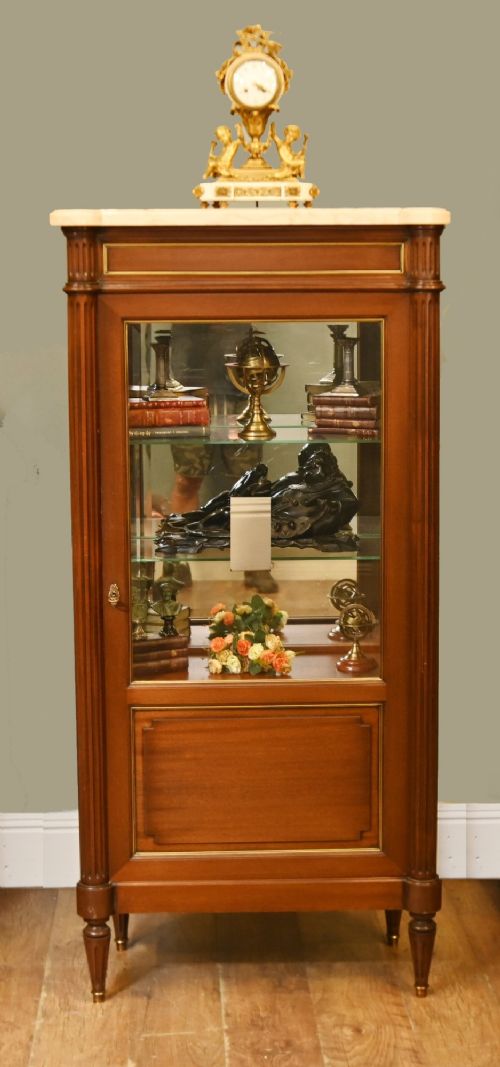
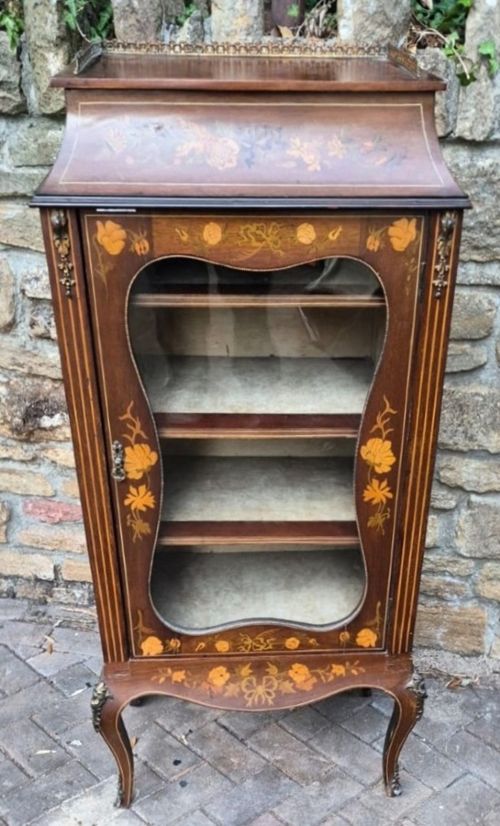
When a buyer searches for an antique brass curio, they encounter a selection of vitrines, display cabinets, and bijouterie tables designed to showcase small collections. These pieces primarily date from the nineteenth century through the early twentieth century, spanning Victorian, Edwardian, and various French revival periods.
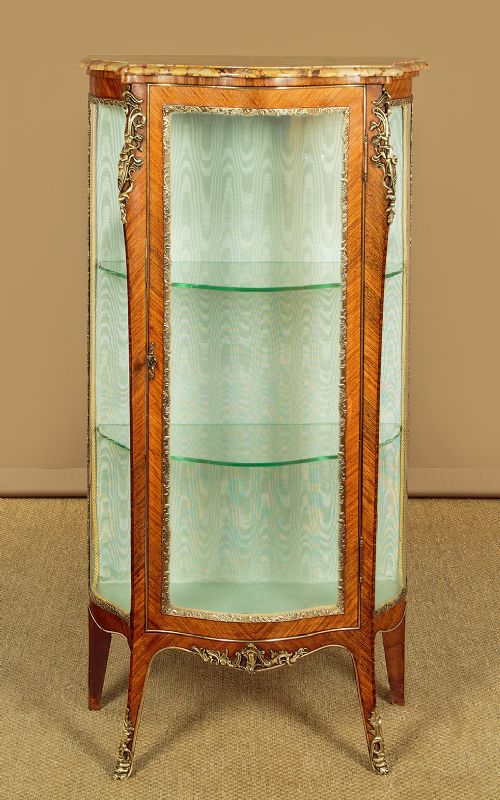
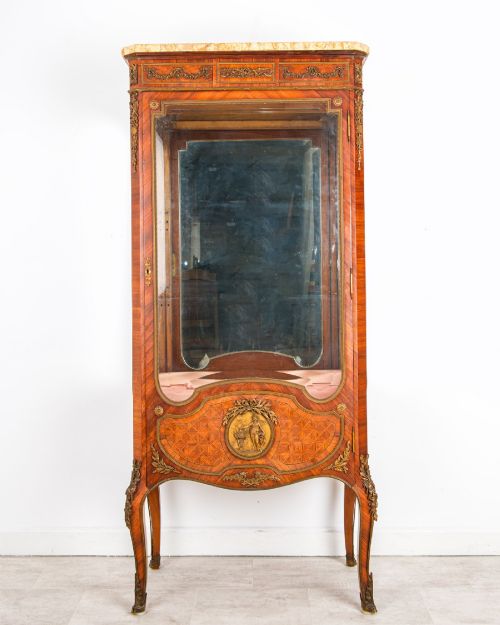
The most common form on this page is the freestanding glass and mahogany or kingwood vitrine mounted with cast or gilt brass or ormolu mounts. Alongside these tall display cabinets, buyers meet low bijouterie tables with glazed tops intended for viewing medals, miniatures, or small ornaments from above.
Originating largely from English and French workshops, these items utilise timber frames combined with extensive glass panels to maximise light around the objects kept inside. The physical presence ranges from intimate table cabinets to large-scale floor-standing cabinets resting on cabriole legs or plinth bases.
Materials and construction methods
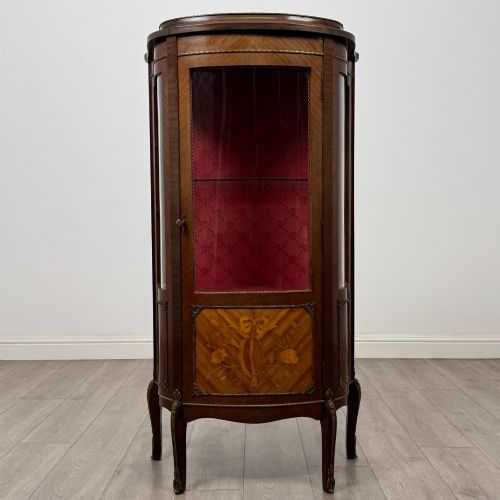
Cabinet makers built these pieces using dense hardwoods such as mahogany, rosewood, walnut, and kingwood, frequently applying decorative veneers and marquetry panels in floral or geometric patterns. Structural stability depended on tight joinery, while exterior visual appeal relied on polished timber surfaces contrasted against cast metal details.
Cast brass and ormolu mounts provide structural framing and decorative enrichment along corners, feet, and cornices, securing the glass panels within the wooden carcass. Interior surfaces often feature fabric linings such as velvet to cushion delicate items placed on the wooden or glass shelves.
Antique Brass Curio Retail Price Guide 2026
Typical asking prices for brass curio among the pieces listed under this phrase on Sellingantiques today, from the lower quarter to the upper quarter. They describe what is for sale here now, not the wider market.
Listings feature eighteenth-century optical instruments alongside nineteenth-century French and English display cabinets, bijouterie tables, and military arms.
Distinctions in execution and design
The standard of a piece depends on the crispness of the cast brass or ormolu mounts and the precision of the timber inlay. Finer examples feature hand-chased metalwork with distinct detailing and tightly fitted joints that maintain structural integrity without excessive modern reinforcement.
Material selection dictates the upper tier of the range, where choice timbers like burr walnut or figured kingwood are paired with painted Vernis Martin panels or extensive parquetry. Lesser examples rely on simpler mahogany carcasses with minimal cast decoration and straightforward glass doors.
The Antique Brass Curio Glossary
- Vitrine
- A glass-fronted display cabinet designed to show porcelain, silver, and curiosities. These units typically feature glazed sides and doors to allow light to reach the contents from multiple angles.
- Bijouterie table
- A low display table with a glazed top and a shallow velvet-lined interior compartment. They were created for examining small personal trinkets, jewellery, and medals.
- Ormolu
- Gilded bronze applied to furniture and decorative objects as mounts. The technique involves a mercury-gilding process that produces a bright gold-coloured finish on the bronze base.
- Marquetry
- Decorative woodwork where thin slices of various coloured veneers are assembled into pictorial or geometric patterns. Craftsmen apply these veneers to the primary carcass of the cabinet.
- Vernis Martin
- A type of decorative lacquer finish developed in eighteenth-century France and imitated in later revival furniture. It imitates Asian lacquer with translucent painted scenes.
Antique Brass Curio: Frequently Asked Questions
What fits inside a bijouterie table?
These tables are designed for shallow objects that benefit from overhead inspection. Collectors commonly place pocket watches, coins, medals, and small silver trinkets beneath the glass top.
The velvet-lined interior keeps items from sliding about when the lid is lifted or the table is moved. Deeper cabinets are better suited for standing porcelain figures and glassware.
How do I clean the brass mounts?
Cast brass and ormolu mounts require gentle dusting with a dry microfibre cloth to remove accumulated dirt. Avoid using harsh chemical polishes that can strip the original gilding from the metal.
Take care not to let cleaning agents touch the surrounding wood veneer or glass surfaces. Professional gentle cleaning maintains the aged patina expected on nineteenth-century metalwork.
Are the shelves adjustable?
Most period vitrines feature fixed wooden or glass shelves supported by internal wooden battens or brass brackets. Altering shelf heights generally requires professional carpentry work to avoid damaging the interior lining.
When planning what to display, measure the height between each shelf beforehand. Heavier items should remain on the lowest fixed tier for stability.
How do I date a cabinet?
Dating relies on combining the timber species, construction techniques, and stylistic revival influences visible in the piece. For instance, mid-nineteenth-century Victorian pieces often use rosewood or walnut, whereas Edwardian items frequently display lighter mahogany marquetry.
Hardware styles, lock mechanisms, and the method of glass manufacture also offer clues to the decade of production. Examining the secondary timbers inside the carcass confirms the manufacturing period.