

Antique Brass and Wood
Antique brass and wood pieces combine warm timber with gleaming metal fittings, offering both functional durability and classic decorative appeal.
Antique Brass and Wood
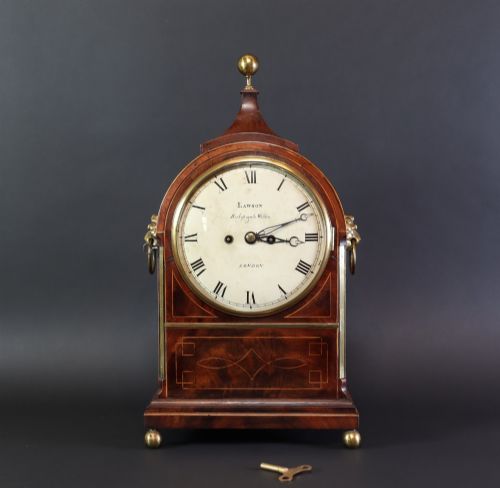
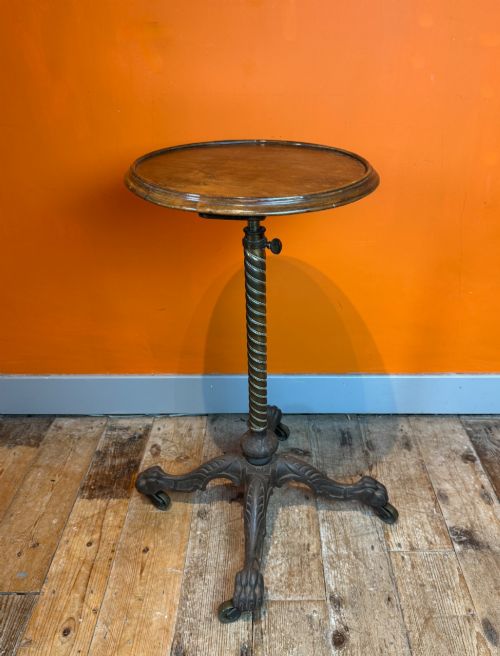
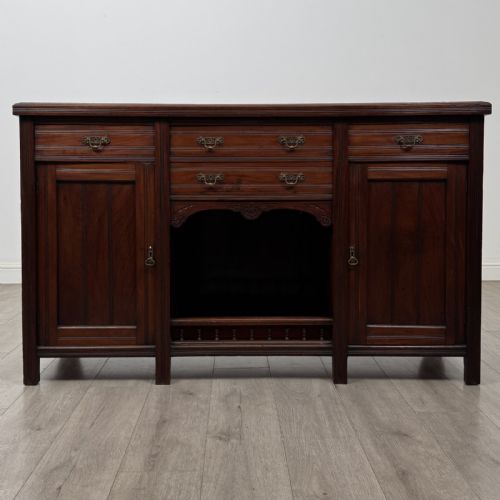
Antique brass and wood items encompass a diverse range of furniture and decorative objects originating primarily from the Georgian, Victorian, and Edwardian periods.
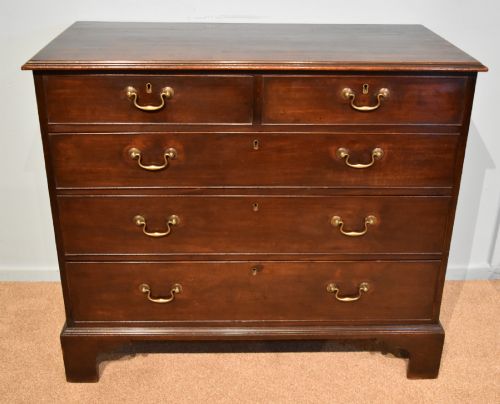
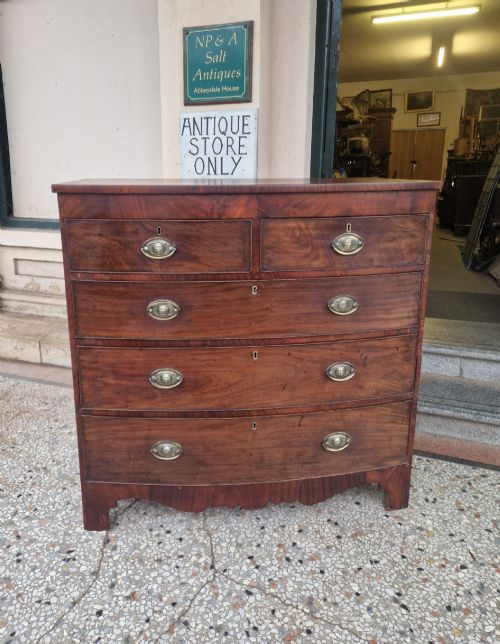
Chest of drawers and dining tables dominate the selection, frequently constructed from mahogany with brass handles, key escutcheons, or casters.
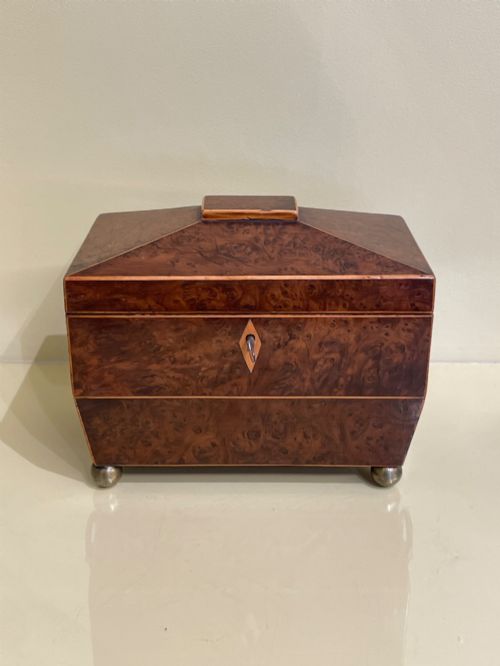
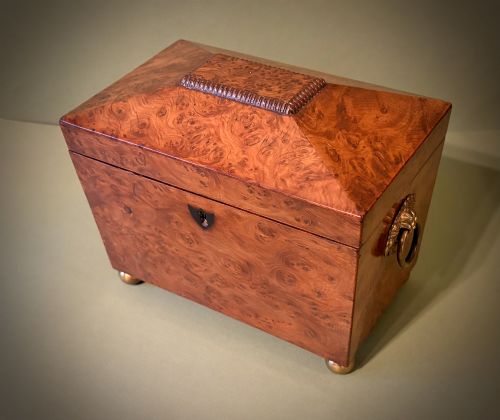
Smaller decorative items such as tea caddies and bellows also appear, featuring similar combinations of timber and metalwork.
How they were made
Craftsmen utilised dense hardwoods like mahogany, oak, satinwood, and rosewood for the primary structure, often enhancing grain patterns with inlay or crossbanding.
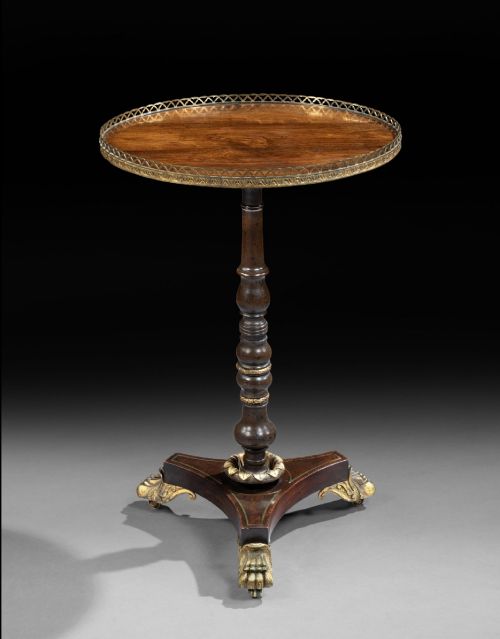
Brass was cast or beaten into handles, hinges, galleries, and casters, then secured to the wood to provide both reinforcement and visual contrast.
Antique Brass and Wood Retail Price Guide 2026
Typical asking prices for brass and wood among the pieces listed under this phrase on Sellingantiques today, from the lower quarter to the upper quarter. They describe what is for sale here now, not the wider market.
Some travel in style with amboyna wood tea caddies designed to keep precious leaves secure on bumpy nineteenth-century journeys.
What varies in quality
The standard of timber selection and the precision of the joinery set finer examples apart from simpler utilitarian pieces.
Hand-chiselled brass details, original mounts, and balanced proportions distinguish workshop output across the Georgian and Victorian eras.
Gillows·Taylor of London·John Taylor London·W & H
The Antique Brass and Wood Glossary
- Crossbanding
- A narrow strip of veneer laid across the grain of the primary wood to create a decorative border around a drawer front or tabletop.
- Bracket feet
- A type of furniture foot shaped like a small bracket, often seen on eighteenth-century chests of drawers and cabinets.
- Casters
- Small wheel attachments fixed to the legs of tables and seating to allow easier movement across floors.
- Escutcheon
- A protective brass plate surrounding a keyhole that prevents the surrounding wood from becoming worn through use.
Antique Brass and Wood: Frequently Asked Questions
How do I care for antique brass and wood furniture?
Keep wooden surfaces nourished with appropriate wax polishes while avoiding excessive moisture or direct sunlight that might cause the timber to warp or fade.
Polish brass elements gently using a soft cloth, taking care not to let abrasive cleaning agents touch the surrounding wood.
Can I use a mahogany dining table every day?
Mahogany offers robust durability suitable for regular daily use when treated with sensible precautions such as coasters and protective mats.
Promptly wipe away spills to prevent liquids from marking the polished wood finish.
How do I identify a Georgian chest of drawers?
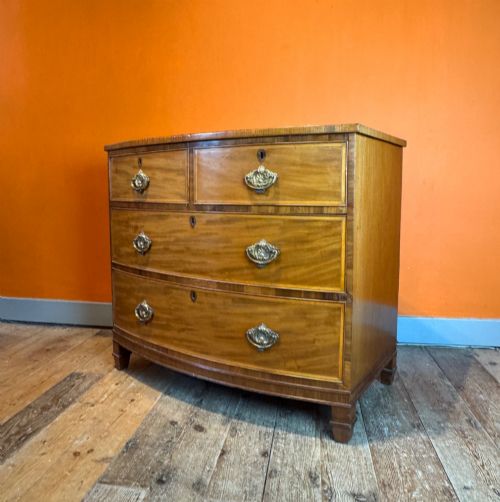
Georgian chests typically feature solid timber construction with hand-cut dovetail joints on the drawer boxes and traditional brass swan neck handles.
Proportions tend to be heavy yet balanced, sitting low on bracket feet or plain plinths.
What distinguishes Victorian campaign chests?
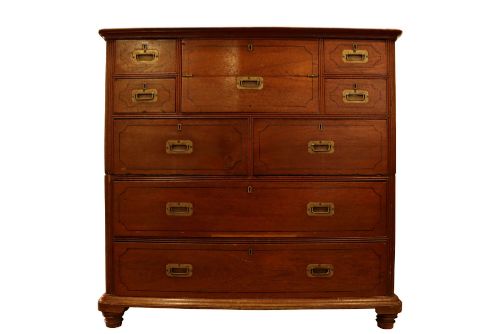
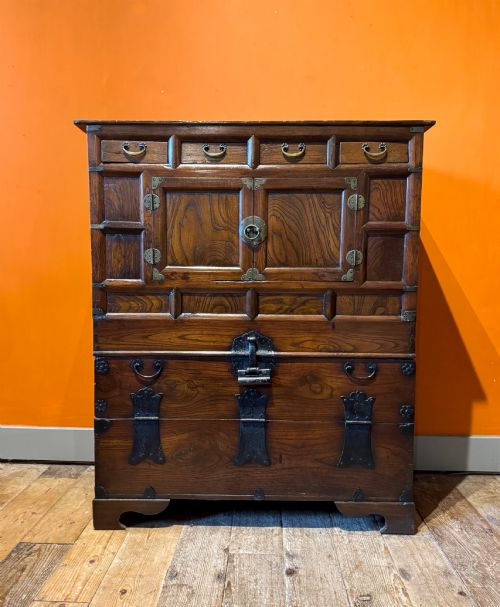
Victorian campaign chests were built in sections for military transport, featuring recessed brass handles and corner brackets to withstand rough travel.
Camphor wood or mahogany served as the primary timbers to resist humidity and insect damage during colonial service.