

Antique Brass and Leather
These antique brass and leather pieces combine durable hide with gleaming metalwork, offering both practical utility and enduring character for the home.
Antique Brass and Leather
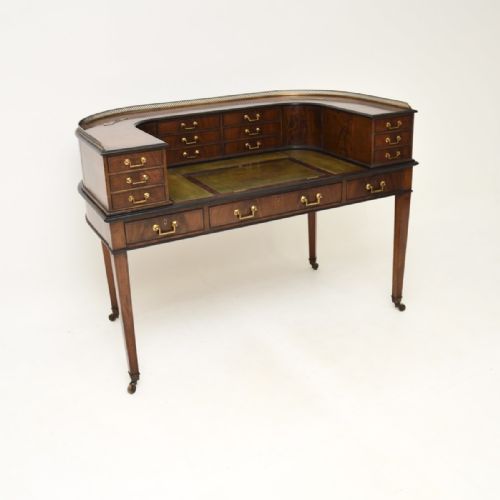
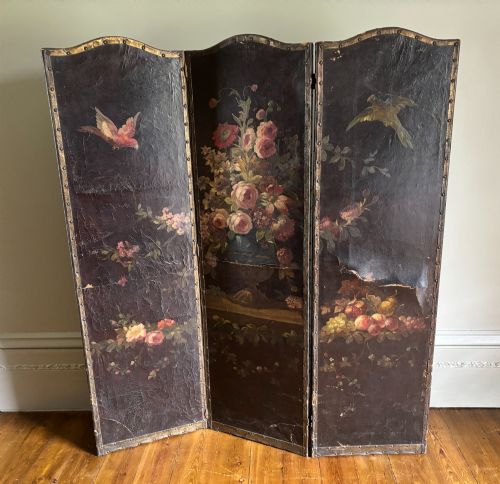
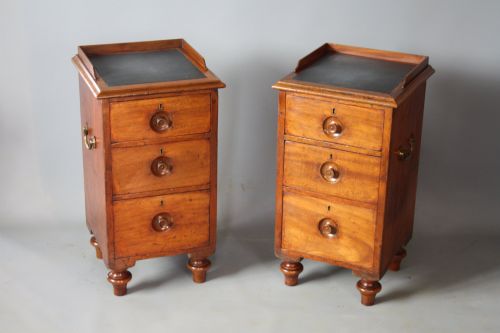
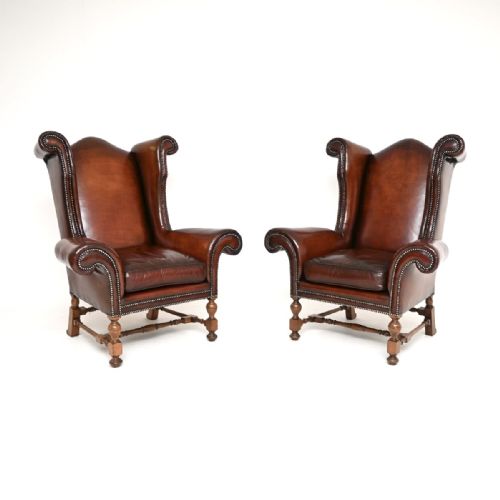
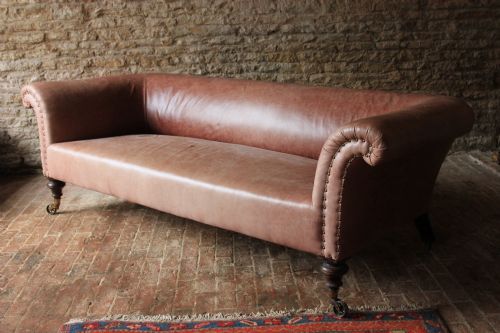
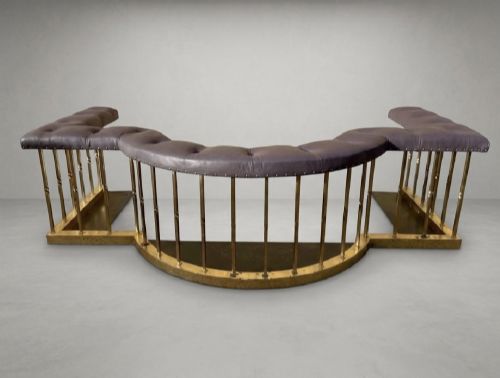
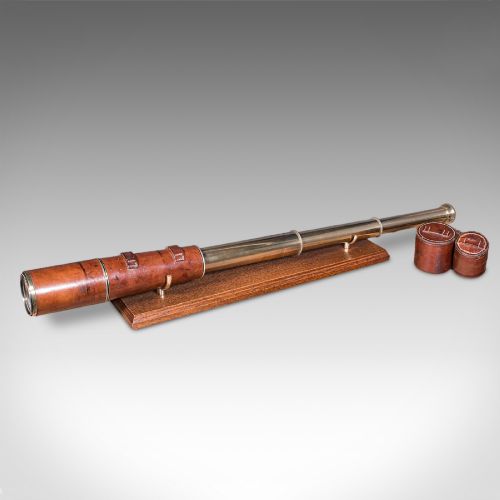
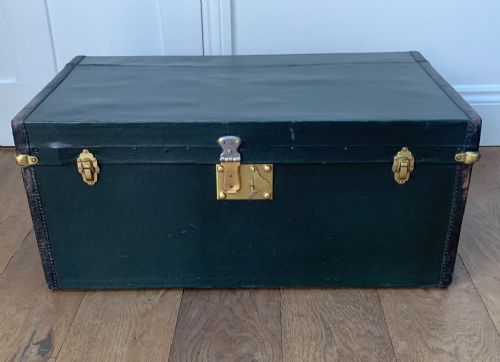
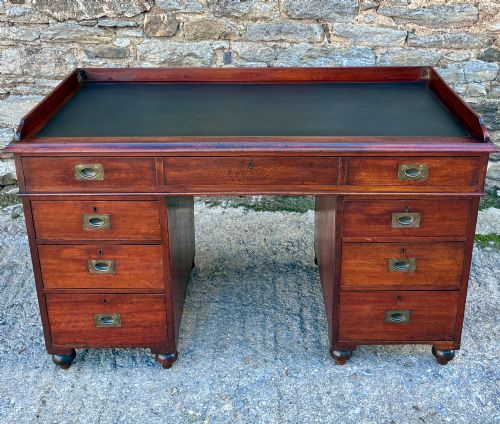
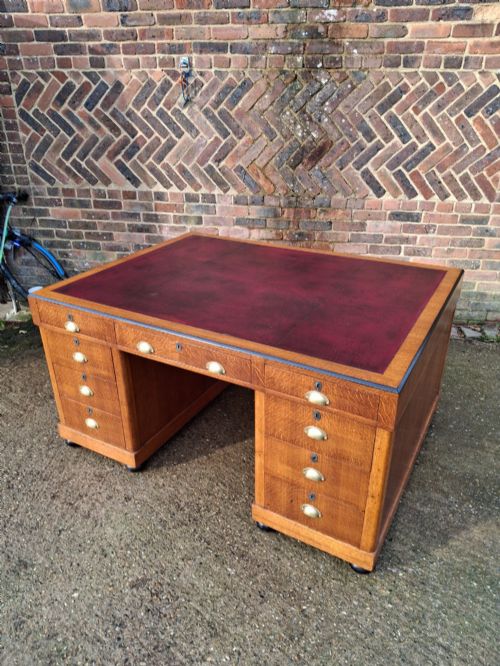
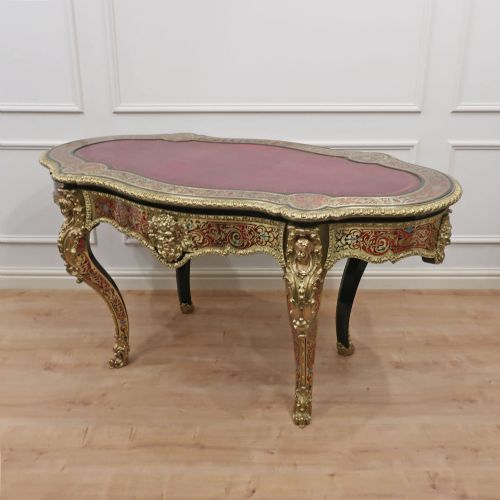
When you search for antique brass and leather, you encounter a varied selection of functional household furnishings, scientific instruments, and travel luggage. The material combination appears most frequently on seating, writing desks, storage trunks, and campaign equipment designed for heavy use.
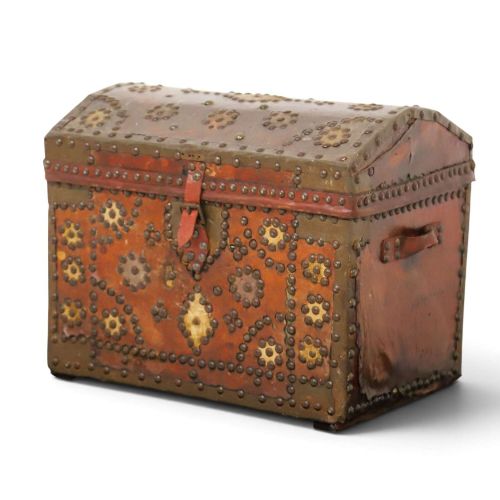
The objects span multiple eras, with examples ranging from Georgian and Regency items to Victorian and Edwardian household goods. On this page, you are most likely to meet desks, armchairs, and bound chests that incorporate brass mounts, studs, or mechanisms alongside hide upholstery.
Makers utilised these durable materials to withstand travel and daily domestic wear while maintaining an air of refinement. From pocket barometers to library chairs, the pieces reflect a period when utility was consistently paired with solid cabinetmaking.
How they were made
Makers combined timber frames made from mahogany, oak, walnut, or camphor wood with vegetable-tanned leather and cast brass hardware. The hide was frequently secured using individual brass studs driven by hand around the borders of seats, desks, and trunks.
Metal components such as corner brackets, carrying handles, and hinges were cast or forged to protect vulnerable edges on travel luggage and campaign chests. These brass elements were then screwed or pinned directly into the wood substrate.
Upholstery techniques involved deep buttoning and hand-stitching to attach the leather securely to padding on library chairs and footstools. Wood surfaces were polished and crossbanded, while instrument casings integrated fitted brass bezels to house glass dials.
Antique Brass and Leather Retail Price Guide 2026
Typical asking prices for brass and leather among the pieces listed under this phrase on Sellingantiques today, from the lower quarter to the upper quarter. They describe what is for sale here now, not the wider market.
Listings feature items from the Georgian, Regency, Victorian, and Edwardian periods, utilising brass, leather, mahogany, oak, and camphor wood.
What varies in quality
The standard of timber selection and cabinet joinery dictates the structural integrity of desks, chests, and chairs. Pieces constructed with dense hardwoods like flame mahogany or coromandel sit at the higher end of the range compared to simpler oak or softwood carcasses.
The grade and thickness of the leather hide, alongside the precision of the hand-applied brass studwork, determine the tactile appeal of upholstered surfaces. Uniformity in buttoning and the retention of original patination on both the leather and the metal components separate superior examples from standard utility items.
Edwards & Jones·Howard and Sons·Maple & Co·Trollope & sons·Samuel Pratt·French Ltd·Henri Jacot·Gillows
The Antique Brass and Leather Glossary
- Campaign trunk
- A portable storage chest fitted with recessed brass drop handles and corner brackets designed for military officers on the move. These boxes are frequently constructed from camphor wood or mahogany.
- Davenport desk
- A compact writing cabinet featuring a sloping desk top above a set of side drawers. Victorian examples often incorporate leather-lined writing surfaces and inlaid woodwork.
- Library chair
- A comfortable armchair designed for reading rooms, typically upholstered in buttoned leather and supported on a mahogany or walnut frame. Some variants include revolving mechanisms or writing arms.
- Pocket barometer
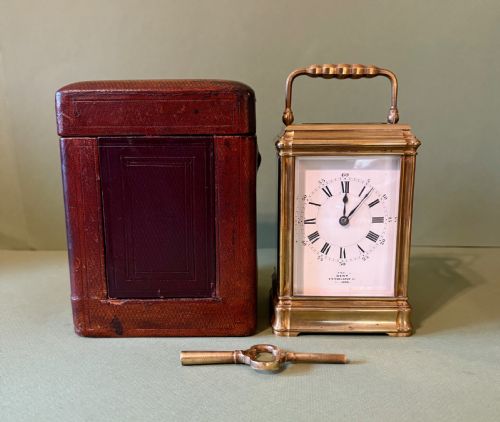
- A portable scientific instrument housed in a small brass case with a glass dial for measuring atmospheric pressure. Edwardian examples often survive in fitted leather travel cases.
- Studded seat
- A chair, stool, or chest decorated with rows of individual brass tacks securing the upholstery or decorative trim. This technique provides both visual contrast and structural edge reinforcement.
Antique Brass and Leather: Frequently Asked Questions
How do I care for antique leather?
Keep leather surfaces away from direct sunlight and heat sources to prevent the material from drying out and cracking over time. Apply a suitable conservation wax or leather balm sparingly to maintain flexibility and preserve the natural patination.
Avoid using modern chemical cleaners or excessive moisture when wiping down brass-studded areas. Gentle dusting with a soft, dry cloth is usually sufficient for routine maintenance.
What is a campaign chest?
A campaign chest is a modular storage trunk made in sections so that military officers could transport their belongings easily during travels. They feature flush brass handles and reinforced corners to withstand rough handling on the road.
These pieces were constructed from durable timbers like camphor wood or mahogany to resist humidity and insect damage. Their clever design allows the separate boxes to stack securely on top of one another.
How are Davenport desks used?
A Davenport desk provides a compact writing station with a sloping, often leather-lined top that lifts to reveal interior stationery compartments. The base contains a bank of small drawers, sometimes accessed from the side.
In a modern home, they function well as writing surfaces in smaller rooms or as decorative display cabinets. Their freestanding design allows them to sit comfortably away from a wall.
How do I date a brass and leather trunk?
Examine the construction methods, the type of timber used in the carcase, and the style of the brass hardware. Earlier Regency examples often feature heavy metal banding and camphor wood, while Victorian versions may incorporate more elaborate interior fittings and different lock mechanisms.
Manufacturer stamps or maker marks stamped onto the brass locks or leather linings provide direct evidence of origin. Comparing the dovetail joints and interior paper linings to documented pieces helps narrow down the decade of production.