
Antique Box
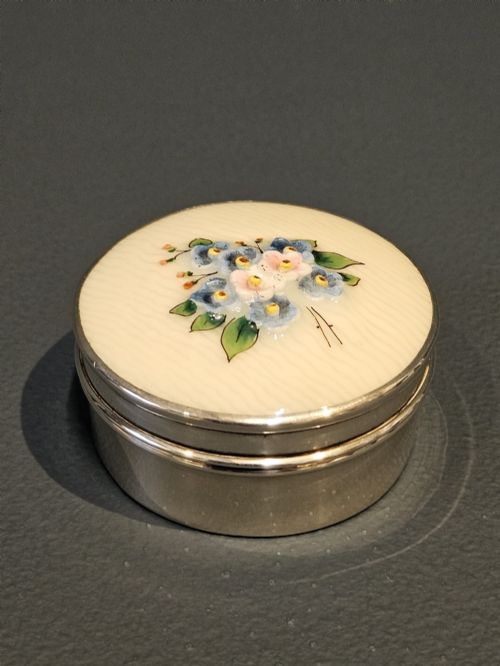
An antique box holds centuries of utility and personal storage, ranging from sturdy oak bible receptacles to delicate silver snuff cases.
Antique Box
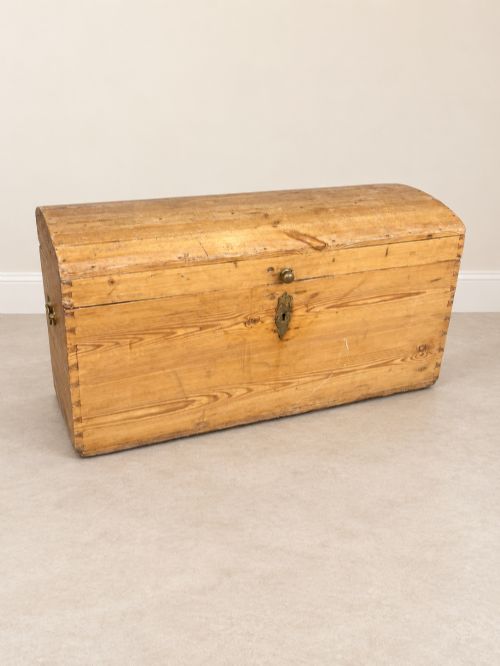
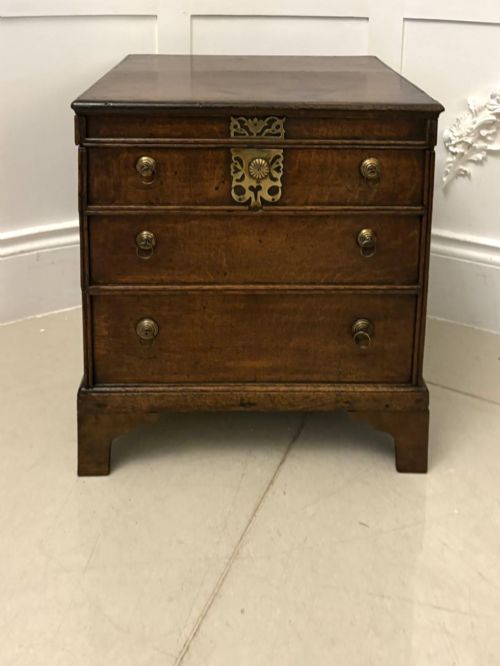
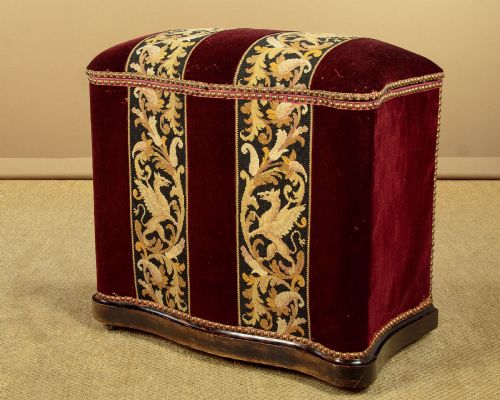
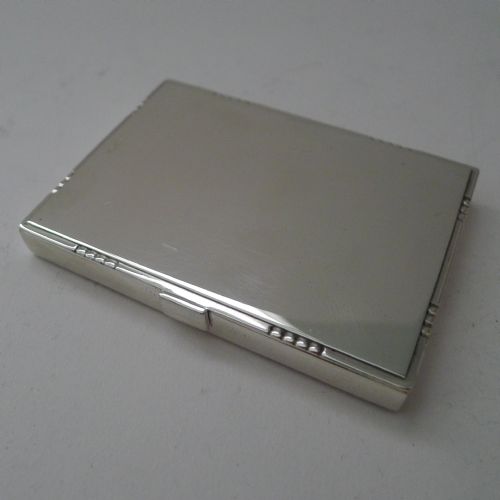
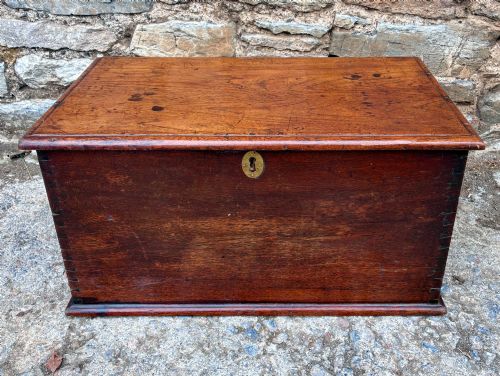
Every antique box serves a specific historical domestic or professional function, whether designed to secure valuables, dispense tea, or house artist supplies. The selection spans utilitarian containers like oak spice cupboards and blanket chests alongside refined personal accessories such as sterling silver snuff boxes and writing slopes.
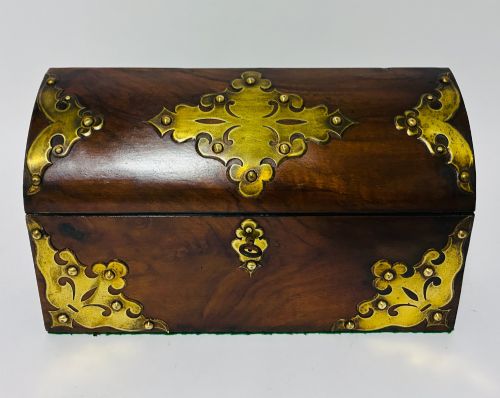
Victorian and Edwardian iterations dominate the selection, frequently utilising dense hardwoods like mahogany and walnut mounted in brass or ormolu. Collectors also encounter earlier seventeenth-century oak coffers and Georgian mahogany cutlery boxes, each displaying the distinct joinery of its period.
Materials and Construction
Craftsmen built these pieces from sturdy timbers including oak, mahogany, teak, and camphor wood, often reinforced with iron, brass, or ormolu mounts to protect corners and edges. Finer containers incorporate luxury veneers like kingwood and coromandel, complemented by boxwood and ebony inlay or repoussé sterling silver details.
Joinery methods reflect the era of production, ranging from pegged oak joints in seventeenth-century pieces to dovetailed mahogany drawers and secret compartments in nineteenth-century writing slopes. Metal components receive hand-finishing, engine turning, or gilt bronze casting to elevate the decorative finish of the object.
Noah's ark figures bring miniature wooden animals into the box category, offering a menagerie alongside writing slopes and spice cupboards.
Evaluating the Range
Distinctions in quality arise from the integrity of the materials and the precision of the secondary decorative elements, such as crisp engine turning on silver or finely executed hand-painted porcelain plaques. Superior examples retain their original fitted interiors, working locks, and matching keys rather than later replacement parts.
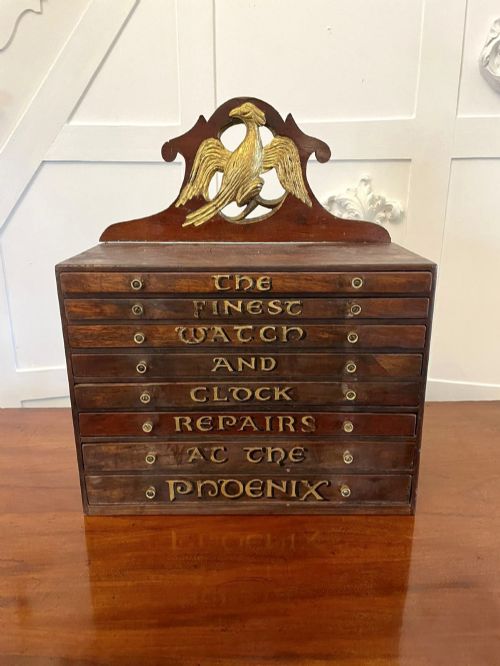
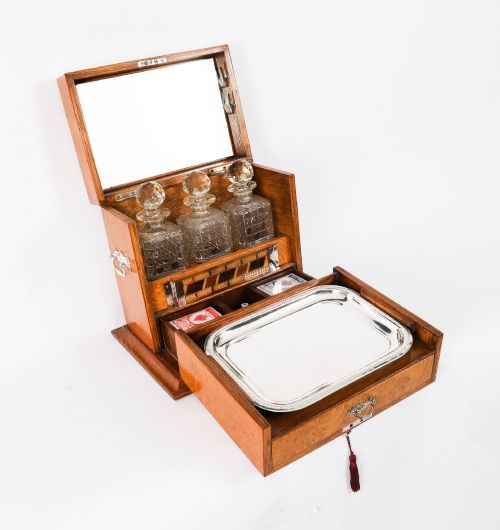
The degree of specialisation defines the better specimens, seen in purpose-built watchmaker chests, artist watercolour boxes, and tantalus sets with original bottles. Original surface patination and untouched internal compartment layouts distinguish exemplary survivals from heavily restored containers.
Winsor & Newton·Georg Jensen·Harald Nielsen·Deakin & Francis·Edwards & Jones·Martin Hall & Co
The Antique Box Glossary
- Writing Slope
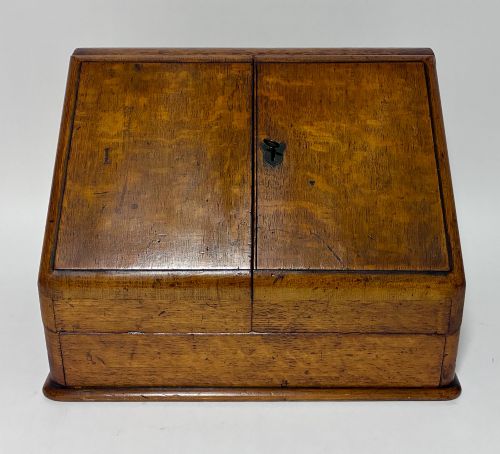
- A portable desk featuring a hinged, sloping lid that opens to reveal a flat writing surface, inkwell compartments, and hidden storage drawers. Nineteenth-century versions often include velvet or leather writing panels.
- Purdonium
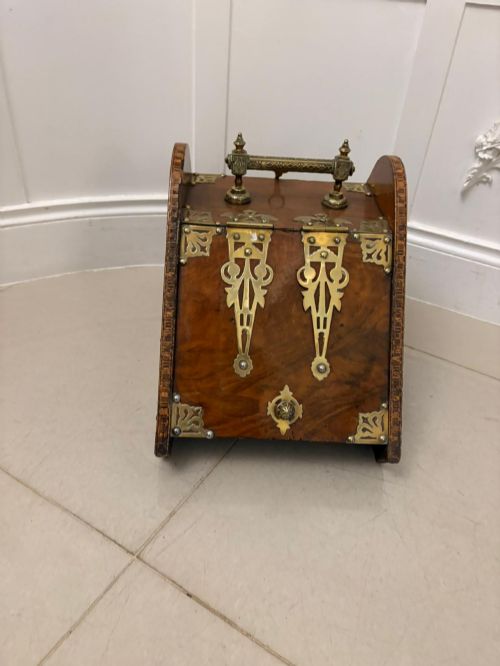
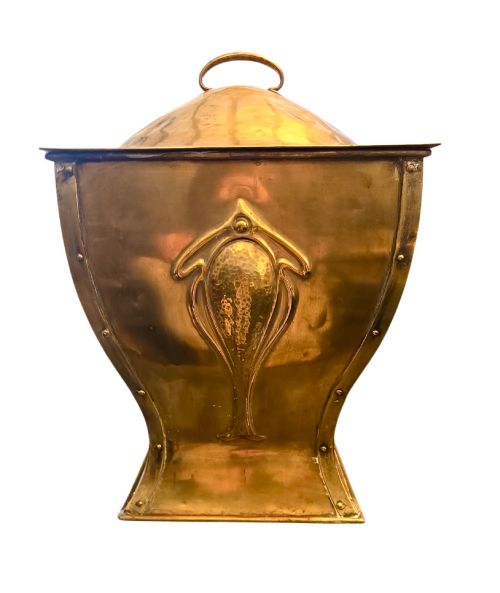
- A dedicated indoor coal box or scuttle designed in wood, brass, or iron to store fuel near a fireplace. These containers frequently house a removable metal liner for carrying coal cleanly.
- Engine Turned
- A surface decoration technique producing intricate geometric patterns cut mechanically into metal or ivory. This method appears frequently on nineteenth-century silver and brass personal boxes.
- Caddy
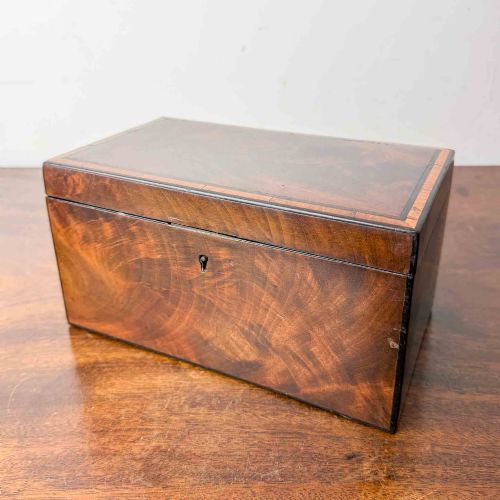
- A container designed originally to store and preserve dry tea leaves away from moisture and air. Georgian and Victorian examples often feature internal wooden lids or divided compartments.
Antique Box: Frequently Asked Questions
What were antique tea caddies used for?
Tea caddies served to store and protect valuable tea leaves in locked containers when tea was an expensive commodity. Many featured interior compartments and separate lids to blend different varieties.
Today, they function as decorative tabletop accessories or small storage containers for keepsakes and jewellery.
What is a coal purdonium?
A purdonium is an enclosed container built to hold domestic coal next to a hearth. They often include a drop-down front or a hinged lid with a removable metal liner.
Materials range from polished oak and walnut to hammered brass and wrought iron.
How should I care for wooden boxes?
Maintain wooden boxes by keeping them away from direct sunlight and extreme humidity fluctuations to prevent veneer cracking. Dust them gently with a dry, soft cloth and occasionally apply appropriate wax polish.
Avoid using liquid cleaners on antique polished surfaces or metal mounts.