




Antique Bottle Storage
Antique bottle storage pieces are solid wood cellarettes, glass apothecary jars and metal cages designed to hold your collection securely.
Antique Bottle Storage
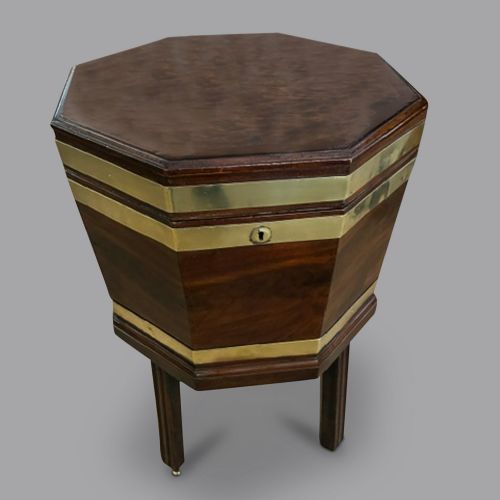
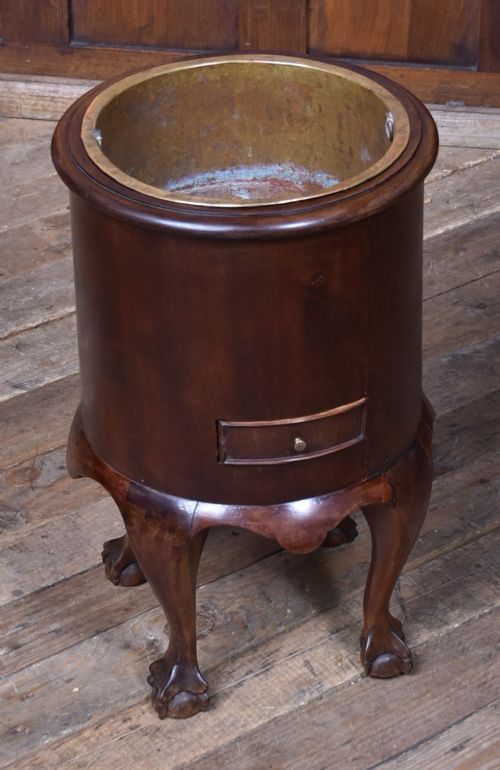
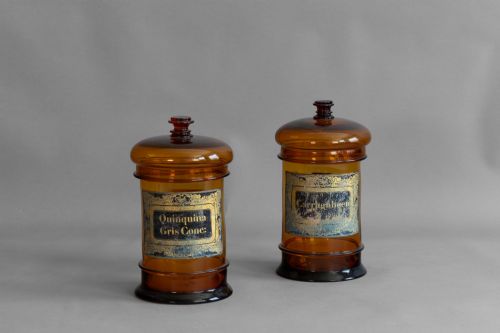
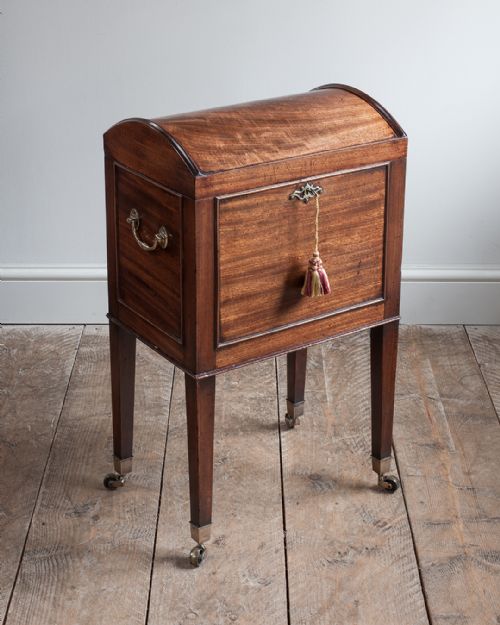
When you search for antique bottle storage, you encounter a specialised range of wooden cellarettes, glass apothecary containers and metal storage racks designed for keeping wine and liquids. These items span periods from the eighteenth century through to the Edwardian era, reflecting domestic and commercial needs for secure containment.
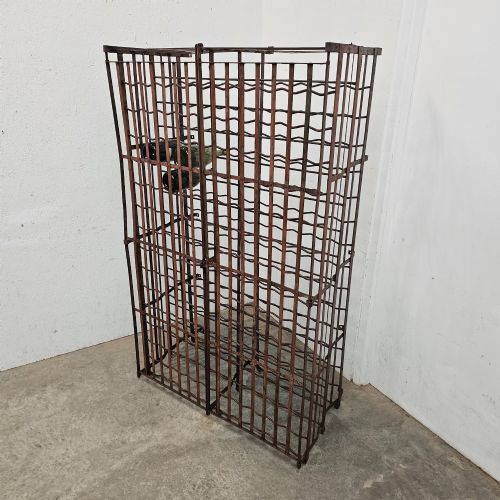
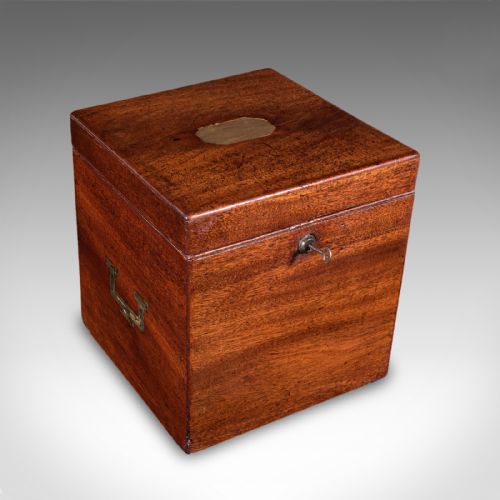
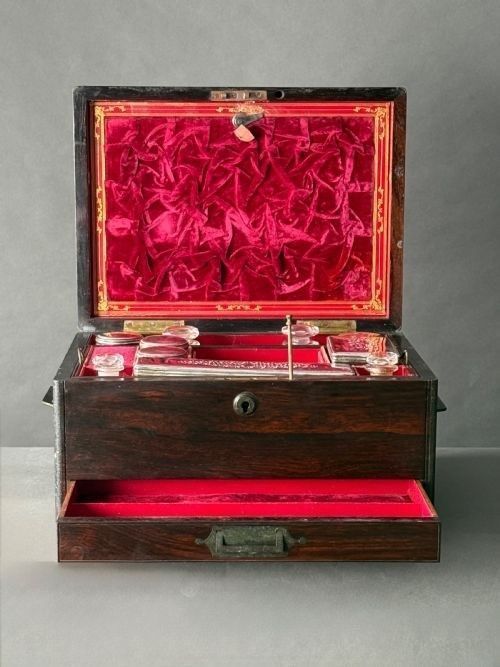
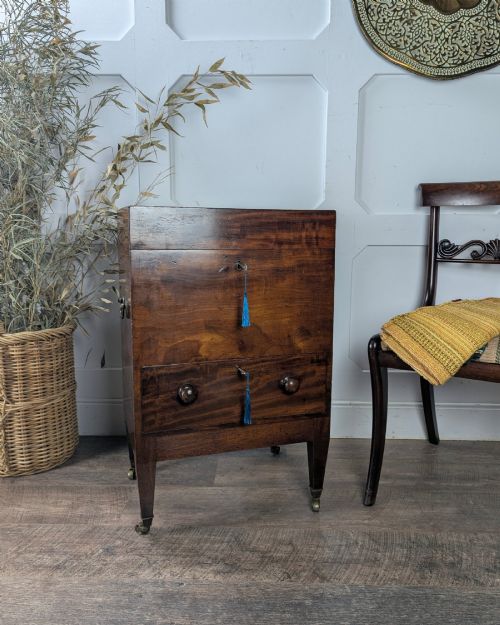
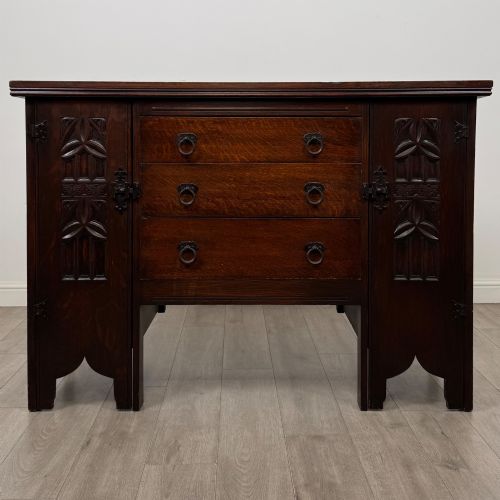
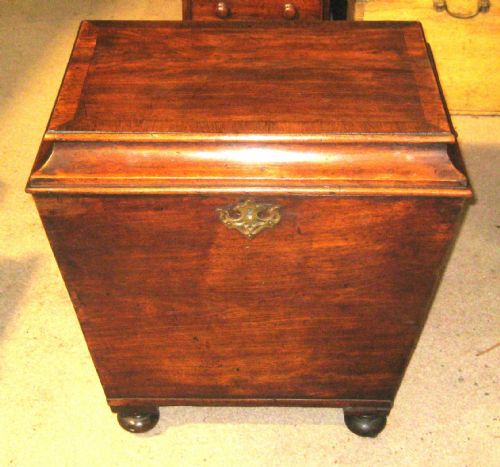
The most common forms on this page include mahogany wine coolers and cellarettes from the Georgian and Regency periods, alongside blown glass apothecary jars and large carboys from the nineteenth century. You also find oak sideboards with integrated bottle racks, vanity boxes, and heavy industrial wire wine cages.
Originating largely from British and French workshops, these pieces served dining rooms, cellars and chemist shops alike. Their construction ranges from fine cabinet-made furniture with brass fittings to utilitarian glass and iron vessels built for daily service.
How they were made
Makers relied heavily on dense hardwoods like mahogany, rosewood and oak for furniture forms, often incorporating brass banding, locks and velvet linings to protect the bottles within. Cabinetmakers constructed cellarettes with panelled sides and fitted interiors, occasionally utilising gold leaf accents or inlay for decorative refinement.
Glass containers such as apothecary jars, carboys and pickling vessels relied on traditional blown glass techniques, resulting in thick walls, pontil marks and bubbles trapped within the metal of the glass. Metal elements combine forged iron frameworks with steel mesh and brass hardware to create sturdy lockable cages and barrels.
Antique Bottle Storage Retail Price Guide 2026
Typical asking prices for bottle storage among the pieces listed under this phrase on Sellingantiques today, from the lower quarter to the upper quarter. They describe what is for sale here now, not the wider market.
Listings feature eighteenth-century blown glass liquid jars alongside heavy mahogany wine coolers from the Georgian period.
What varies in quality
Quality in these items rests upon the integrity of the materials and the precision of the construction. Superior wooden cellarettes exhibit choice timber grains, original brass locks such as Bramah mechanisms, and tightly joined framework that withstands the heavy weight of stored wine.
For glass items, substance and clarity dictate standard, where heavier blown glass jars with ground stoppers and undamaged rims command attention. The distinction between utilitarian workshop pieces and high cabinetwork lies in the refinement of the carved details and the survival of interior fittings.
Gillows of Lancaster and London·Whytock and Reid
The Antique Bottle Storage Glossary
- Cellarette
- A lockable cabinet, box or chest designed for storing wine bottles near the dining table. They frequently take sarcophagus or octagonal forms lined with lead or wood dividers.
- Carboy
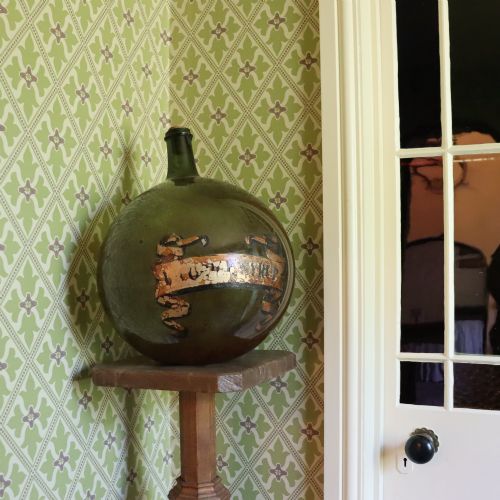
- A large, bulbous glass vessel used for holding corrosive liquids or large volumes of fluid. In apothecary settings, these served display purposes in shop windows.
- Bramah Lock
- A high-security barrel lock patented by Joseph Bramah in the eighteenth century. They are often found on better quality campaign and bottle storage boxes.
- Sarcophagus form
- A distinct burial-chest shape popular for wine coolers during the Regency and Georgian periods. These pieces sit on bracket feet or plinth bases with heavy carved scrollwork.
- Apothecary jar
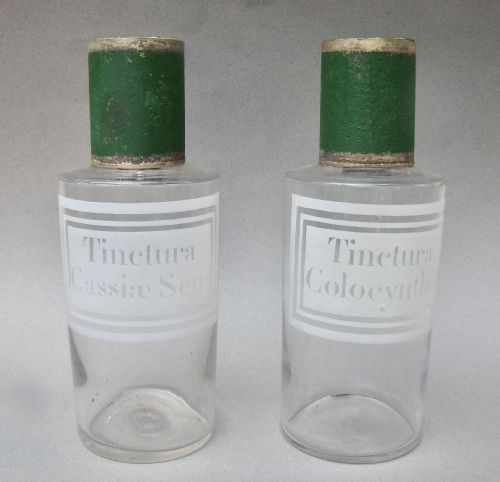
- A vessel utilised by chemists to store dried herbs, chemicals or liquids. They often feature etched glass labels and matching glass covers.
Antique Bottle Storage: Frequently Asked Questions
How do I use a cellarette today?
Cellarettes make practical side tables or drinks cabinets in a modern dining room or living space. Their internal compartments hold contemporary wine bottles or spirits securely.
Position them away from direct heat sources to protect the antique timber and internal linings from drying out or warping.
Were all wine coolers lined with lead?
Many eighteenth and nineteenth-century cellarettes feature lead-lined interiors designed to hold ice and water for chilling bottles. Other examples rely on wooden lattice dividers or velvet padding.
You can identify the original purpose by inspecting the interior floor for drainage holes or metal liners.
How do I distinguish Georgian from Victorian pieces?
Georgian and Regency pieces lean towards architectural restraint, featuring figured mahogany, subtle brass inlay and balanced proportions. Victorian examples often display heavier carving, darker walnut, and more massive dimensions.
Examine the secondary woods inside drawers and the style of the hardware to confirm the period.