
Antique Bookcase Display Cabinet
An antique bookcase display cabinet combines enclosed shelving for a library with glazed frontage to exhibit treasured collections.
Antique Bookcase Display Cabinet
The search phrase antique bookcase display cabinet covers hybrid storage furniture designed to hold books behind glass or showcase porcelain and decorative objects within domestic rooms. These pieces emerged strongly during the Victorian and Edwardian eras, spanning formal breakfront library pieces to smaller drawing room vitrines and bureau bookcases.
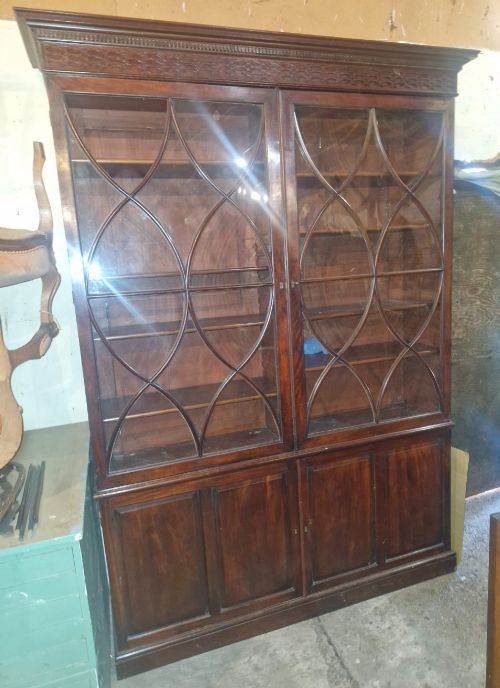
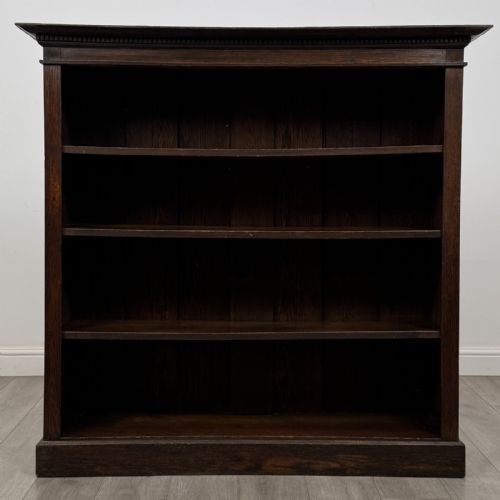
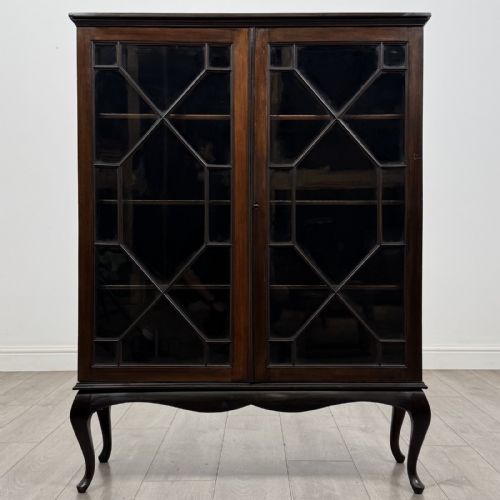
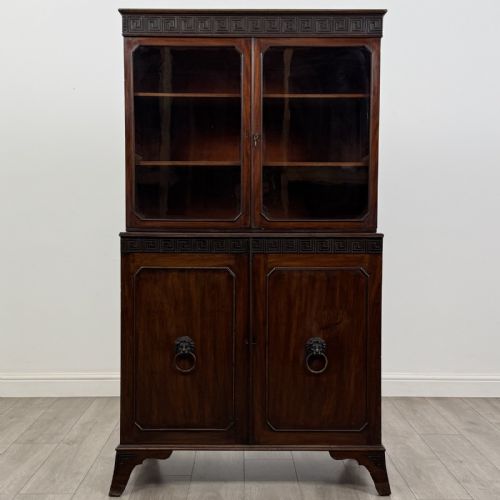
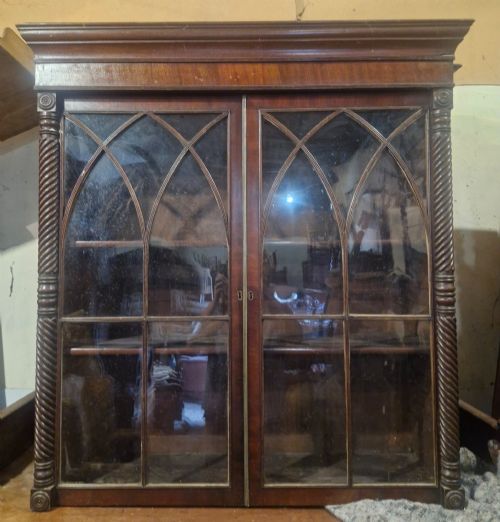
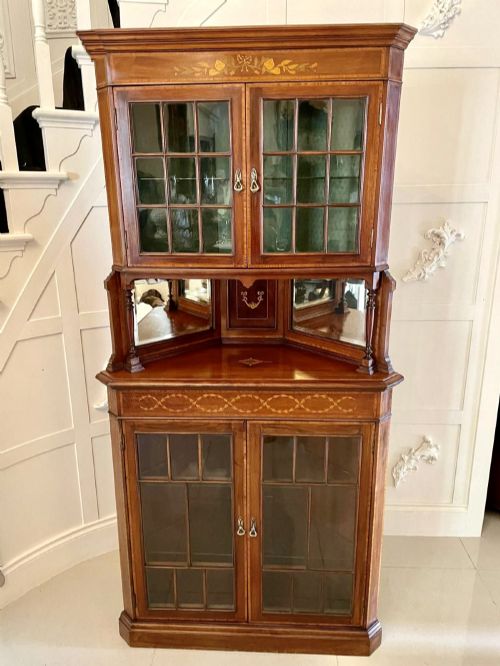
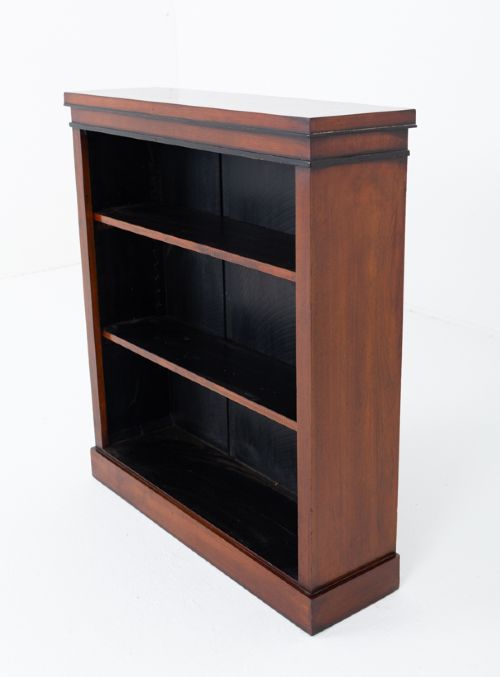
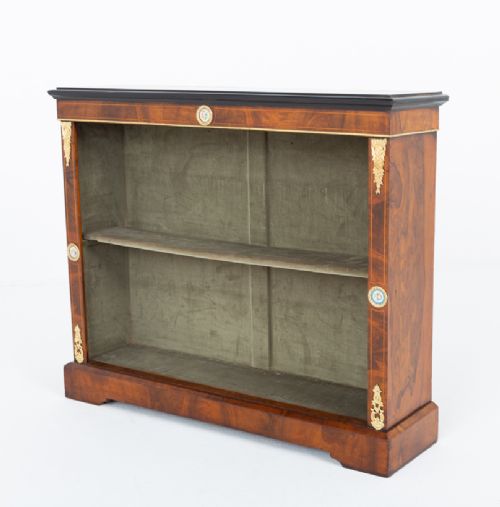
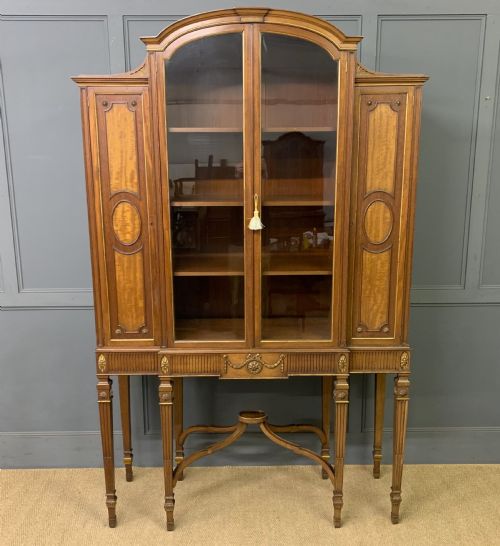
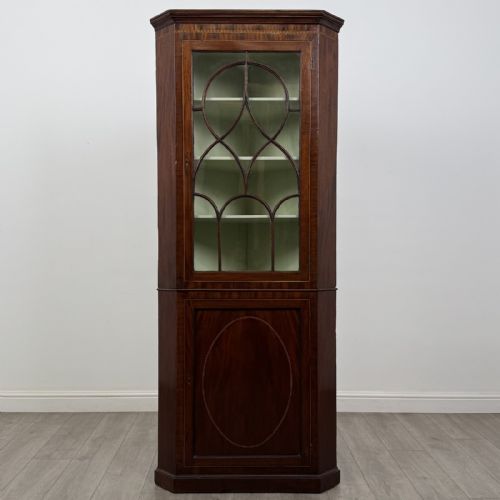
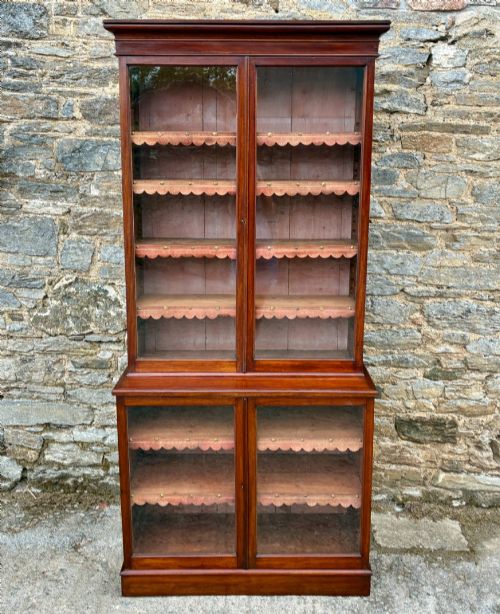
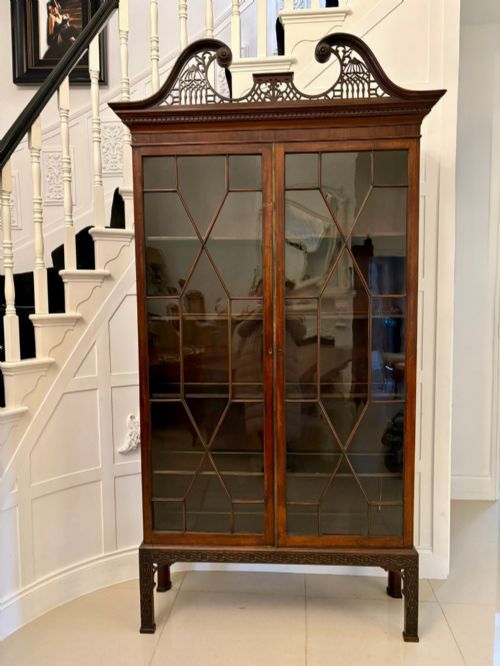
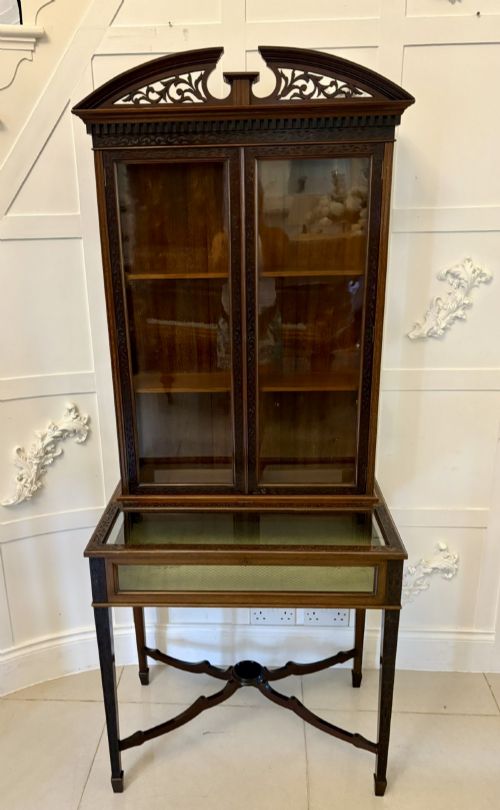
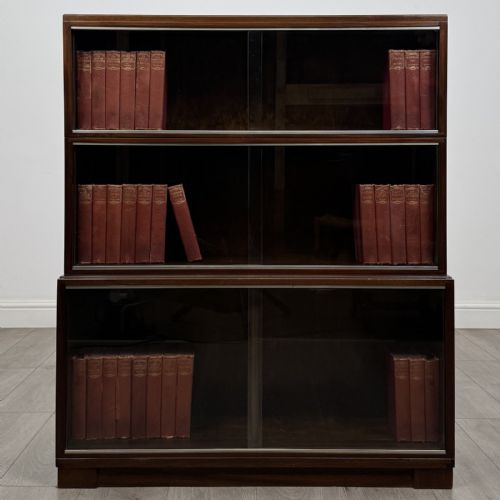
Buyers most frequently encounter mahogany, walnut and oak versions from the nineteenth and early twentieth centuries on this page. These range from tall breakfront library bookcases with astragal glazed doors to compact Edwardian inlaid display cabinets and open shelving units.
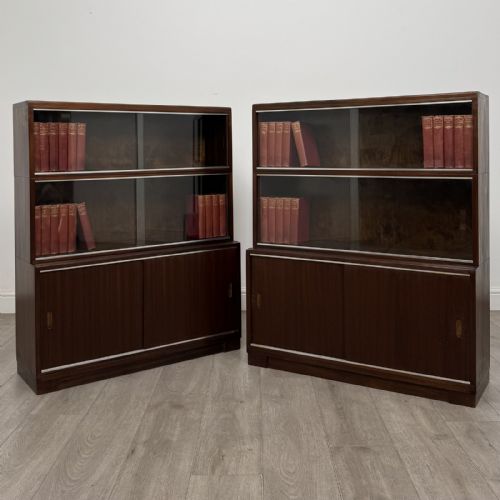
Makers adapted regional British and continental preferences, producing forms that integrate lower wooden cupboards with upper glazed display sections. Such dual-purpose furniture reflects the Victorian and Edwardian desire to organise personal libraries while displaying decorative ceramics.
How They Were Made
Cabinetmakers constructed these pieces using dense hardwoods like mahogany, walnut, oak and rosewood, frequently applying burr veneers or flame mahogany to principal surfaces. Marquetry, boxwood stringing and hand-carved relief details enhanced the timber foundations on higher-status commissions.
Glazing techniques relied on individual glass panes held within wooden astragal bars or leaded cames, supplemented by brass hardware, ormolu mounts and porcelain plaques for decorative emphasis.
Listings feature woods including mahogany, oak, walnut, rosewood, satinwood, kingwood, yew wood and pitch pine across multiple periods.
What Varies in Quality
Quality rests upon the selection of timbers, where figured veneers, flame mahogany or burr walnut indicate superior material choice over plain pine or standard oak. The precision of inlaid marquetry and hand-carved enrichment separates standard utility furniture from exhibition pieces.
Structural refinement shows in adjustable shelving mechanisms, original brass fittings, carefully fitted glass doors and well-executed ormolu mounts. Finer examples maintain proportions and decorative consistency across large breakfront and bureau formats.
T. Inglesant & Sons Leicester
The Antique Bookcase Display Cabinet Glossary
- Astragal glazed
- Glass doors divided into smaller panes by narrow wooden bars called astragals. This technique creates a geometric grid pattern across the front of the cabinet.
- Breakfront
- A piece of furniture where the central section projects forward from the flanking wings. This architectural arrangement creates depth and visual balance.
- Bureau bookcase
- A combination of a sloping desk flap above lower drawers and an upper glazed bookcase section. It served as a compact writing and storage station.
- Ormolu
- Gilded bronze mounts applied as decorative ornaments to furniture surfaces. French cabinetmakers utilised these brass-based mounts extensively on walnut and kingwood cabinets.
- Pier cabinet
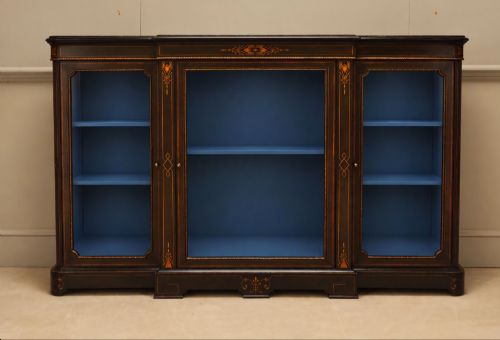
- A low freestanding cabinet designed to sit against the wall space between windows. These pieces often feature glass doors and elaborate marquetry.
Antique Bookcase Display Cabinet: Frequently Asked Questions
What is an antique bookcase display cabinet used for?
These hybrid pieces were designed to store library volumes while simultaneously exhibiting porcelain, glassware and decorative objects behind glass doors. They served as functional room furnishings for wealthy Victorian and Edwardian households.
Today, owners utilise the shelving to organise book collections while keeping delicate ornaments protected from dust within the glazed upper or lower compartments.
How do I tell Victorian from Edwardian pieces?
Victorian examples tend to utilise heavier timbers such as dark mahogany, burr walnut and heavy oak, often featuring deeper carvings and formal architectural proportions. They reflect mid-to-late nineteenth-century tastes for substantial domestic furniture.
Edwardian cabinets frequently display lighter satinwood, brighter inlaid marquetry, or painted Chinoiserie decorations. These twentieth-century pieces often exhibit slender proportions and influences from Sheraton or Regency revivals.
Are the shelves inside adjustable?
Many better-quality nineteenth-century and early twentieth-century examples incorporate adjustable wooden shelving systems to accommodate varying book heights. Cabinetmakers used rack-and-pinion mechanisms or traditional wooden support strips.
Buyers should inspect the interior cabinet walls for the characteristic slots or peg holes that indicate movable shelves were included in the original construction.
How do I care for the wood and glass?
Maintenance requires regular dusting with a soft, dry cloth and occasional application of appropriate beeswax to nourish historic timber veneers. Harsh chemical cleaners should be avoided near antique polished surfaces and ormolu mounts.
Glass panels benefit from gentle cleaning with a mild solution applied to a cloth rather than sprayed directly onto the wood, protecting the surrounding frame and historic glazing bars.