





Antique Bonnet Ornament
An antique bonnet ornament turns a classic motor into a rolling sculpture.
Antique Bonnet Ornament
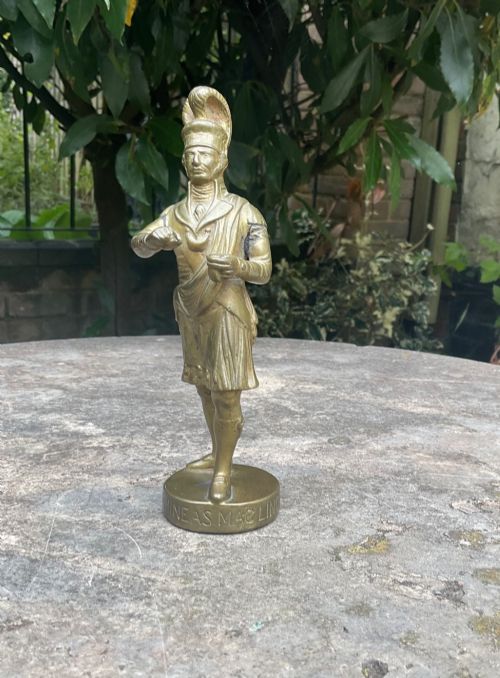
An antique bonnet ornament sits atop a motor vehicle radiator cap, functioning as both personal expression and automotive art. Buyers seek these metal and glass sculptures to capture the pioneering spirit of early motoring.
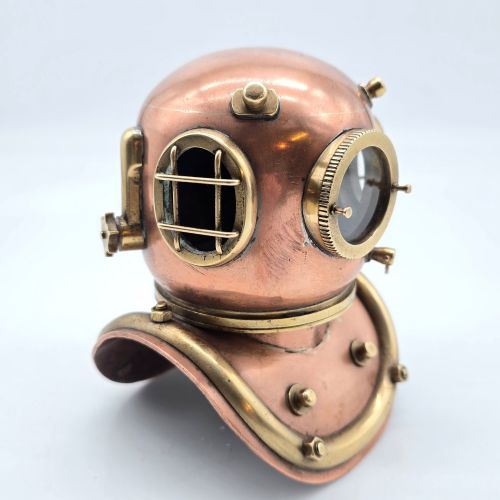
The pieces on this page span the Victorian era through the mid-century, capturing periods from the 1860s to the 1940s. You will encounter forms styled as car mascots, animal figures, and figurative busts.
Art Deco examples dominate the selection, often taking the form of lithe human figures or sleek animals. These motor mascots reflect the speed and dynamism of their manufacturing era.
Materials and methods
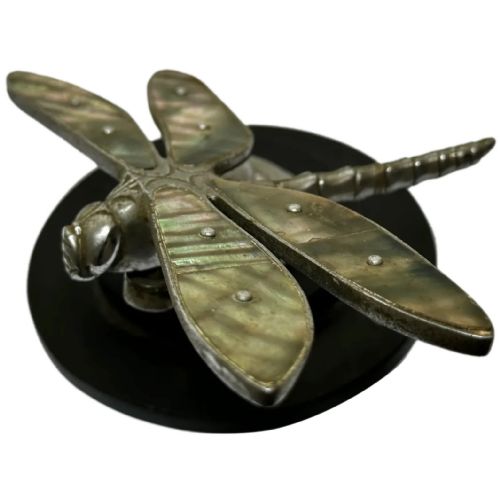
Foundries cast these mascots in bronze and brass, sometimes applying cold painted finishes or gilt layers to the metal surfaces. Makers also utilised chrome and iron for durability against the elements.
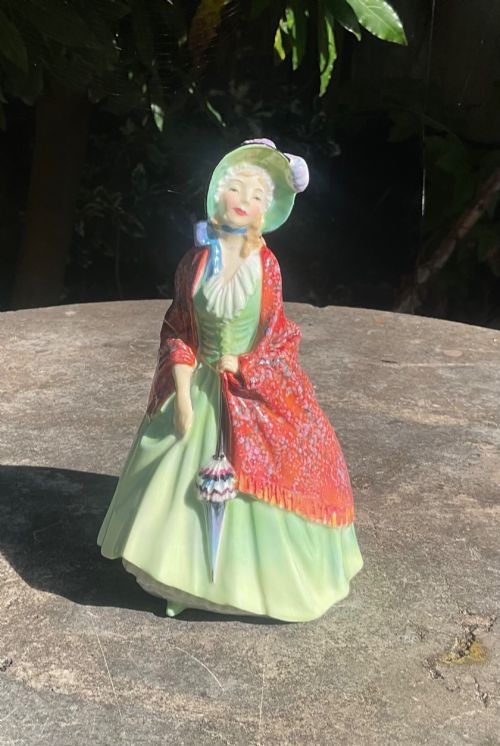
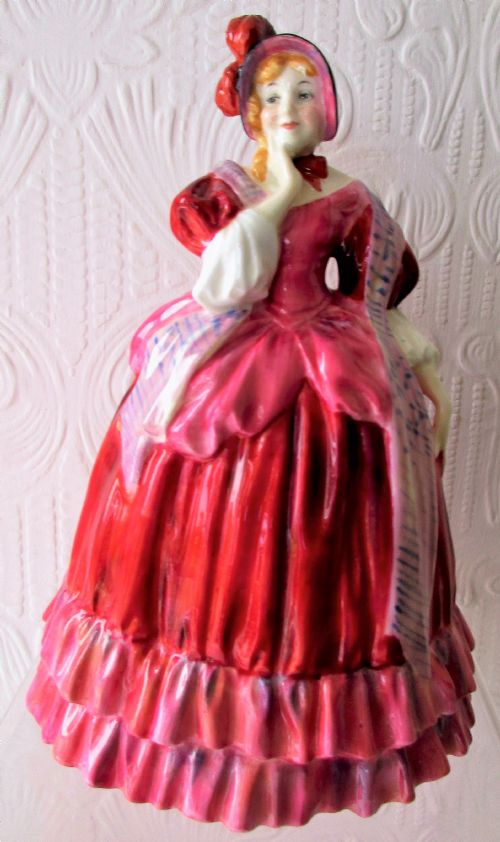
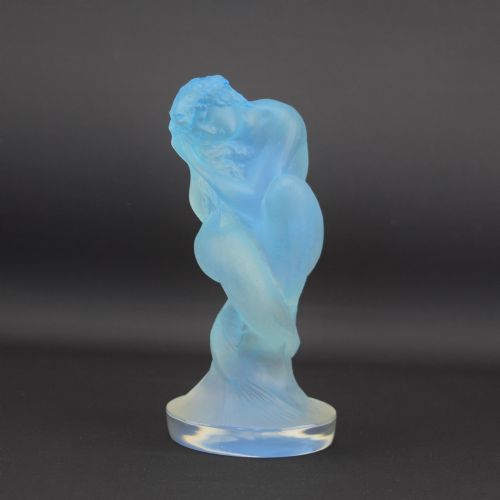
Glassmakers employed opalescent glass moulding to create translucent subjects that caught the sunlight during daytime drives. Ceramic works relied on bone china, porcelain, and traditional glazes for delicate figurine forms.
Wood and terracotta appear among the decorative desk accessories and busts, showing traditional sculptural carving and moulding techniques distinct from automotive metalwork.
Antique Bonnet Ornament Retail Price Guide 2026
Typical asking prices for bonnet ornament among the pieces listed under this phrase on Sellingantiques today, from the lower quarter to the upper quarter. They describe what is for sale here now, not the wider market.
Listings feature periods spanning from the nineteenth century through the 1940s, executed in bronze, porcelain, opalescent glass, and wood.
Assessing the craftsmanship
The finesse of the chiselling and the crispness of the casting define the top tier of metalwork. Superior bronze and brass pieces retain sharp details in hair, feathers, and facial expressions without blurring.
Mould quality dictates the appeal of opalescent glass pieces, where even light diffusion and clean parting lines signal better production standards. Signed works by established makers show greater attention to finishing touches.
Surface patination and the preservation of original cold painted colours heavily influence the visual impact of metal figures. Intact finishes demonstrate proper care and higher original workshop standards.
Royal Doulton·Rene Lalique·Royal Worcester·Louis Lejeune·Desmo
The Antique Bonnet Ornament Glossary
- Car mascot
- A sculptural ornament mounted on the radiator cap of a motor car. They serve as personalised insignia for early motorists.
- Opalescent glass
- Glass that displays a milky or iridescent appearance with milky blue and amber tones. It scatters light to striking visual effect.
- Cold painted bronze
- Bronze sculpture painted with non-fired colours after casting. This finish requires careful preservation to prevent flaking.
- Grille mascot
- An alternative mounting position for a vehicle ornament attached directly to the radiator grille rather than the cap. These pieces often feature specific bracket fittings.
- Automobilia
- Collectable items associated with motor cars and motoring history. The category encompasses mascots, badges, and desk accessories.
Antique Bonnet Ornament: Frequently Asked Questions
How do I mount a bonnet ornament?
Most antique mascots feature a threaded bolt base designed to screw directly into a dedicated radiator cap fitting. Modern display usually involves a custom wooden or metal plinth for shelf presentation.
Ensure the mounting hardware matches the original threading of the piece to avoid damaging vintage metal.
Were these ornaments actually used on cars?
Drivers mounted these sculptures on the radiator caps of cars during the early decades of motoring. They served as personalised symbols before radiator caps moved beneath the bonnet.
Many examples show minor road wear consistent with outdoor use on moving vehicles.
How do I clean bronze mascots?
Dust the metal gently with a soft brush and avoid harsh chemical dips that strip the historic patination. Preserving the natural darkening of bronze maintains the integrity of the sculpture.
Consult a metal conservation specialist if the surface requires more than light dry cleaning.
What periods do these pieces represent?
The selection ranges from nineteenth-century terracotta busts and Victorian porcelain to 1930s Art Deco motoring sculptures. Mid-century automobilia and Edwardian figures also appear across the listings.
Stylistic cues such as streamlined geometry help distinguish the later Art Deco items from earlier Victorian work.