



Antique Bohemian Table
An antique bohemian table brings vibrant colour and layered pattern into a room, offering both surface utility and distinct regional character.
Antique Bohemian Table
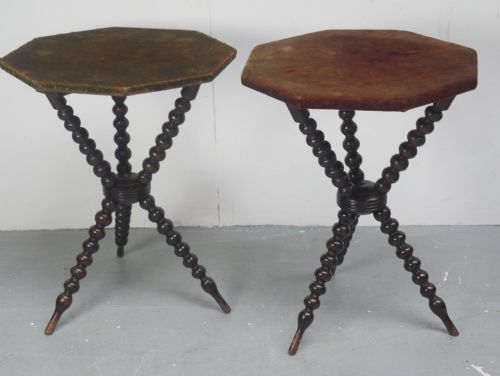
The term antique bohemian table encompasses various occasional, side, and coffee tables shaped by 19th-century and early 20th-century craftsmanship. Buyers find pieces ranging from Victorian octagonal designs incorporating mother-of-pearl to intricate brass-top interpretations and occasional tables from different global influences.
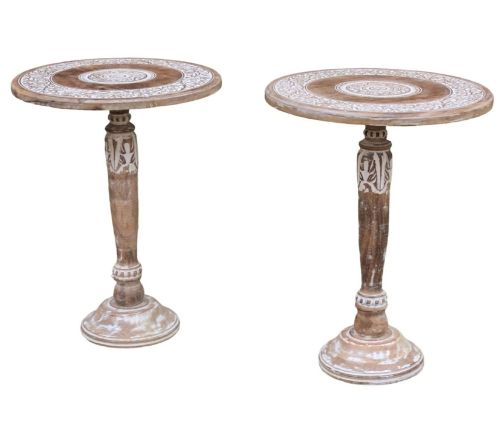
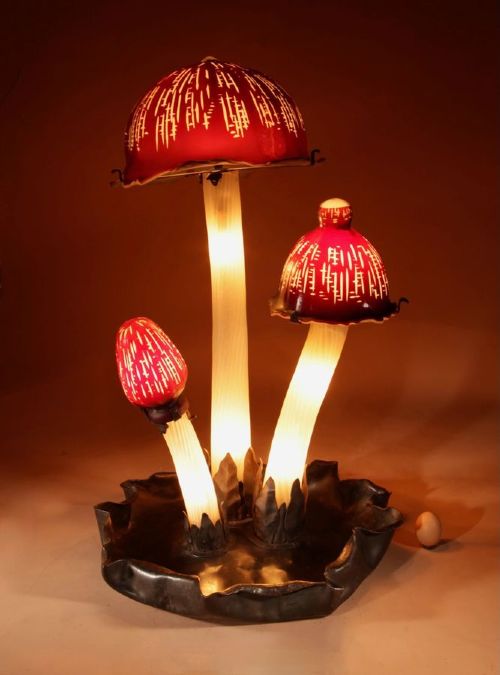
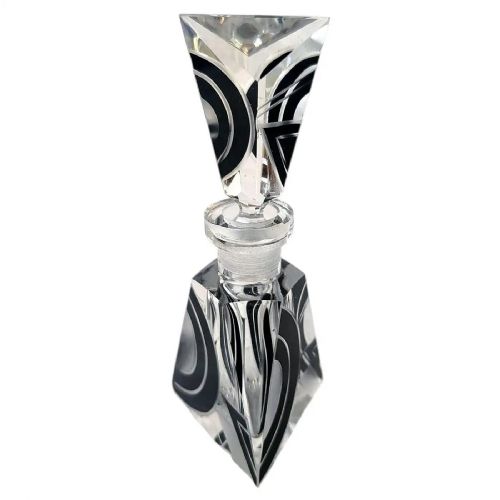
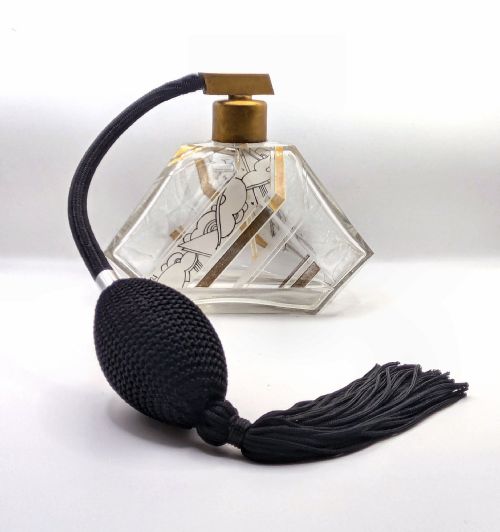
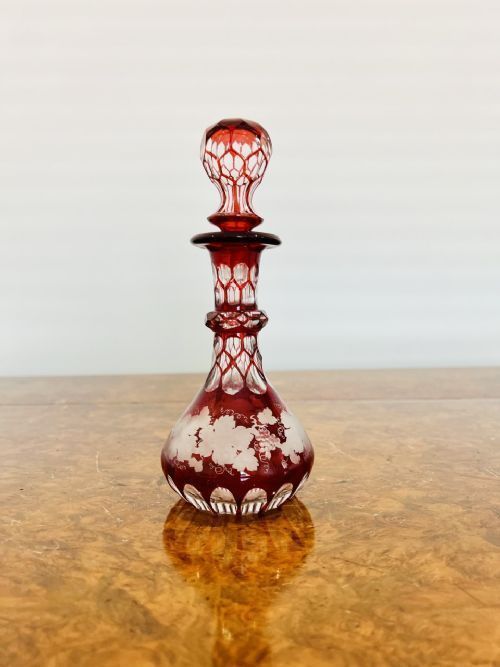
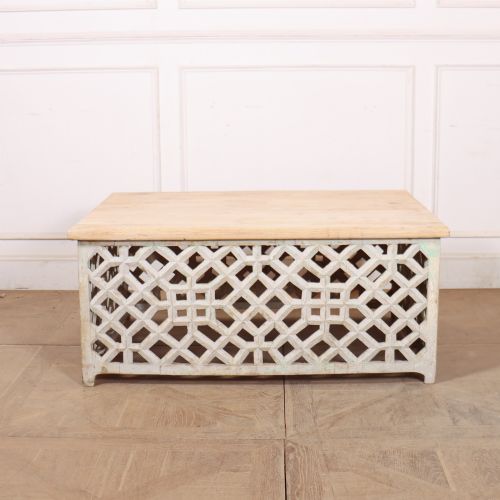
While glass objects dominate much of the broader bohemian category on this page, the furniture selections lean towards wood bases adorned with decorative inlays or metal trays. These smaller tables suit sitting rooms and halls where a single decorative surface creates an immediate focal point.
Materials and construction
Makers utilised sturdy timbers as foundations, applying detailed surface work such as mother-of-pearl inlay or heavy brass tops stamped with zodiac symbols and geometric motifs. These materials demand careful hand-fitting to ensure the metal or shell sits flush within the wooden framework.
Turned wooden supports and folding mechanisms often underpin the structure, allowing the tables to serve practical domestic roles while displaying traditional regional woodworking techniques.
Antique Bohemian Table Retail Price Guide 2026
Typical asking prices for bohemian table among the pieces listed under this phrase on Sellingantiques today, from the lower quarter to the upper quarter. They describe what is for sale here now, not the wider market.
The listings span from the Georgian period through the Victorian era into Art Deco and 1930s designs, incorporating glass, brass, and mother-of-pearl.
Assessing craftsmanship
Quality rests upon the precision of the inlay work and the structural integrity of the base. Finer examples display tightly secured mother-of-pearl pieces or deeply etched brass tops with crisp, legible details rather than shallow stampings.
The connection between the decorative top and the wooden frame separates standard production from superior pieces. Strong joinery and stable leg assemblies ensure the table functions reliably in daily use without developing wobble.
Karl Palda·Rudolf Hlousek·Hermanova·Royal Dux·A. J. Pepper & Co
The Antique Bohemian Table Glossary
- Mother-of-pearl
- The iridescent inner layer of certain mollusc shells used extensively for decorative inlay on furniture surfaces. It catches the light differently depending on the viewing angle.
- Occasional table
- A small, movable table designed for a specific, intermittent domestic use rather than permanent seating coordination. These pieces often feature lightweight frames for ease of placement.
- Octagonal
- Having eight sides and eight angles, a geometric form frequently employed for the tabletops of this period. This shape softens the corners of a room compared to a strict rectangle.
- Brass top
- A removable or fixed metal plate featuring chased or etched designs, often mounted upon a folding wooden stand. The metal provides a durable, reflective surface for display.
Antique Bohemian Table: Frequently Asked Questions
Where should I place an antique bohemian table?
These smaller tables fit comfortably beside armchairs or sofas as resting spots for books and small objects. Their decorative surfaces also allow them to stand alone in hallways or corners as display pieces.
Ensure the table sits on a level floor so the structure remains stable, particularly if the top is metal or inlaid with delicate shell.
How do I clean a brass top table?
Dust the surface regularly with a soft, dry cloth to prevent dirt accumulation in the etched recesses of the metal. Avoid harsh chemical polishes that strip away the aged patina accumulated over decades.
If the wooden base requires attention, use a mild wax suitable for antique timber rather than modern silicone sprays.
Are these tables sturdy enough for daily use?
Most occasional and coffee tables from this era are built to support standard items like lamps, cups, and small decorative objects. Avoid placing heavy loads on folding or lightweight frames.
Checking the joints beneath the tabletop helps confirm whether the construction remains secure for regular placement.
How do I identify the period of a table?
Examine the construction methods visible underneath, including the type of fixings, wood joints, and hand-cut elements. Victorian and early 20th-century pieces often display specific inlay patterns and patination consistent with their age.
Comparing the decorative motifs, such as zodiac symbols or mother-of-pearl arrangements, to documented regional styles helps confirm the era.