



Antique Bobbin Stool
An antique bobbin stool brings tactile turned wood and sturdy historic character to a room.
Antique Bobbin Stool
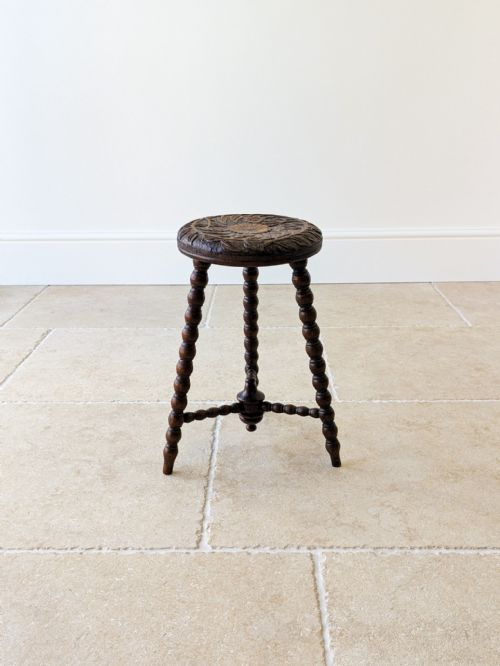
When you search for an antique bobbin stool, you are looking at sturdy seating defined by turned spool or bobbin elements. The listings on this page span several centuries, reaching from the seventeenth century through the Victorian era and into the early twentieth century.
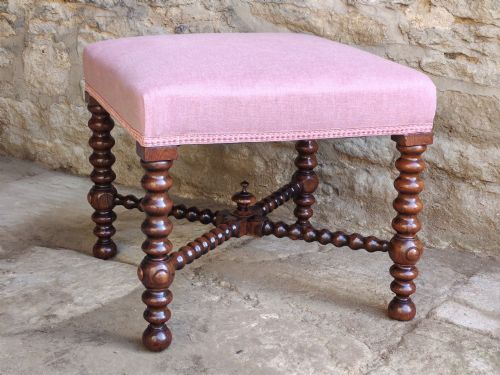
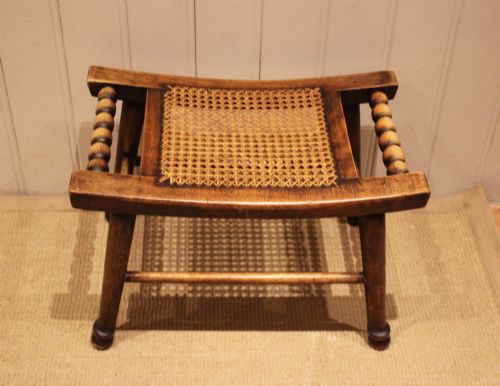
The forms vary across the evidence from simple turned beech cane seat stools to rosewood bobbin leg stools and oak box stools. Origins and influences include seventeenth century Jacobean styles alongside later Victorian and rustic farmhouse interpretations.
While the phrase specifies a stool, the materials and forms connect closely to related seating such as side chairs, footstools, and box stools. You will encounter various woods including oak, beech, and rosewood, often paired with cane or fabric upholstery.
Materials and construction
Makers utilised solid timbers such as oak, beech, walnut, and rosewood to shape the distinct turned components. Turning wood on a lathe created the repeated rounded spool profiles that give these pieces their characteristic appearance.
Joinery techniques ranged from joined construction in seventeenth century examples to later Victorian framing methods. Seats incorporated solid wood, woven cane, or upholstered pads finished with fabric and tapestry.
Antique Bobbin Stool Retail Price Guide 2026
Typical asking prices for bobbin stool among the pieces listed under this phrase on Sellingantiques today, from the lower quarter to the upper quarter. They describe what is for sale here now, not the wider market.
The listings span from the seventeenth century through the Victorian era up to 1920, utilising oak, rosewood, beech, and walnut.
Judging quality and character
Quality rests in the precision of the wood turning and the integrity of the timber framing. Crisp definition in the bobbin turnings separates finer examples from simpler vernacular pieces.
The choice of primary wood also influences the piece, with dense hardwoods like rosewood or well-figured oak offering greater visual presence than softer utility timbers.
The Antique Bobbin Stool Glossary
- Bobbin turning
- A form of woodturning characterised by a series of rounded, spool-like protuberances resembling bobbins of thread. This decorative technique is prominent on legs and stretchers.
- Box stool
- A form featuring a compartment beneath the seat, historically serving as storage or functioning as a close stool. These pieces combine seating with utility.
- Cane
- Woven rattan or split plant material used to create resilient, lightweight seat panels. It appears on turned beech frames.
- Jacobean revival
- A nineteenth century historicist style imitating the robust oak furniture of the early seventeenth century. It draws heavily on seventeenth century forms.
- Joined oak
- Furniture construction utilising mortise and tenon joints secured with wooden pegs rather than metal fastenings. This method defines early oak seating.
Antique Bobbin Stool: Frequently Asked Questions
What is a bobbin stool?
An antique bobbin stool is a piece of seating furniture characterised by legs or stretchers turned on a lathe to resemble a series of bobbins or spools. These stools appear in materials such as oak, beech, and rosewood across multiple periods.
Such pieces range from seventeenth century box forms to nineteenth century turned examples with cane or fabric seats, serving practical seating needs while adding textural detail to an interior.
How were antique bobbin stools used?
Historically, these stools provided movable seating around the home, while variants like box stools offered enclosed storage beneath the lid. Some pieces functioned as fireside or dressing table seats.
In modern rooms, they work well as small side seats, footstools, or decorative stands in hallways and living spaces, offering versatile placement due to their compact footprints.
How do I date an antique stool?
Dating relies on observing the timber species, joinery methods, and the style of the turnings. Early pieces utilise joined oak and heavy timbers, whereas Victorian examples often feature rosewood or beech with softer upholstery.
Comparing the construction details against documented periods in the evidence helps establish a reliable timeframe for when the piece was made.
Are these stools comfortable for daily use?
Comfort depends on the specific form, as wooden top box stools and rigid framed seats were designed for utility rather than lounging. Upholstered versions or cane seat variants offer a softer sit.
When living with these pieces, pairing a rigid wooden stool with a textile pad or choosing an upholstered variant ensures practical comfort for everyday seating.