

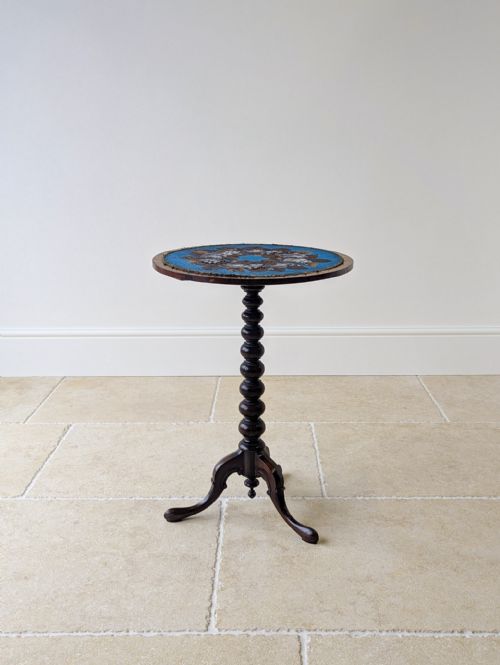


Antique Bobbin Stand
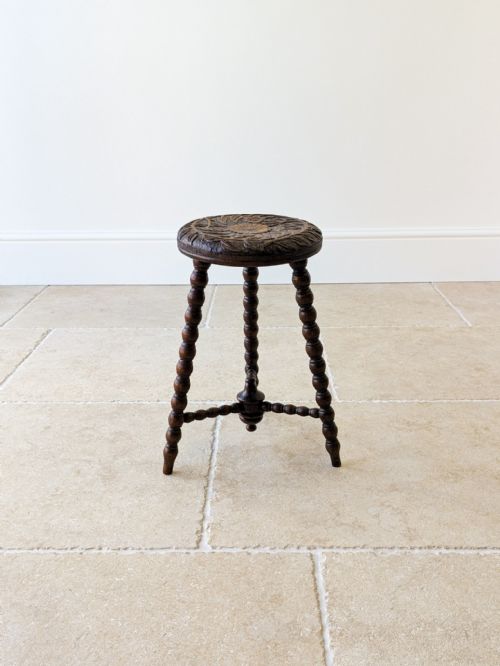
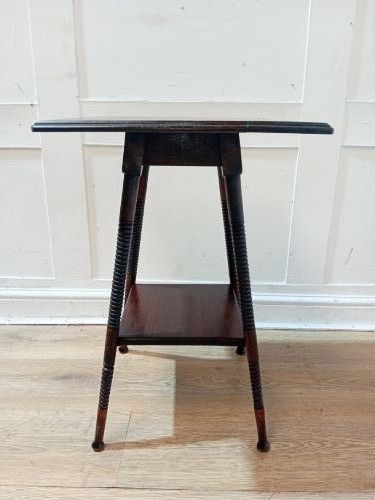
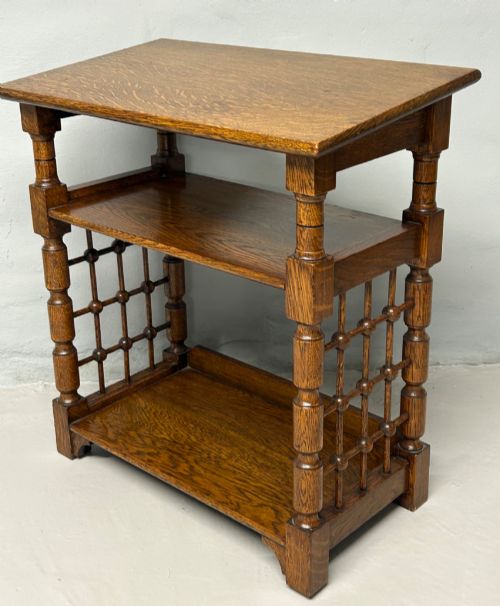
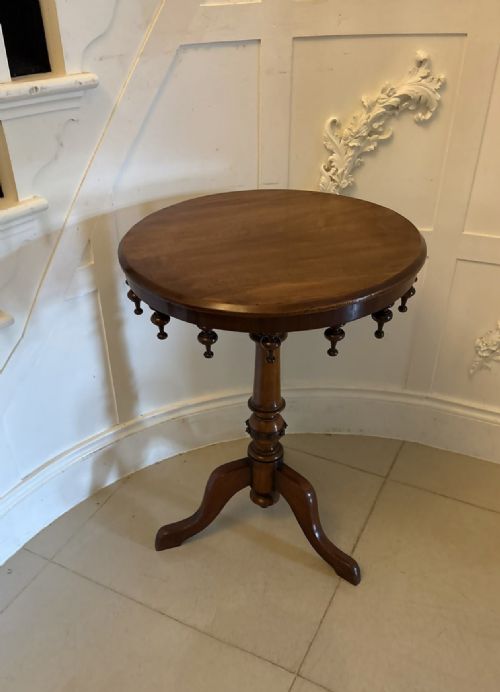
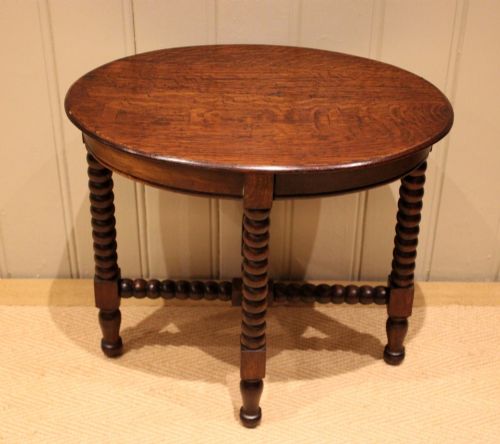
An antique bobbin stand is a functional domestic accessory or small furniture piece defined by spool-turned spindles, offering functional character for an interior.
Antique Bobbin Stand
When searching for an antique bobbin stand, you encounter small furniture and utility pieces produced across the nineteenth and early twentieth centuries, including occasional tables, sewing accessories, and yarn swifts. The selection spans periods such as the Victorian and Edwardian eras, alongside stylistic revivals like Jacobean, Arts and Crafts, and Aesthetic Movement designs.
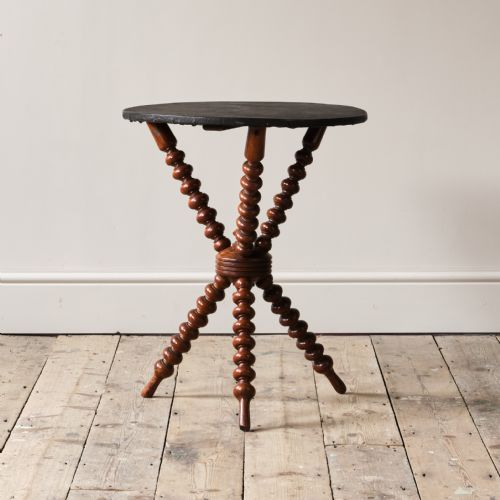
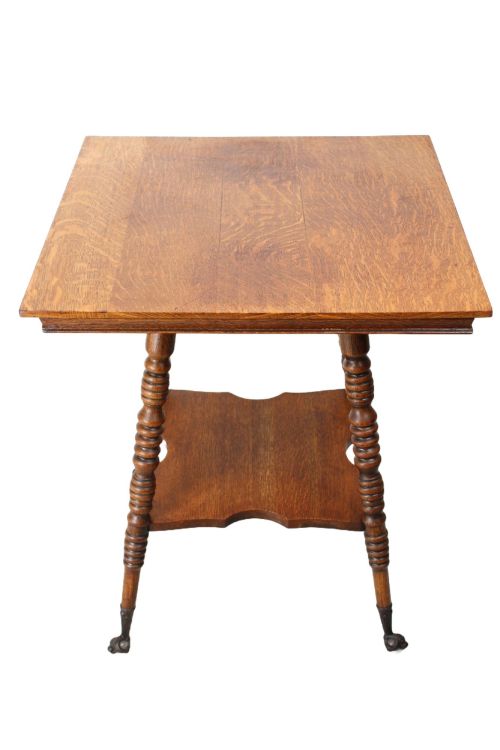
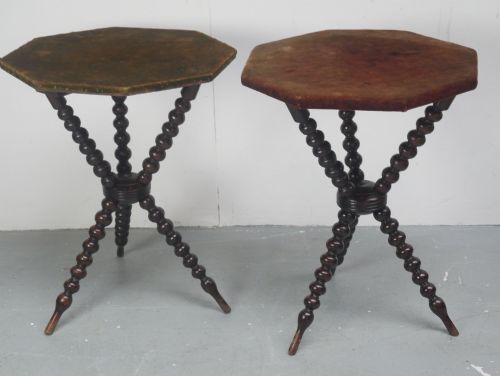
The most prevalent forms take the shape of bobbin-turned side tables, gypsy tables, and specialised sewing or lacemaking stands. These items utilise timber frameworks characterised by distinctive spool or bobbin turnings, frequently appearing in oak, walnut, mahogany, and ebonised wood.
Originating as practical household items for needlework, lacemaking, and yarn winding, these pieces now function readily as bedside surfaces, lamp tables, or compact display stands. Their compact proportions allow them to fit into modern spaces while retaining their historical manufacturing methods.
Materials and construction methods
The construction relies heavily on solid hardwoods such as oak, mahogany, and walnut, alongside ebonised wood surfaces and brass fittings. Timbers were hand-turned on lathes to produce the characteristic repetitive spool or bobbin profiles that define the legs and supports of these stands.
Assembly techniques combine traditional joinery with turned stretchers and tripod bases to ensure stability in relatively slender frames. Certain sewing and lace-making accessories incorporate textile components, wool winders, and hand-painted details directly onto the wooden framework.
Antique Bobbin Stand Retail Price Guide 2026
Typical asking prices for bobbin stand among the pieces listed under this phrase on Sellingantiques today, from the lower quarter to the upper quarter. They describe what is for sale here now, not the wider market.
A pair of turned teak candlesticks originates from the royal yacht HMS Renown, bringing maritime service directly into the domestic interior.
Assessing quality and execution
Quality in these pieces rests upon the precision of the woodturning and the selection of timber used for the turned spindles and table tops. Crisp definition in the bobbin mouldings and sturdy joinery at the leg intersections distinguish finer examples from standard utility pieces.
The integrity of the original surface finish, whether polished mahogany, figured walnut, or ebonised coating, heavily influences the character of the object. Subtle additions such as hand-painted decoration, brass hardware, or adjustable mechanical elements demonstrate higher workshop ambition.
LIBERTY of LONDON·WILLIAM BIRCH
The Antique Bobbin Stand Glossary
- Bobbin turning
- A form of woodturning characterised by a series of rounded, spool-like shapes carved sequentially along the length of a leg or spindle. This decorative technique appears widely on furniture and decorative accessories from the nineteenth century.
- Gypsy table
- A lightweight occasional table featuring three bobbin-turned or spindle legs, often draped with fabric or finished with an ebonised surface. These tables gained popularity during the late nineteenth century as portable accent furniture.
- Yarn swift
- An adjustable device used for holding yarn or wool in a hank while it is wound into a ball. These functional stands often incorporate folding wooden frames and screw adjustments.
- Tripod base
- A support structure utilising three legs radiating from a central pillar or stem. This configuration ensures stability on uneven floors and appears frequently on small wine tables and stands.
- Ebonised wood
- Timber treated with a dark stain or chemical finish to imitate the appearance of ebony. This treatment was particularly favoured during the Aesthetic Movement and late Victorian periods.
Antique Bobbin Stand: Frequently Asked Questions
What is a bobbin stand used for?
These stands served practical domestic purposes such as holding thread, supporting lace pillows, or winding yarn during needlework tasks.
Today, their compact proportions make them suitable as small side tables, lamp stands, or decorative accents in living spaces.
How do I identify a Victorian bobbin piece?
Victorian examples typically display dense turnings in woods like walnut, mahogany, or oak, often associated with sewing rooms or parlour display.
Look for traditional joinery methods and patination on the timber that indicate nineteenth-century production.
What woods were used for these stands?
Maker workshops utilised a range of hardwoods including oak, mahogany, walnut, and teak for structural durability and attractive grain patterns.
Ebonised finishes and applied brass details also appear frequently across the period examples.
Are these stands suitable for daily use?
Their sturdy turned frames and solid hardwood construction allow them to function reliably as small lamp tables or display surfaces.
Placing them away from direct heat sources helps preserve the nineteenth-century timber and original turned joints.