
Antique Blue China
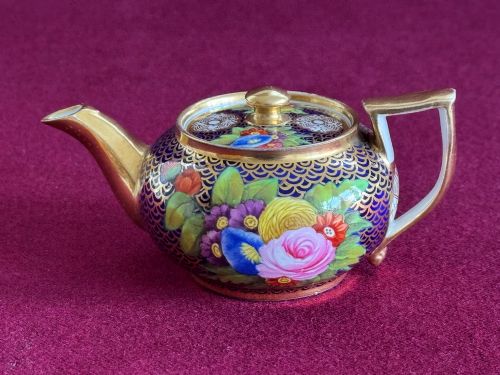
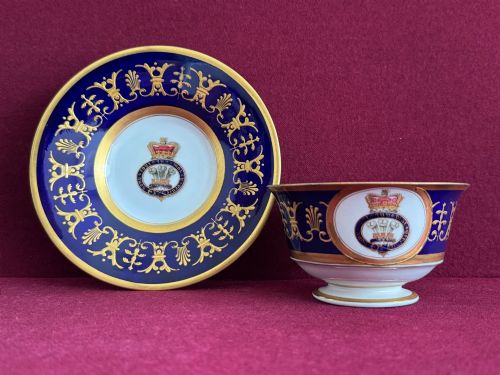
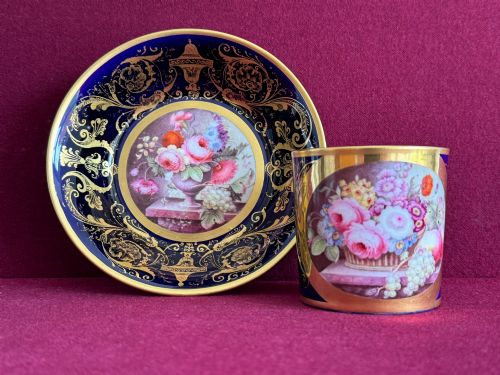
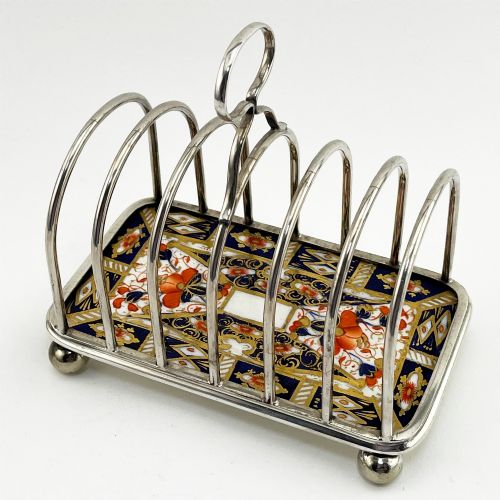
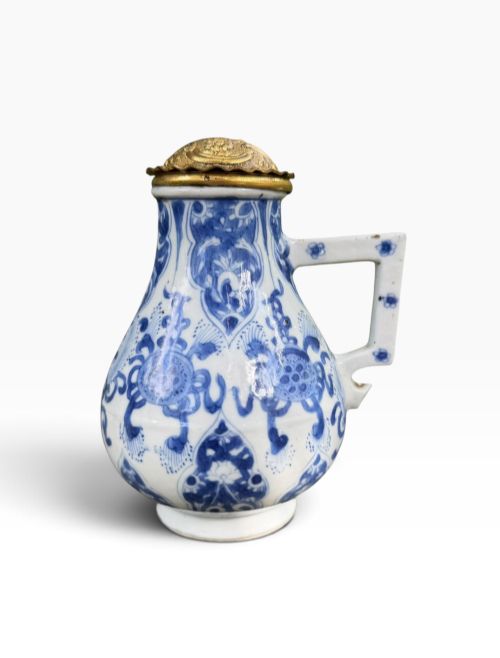
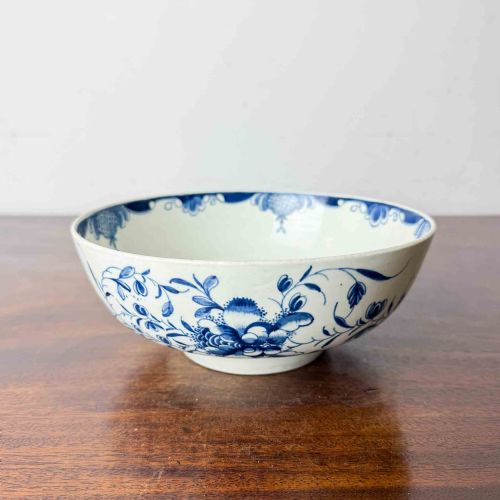
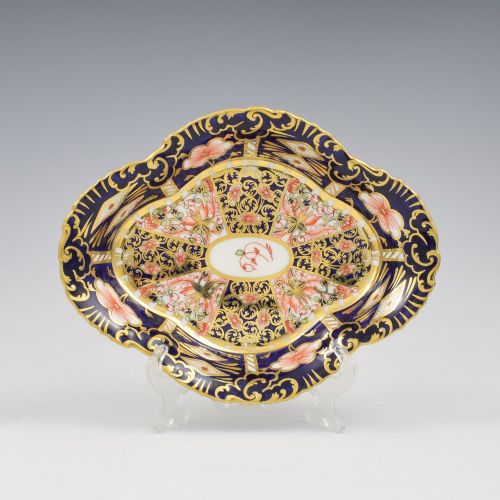
These pieces of antique blue china span centuries of ceramic artistry, offering collectors everything from delicate tea wares to bold decorative plates.
Antique Blue China
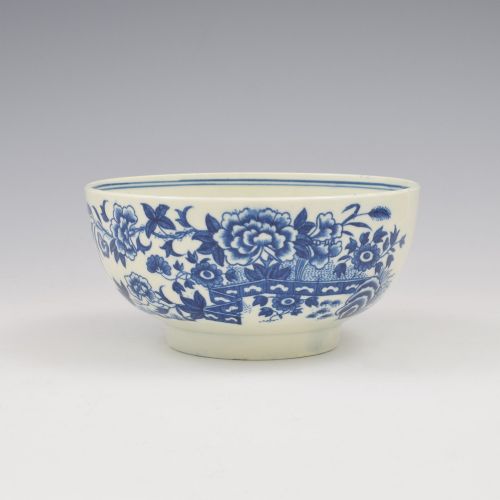
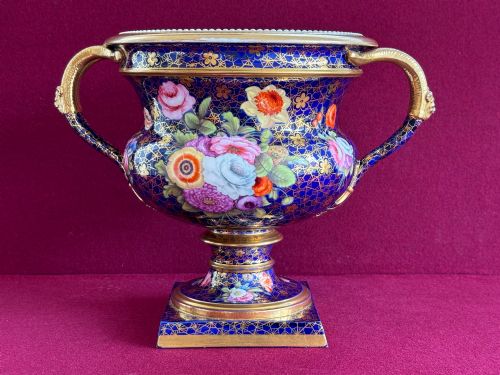
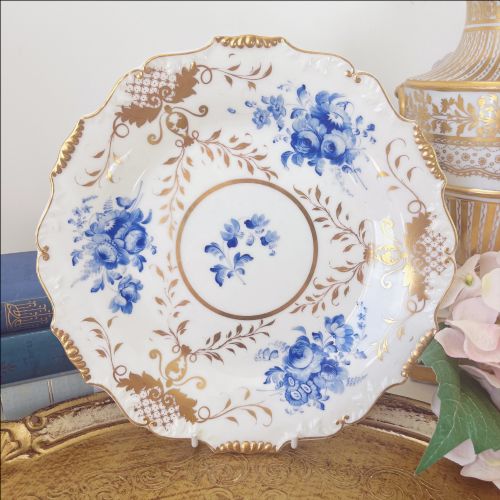
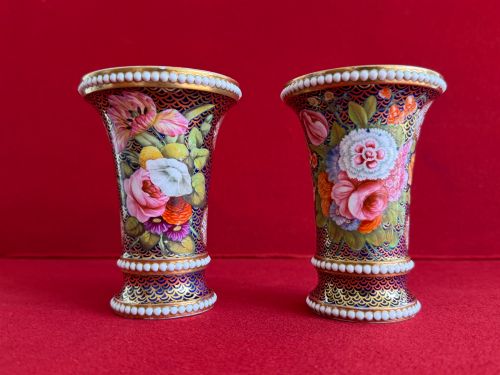
When you search for antique blue china, you encounter a diverse selection of ceramic objects ranging from eighteenth-century porcelain tea wares to nineteenth-century earthenware serving dishes. The selection includes cabinet plates, spill vases, inkstands, and brush pots originating from English potteries, continental workshops, and Chinese export kilns.
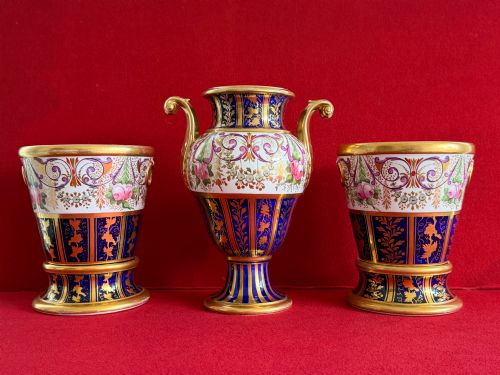
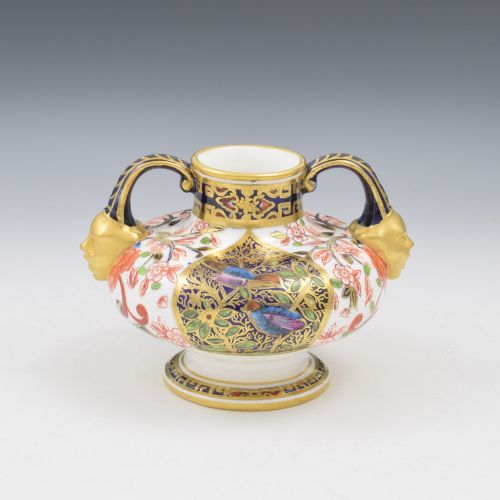
The pieces on this page lean heavily towards English soft-paste and bone china from the Georgian and Regency periods, alongside Victorian and later twentieth-century decorative pieces. Forms vary from simple utilitarian vessels to ornate garnitures and twin-handled mask vases designed for display.
Materials and production methods
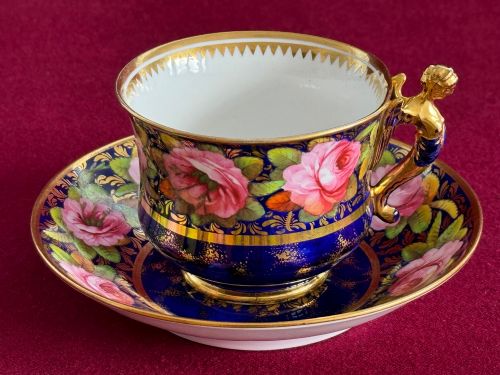
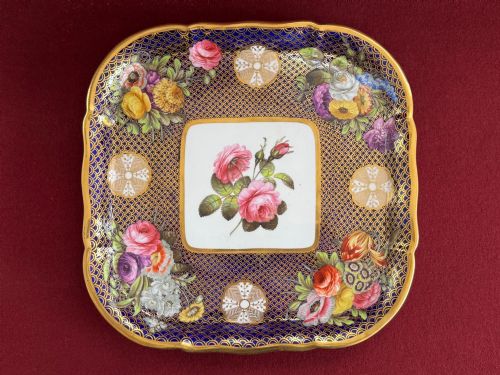
Makers utilised porcelain, bone china, earthenware, and soft-paste porcelain, often applying rich cobalt glazes to achieve the characteristic deep blue tones. Many items combine these ceramic bodies with handpainted polychrome accents, gold leaf gilding, or metal mounts.
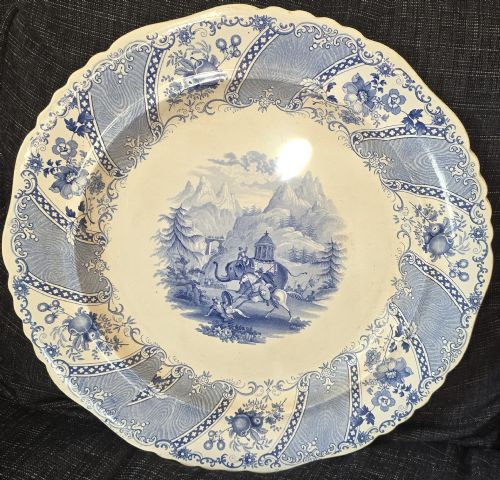
Decoration techniques range from intricate handpainting by named artists to transfer printing on earthenware and porcelain. Firing methods and glaze compositions determine the clarity of the blue pigment and the overall durability of the finished object.
Several ceramic cows from the nineteenth century bring a charming pastoral mood to the collection of blue and white tableware.
Factors that separate the finest examples
Quality rests upon the crispness of the moulding, the depth and stability of the cobalt glaze, and the precision of any handpainted or gilded details. Earlier pieces from eighteenth-century factories often display delicate potting and subtle variations inherent to early firing techniques.
The reputation of the pottery, the presence of specific pattern numbers, and the preservation of the original glaze and gilding dictate the standing of a piece within its category.
Spode·Royal Crown Derby·H and R Daniel·Worcester·Coalport
The Antique Blue China Glossary
- Bone china
- A type of porcelain incorporating bone ash, developed in England to provide a strong, bright white body suited to detailed painting.
- Soft-paste porcelain
- An artificial porcelain compound fired at lower temperatures than hard paste, common in eighteenth-century English factories such as Bow and Worcester.
- Imari palette
- A decorative style employing underglaze blue, iron red, and gilt, inspired by Japanese export ceramics and adopted widely by European potteries.
- Transferware
- A method of applying complex printed designs to ceramics by transferring ink from an engraved copper plate onto tissue paper and then onto the biscuit body.
Antique Blue China: Frequently Asked Questions
How do I identify eighteenth-century porcelain?
Look for characteristics such as unglazed foot rims, subtle glaze pooling, and handpainted rather than transfer-printed motifs. Early bodies often show slight warping from high-temperature kilns.
Examining the blue underglaze for depth and softness also helps distinguish eighteenth-century wares from later reproductions.
What is the difference between porcelain and ironstone?
Porcelain is a vitrified ceramic that is typically translucent and rings when struck gently. Ironstone is a dense, opaque earthenware developed for durability and heavy daily use.
Ironstone pieces generally feel heavier in the hand and exhibit less translucency than fine bone china.
Why do some items feature pattern numbers?
Potteries assigned specific numbers to successful decorative designs so decorators could replicate them accurately across different service pieces. These numbers help modern collectors date and attribute items correctly.
Finding a documented pattern number often links a piece directly to a factory's peak production era.