

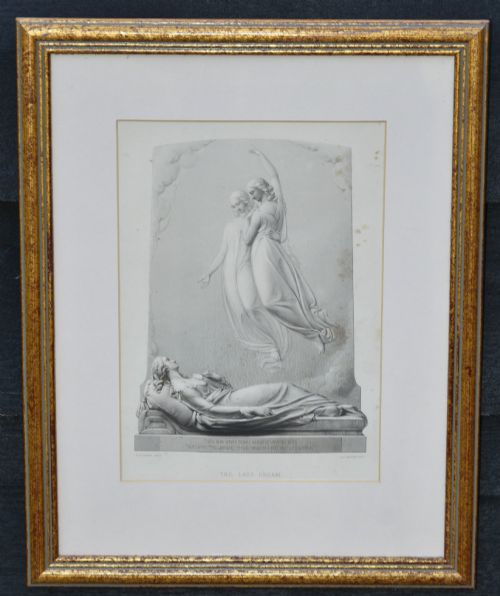
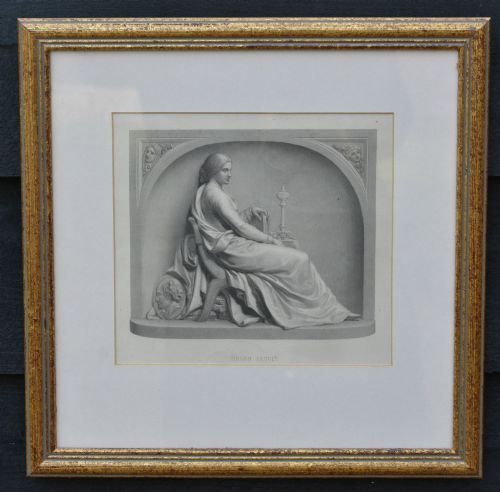
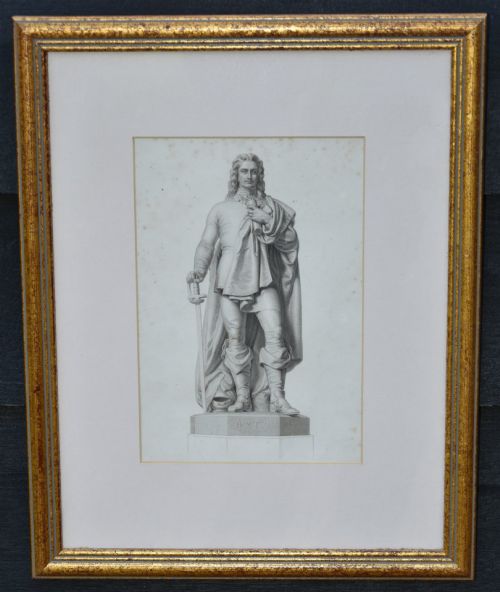
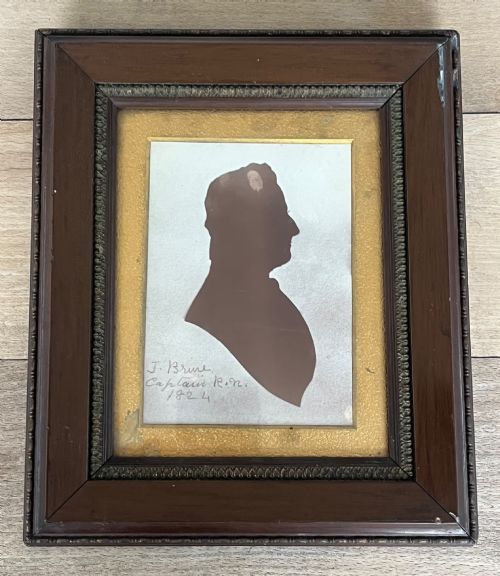
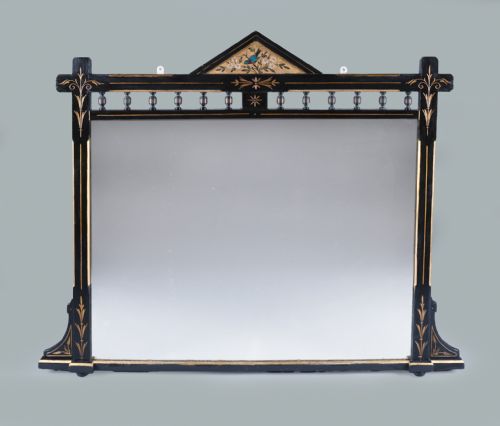
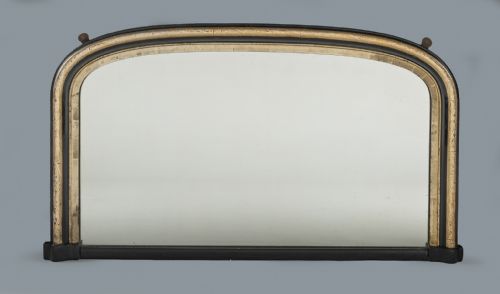
Antique Black Frame
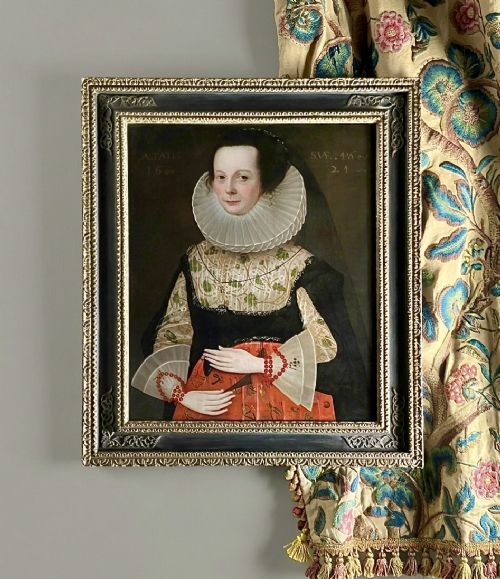
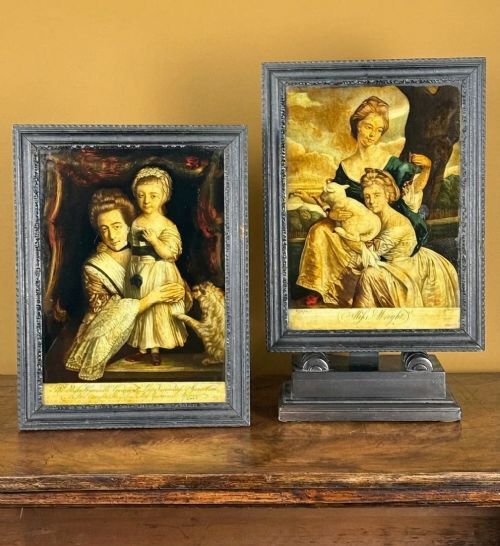
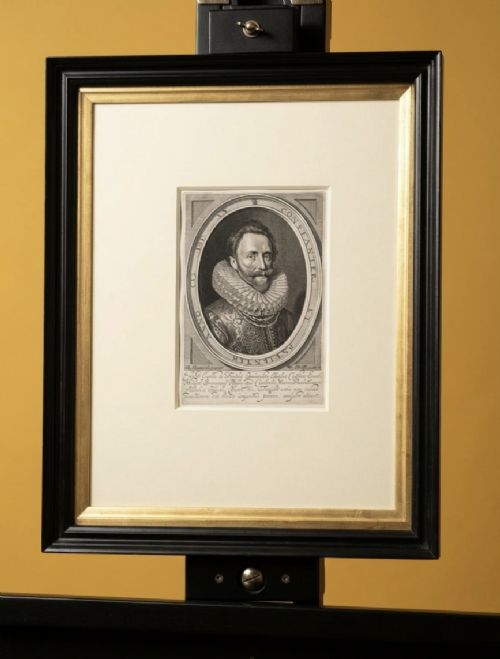
An antique black frame encloses centuries of portraiture, cartography, and prints, offering a dark architectural border that draws the eye straight into the art.
Antique Black Frame
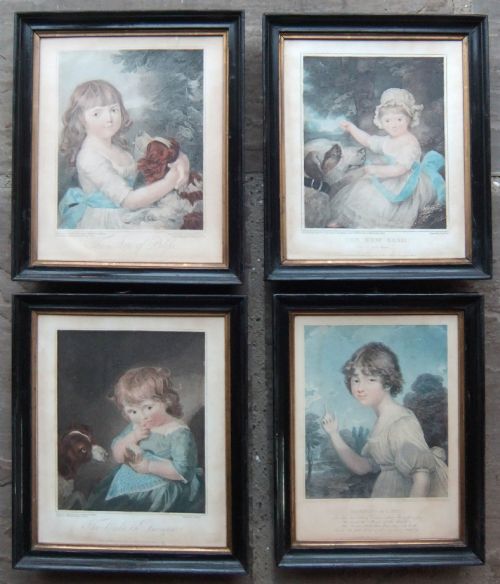
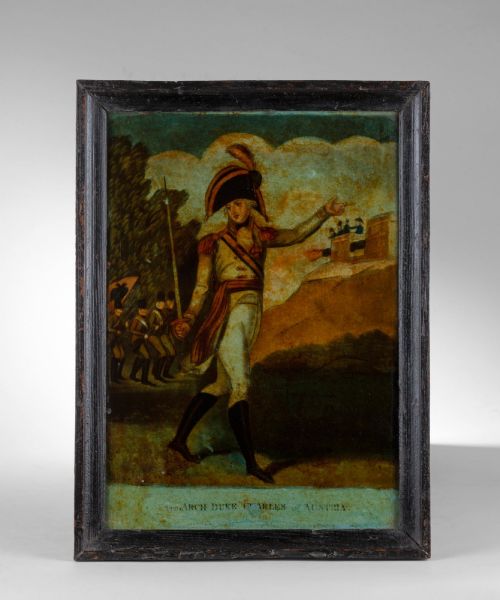
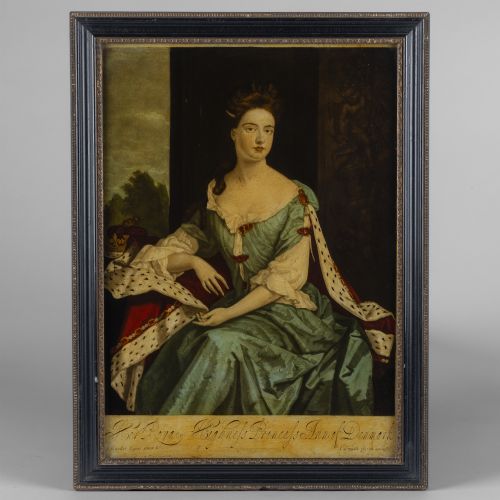
When you search for an antique black frame, you encounter dark timber mouldings, painted surrounds, and ebonised finishes housing everything from seventeenth-century cartography to nineteenth-century watercolours and engravings.
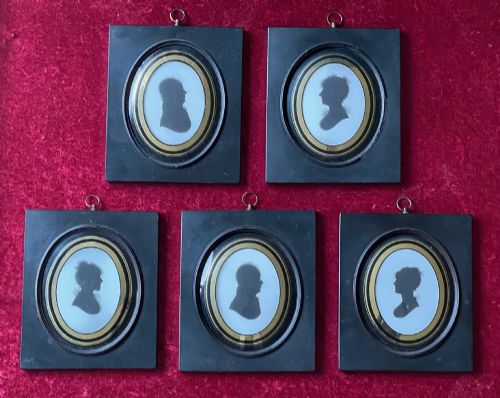
The selection on this page ranges widely across centuries, incorporating Georgian and Victorian oil paintings, Dutch maps, and delicate portrait miniatures.
These pieces bring a distinct historic weight to interiors, often retaining original glazing, paper backing, and aged brass fixings from the period of their creation.
Materials and construction methods
Makers shaped wooden mouldings from timber, frequently applying ebonising treatments or black paint to achieve a dense, light-absorbing finish that contrasted with gilt details.
Artisans secured delicate works behind glass using traditional glues, pins, and wooden slip frames to protect paper maps, etchings, and canvas oil paintings from atmospheric damage.
Antique Black Frame Retail Price Guide 2026
Typical asking prices for black frame among the pieces listed under this phrase on Sellingantiques today, from the lower quarter to the upper quarter. They describe what is for sale here now, not the wider market.
Several seventeenth-century map frames preserve early cartographic errors, showing Wales separated or islands drawn where none exist.
Factors that distinguish quality
The sophistication of the timber moulding defines the tier of a piece, with deeply carved profiles and hand-applied finishes holding more visual presence than simple flat surrounds.
Originality determines value, as frames retaining their early glass, backing boards, and original fixings demonstrate greater historical integrity than those altered or reglazed later.
Studio M Canals·Joan Blaeu·Humphrey Llwyd·John Speed·Sir Peter Lely·George Keating·Simon De Koster·John Smith·Sir Godfrey Kneller·James Watson·Francis Cotes·Samuel Howitt·Thomas Watson·François Perrier·William Woollett·George Stubbs
The Antique Black Frame Glossary
- Ebonisation
- The process of treating timber, often fruitwood or beech, with chemical solutions or dark stain to imitate the heavy, black appearance of genuine ebony.
- Mezzotint
- A printmaking process where the copper plate is roughened to produce rich tones and subtle gradations of light and dark, popular in portraiture.
- Cartography
- The study and practice of making maps, represented here through seventeenth-century atlas excerpts and engraved regional charts.
- Portrait miniature
- A small, highly detailed painting executed on vellum, card, or paper, often housed behind protective glass within a compact dark frame.
- Hogarth frame
- A distinctively profiled wooden picture frame with an ogee shape, popular in the eighteenth century for housing prints and paintings.
Antique Black Frame: Frequently Asked Questions
How do I date an antique black frame?
Dating relies on examining the construction joints, the type of wood used, and the composition of the backing materials and fixings.
Hand-cut fixings, old-growth timber varieties, and early glass often point to seventeenth or eighteenth-century origins, while nineteenth-century pieces show different manufacturing tolerances.
Can I hang these frames in direct sunlight?
Direct sunlight damages historic paper, watercolours, and early pigments very quickly, leading to fading and irreversible degradation.
Positioning pieces away from strong windows protects both the artwork and the dark wooden frame from drying out and cracking.
How should I clean an ebonised wooden frame?
Dusting gently with a soft, dry brush or microfibre cloth keeps the dark surface clear without stripping the historic finish.
Moisture and modern chemical polishes must be avoided entirely, as they penetrate old wood and soften original painted or ebonised layers.