




Antique Bistro Set
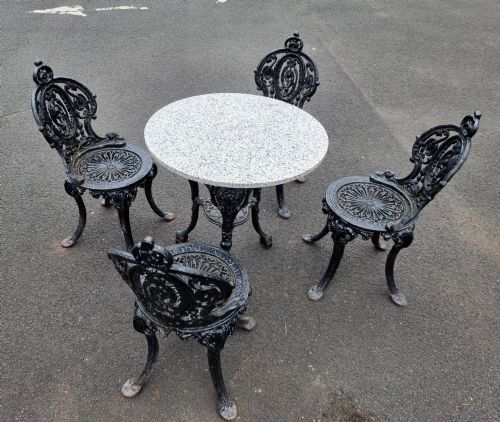
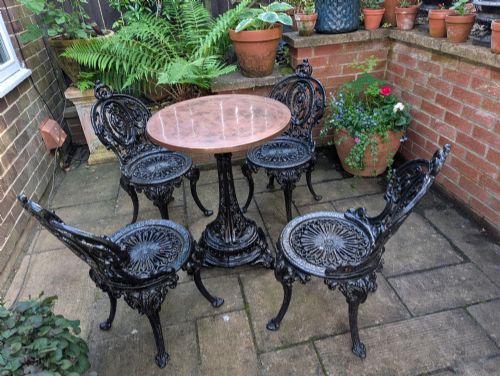
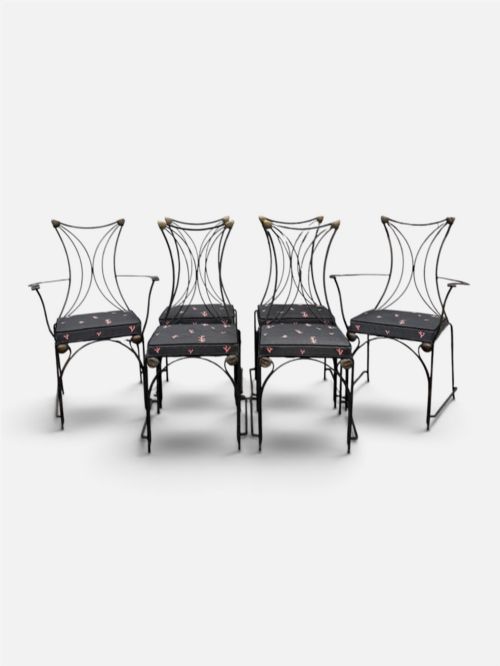
These antique bistro sets combine heavy metals and bent wood for pavement dining and garden seating.
Antique Bistro Set
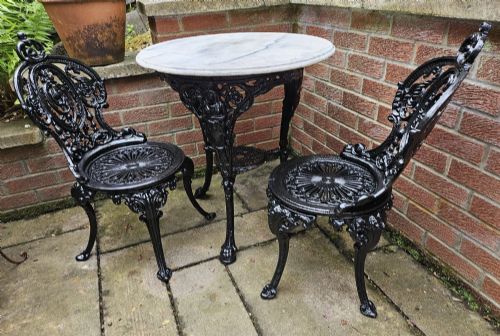
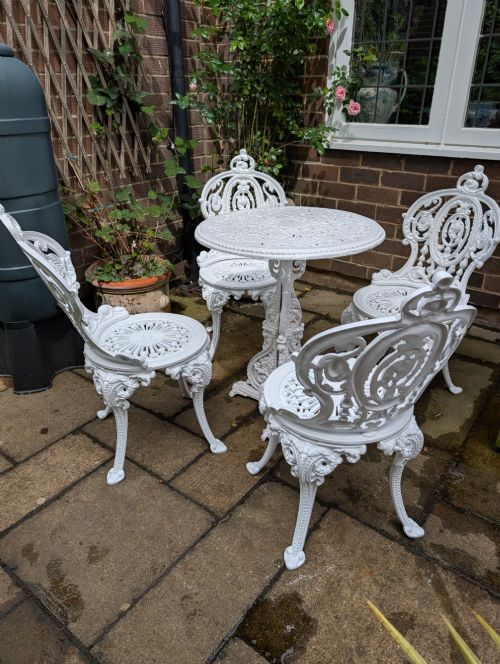
An antique bistro set brings together small tables and matching chairs designed for pavement cafes, gardens, and dining rooms. Buyers seeking an antique bistro set encounter configurations ranging from heavy metal garden settings to sets of wooden dining chairs paired with tables.
The selections span pieces originating from the nineteenth century up through the nineteen-thirties, covering Victorian, Edwardian, and Art Deco periods. French and Spanish examples appear alongside pieces associated with London cafes.
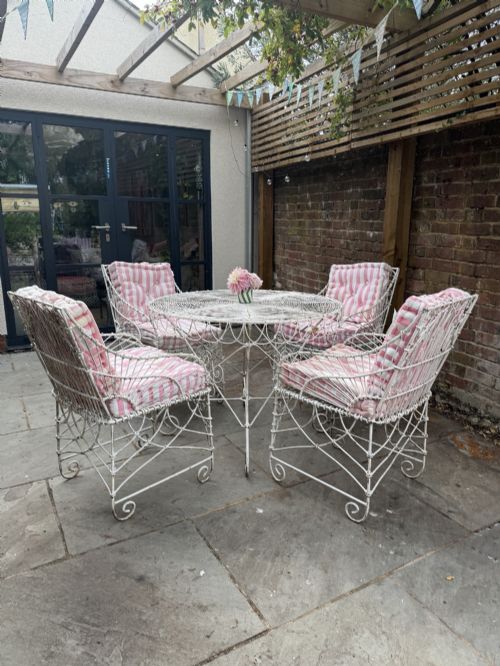
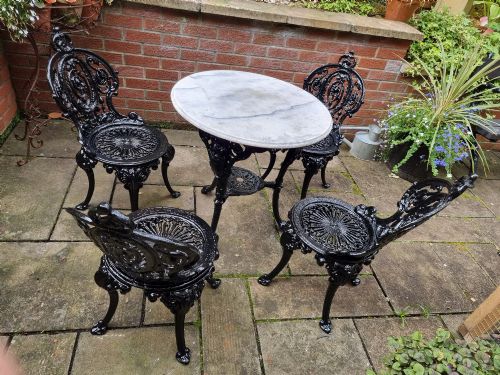
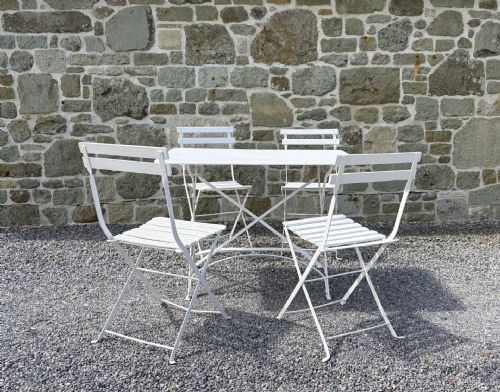
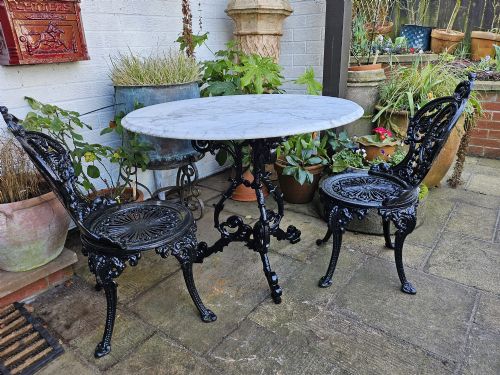
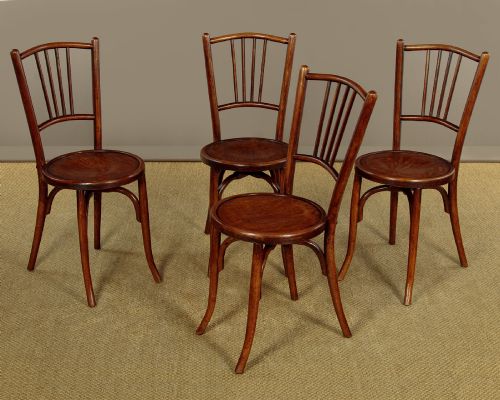
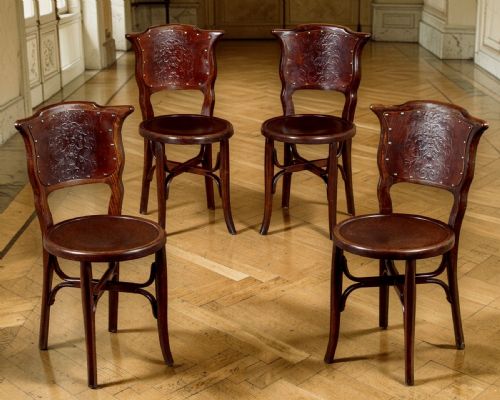
Common forms include folding iron garden chairs, marble-topped tables, wirework tables, and sets of bentwood seating designed for commercial and domestic hospitality.
How they were made
Makers utilised cast iron and wrought iron to construct durable garden tables and chairs, often enhanced with paint finishes and heavy marble tops. Wirework techniques created intricate mesh patterns for nineteenth-century garden furniture.
Bentwood construction defined the indoor cafe seating, utilising beech shaped through steam to form curved chair backs and frames. Brass and glass appeared in associated signs and soda syphons used within cafe environments.
A brass sign shaped like a spoon and fork once guided hungry patrons straight to their soup.
What varies in quality
Quality rests in the attribution to notable makers and the integrity of the materials, such as heavy cast iron versus lighter formed metals. Sets featuring original marble tops or documented factory stamps command higher regard among collectors.
The completeness of a matched group and the complexity of the ironwork or bentwood framing determine the distinction between standard commercial seating and exceptional examples.
Christopher Dresser·Codina·Thonet·J & J Kohn·Fischel
The Antique Bistro Set Glossary
- Bentwood
- Wood that has been heated with steam and bent into curved shapes. This technique created the light, sturdy frames seen in traditional cafe chairs.
- Cast iron
- Iron poured into a mould to create rigid and heavy furniture components. It provides the solid weight found in garden tables and chair bases.
- Wirework
- Metal strands woven together to form open mesh surfaces. This technique appeared on nineteenth-century garden tables and chairs.
- Marble top
- A polished stone surface fitted to table frames. It provided a durable and cool tabletop for hospitality settings.
- Soda syphon
- A pressurized glass bottle used for dispensing carbonated water in cafes. Etched examples accompanied period beverage service.
Antique Bistro Set: Frequently Asked Questions
How do I clean cast iron garden sets?
Wash the metal surfaces gently with mild soap and water to remove dirt. Dry the pieces thoroughly to maintain the painted finish.
Avoid harsh abrasives that might damage the original surface. Apply protective coatings if the metal is exposed to outdoor weather.
Where were bentwood chairs used?
Bentwood chairs furnished nineteenth and twentieth-century cafes, hotels, and dining rooms across Europe. Their lightweight construction allowed staff to move them easily between tables.
Domestic kitchens also adopted these chairs for daily dining due to their comfort and sturdy build.
Are iron bistro sets suitable for gardens?
Cast and wrought iron sets were designed specifically for outdoor and patio use. Their heavy weight prevents them from blowing over in wind.
Store them undercover during harsh winter months to preserve the paint and ironwork.
How do I identify Thonet chairs?
Look for manufacturer stamps or paper labels pressed into the wooden underside of the seat. The steam-bent beech framing exhibits smooth, continuous curves without visible joints.
Archival catalogues help match specific hoop-back designs to the production periods around nineteen hundred.