


Antique Bistro Furniture
Antique bistro furniture brings everyday utility and charm indoors or out, built from cast iron, wood, and marble to last generations.
Antique Bistro Furniture
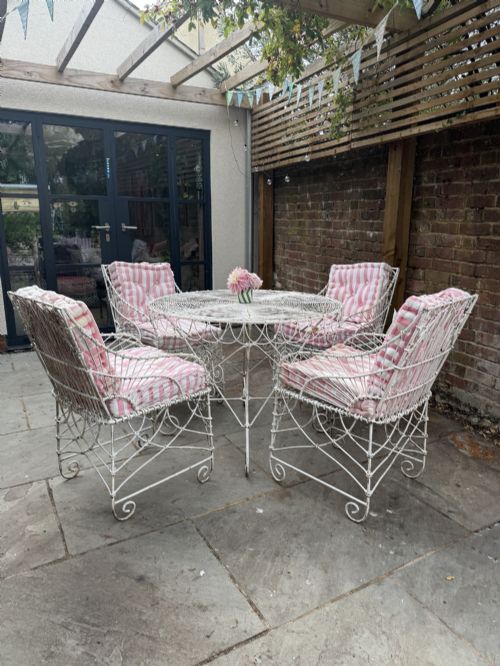
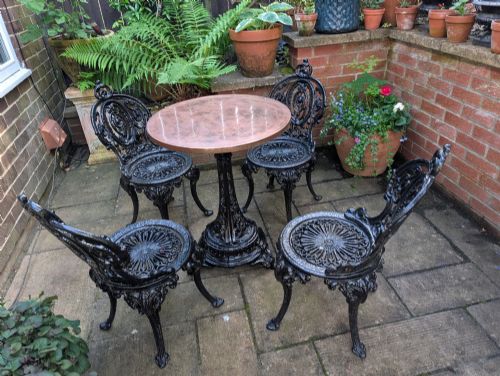
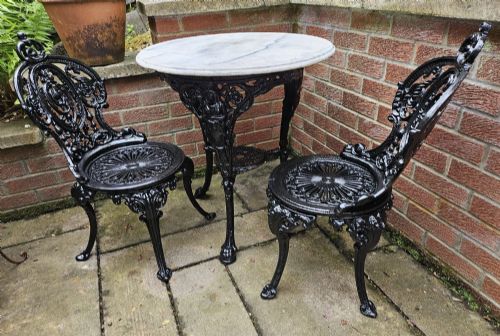
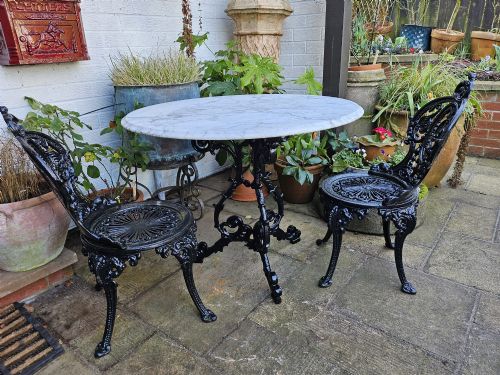
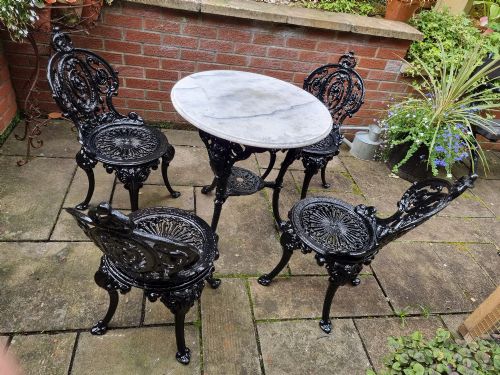
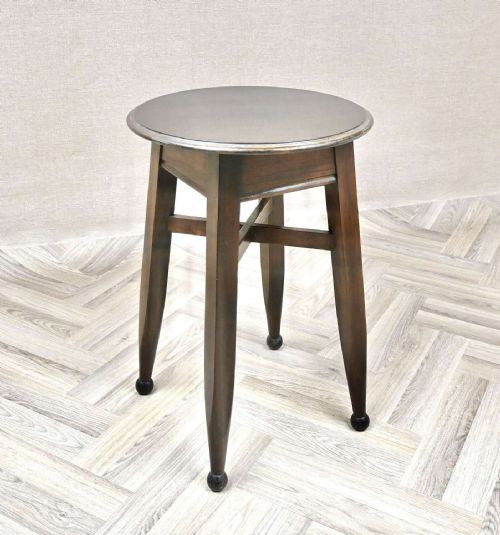
When you search for antique bistro furniture, you are looking at practical tables and chairs designed for public houses, gardens, and pavement cafes during the Victorian and early twentieth-century periods. These pieces include garden dining sets, console tables, pub tables, and side tables intended for social use in compact spaces.
The most common examples you will meet on this page feature sturdy metal bases paired with wooden, marble, or stone tops, alongside matching chairs. Dating spans from the late nineteenth century through to the 1930s, encompassing English pub pieces, French garden sets, and Continental styles.
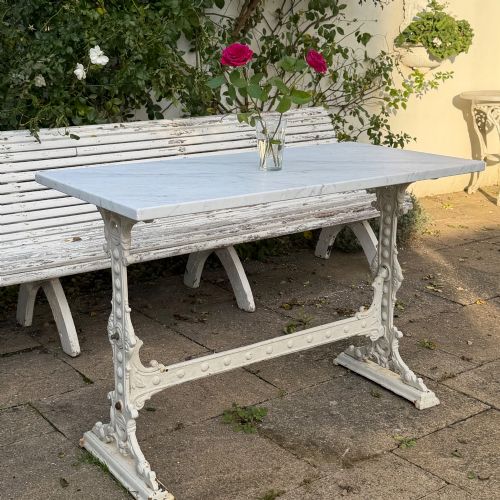
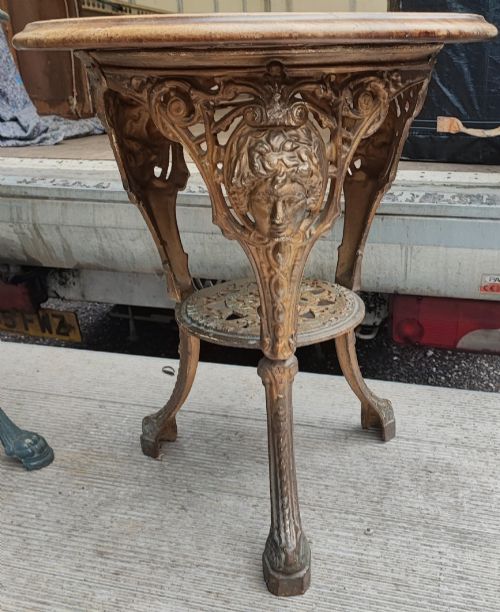
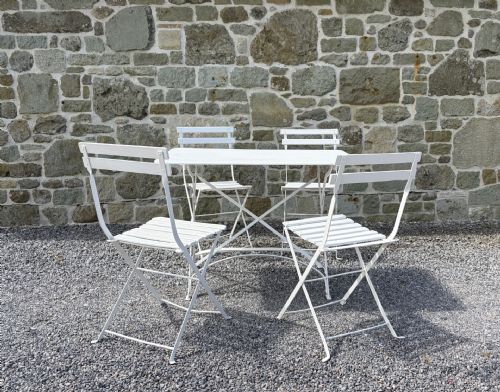
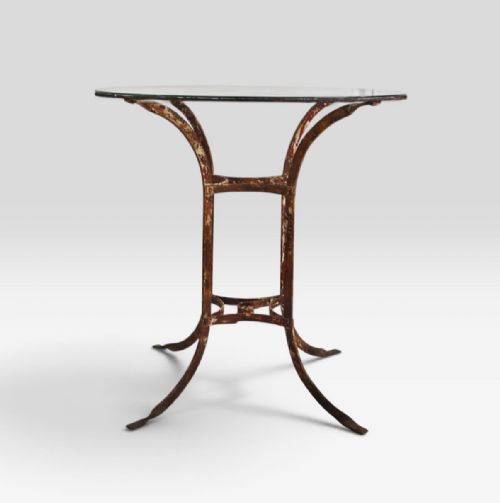
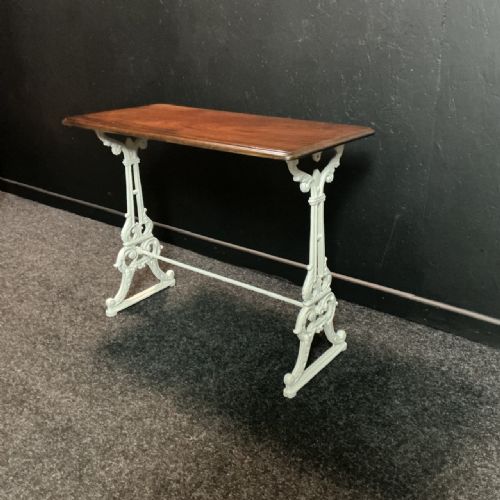
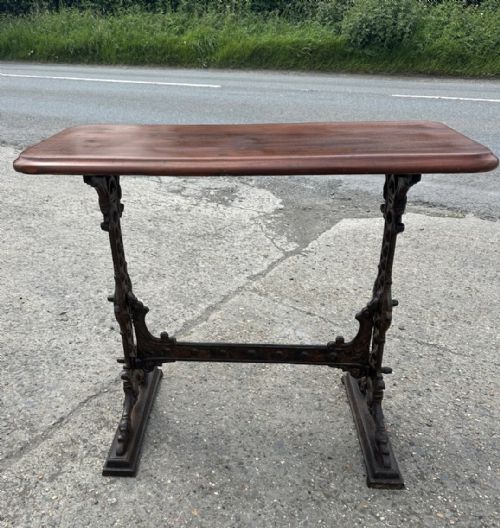
Forms range from simple folding tables and wirework stands to heavy cast iron pub tables bearing original mahogany tops. Whether destined for a conservatory, terrace, or kitchen, these items bridge domestic comfort and utilitarian endurance.
What varies in quality
The distinction between standard utility items and finer examples often lies in the integrity of the materials and the presence of original components. Tables retaining their authentic marble or solid mahogany tops sit at a different level from those with later replacements.
Casting crispness and the retention of original surface paint also define the better pieces. Heavy, stable frames combined with marked or designer-associated bases demonstrate superior manufacture compared to anonymous workshop output.
Antique Bistro Furniture Retail Price Guide 2026
Typical asking prices for bistro furniture among the pieces listed under this phrase on Sellingantiques today, from the lower quarter to the upper quarter. They describe what is for sale here now, not the wider market.
Some cast-iron bases wear their tavern history proudly, having spent a century supporting spilled ale and heated pub debates.
Christopher Dresser
The Antique Bistro Furniture Glossary
- Cast Iron
- An iron-carbon alloy poured into moulds to create heavy, rigid structural components and decorative table bases. It is known for its durability in outdoor furniture.
- Britannia
- A specific style of pub table featuring a heavy cast-iron base typically moulded with the figure of Britannia. These tables were widely used in nineteenth-century British taverns.
- Wirework
- Furniture constructed from intertwined metal wires, popular during the Victorian era for light garden stands and seating. It offers an open, airy silhouette.
- Strapp Work
- Metalwork formed of flat bands or straps arranged in geometric or linear patterns. This technique appears on decorative garden tables from the early twentieth century.
- Bentwood
- Wood heated and bent into curved shapes, commonly utilised for lightweight cafe and bistro chairs. It allowed for graceful, flowing lines without complex joinery.
Antique Bistro Furniture: Frequently Asked Questions
What is antique bistro furniture?
Antique bistro furniture comprises small tables and chairs produced for commercial hospitality, domestic gardens, and pavement dining during the nineteenth and early twentieth centuries. These items are characterised by space-saving proportions and robust construction.
Materials typically include iron bases paired with wooden or stone surfaces designed to withstand regular public use. Their enduring appeal lies in this combination of practical utility and decorative character.
How do I date these pieces?
Dating relies on examining construction methods, material choices, and design motifs associated with periods such as the Victorian era or the 1930s. Heavy cast iron frames and mahogany tops often point to the nineteenth century.
Later pieces from the 1920s and 1930s frequently introduce Art Deco influences, steel components, or folding mechanisms. Comparing these traits with documented examples helps establish an accurate timeframe.
Can I use them outside?
Many of these pieces were originally constructed for outdoor garden use, utilising weather-resistant cast iron, wrought iron, and stone. However, wooden elements and older painted surfaces require care.
Protection from harsh winter conditions preserves the original finish and structural integrity. Covered terraces or conservatories offer an ideal compromise for vulnerable materials.
How do I clean marble tops?
Marble surfaces benefit from gentle cleaning using mild, non-abrasive soap and warm water followed by thorough drying. Harsh chemical cleaners can etch the stone and damage the historic surface.
Regular dusting and immediate wiping of spills prevent staining on older tabletops. Preserving the natural patina maintains the historical character of the piece.