

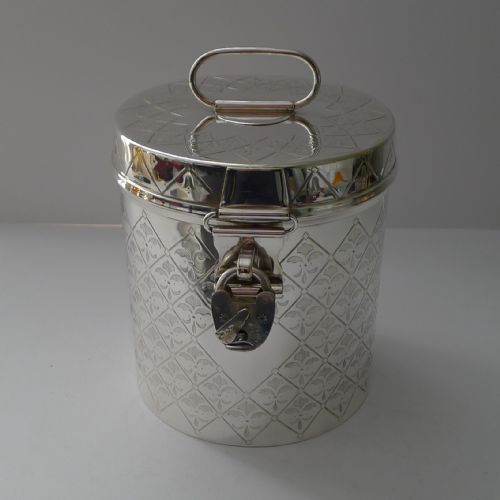


Antique Biscuit Tin Box
These antique biscuit tin boxes offer a charming glimpse into domestic history, combining clever lithography and novelty shapes with practical storage.
Antique Biscuit Tin Box
An antique biscuit tin box represents a fascinating cross-section of domestic utility and decorative novelty spanning the Victorian, Edwardian, and early twentieth-century periods. When you search for this phrase, you encounter various forms ranging from silver-plated barrel containers with glass liners to inventive lithographed metal novelties shaped like books, weights, tractors, satchels, and hat boxes.
The material origins divide neatly into two distinct traditions: the grand silver-plated and oak pieces produced by silversmiths, and the colourful lithographed metal containers made by commercial bakeries. Victorian novelty examples sit alongside early twentieth-century designs, reflecting how manufacturers sought to entice buyers through visual and structural creativity.
Materials and construction
Makers utilised sturdy base metals like tinplate and iron, often applying lithography directly onto the metal surface to achieve rich, colourful exterior patterns that imitated wood, leather, or printed book covers. For the more formal containers, manufacturers employed silver plate, EPNS, and pierced metal frameworks paired with fitted glass liners.
Wood and glass integration appears in select pieces, such as oak mounts combined with silver-plated hardware or interior glass vessels designed to keep biscuits fresh. The construction relied on precise soldering, hinged lids, and locking mechanisms to ensure durability alongside decorative appeal.
Antique Biscuit Tin Box Retail Price Guide 2026
Typical asking prices for biscuit tin box among the pieces listed under this phrase on Sellingantiques today, from the lower quarter to the upper quarter. They describe what is for sale here now, not the wider market.
Materials in these listings span silver plate, tinplate, lithographed metal, glass, oak, and paint, representing both formal dining wares and commercial packaging.
Judging quality and execution
The distinction between standard commercial containers and superior examples rests on the complexity of the form and the precision of the metalwork. Novelty shapes that successfully mimic everyday objects like heavy iron weights, leather satchels, or carved wooden boxes demonstrate a high degree of sculptural ambition.
Surface decoration and maker attribution elevate certain pieces above others. Crisp lithographic registration, intact silver plating without excessive wear, and the presence of original glass liners or working locks mark out the more distinguished specimens.
Mappin and Webb·Huntley and Palmers·William Crawfords and Son Ltd·Peek Frean and Co·John Grinsell and Sons
The Antique Biscuit Tin Box Glossary
- Biscuit Barrel
- A cylindrical container designed for holding biscuits at the dining table, frequently fitted with a lid and a swing handle.
- Lithographed Tinplate
- Sheet metal printed with colourful designs through a planographic printing process, allowing for intricate surface patterns and commercial branding.
- EPNS
- Electroplated Nickel Silver, a common base metal method used to give cheaper alloy objects the appearance of solid silver.
- Novelty Tin
- A container manufactured in a playful or unusual shape, departing from standard utilitarian boxes to resemble books, vehicles, or luggage.
- Pierced Metal
- Metalwork featuring decorative cut-out patterns, often seen on silver-plated frames that reveal a glass liner within.
Antique Biscuit Tin Box: Frequently Asked Questions
What is an antique biscuit tin box?
These pieces are historical containers created to store and serve dry biscuits, encompassing both silver-plated dining table barrels and colourful lithographed metal advertising tins.
They reflect the changing domestic habits and packaging innovations of the Victorian and Edwardian eras.
How were novelty biscuit tins used?
Manufacturers designed novelty tins to be displayed prominently in homes or shops, serving as eye-catching advertisements that doubled as storage.
Once the original biscuits were consumed, households repurposed them to hold household items or kept them on display for their decorative charm.
How do I date an antique biscuit tin?
Dating relies on stylistic clues, manufacturing techniques, and maker marks stamped into the metal or printed on the lithography.
Victorian pieces often feature ornate silver plating and pierced frames, while early twentieth-century examples lean towards inventive lithographed novelty shapes like tractors and hat boxes.
How should I care for metal biscuit tins?
Silver-plated examples require gentle cleaning with appropriate metal polishes to maintain the shine without stripping the plating.
Lithographed tinplate needs careful handling and dry storage to preserve the printed surface colours and prevent rust.