

Antique Bench Stool
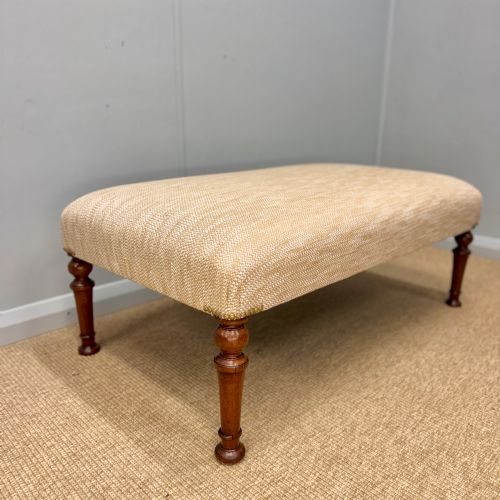
An antique bench stool offers low, steady seating crafted from timbers like mahogany and oak, built for domestic comfort and long use.
Antique Bench Stool
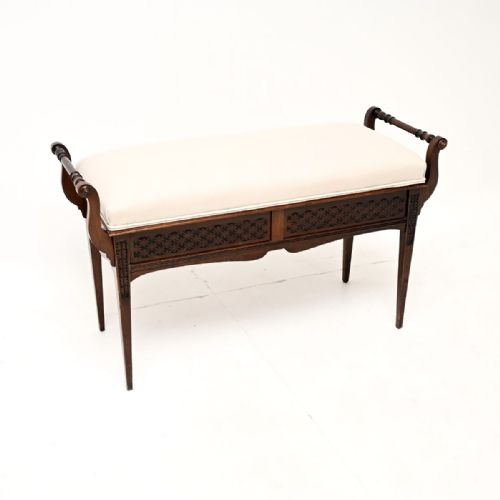
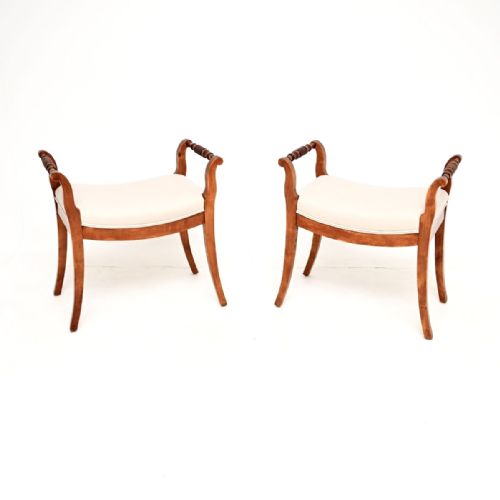
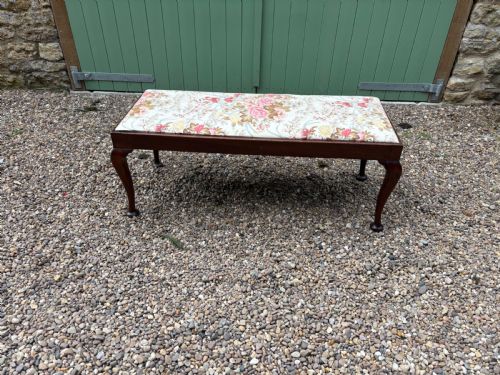
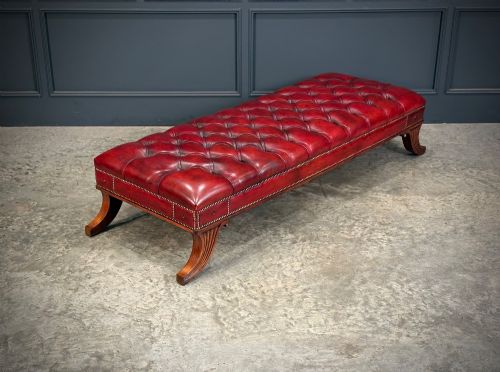
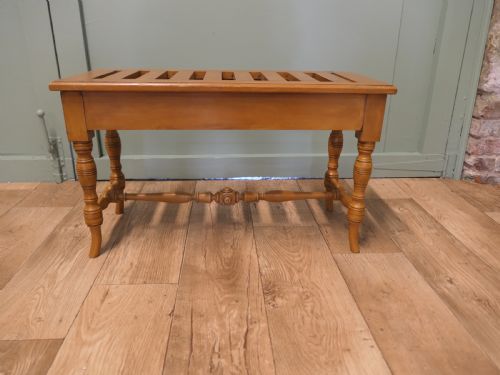
An antique bench stool bridges the gap between low foot rests and long window seats, serving multiple rooms from the bedroom to the hall. Buyers searching for an antique bench stool encounter forms ranging from compact footstools to extended duet seats and luggage racks.
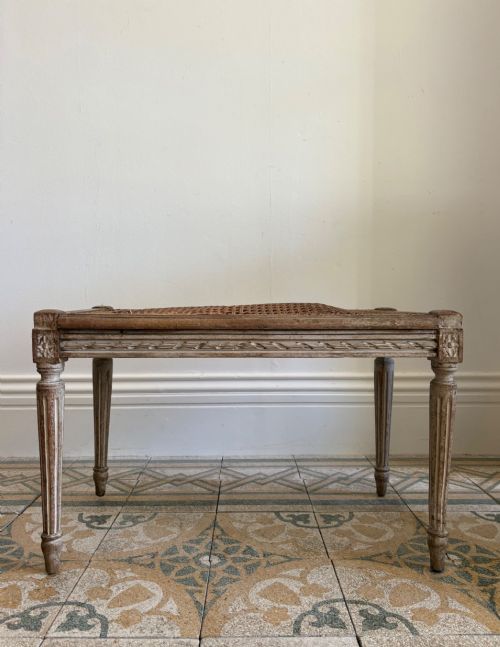
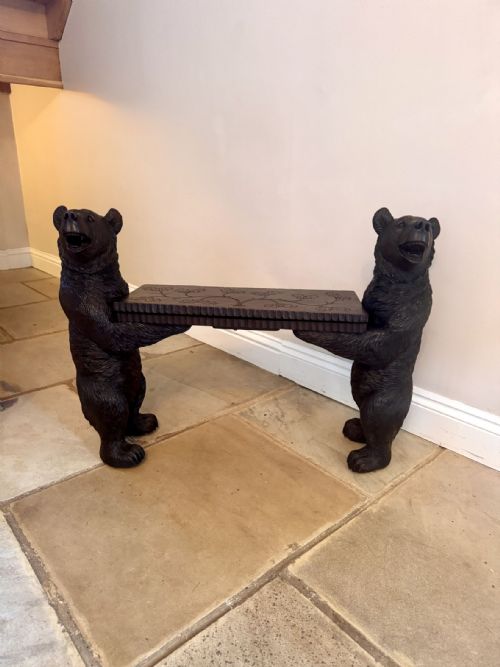
The selection spans centuries of domestic design, featuring substantial Georgian oak joint benches alongside slender Regency rosewood stools and Victorian window seats. Makers applied various regional styles, producing everything from rustic country vernacular pieces to polished French neoclassical examples.
Shorter stools support dressing tables and firesides, while longer benches accommodate music rooms and hallways. Most examples rely on rectangular proportions designed to fit neatly beneath windows or at the foot of a bed.
Materials and Construction
Cabinet makers utilised dense hardwoods such as mahogany, oak, walnut and rosewood for the structural frames, often joining them with traditional tenons and pegs. Softer timbers like pine, sycamore and ash appear in vernacular country pieces.
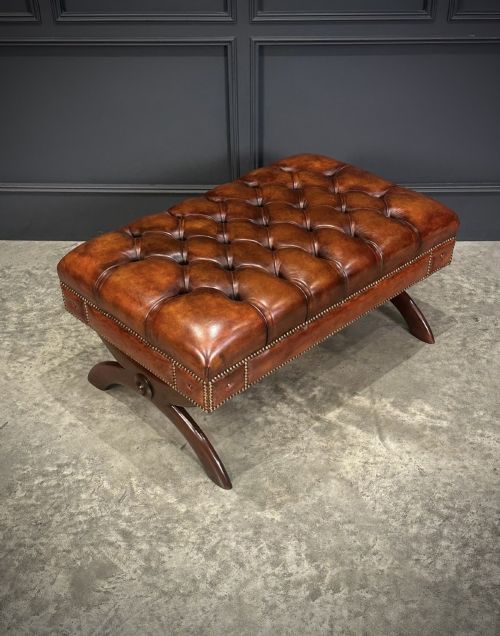
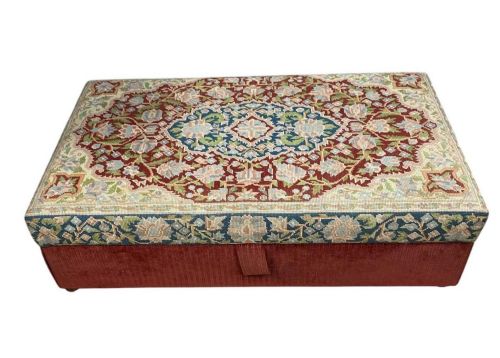
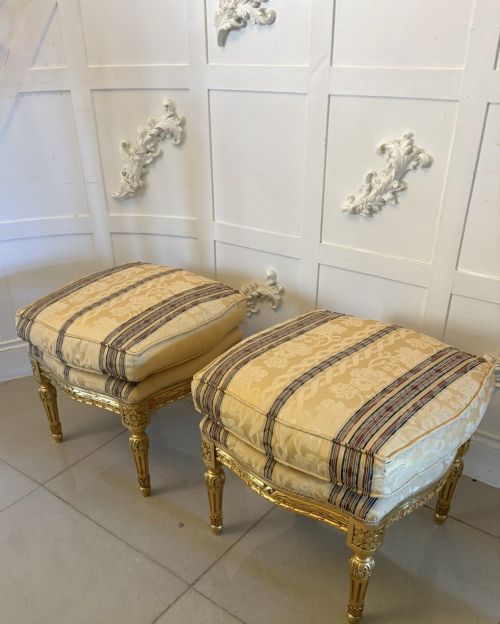
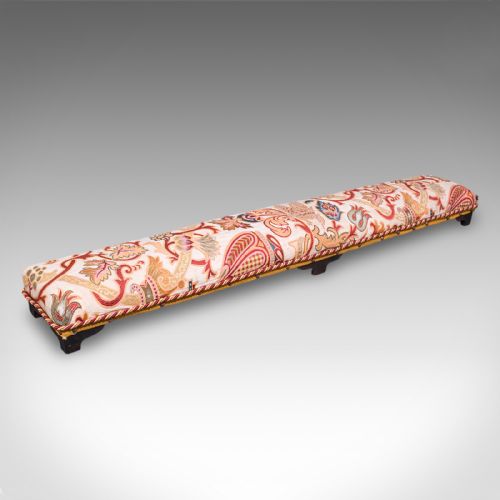
Surface ornamentation ranges from carved giltwood and white paint to plain polished timber grains, sometimes enhanced by inlay or turned stretchers. Upholstered elements rely on textiles, leather, silk, velvet and crewelwork, secured with traditional stuffing and buttoning.
The listings on this page span the 18th, 19th, and early 20th centuries, covering styles from Georgian and Regency to Art Deco.
Build and Finish
Quality rests in the rigidity of the timber frame and the crispness of any hand-carved mouldings or turned legs. Better examples maintain tight joints without excessive modern reinforcement, displaying natural wood figuring and uniform patination.
Upholstery standards diverge between simple commercial recovering and careful traditional webbing and stuffing that preserves the original profile of the seat. Superior pieces exhibit considered proportion and balanced weight across the legs and stretchers.
Harry and Lou Epstein
The Antique Bench Stool Glossary
- Joint stool
- A sturdy wooden seat constructed with mortise and tenon joints, common in early domestic interiors. These pieces pre-date fully upholstered household seating.
- Window seat
- A long, narrow bench designed specifically to fit within a window recess. They often incorporate padded armrests and tailored upholstery.
- Duet stool
- An extended seat designed to accommodate two musicians sitting side by side at a piano. They frequently feature hinged lids hiding sheet music storage.
- X-frame
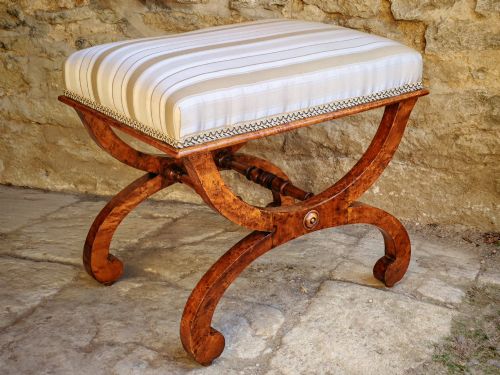
- A structural base formed by two intersecting diagonal supports shaped like the letter X. This classical configuration provides lateral strength to low stools.
- Cross stretcher
- Wooden rails connecting the lower legs of a stool to prevent lateral movement. Turned or plain stretchers add stability to fragile frames.
Antique Bench Stool: Frequently Asked Questions
Where were bench stools placed?
Bench stools found homes in various domestic spaces, from hallways where occupants removed boots to bedrooms in front of dressing tables. Longer window seats occupied sunny recesses, while piano stools sat beside keyboard instruments.
Shorter footstools rested by firesides to support weary feet during long winter evenings.
How do I date a wooden stool?
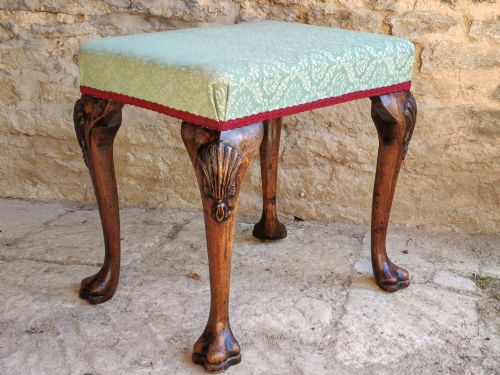
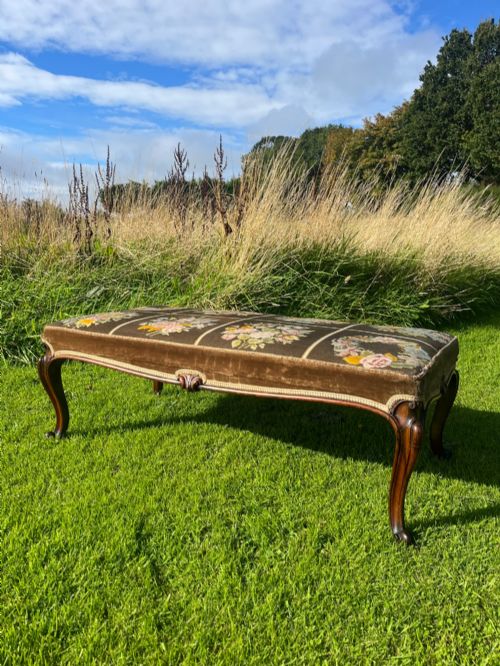
Dating relies on timber choice, tool marks, and leg profiles such as square tapering legs or cabriole supports. Georgian and Victorian pieces often show distinct stylistic traits linked to their reigning period.
Hand-cut joinery and dense native woods point towards earlier centuries, while machine-turned elements suggest later production.
Can I reupholster an antique stool?
Reupholstering is common and often necessary to preserve the usability of antique seating frames. Traditional methods using hessian, horsehair, and proper tacks maintain the historic integrity of the piece.
Choosing fabrics appropriate to the era, such as needlework or leather, keeps the aesthetic balanced.
What is a duet stool?
A duet stool is an extra-wide seat designed for two people playing piano duets together. They often include internal compartments beneath lift-up lids for storing scores.
Their elongated proportions make them versatile as bedroom benches or hallway seating.