
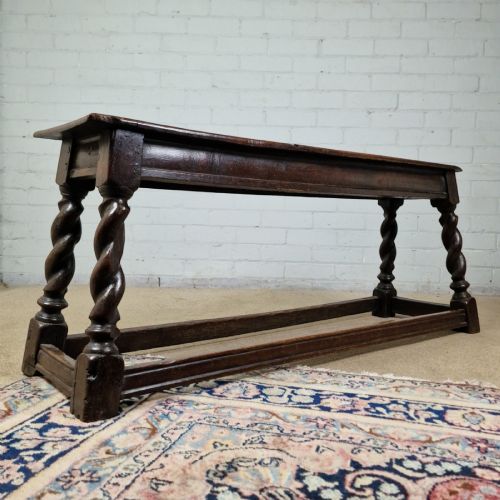
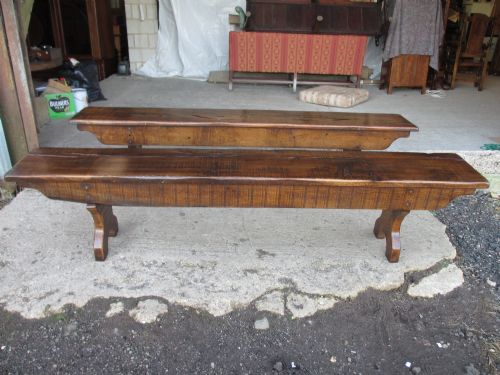
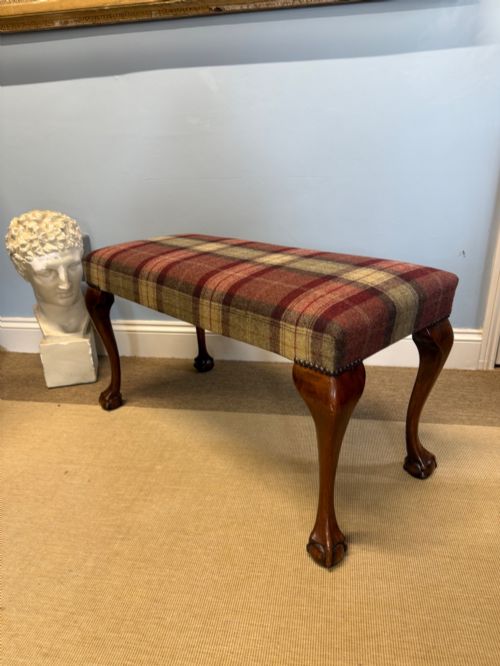
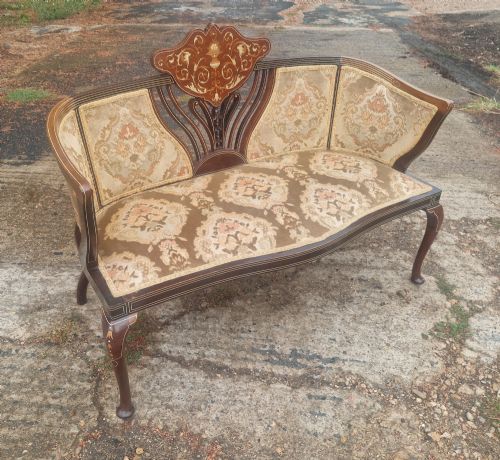
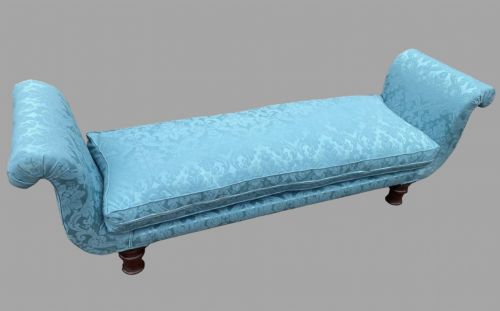
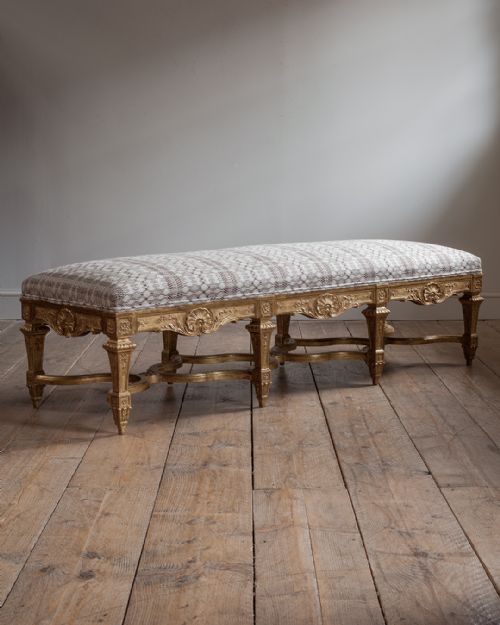
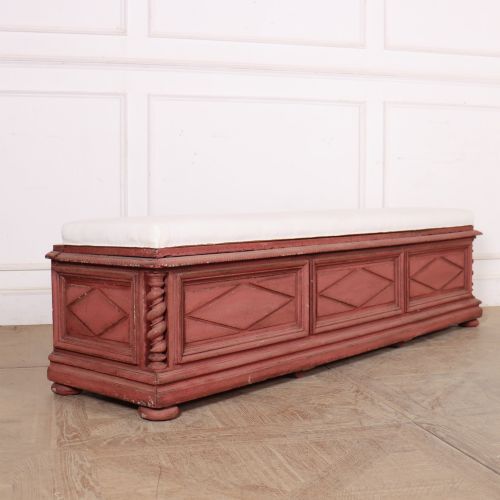
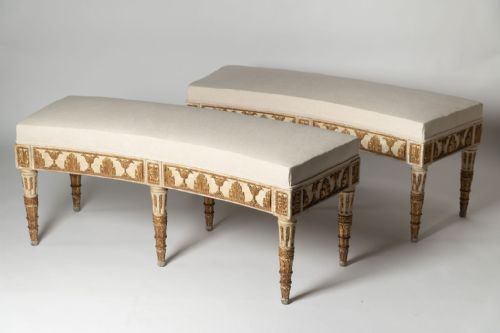
Antique Bench End
These antique bench end pieces and related seating components offer sturdy timber and cast iron architecture for imaginative interior and exterior placements.
Antique Bench End
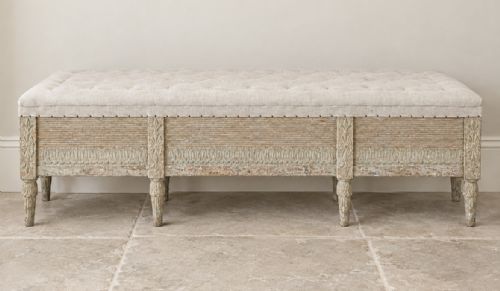
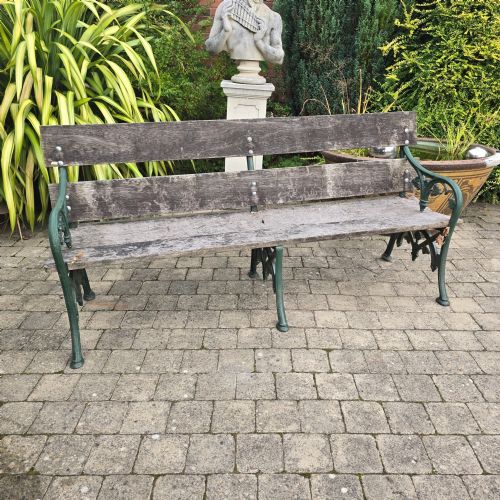
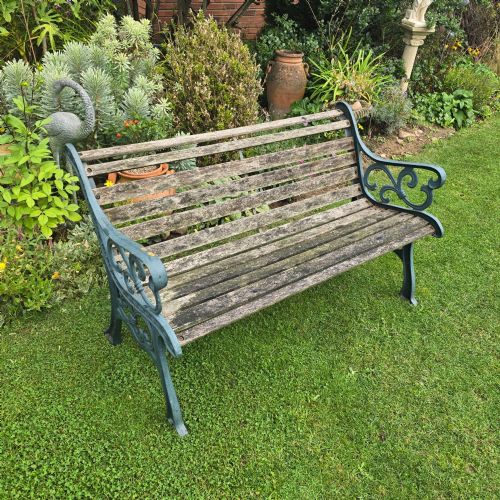
When you search for an antique bench end, you encounter structural fragments and complete seating forms originating from nineteenth-century gardens, ecclesiastical settings, and domestic spaces. The selection ranges from robust cast iron garden bench supports to architectural salvage and carved wooden elements.
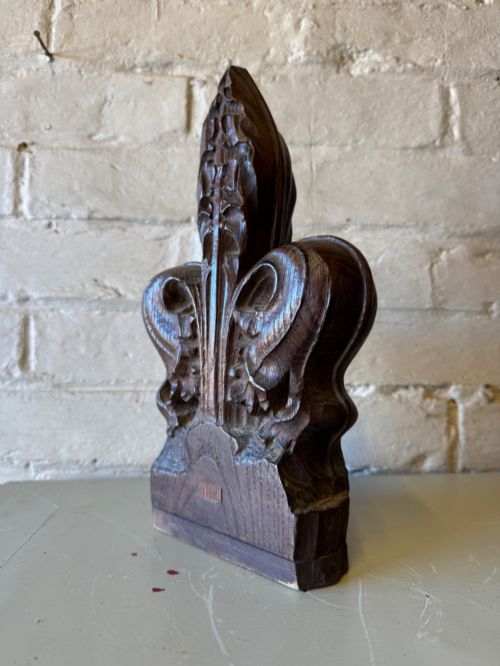
The objects span centuries from early carved timber finials to Edwardian and Victorian iterations, reflecting both domestic comfort and formal architectural styling. Each piece demonstrates how functional structural supports were shaped to suit period aesthetics.
Materials and construction methods
Construction relies heavily on durable hardwoods such as oak, mahogany, walnut, and elm, alongside cast iron for outdoor and industrial components. Joinery techniques and heavy timber trestle ends provide the foundational stability required for structural seating.
Metal elements utilise cast iron moulding, frequently paired with timber slats or architectural rails, while upholstered items feature fabric, velvet, and linen coverings. Surface finishes range from polished or bleached oak to painted French surfaces and giltwood highlights.
Listings feature periods spanning from the seventeenth century through to the Edwardian era and the 1930s.
Distinctions in quality and execution
Quality separates through the crispness of hand-carving in timber elements, such as poppy head finials or intricate walnut window seat frames, versus simpler machine or mass-produced lines. The depth of relief work and the selection of dense, figured woods dictate visual and structural standing.
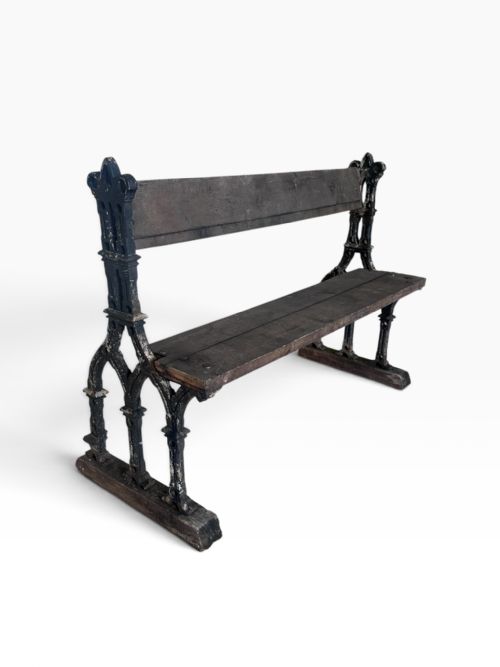
The integrity of cast iron castings, showing clean edges without pitting, distinguishes superior garden and architectural bench ends from coarser examples. Additionally, the retention of original upholstery foundations and authentic surface patination elevates a piece.
The Antique Bench End Glossary
- Finial
- A decorative carving or ornament terminating the top of a post or architectural end. Early examples often feature organic motifs like poppy heads.
- Trestle end
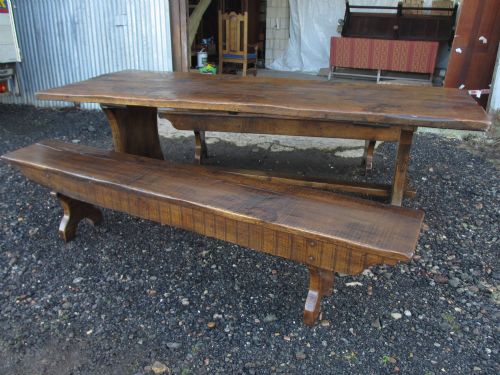
- A supporting vertical frame or bracket connected to a horizontal beam, commonly found on heavy oak benches and tables. This design distributes weight evenly across the base.
- Window seat
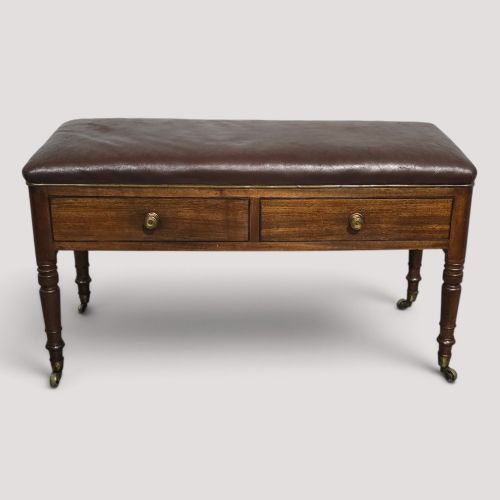
- A long stool or small bench designed to fit beneath a window recess, frequently upholstered and styled in Regency or Victorian aesthetics. These pieces often incorporate carved mahogany or walnut frames.
- Architectural salvage
- Building elements and structural fragments rescued from demolition or alteration, reused for decorative or practical purposes in interior design. This category includes pew end rails and cast iron table bases.
- Giltwood
- Wood that has been coated with a thin layer of gold leaf or gilt powder, prevalent in decorative French styles. It provides a luminous surface finish on formal seating.
Antique Bench End: Frequently Asked Questions
What is an antique bench end used for?
These items serve as structural components for bespoke furniture making, decorative garden displays, or architectural feature pieces within period interiors.
Collectors often mount or display them as standalone sculptures or integrate them into custom seating arrangements using reclaimed timber.
How do I identify a Victorian piece?
Victorian items frequently exhibit heavy cast iron construction, Gothic revival influences, or densely carved walnut and oak frames.
Look for formal proportions and dark timber finishes that characterise mid-to-late nineteenth-century domestic and garden design.
Can cast iron bench ends stay outdoors?
Cast iron components are naturally suited for garden environments and tolerate outdoor placement when properly maintained against moisture.
Pairing them with treated timber slats creates functional seating that withstands seasonal weather changes.
How should I clean wooden frames?
Maintain finished wood surfaces with microfibre dusting and occasional applications of appropriate furniture wax to preserve the patina.
Avoid harsh chemical cleaners that strip historical finishes or damage vulnerable patinated surfaces.