






Antique Bedside Units
These antique bedside units bridge utility and grace, offering compact timber storage formed across the nineteenth and early twentieth centuries.
Antique Bedside Units
When you search for antique bedside units, you encounter a diverse collection of small-scale tables, cabinets, and chests designed to sit beside a bed. The selection on this page relies heavily on Victorian and Edwardian examples, alongside pieces from the Regency and Georgian periods and the nineteen-twenties.
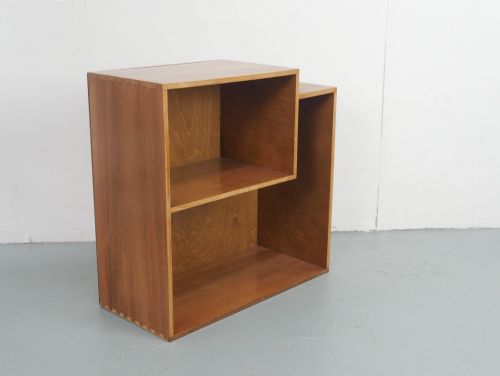
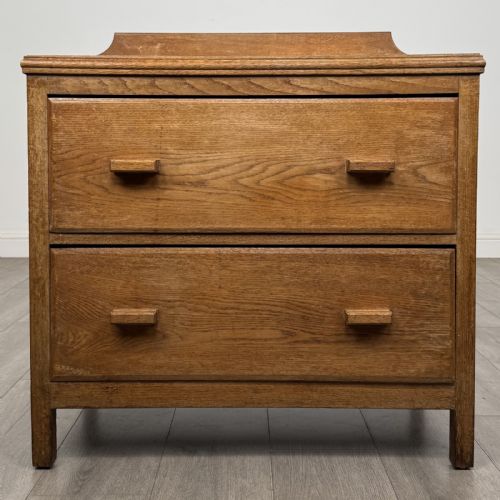
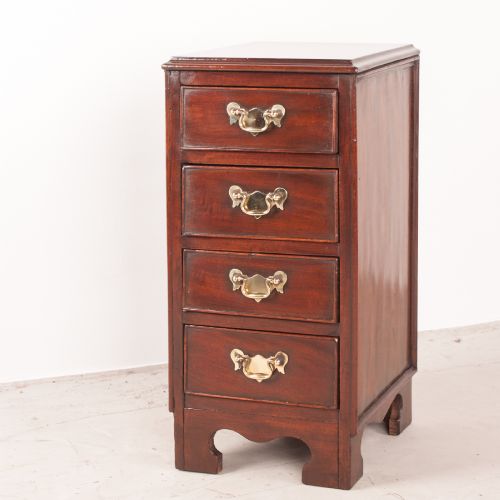
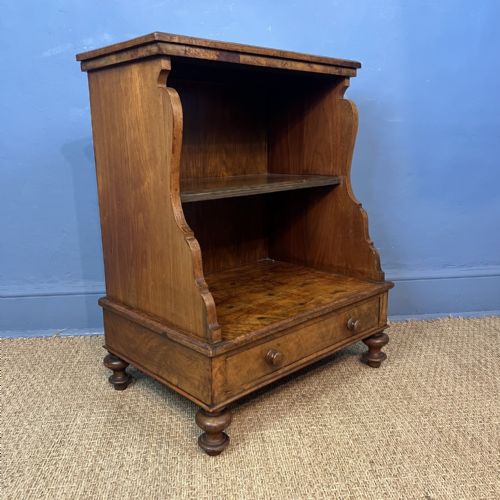
The forms span narrow chests of drawers, open bookcases, and what-nots, often sharing the compact proportions necessary for bedroom placement. Many items began life as small chests, campaign washstands, or etageres before finding a modern role next to the mattress.
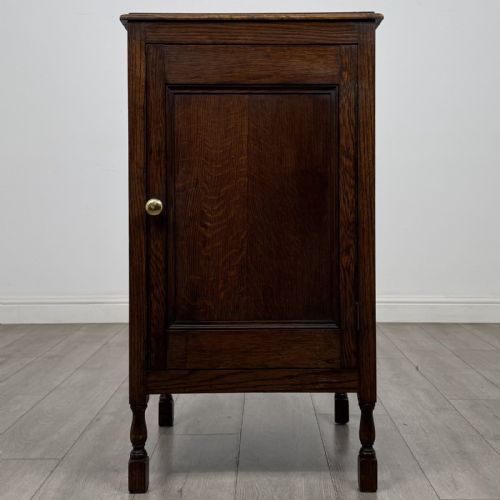
Makers adapted various practical objects to serve this function, resulting in single-door cupboards and tiered shelving units. Solid oak, mahogany, and walnut dominate the offerings, providing both sturdy construction and rich timber grains.
How they were made
Cabinet makers utilised dense hardwoods such as mahogany, walnut, burr walnut, rosewood, and oak to construct these compact units. Timber selection focused on grain pattern and durability, ensuring daily utility in domestic bedchambers.
Construction techniques involved traditional joinery suited to small-scale furniture, complemented by brass handles, turned legs, and raised galleries. Certain items feature carved oak detailing or polished finishes that highlight the natural properties of the wood.
Antique Bedside Units Retail Price Guide 2026
Typical asking prices for bedside units among the pieces listed under this phrase on Sellingantiques today, from the lower quarter to the upper quarter. They describe what is for sale here now, not the wider market.
Listings feature woods including mahogany, oak, walnut, burr walnut, rosewood, and pine across multiple decades.
What varies in quality
Quality rests in the choice of timber veneer and the precision of the cabinet work, particularly around drawers and joints. Fine examples display carefully matched burr walnut or figured mahogany, whereas simpler items utilise plain solid oak or pine.
Proportion and utility dictate the upper tier of the range, where thoughtful design meets refined secondary materials like brass fittings. Lower tiers consist of utilitarian cupboards and plain pine chests built strictly for function rather than display.
Simpson Halifax·Gillows
The Antique Bedside Units Glossary
- Etagere
- A set of open shelves for displaying small objects. These tiered units often feature slender upright supports.
- What-not
- A multi-shelved piece of standing furniture used for storage or display. Regency examples frequently employ a three-tier format.
- Raised gallery
- A low decorative border running along the top edge of a cabinet or chest. This feature prevents items from sliding off the surface.
- Campaign washstand
- A portable piece of furniture designed for travel or military use. These units often adapt well to modern bedside placement.
- Burr walnut
- Timber taken from a growth on a walnut tree, yielding a swirling grain pattern. Cabinet makers prize this material for decorative drawer fronts and tabletops.
Antique Bedside Units: Frequently Asked Questions
What counts as an antique bedside unit?
An antique bedside unit is a small piece of furniture from the nineteenth or early twentieth century placed beside a bed. These items include miniature chests of drawers, small cupboards, and open bookcases.
Because dedicated bedside tables were less common in earlier centuries, many pieces originally served as washstands, trinket chests, or small what-nots.
How do I date a wooden bedside cabinet?
Dating relies on timber choices, construction methods, and stylistic cues from periods like the Victorian, Edwardian, or Regency eras. Mahogany and rosewood are typical of earlier nineteenth-century pieces, while oak is common in nineteen-twenties items.
Drawer construction and handle styles also provide clear indications of age, shifting from hand-dovetailed solid timber to later machine-cut joints.
Are these units suitable for modern beds?
Most of these pieces offer compact proportions well suited to contemporary bedroom layouts. Narrow chests of drawers and low open bookcases provide useful surface area and storage without dominating the room.
Buyers should check exact measurements, as older furniture often sits lower than modern mattress heights.