






Antique Automaton
These antique automaton pieces combine mechanical ingenuity with artistry, offering collectors moving figures, singing birds and animated clock scenes from past centuries.
Antique Automaton
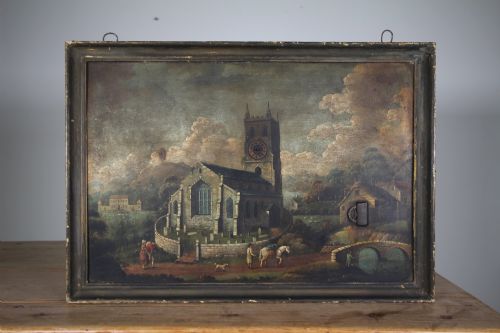
An antique automaton is a mechanical device designed to imitate human, animal or mechanical motion, often integrated into clocks, paintings or musical boxes. When you search for antique automaton, you encounter complex objects spanning the eighteenth, nineteenth and twentieth centuries.
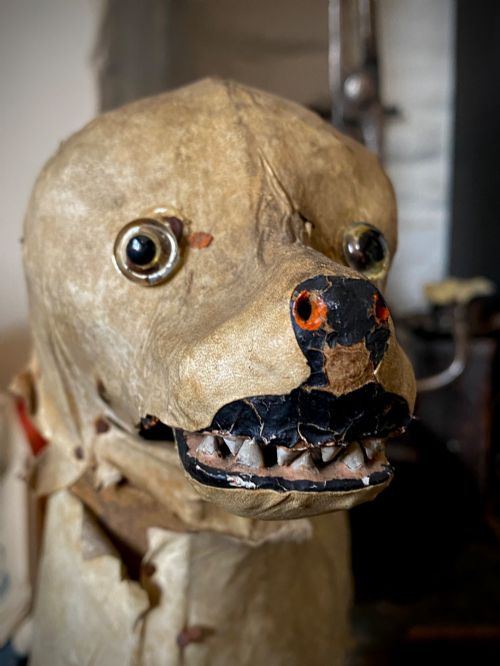
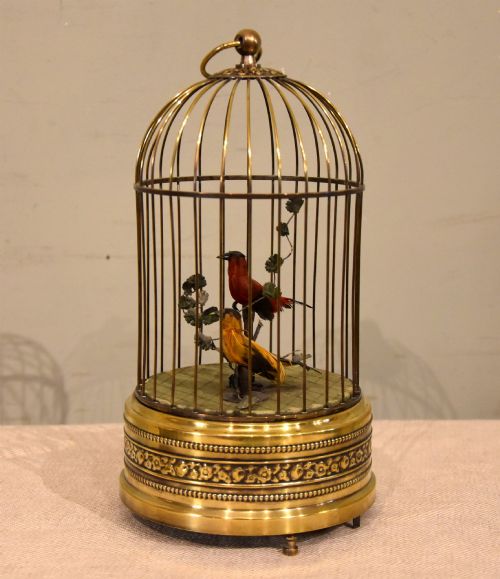
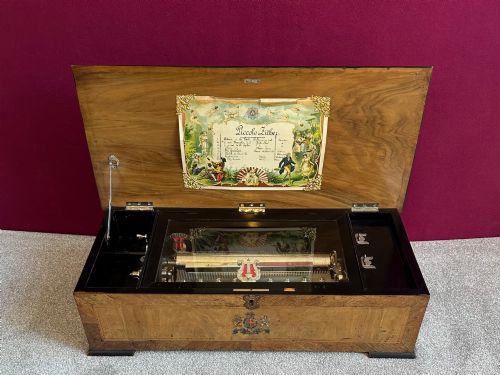
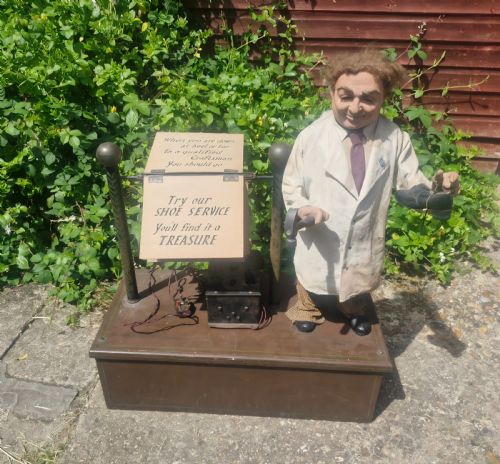
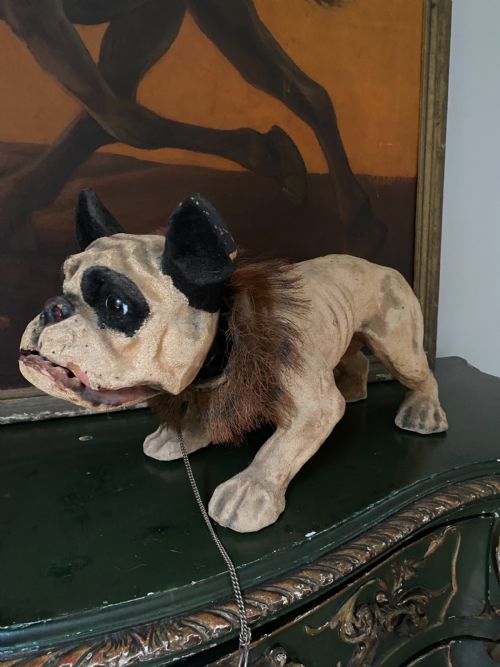
The selections on this page range from longcase clocks featuring rocking ships and moving lions' eyes to singing bird cages, musical boxes and shop display models. Domestic domestic pieces and trade items both appear, reflecting diverse historical applications of mechanical movement.
Victorian and Georgian periods dominate the available forms, alongside later twentieth-century German and French examples. Longcase clocks and music boxes represent the most frequent formats for these mechanical items.
Materials and construction
Brass, steel and various woods including mahogany, walnut, rosewood and general timber provide the structural foundation for these mechanisms and cases. Metal components drive the clockwork gears and animated linkages, while timber creates the cabinetry and enclosures.
Papier mache, oil paint, glass and ormolu contribute decorative and functional elements to figures, dials and display housings. Craftspeople combined precision metalworking with traditional cabinetmaking and painted decoration to produce durable animated objects.
Antique Automaton Retail Price Guide 2026
Typical asking prices for automaton among the pieces listed under this phrase on Sellingantiques today, from the lower quarter to the upper quarter. They describe what is for sale here now, not the wider market.
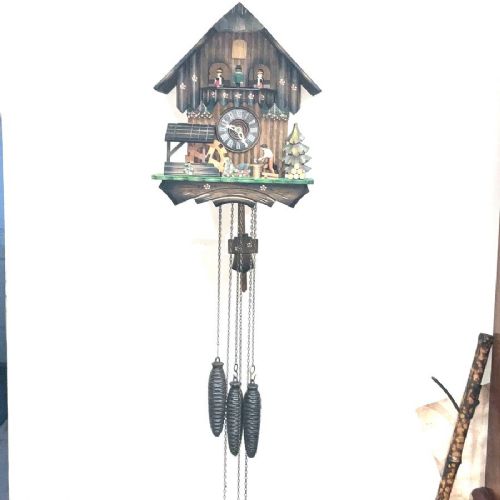
Listings feature eighteenth-century and nineteenth-century longcase clocks housing animated scenes like rocking ships and moving waterwheels.
Assessing quality in mechanical pieces
Quality in an antique automaton depends upon the complexity of the movement and the precision of the animation. Finer examples exhibit fluid, reliable motion in figures, birds or ship mechanisms without hesitation or excessive noise.
The integration of the mechanism into the decorative housing dictates overall merit. Superior pieces feature high-grade cabinetry in woods like mahogany or walnut paired with intricate metalwork by recognised makers.
Karl Griesbaum·Andre Guilmet·Roullet Decamp·Richard Biggs·John Thompson·John Sly
The Antique Automaton Glossary
- Automaton
- A self-operating mechanical device constructed to mimic human or animal actions. These devices rely on clockwork or weight-driven systems to animate figures.
- Clockwork
- A mechanical system of springs and gears that powers movement within clocks, toys and automata. This system requires winding to store potential energy for the animation.
- Longcase clock
- A tall pendulum clock enclosed in a wooden case, frequently adapted with mechanical automata such as rocking ships or moving figures on the dial. These items combine timekeeping with visual spectacle.
- Ormolu
- Gilded bronze or brass used for decorative mounts and architectural details on furniture and clocks. This material adds a polished metallic finish to the exterior presentation.
- Music box
- An automatic musical device that produces sounds by plucking tuned metal teeth on a steel cylinder or disc. Many incorporate bells or animated figures alongside the musical arrangement.
Antique Automaton: Frequently Asked Questions
What is an antique automaton?
An antique automaton is a mechanical creation designed to move autonomously, utilising internal gears, cams and springs. These objects range from singing birds in brass cages to rocking ships on longcase clock dials.
Craftspeople built these mechanisms to entertain and astonish viewers, combining horology with theatrical movement. They represent significant technical skill from the Georgian, Victorian and later periods.
How do singing bird boxes work?
Singing bird boxes utilise a miniature bellows and whistle system connected to a cam-driven mechanism. When activated, the mechanism pumps air through a whistle while the small bird figure moves its head and beak.
Enclosed within metal or wooden boxes, these intricate assemblies require precise tuning to produce realistic avian sounds and fluid physical gestures.
Where were automata made?
Automata production centred in European workshops, particularly in Britain, France, Germany and Switzerland. Different regions developed distinct specialties, such as French animated figures and Black Forest singing birds.
Maker signatures or regional construction styles often identify the origin of a particular piece, connecting it to specific horological or mechanical traditions.
How should I care for a mechanical automaton?
Maintaining an antique automaton involves gentle handling of winding mechanisms and keeping the device in a stable environment away from extreme humidity. Over-winding can damage the internal springs, so regular, careful operation preserves the movement.
Professional servicing by a specialist in antique clockwork ensures that gears and linkages remain clean and properly lubricated without altering original components.