

Antique Artwork Framing
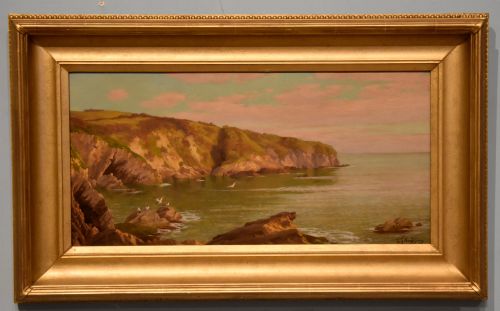
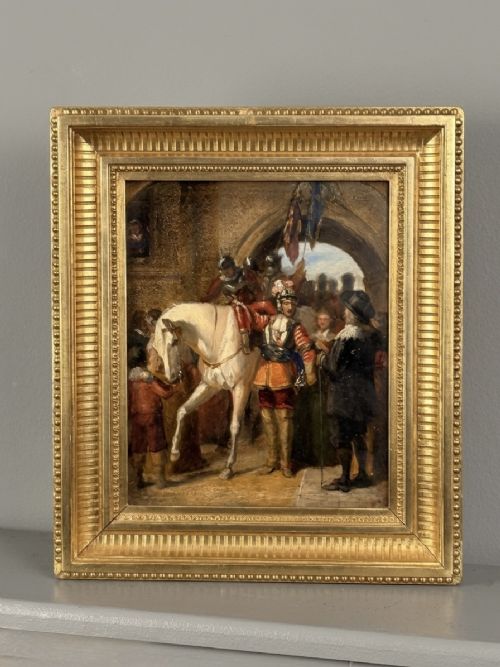
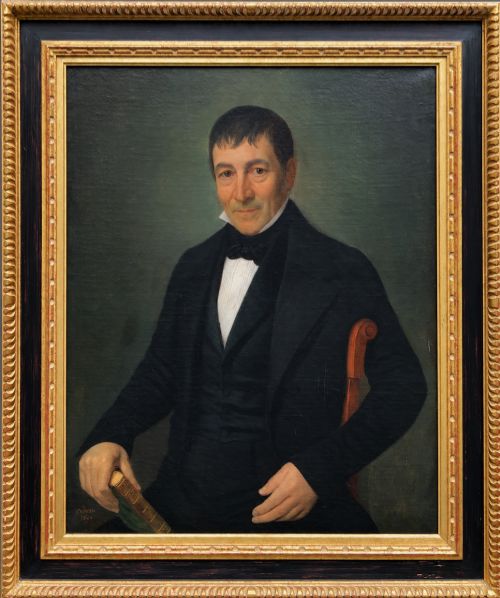
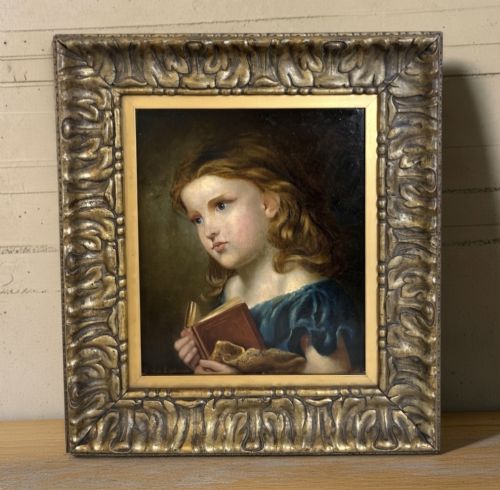
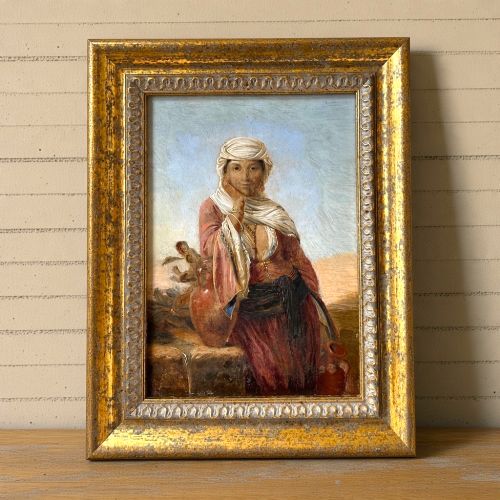
When you handle antique artwork framing, you meet centuries of portraits, landscapes and oils held in deep giltwood and gesso moulded channels.
Antique Artwork Framing
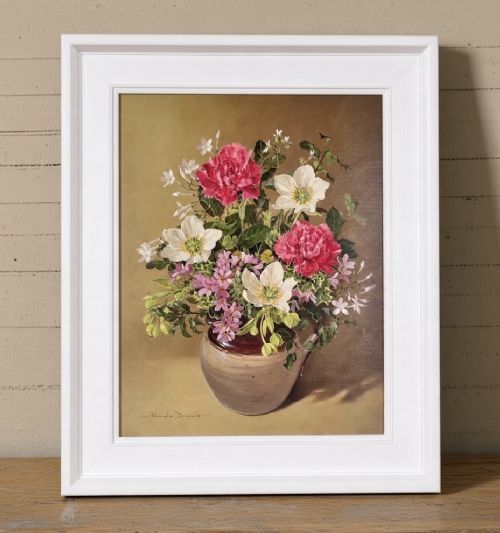
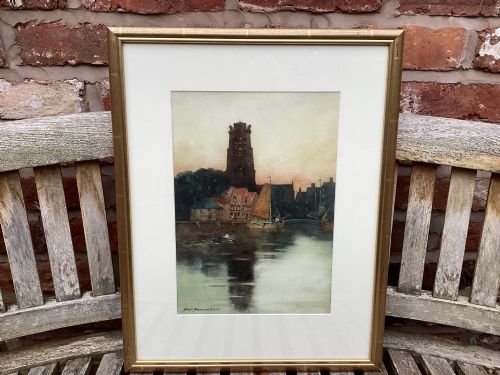
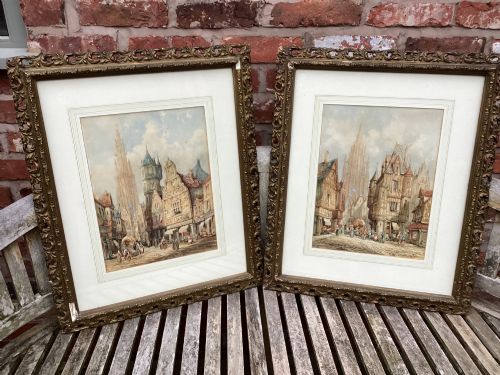
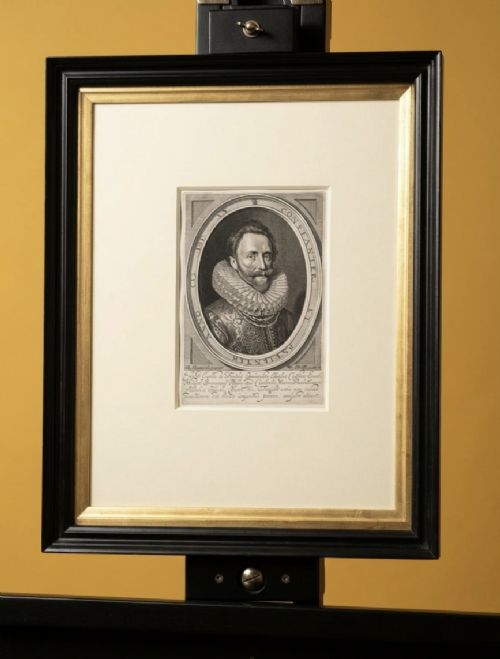
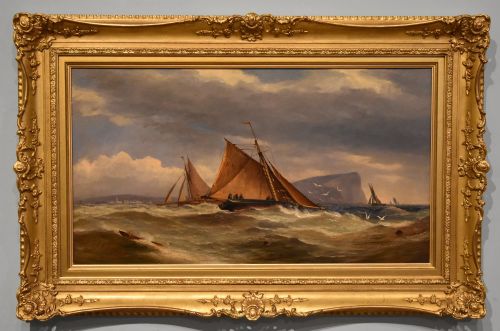
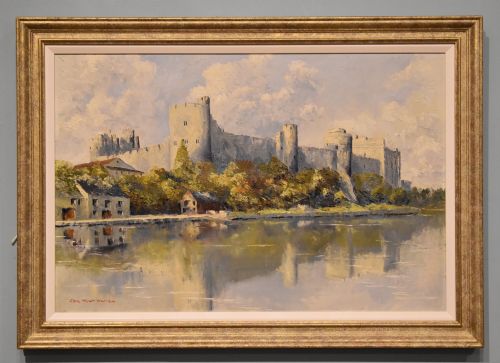
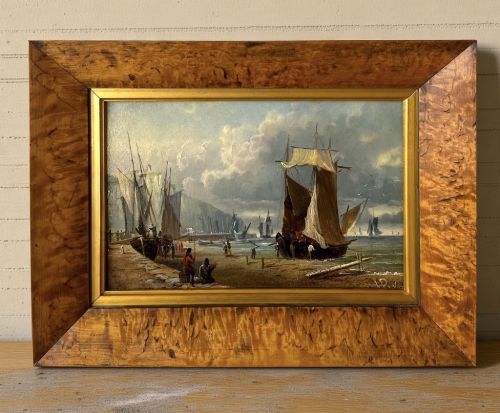
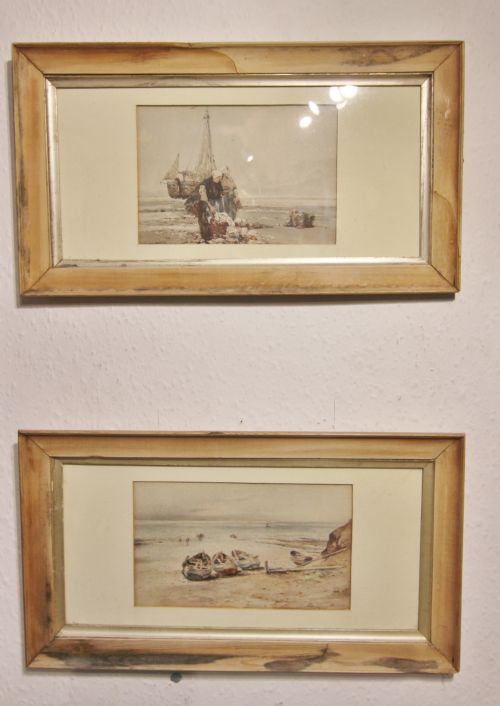
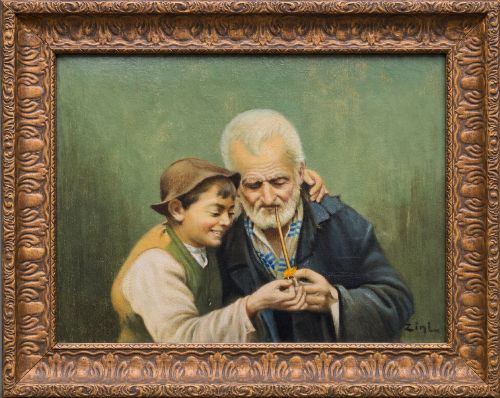
When you search for antique artwork framing, you examine centuries of oil paintings, watercolours, gouache and prints housed in period surrounds. The selection spans from 17th-century panel portraits and Dutch school oils to Victorian landscapes, Edwardian gatherings and mid-century equestrian works.
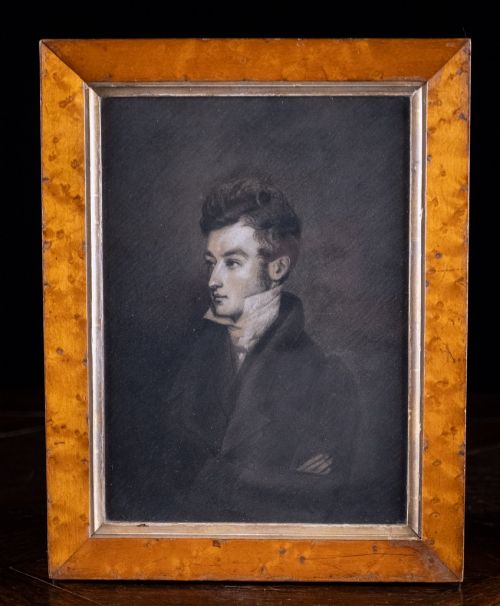
You are most likely to encounter 19th-century oil paintings and portrait miniatures, alongside deep giltwood and gesso hollow picture frames designed to project the artwork forward. These works include domestic animal studies, botanical watercolours and classical landscapes originating from British, French, Italian and Dutch makers.
How they were made
Makers built these pieces using oil paint and watercolours applied to canvas, wood panels, pith paper and heavy card. Canvases received layers of pigment over primed grounds, while watercolours utilised delicate washes on paper supports.
The accompanying frames and surrounds combined carved wood and moulded gesso finished with heavy gilding. Artisans cut fluted hollow profiles and applied ornamental detailing to complement the depth of the paintings.
Antique Artwork Framing Retail Price Guide 2026
Typical asking prices for artwork framing among the pieces listed under this phrase on Sellingantiques today, from the lower quarter to the upper quarter. They describe what is for sale here now, not the wider market.
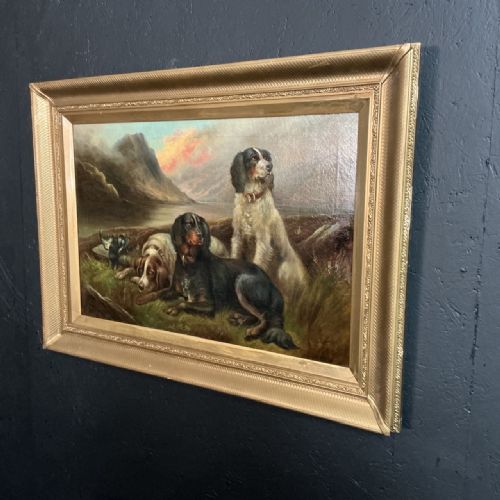
Several canvas corners quietly record the steady gaze of nineteenth-century spaniels sharing space with aristocratic family members.
What varies in quality
Frame quality depends on the crispness of the giltwood moulding and the integrity of the gesso relief. Deeper profiles with intact original gilding demonstrate superior craftsmanship compared to worn or flattened surrounds.
Studio Of Sir Godfrey Kneller·Studio Of Sir Peter Lely·George F. Bird·Sir David Murray RA·Agnes Augusta Talboys·Jacob Philipp Hackert·William Langley
The Antique Artwork Framing Glossary
- Giltwood
- Wood that has been coated with a thin layer of gold leaf. It provides a reflective surface for ornate picture frames.
- Gesso
- A plaster mixture applied to wood before gilding or painting. It creates a smooth base for carved surface details.
- Oil on panel
- Pigment bound in oil applied directly to a flat wooden board. This surface preceded canvas in many early works.
- Gouache
- An opaque water-based paint mixed with a binding agent. It yields dense, matte colour on paper or pith.
- Portrait miniature
- A small-scale painted likeness executed with fine detail. These works were often framed for intimate domestic display.
Antique Artwork Framing: Frequently Asked Questions
How do I date a painted portrait?
You examine the costume, particularly collars, doublets and hairstyles, which followed strict fashion periods. Documentation or signatures on the canvas reverse also offer firm chronological markers.
Comparison with dated works from the same regional school helps narrow the decade of production. Stylistic conventions shift noticeably between seventeenth-century panels and nineteenth-century canvases.
Are original frames important?
Original giltwood and gesso frames preserve the historical context of the artwork. They were designed specifically to complement the proportions and palette of the painting they enclose.
Matching frames demonstrate period-appropriate framing techniques that enhance the visual weight of the piece. Swapping a period surround alters the intended balance of the composition.
How should I hang heavy oil paintings?
Heavy oil paintings on canvas require secure wall fixings anchored directly into structural brickwork or studs. Steel picture wire and rated hooks distribute the substantial weight safely across the frame.
Positioning works away from direct sunlight and steady heat sources protects both the canvas and the giltwood frame from drying out and cracking over time.
What is a portrait miniature?
A portrait miniature is a small, highly detailed painting executed on paper, vellum or card during the eighteenth and nineteenth centuries. These intimate works captured likenesses for personal keepsakes.
They are frequently glazed and housed within compact protective frames designed for desk or wall placement. The meticulous brushwork required specialised magnification tools.