


Antique Artwork Decor
These antique artwork decor pieces bring centuries of canvas, paper, and pigment into a room to anchor the walls with history.
Antique Artwork Decor
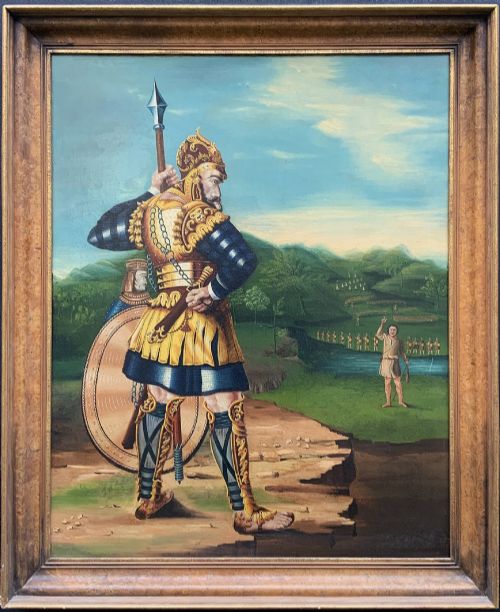
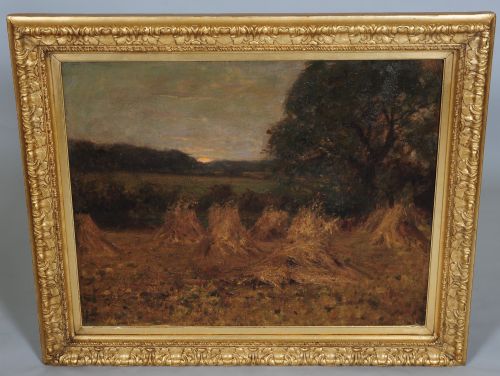
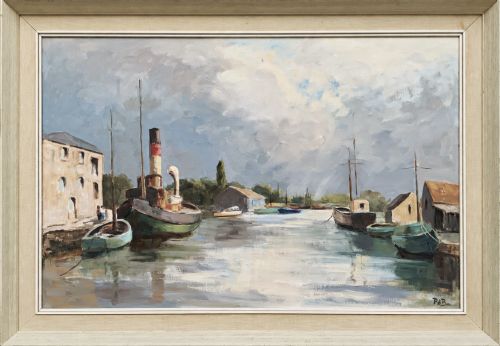
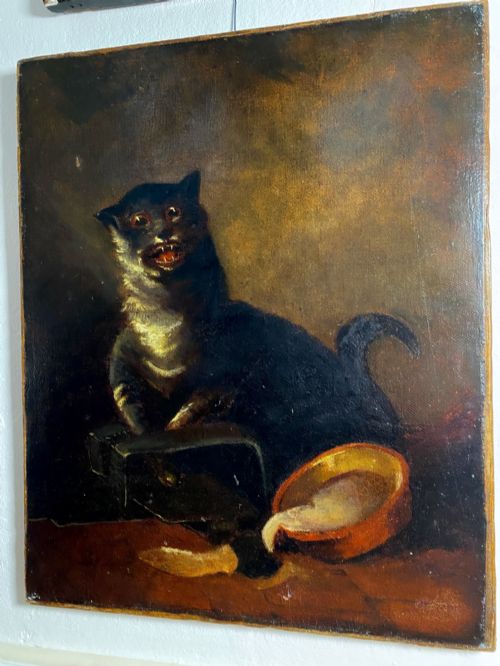
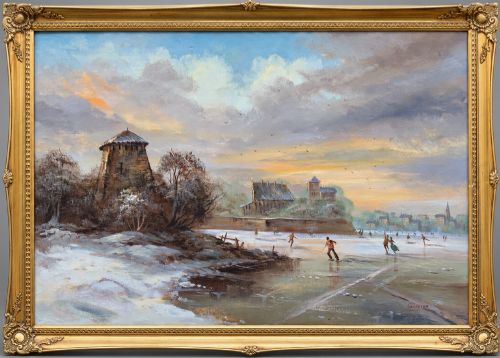
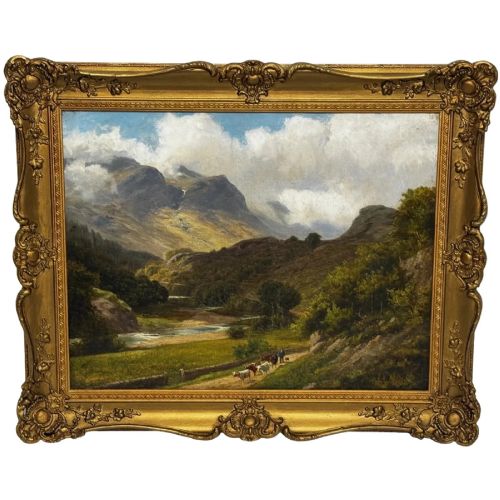
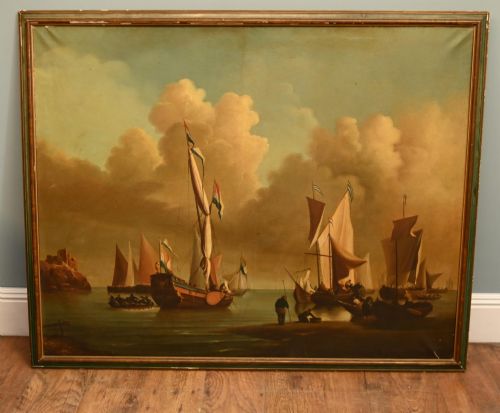
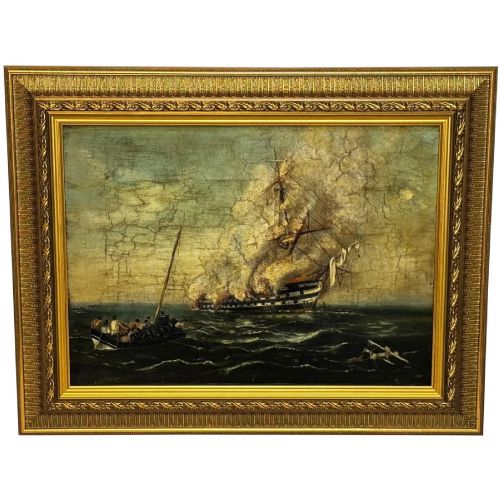
When searching for antique artwork decor, you encounter oil paintings, watercolours, framed prints, and tapestries spanning from the Georgian period through to the mid-twentieth century. The selection leans heavily on framed oil paintings on canvas and panel, capturing maritime scenes, sporting subjects, portraits, and landscapes.
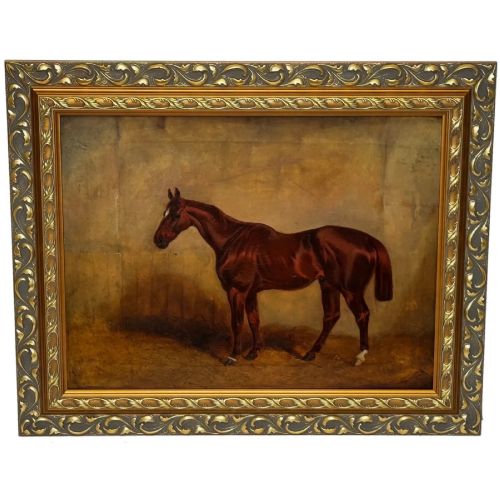
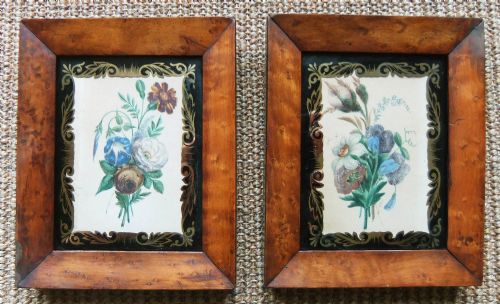
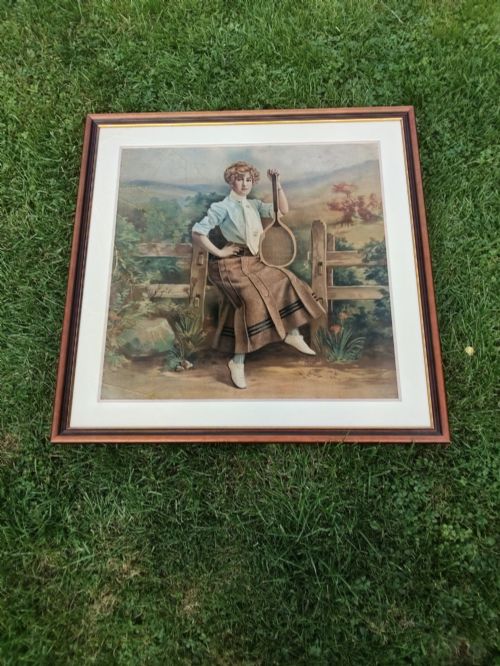
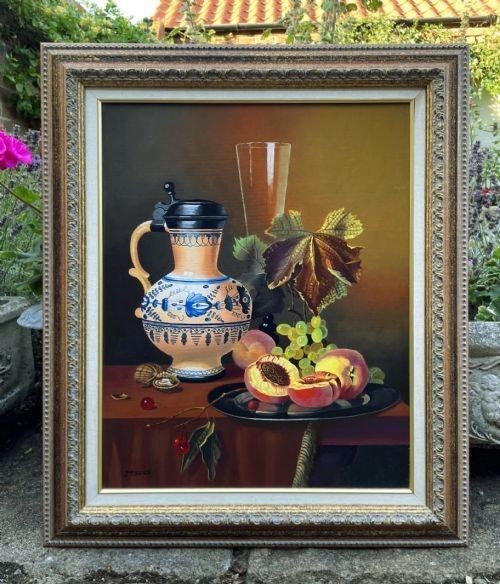
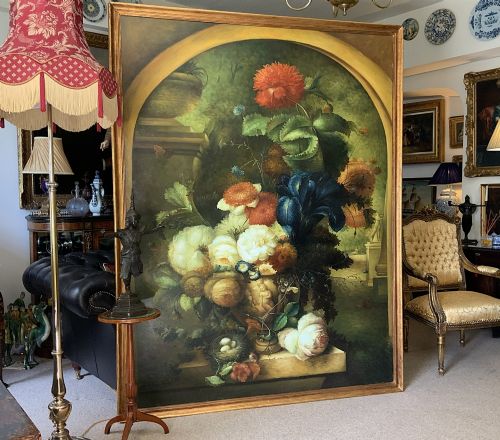
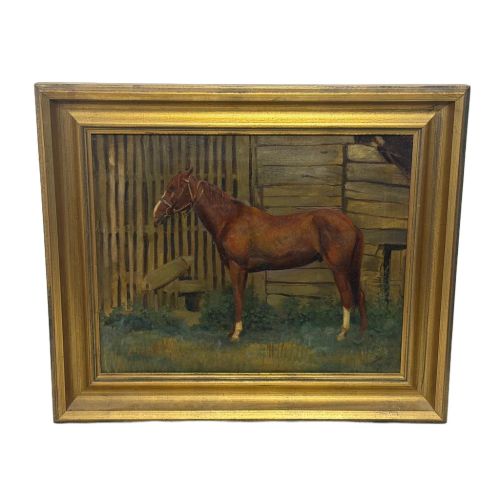
Victorian and Edwardian examples sit alongside mid-century works, Dutch style still lifes, and nineteenth-century marine studies. Pieces range from detailed horse portraits and floral watercolours to architectural views and advertising prints.
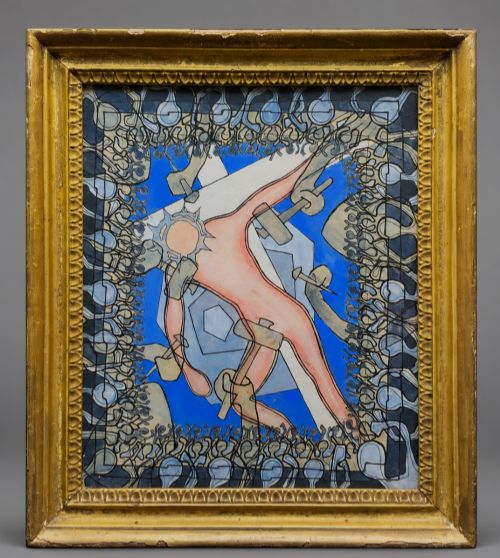
The assortment includes works attributed to specific artists as well as English and continental school pieces from eras such as the 19th Century, 1920, and 1960. Wall art formats encompass oval canvases, tapestries, and glass prints housed in period frames.
How they were made
Makers utilised oil paint on canvas, board, and panel, alongside watercolour and gouache on paper. Pigments were applied with brushwork that varied from tight academic rendering to looser impressionistic strokes.
Framing involved wood, gilded wood, and giltwood, often incorporating glass to protect paper works and textiles. Engravings, lithographs, and hand-tinted photographs utilised contemporary printing techniques of their respective periods.
Antique Artwork Decor Retail Price Guide 2026
Typical asking prices for artwork decor among the pieces listed under this phrase on Sellingantiques today, from the lower quarter to the upper quarter. They describe what is for sale here now, not the wider market.
Listings feature oil paintings, watercolours, and prints spanning from the 16th Century to the 1960s, executed on canvas, paper, wood, and glass.
What varies in quality
The strength of the composition and the confidence of the brushwork determine the visual impact of an oil painting or watercolour. Masterly handling of light, shadow, and anatomical proportion separates accomplished academic or school works from more routine production.
The integrity of the original support - whether canvas, panel, or paper - alongside the preservation of the pigment layer governs the physical condition. Original or period-appropriate frames, particularly giltwood mouldings, add to the integrity of the piece.
Charles Bilger Spalding·Lionel Ellis·James Hardy·Alfred Young Nutt·William McAlpine·Marcellin Auzolle·John Sargent Noble·Sir Peter Markham Scott·Albert Clark·Charles Edward Wilson·Julian Mandel
The Antique Artwork Decor Glossary
- Giltwood
- Wood carved and covered with a thin layer of gold leaf. This finish appears frequently on nineteenth-century and earlier frames.
- Gouache
- An opaque water-based paint mixed with a gum binder. It provides solid fields of colour in works on paper.
- Panel
- A flat rigid support made of wood used by painters instead of canvas. Panel paintings often survive from earlier periods.
- Lithograph
- A print made from a flat stone or metal plate using a grease-based drawing. This technique allowed multiple reproductions of original artwork.
- Provenance
- The documented history of ownership of an artwork. It establishes authenticity and traces the piece back through time.
Antique Artwork Decor: Frequently Asked Questions
How do I date an antique oil painting?
Dating relies on examining the canvas preparation, stretcher construction, pigment types, and framing style. Stylistic cues in clothing, hair, and subject matter also offer clear chronological markers.
Comparative analysis with known works by specific schools or artists helps narrow the decade of creation.
Are framed prints considered original artwork?
Framed prints, lithographs, and engravings are multi-plate or mechanical reproductions rather than unique hand-painted works. They still hold period value as examples of historic printmaking and decoration.
Hand-tinted photographs and prints after famous artists represent popular visual culture of their active eras.
What is the difference between canvas and panel paintings?
Canvas paintings utilise woven fabric stretched over a wooden frame, providing slight give and a textured surface. Panel paintings use solid wood boards, offering a rigid support that prevents canvas slackening.
Both methods were used across different centuries depending on the artist's preference and regional traditions.
How should I hang and light wall art?
Artworks should hang at eye level using secure fixings suited to the wall type and weight of the frame. Avoid direct sunlight to protect pigments, paper, and canvas from fading.
Directional picture lights or ambient room lighting illuminate the surface without generating excess heat near delicate materials.