
Antique Art Print
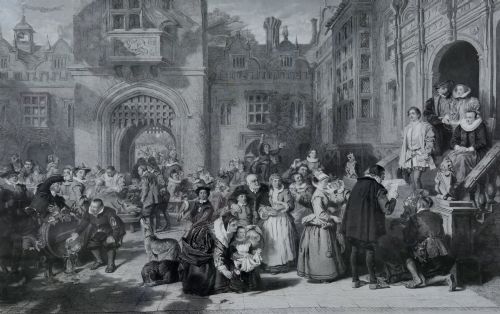
When you search for an antique art print, you uncover centuries of historic portraiture, natural history plates and delicate watercolours preserved on paper.
Antique Art Print
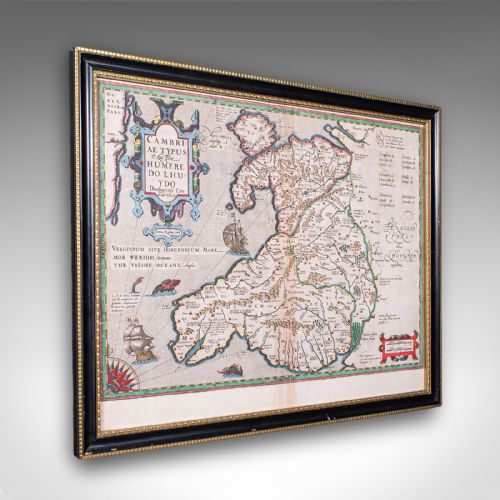
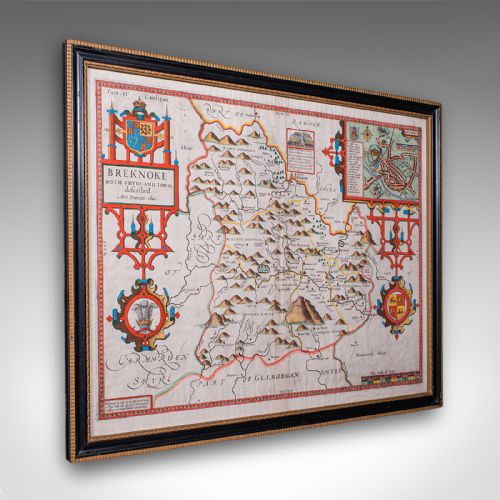
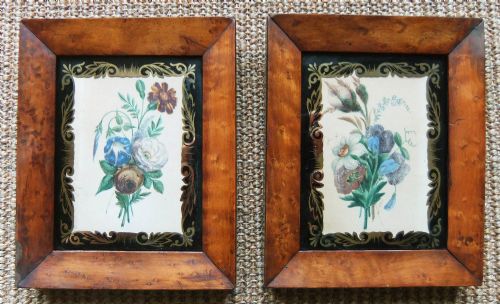
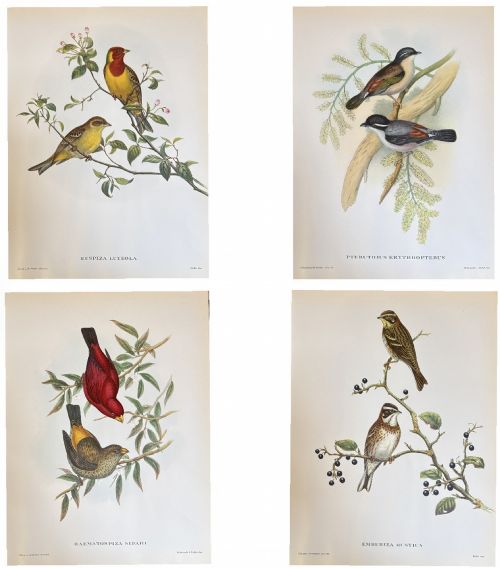
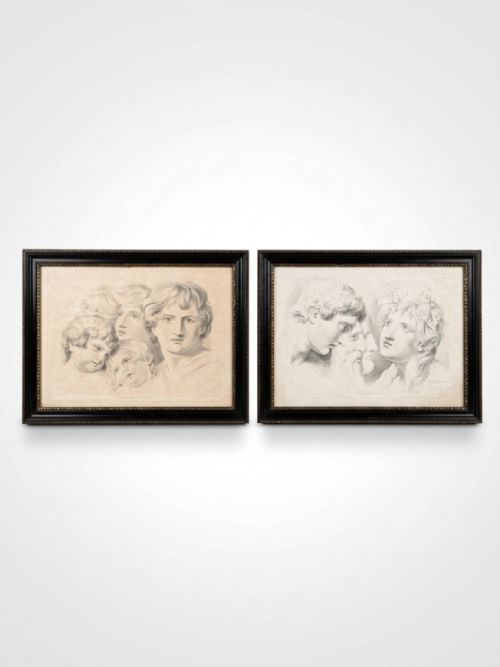
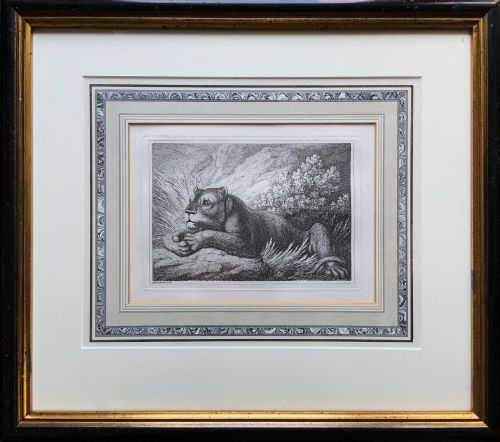
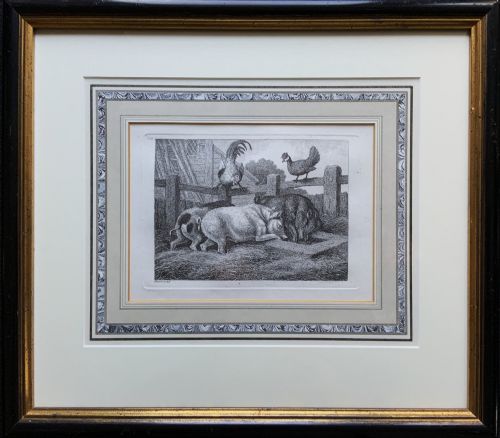
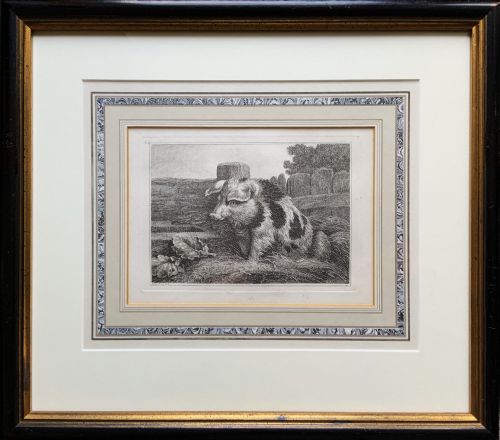
An antique art print encompasses a wide array of works on paper, spanning from the seventeenth century through to the mid-twentieth century. Collectors encounter framed engravings, mezzotint portraits, etchings and botanical or ornithological illustrations across this selection.
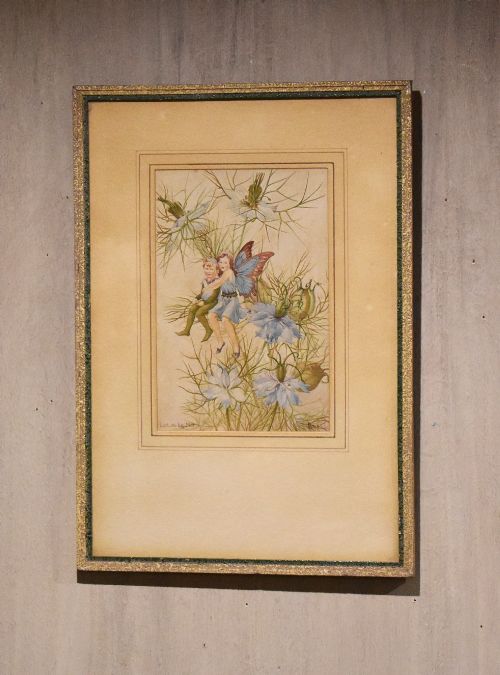
The materials reflect traditional printmaking and mounting, combining paper, ink, watercolour and gold leaf within wooden, gilt wood or glass frames. Examples range from eighteenth-century aristocratic portraits to early twentieth-century fairy illustrations and tropical bird plates.
How they were made
Printmakers utilised techniques such as engraving, etching and mezzotint, transferring inked lines and tonal gradations onto paper plates. Many works received hand-applied watercolours to enhance botanical details, bird feathers and portrait garments.
Framing materials typically involved wood, gilt wood and glass to protect the delicate paper surfaces from atmospheric moisture and handling damage.
Listings feature works spanning the 17th, 18th, 19th and 20th centuries, executed in media including paper, ink, watercolour and gold leaf.
What varies in quality
Quality depends upon the clarity of the plate impression, the precision of the initial engraving or etching work, and the vibrancy of any applied watercolour. Early impressions from a fresh plate yield sharper lines and richer contrasts than later strikes.
The preservation of the paper support, the absence of excessive toning or fading, and the presence of original framing elements such as Hogarth frames contribute significantly to the standing of an individual piece.
Marjorie L Davies·George Keating·John Smith·Samuel Howitt·James Watson·Herbert Dicksee
The Antique Art Print Glossary
- Mezzotint
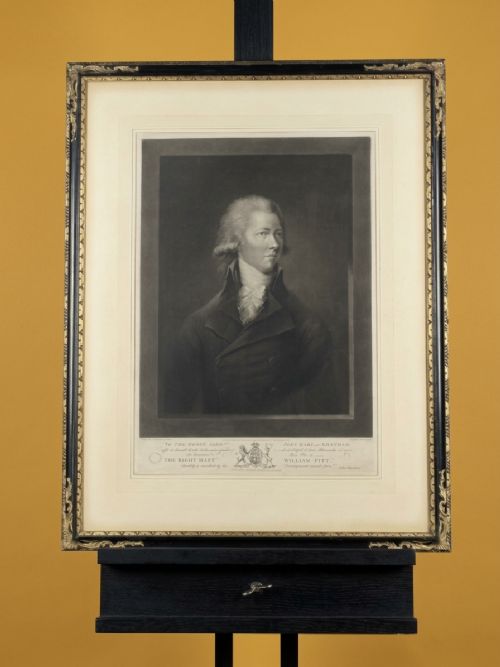
- A printmaking process where the copper plate is roughened uniformly to produce dark tones, and scraped to create light areas. This technique allows for subtle tonal gradations particularly suited to portraiture.
- Engraving
- A method of cutting design lines directly into a metal plate with a sharp tool called a burin. The resulting prints exhibit clean, precise lines and lasting durability.
- Etching
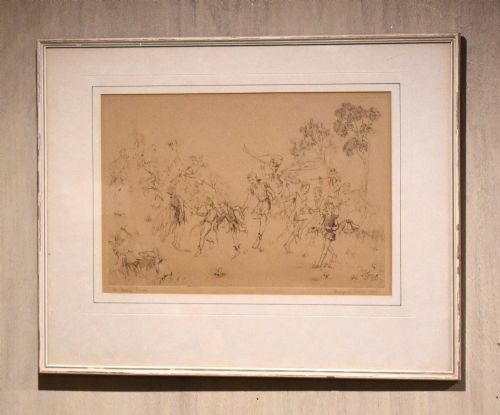
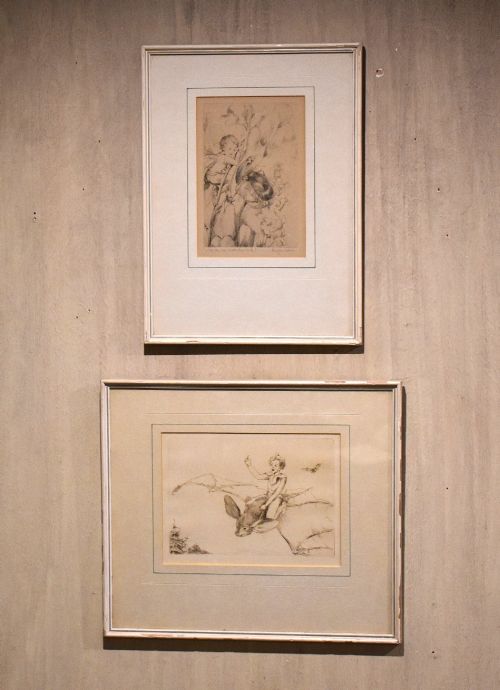
- A technique where acid bites lines into a metal plate covered with an acid-resistant ground. Artists draw freely through the ground to expose the metal before chemical biting.
- Stipple engraving
- A method of producing tones on a metal plate through a dense pattern of dots made with etchers and needles. It gained popularity for rendering soft flesh tones and painterly textures.
- Gilt wood
- Wood carved and coated with a thin layer of gold leaf or metallic powder. It provides reflective decorative borders for traditional frames.
Antique Art Print: Frequently Asked Questions
How do I care for antique prints?
Keep framed pieces away from direct sunlight to prevent the ink and watercolour pigments from fading over time. Maintain stable indoor humidity levels to protect the historic paper supports.
Avoid hanging works in damp environments such as kitchens or bathrooms where moisture can cause foxing or mould growth on the paper.
What is a mezzotint portrait?
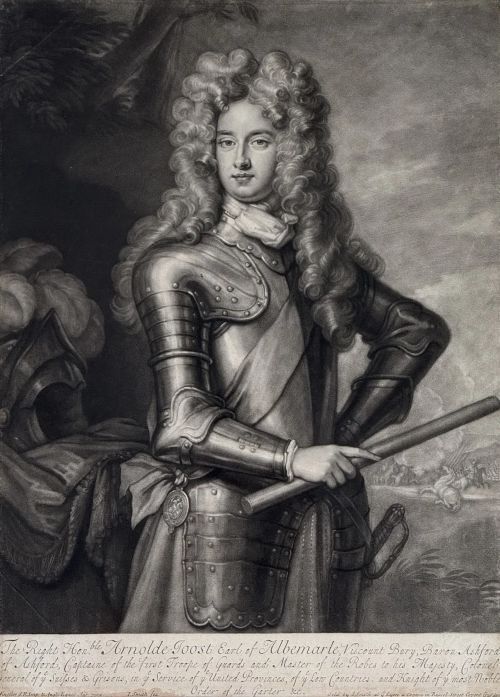
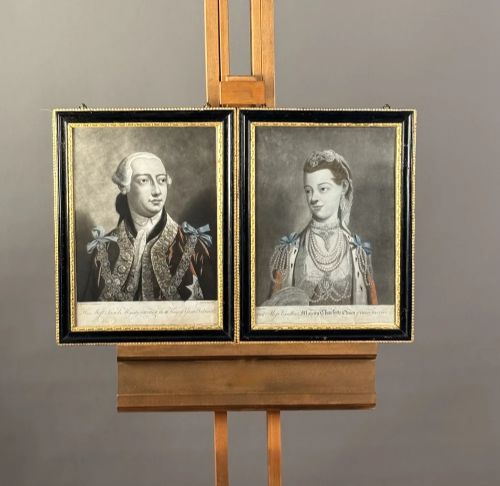
A mezzotint portrait is an intaglio print created by working from dark to light on a roughened copper plate. This tonal method produces velvety dark backgrounds and smooth transitions of light across human subjects.
Many eighteenth-century examples record notable historical figures after paintings by prominent artists like Sir Joshua Reynolds or Sir Godfrey Kneller.
How can I date an antique print?
Examine the paper characteristics, printing technique, typography and any inscribed publication dates or artist signatures within the margin. Laid paper with visible chain lines often indicates earlier production periods.
Compare the style of dress, hair and framing materials to historical periods represented in the evidence, such as Georgian, Victorian or Edwardian eras.
Are these prints original works?
The pieces listed are period impressions pulled from historic plates or original hand-drawn watercolours created by artists of the era. They represent authentic historical output rather than modern commercial reproductions.
Individual listings specify the exact medium, whether an etching, engraving, lithograph or watercolour painting.