
Antique Art Box
When you search for an antique art box, you are looking at containers shaped by the aesthetics of the late nineteenth and early twentieth centuries.
Antique Art Box
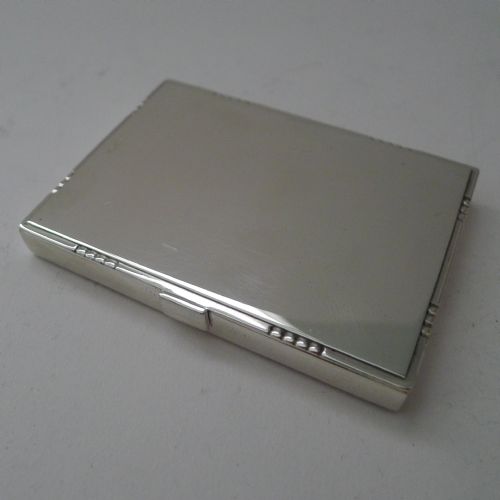
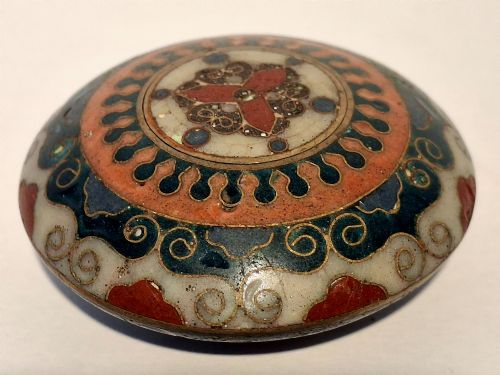
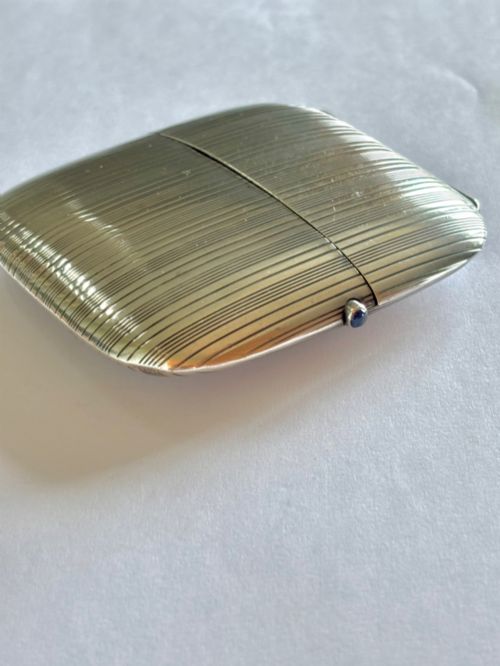
An antique art box encompasses receptacles designed during periods such as the Edwardian era, the nineteen-twenties, and the nineteen-thirties, spanning styles from Art Nouveau and Art Deco to the Arts and Crafts movement. These items serve functional roles as trinket containers, decorative boxes, and cigarette cases.
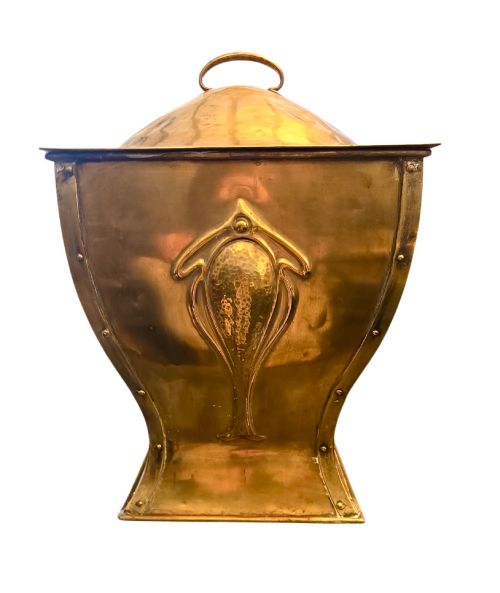
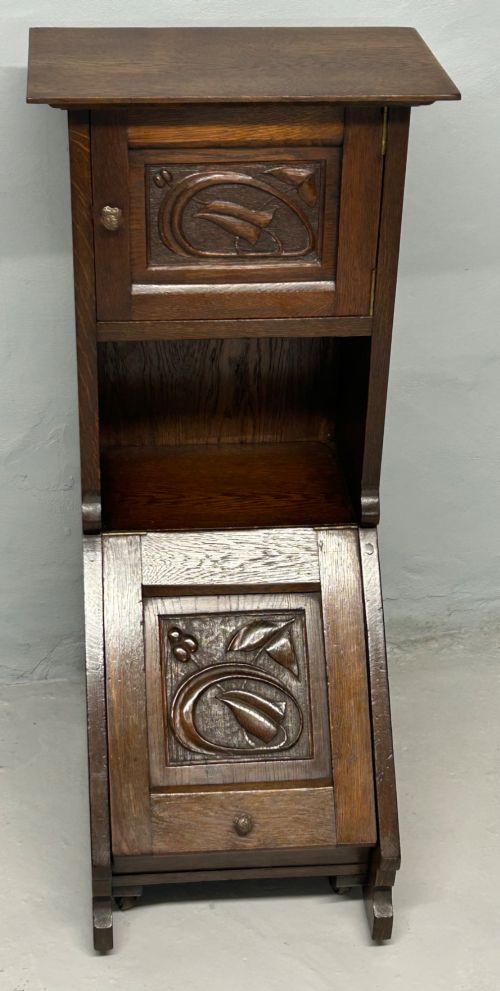
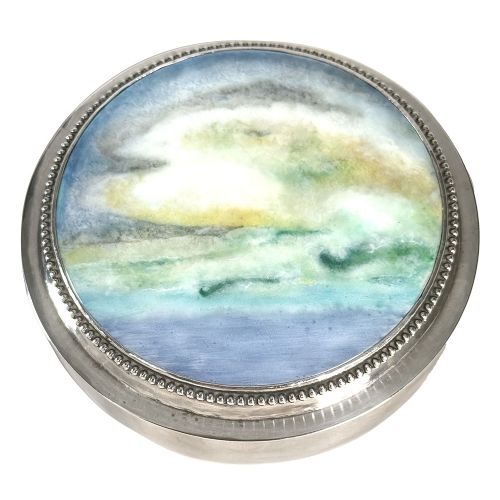
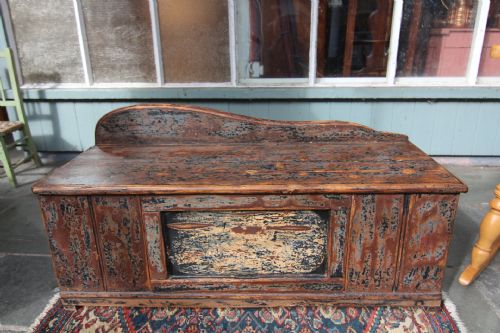
The versions most commonly met on this page include sterling silver pieces set with enamel, oak containers produced in the Arts and Crafts tradition, and brass or copper vessels showing period motifs.
How They Were Made
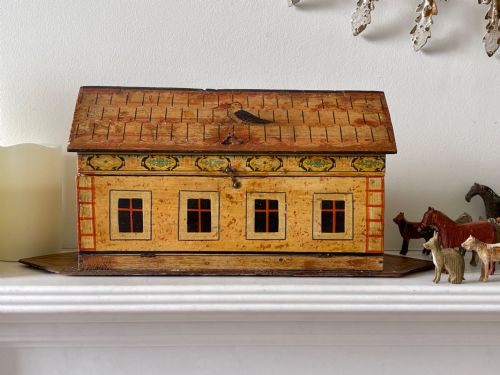
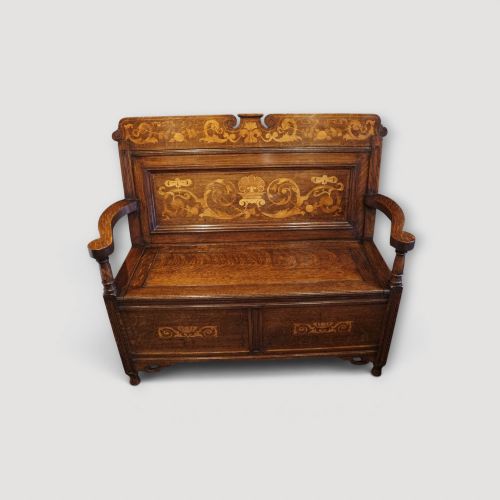
The construction utilises metals such as sterling silver, brass, copper, and gold alongside timbers including oak, pine, and limewood. Artisans applied hand-hammered planishing, enamel plaques, and inlaid designs to the surfaces.
Techniques range from structural joinery in wooden boxes to delicate silver-gilt work and guilloche enamel detailing on smaller receptacles.
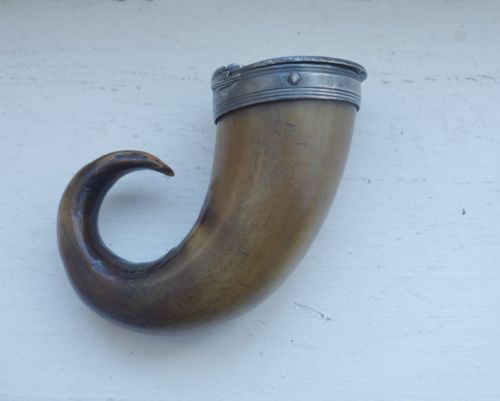
The inventory includes items spanning from the eighteenth century through to the nineteen-thirties, with a strong representation of Edwardian and Art Deco pieces.
What Varies in Quality
Quality rests in the precision of the metalwork, the clarity and preservation of applied enamel, and the crispness of carved or inlaid wooden details. Pieces produced by established makers or guilds show a higher degree of finishing on internal elements and hinges.
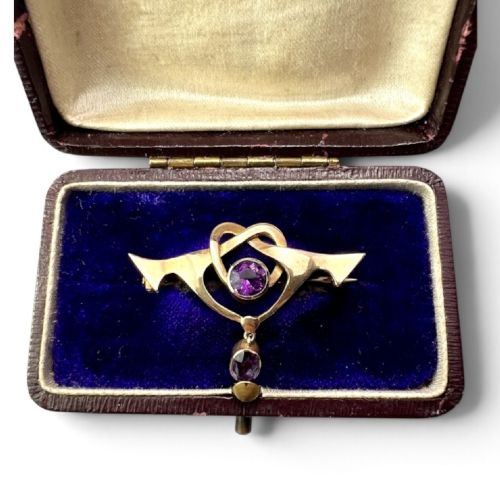
The harmony between the primary material and decorative additions, such as copper overlays or cabochons, dictates the overall success of the design.
Georg Jensen·Deakin & Francis·The Guild of Handicrafts·Henry Clifford Davis·Mappin & Webb
The Antique Art Box Glossary
- Art Deco
- A design style prevalent in the nineteen-twenties and nineteen-thirties characterised by geometric shapes and stylised motifs. It appears on silver and enamel boxes from the period.
- Art Nouveau
- A movement from the late nineteenth and early Edwardian periods featuring flowing, organic lines inspired by natural forms. This style surfaces on brass and silver decorative boxes.
- Arts and Crafts
- A design philosophy emphasising traditional craftsmanship and simple forms using materials like oak and copper. Pieces from this movement often display hand-worked surfaces.
- Guilloche enamel
- A decorative technique involving precise, intricate patterns engraved beneath a translucent enamel layer. It is frequently found on dressing table jars and compacts.
- Planished
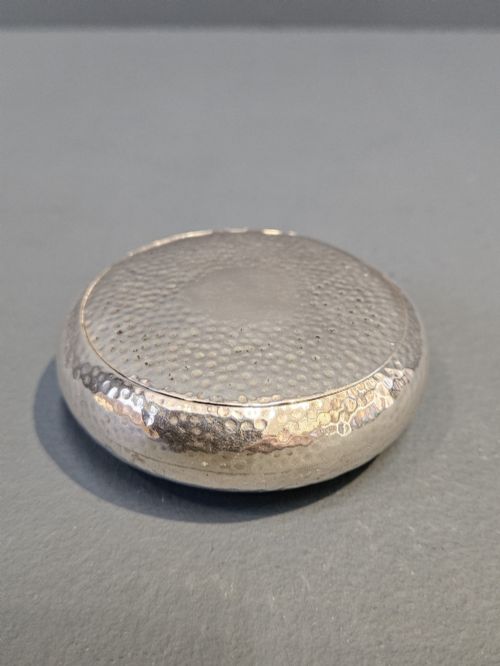
- A metalworking finish achieved by hammering the surface with a small-faced tool to create uniform facet marks. This texture is common on Edwardian silver pieces.
Antique Art Box: Frequently Asked Questions
What materials are used in these boxes?
The listings include containers made from sterling silver, brass, copper, and solid woods such as oak and pine.
Surface decorations frequently incorporate enamel, paint, and inlaid elements.
How do I identify an Art Nouveau box?
Art Nouveau examples display flowing, organic lines and natural motifs rather than rigid geometric patterns.
They commonly date from the late nineteenth century to the Edwardian period and utilise brass, silver, or carved oak.
Where were these boxes manufactured?
The pieces originate from British workshops and continental makers, reflecting the prevailing design movements of their respective decades.
Silversmiths in cities like Birmingham produced many of the metal receptacles.
How should I clean a silver box?
Silver containers require gentle cleaning with a soft cloth designed for precious metals to avoid removing patination or damaging enamel.
Harsh chemical dips should be avoided, particularly on pieces with inset stones or delicate cabochons.